Beyond the 80s Sitcom: How to Channel Cult Character Energy for Modern Content
Nostalgia is a powerful engine for digital creators, but it requires more than simple references. Here is how to harness the specific, high-energy archetypes of 80s television to elevate your modern content.
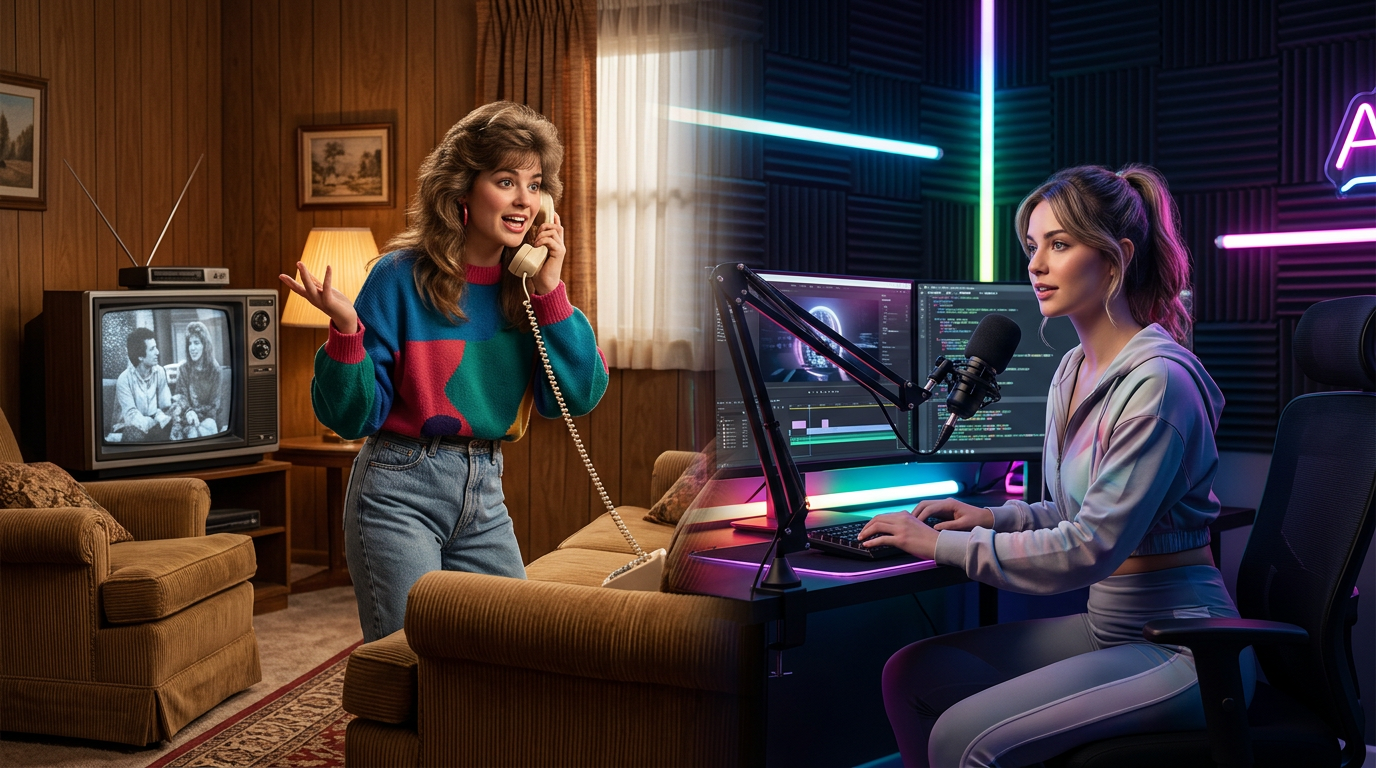
The 80s sitcom was a masterclass in narrative economy. Characters were built on a foundation of distinct, high-energy archetypes—the lovable troublemaker, the sarcastic neighbor, or the over-the-top mentor—that relied on a specific blend of earnestness, physical comedy, and sharp-tongued wit. In the fragmented landscape of modern short-form video, these archetypes are not just relics; they are high-performance blueprints for audience engagement. Today's most successful creators understand that the 'vibe' of a decade isn't just about fashion or filters; it is about the rhythmic delivery of dialogue.
Successful 80s television relied on vocal inflection that signaled intent before the punchline even landed. Today’s creators often struggle with this, opting for rapid-fire, monotone delivery that lacks the rhythmic 'bounce' of classic dialogue. To capture that energy, you must focus on the cadence of the character. Whether you are creating a parody, a tribute, or a modern remix, the goal is to replicate the intent—the way a character pauses for dramatic effect or leans into a sarcastic remark—rather than just mimicking a voice. By leveraging the right tools, you can ensure that your content carries the weight and authority of the characters you are emulating.
The Anatomy of Sitcom Timing in Vertical Video
Physical comedy in the 80s was constrained by the multi-cam setup, which forced performers to be incredibly precise with their movements and timing. When you adapt this for TikTok or Reels, you are essentially translating that stage-bound energy into a vertical format. The secret is the 'character beat.' If you are writing a script, include intentional pauses and physical cues that mirror the classic sitcom structure. This provides a familiar, comforting rhythm that resonates with audiences even if they haven't seen the original source material. The goal is to create a 'hook' that feels like a classic TV moment—immediate, punchy, and character-driven.
To achieve this, you need more than just a script; you need a consistent delivery mechanism. Modern creators are increasingly using AI to maintain character integrity, moving away from inconsistent manual impressions. By using platforms like Fanfun, creators can generate content that feels authentic to the persona, ensuring the character remains 'in character' throughout a complex script. This allows you to focus on the narrative arc and the visual editing, knowing the vocal performance will hit the mark every time. Whether you are aiming for the high-pitched, manic energy of a cartoon legend or the dry, cynical wit of a sitcom lead, the technology now allows for a level of creative freedom that was previously reserved for high-budget productions.
Modernizing Nostalgia: From Sitcoms to Social Media
Modernizing nostalgia requires a delicate touch. The goal is to strip away the dated aesthetics—the laugh tracks and grainy resolution—while keeping the core personality traits that made these icons famous. When you look at the 'star power' of 80s icons, you realize it wasn't just about fame; it was about reliability. An audience knew exactly what they were going to get from a character the moment they appeared on screen. This reliability is the currency of the creator economy.
This is where the shift from traditional celebrity booking to AI-driven character interaction becomes a competitive advantage. The traditional model of celebrity engagement—waiting for a cameo or hoping for a collaboration—is fundamentally broken for the pace of modern content creation. When you have an idea for a skit, you need the character now, not in two weeks. Fanfun allows you to iterate on your ideas in real-time, providing instant access to a library of iconic personas that can be deployed for birthday wishes, roasts, or high-concept promos. This agility allows you to jump on trends while they are still relevant, rather than waiting for a slow-moving traditional pipeline.
Building Your Character Toolkit
Not every character archetype fits every narrative. Choosing the right persona is a deliberate decision that dictates the success of your content. You need to match the 'energy' of the persona to the 'intent' of your video. For instance, comparing the grounded, high-energy world of Spongebob Squarepants against a more human, sitcom-style character reveals how different personas drive different types of engagement. One is built for surrealism and high-frequency animation, while the other is rooted in human-adjacent relatability. If you are producing content for a younger audience, the surrealism of a cartoon icon might be the perfect hook; for a more mature, pop-culture-savvy audience, the gravitas of a sports icon might be more effective.
Consider this framework for your next project:
| Archetype | Best For | Energy Level |
|---|---|---|
| Sitcom Troublemaker | Parody, Relatable Commentary | Medium-High |
| Action Icon | High-Stakes Promos, Intensity | High |
| Animation Legend | Surrealist Humor, Memes | Very High |
If you are looking for a shift in tone, you might pivot from the comedic timing of an 80s sitcom character to the high-octane intensity found in a Dwayne Johnson AI persona. Alternatively, for projects requiring a blend of gravitas and cultural recognition, you might integrate the voice of Shaq to provide a recognizable, larger-than-life presence that anchors your content in pop-culture history. If you need a more aspirational or disciplined tone, the legacy of Kobe Bean Bryant offers a unique, focused energy that can elevate a motivational piece. The ability to switch between these 'energy profiles' is what separates a generic creator from a professional storyteller. Before you start, map out your context: does this character serve the narrative, or are you just using them for the sake of the reference? If it serves the narrative, you have a winner.
The Future of Interactive Fandom
The final piece of the puzzle is interactivity. 80s sitcoms were passive experiences; you watched, you laughed, you moved on. Modern content is participatory. By leveraging AI chat and voice generation, you can create two-way interactions that were previously impossible. This creates a deeper level of engagement, turning a simple video into a conversation. Whether you are creating a skit featuring a Sydney Sweeney-inspired persona or a nostalgic trip with a Mickey Mouse voice, the ability to generate these assets instantly means your production value stays high while your turnaround time drops to minutes. It bridges the gap between the limitation of traditional media and the infinite possibilities of the creator economy, ensuring that your audience stays engaged long after the video ends.
How can I use AI to create content inspired by 80s sitcom characters?
You can use AI tools like Fanfun to capture the vocal cadence and personality archetypes of iconic characters. By focusing on the 'energy'—the rhythm, sarcasm, and timing—rather than just a flat impression, you can build parodies and tributes that feel authentic to the era.
Is it possible to generate authentic-sounding character voices for fan videos?
Yes, modern AI voice platforms provide high-quality interpretations of iconic characters. These tools allow you to generate custom scripts that maintain the character's signature tone, which is far more efficient and scalable than traditional recording methods.
How do modern creators use AI for character-driven parodies?
Creators use AI to instantly generate character interactions, allowing them to iterate on scripts rapidly. Instead of waiting for talent, they use platforms like Fanfun to integrate these voices into their workflow, making it easier to produce content that stays relevant to current trends.
What are the best alternatives to traditional celebrity cameos for content creators?
AI-powered platforms are the most effective modern alternative to traditional cameos. They offer instant delivery, lower costs, and creative control that traditional booking models cannot match, especially for repetitive or complex content needs.