The Bootstrapper’s Guide to Blockbuster Promos: How Small Brands Can Scale Custom Video Campaigns Without the Agency Price Tag
Traditional video production is a major gatekeeper for growing brands. Discover how to use AI-powered video platforms to write, produce, and launch high-impact social media promos in minutes at a fraction of the cost.
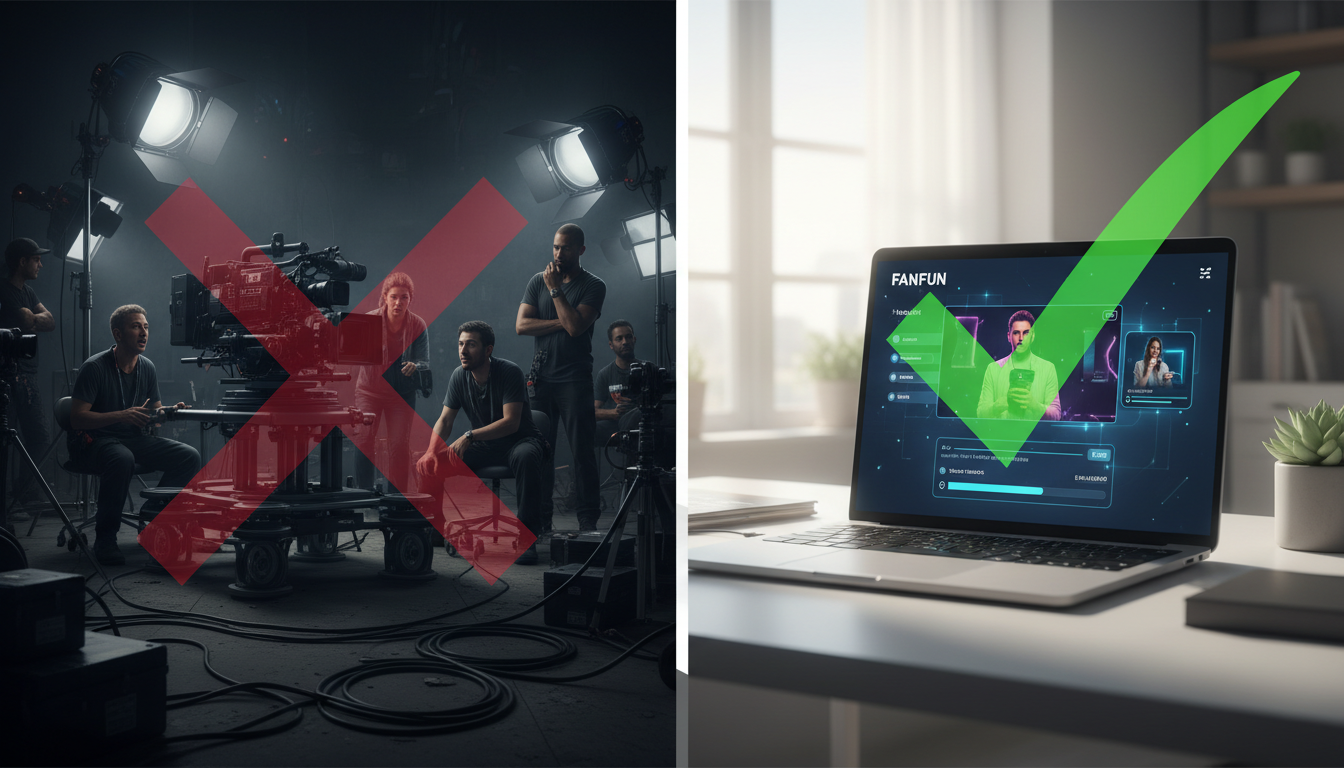
A bootstrapped business trying to acquire customers on social media faces a harsh reality: static images rarely convert, yet traditional video production is priced like a luxury sport. To get a single high-quality promo off the ground, a founder must coordinate scriptwriters, rent a studio, hire on-camera talent, and wait weeks for a polished edit—only to watch the finished asset underperform in a changing market.
To compete with enterprise advertising budgets, small brands must shift from heavy, slow-moving production models to rapid, high-impact creative testing. By leveraging instant AI video generation, agile marketers can bypass traditional creative bottlenecks, deploying custom, character-driven video campaigns in minutes rather than months.
The Production Bottleneck: Why Traditional Video Promos Drain Small Budgets
Traditional video production is built on a legacy framework that favors deep pockets. When you hire an agency or a production crew, you are not just paying for the final file. You are paying for a massive train of overhead: high-end camera packages, lighting setups, sound engineering, studio space rentals, and hours of post-production editing. A simple 30-second product showcase can easily balloon into a $5,000 to $15,000 line item before you have spent a single dollar on ad distribution.
Beyond the direct financial drain, talent acquisition introduces severe operational friction. Sourcing actors, negotiating usage rights, and waiting on busy creator schedules can delay a launch by weeks. If you need to make a simple script revision or pivot your messaging because of a sudden market shift, the entire process resets, incurring additional fees and extending your time-to-market. For a bootstrapped startup, this lack of flexibility is a silent killer.
True competitive advantage in modern digital marketing relies on creative agility. Winning on platforms like TikTok, Meta, and YouTube requires testing multiple creative angles, hooks, and offers to see what resonates with different audience segments. When a brand sinks its entire quarterly creative budget into one or two highly polished, expensive videos, they are gambling their success on a tiny sample size. If those videos fail to convert, the campaign is dead. AI-driven production eliminates this risk by lowering the cost of creative experimentation to near zero, allowing brands to launch dozens of variations to find the true winners.
The New Math of Brand Promos: Traditional vs. AI-Generated Video Assets
To understand the sheer economic shift of modern content creation, brands must evaluate their production options across key operational metrics. The traditional agency route, the influencer outreach model, and instant AI video platforms represent three entirely different approaches to scaling creative assets.
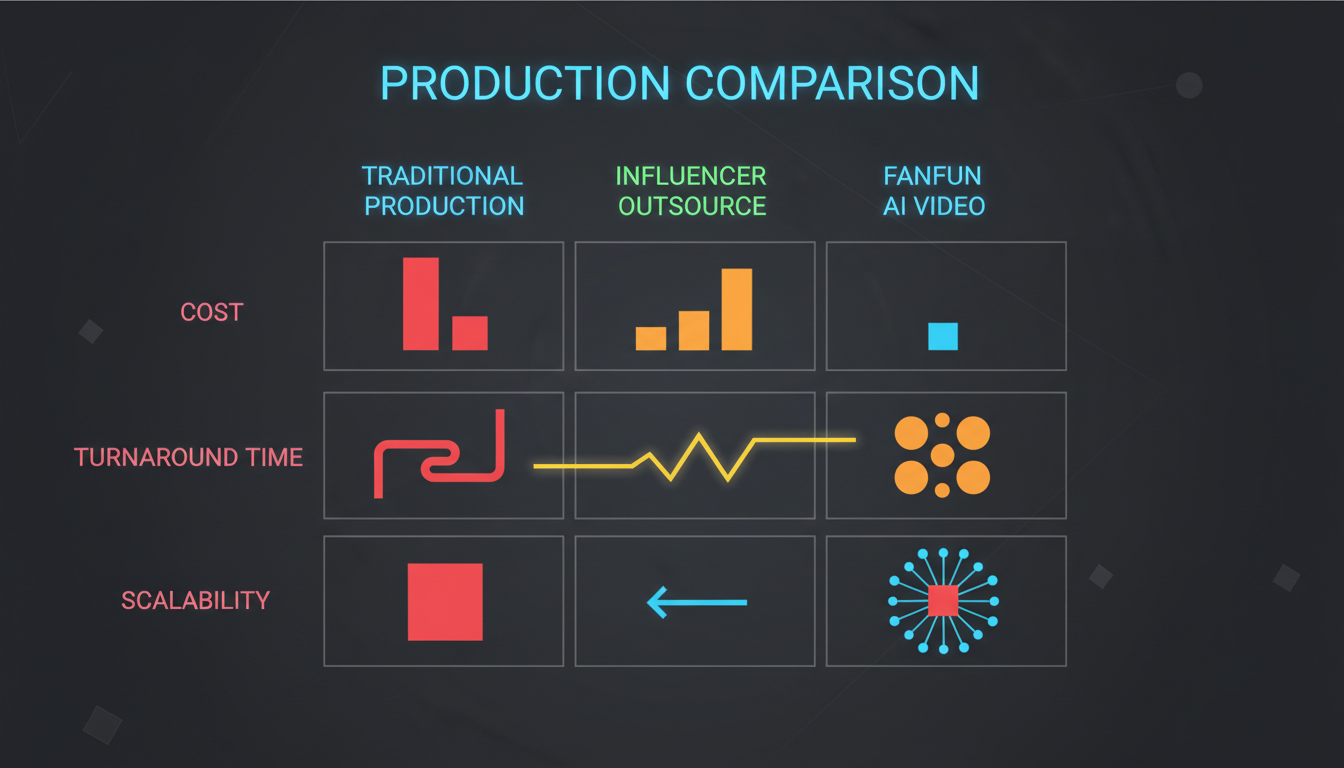
Traditional influencer shoutout platforms have long been used by brands to add recognizable faces to their promos, but they come with severe limitations. Marketers often face long turnaround times, rigid licensing agreements, and zero control over the final performance or delivery of the talent. If you are comparing options, it is worth analyzing how instant AI video generation stacks up against traditional celebrity video platforms in terms of speed, cost, and creative freedom to see where your budget works hardest.
| Production Dimension | Boutique Creative Agency | Traditional Influencer / Shoutout Platforms | Fanfun AI Video Generator |
|---|---|---|---|
| Average Cost per Asset | $3,000 - $10,000+ | $150 - $1,500+ (per video) | Fraction of a dollar |
| Turnaround Time | 2 to 6 weeks | 5 to 10 business days | Under 2 minutes |
| Scalability | Very Low (requires re-shoots) | Low (one-off deliverables) | Infinite (unlimited variations) |
| Creative Control | High (but slow to iterate) | Very Low (subject to creator style) | Complete (direct script input) |
| Licensing Rights | Complex / Often limited time | Highly restricted for ads | Unrestricted for platform use |
When a trending topic or meme takes off on social media, the brand that can launch a highly relevant video promo within hours wins the cultural moment. Waiting weeks for an agency deck or days for an influencer to return a draft makes it impossible to participate in real-time marketing. Platforms like Fanfun allow brands to instantly generate high-quality video messages featuring stylized character interpretations, giving bootstrapped companies the power to move at the speed of internet culture.
Scripting for Maximum Conversion: The Anatomy of an AI-Powered Promo
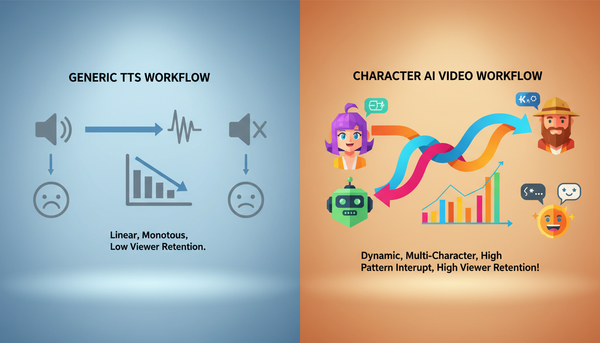
Generating a video quickly is only half the battle; the video must also convert. The psychology of using a recognizable character or an iconic voice completely changes how users interact with their social feeds. Rather than scrolling past a generic founder speaking into a smartphone, a user is instantly stopped by a voice or persona they already know and love. This pattern-interrupt buys you the most valuable currency on the internet: the first three seconds of attention.
To turn that initial attention into measurable conversions, your script must be structured with precision. Before you write a single word, consult our complete guide on scripting high-converting video promos for the AI era to master the nuances of character-driven pacing. Every successful AI promo should follow a strict three-part formula:
- The Pattern-Interrupt Hook (Seconds 0-3): Open with an unexpected statement, direct call-out, or character-specific greeting that shatters the user's passive scrolling state.
- The Character-Aligned Value Prop (Seconds 4-20): Deliver your product's core benefit using the specific humor, tone, or catchphrases associated with the AI persona.
- The Direct Call to Action (Seconds 21-30): State exactly what the viewer needs to do next, backed by a clear incentive like a discount code or a limited-time offer.
To help you launch immediately, here is a highly versatile, copy-and-paste script template designed specifically for character-driven AI promos. This structure works exceptionally well when paired with high-energy or highly authoritative personas in the Fanfun library:
[0:00 - 0:03] Hook: “Stop scrolling! Yes, I’m talking to you. If you’re still struggling with [Target Audience Pain Point], we need to have a serious chat right now.”
[0:04 - 0:12] The Problem: “Most people waste hours trying to solve this using outdated methods that just drain your wallet. It’s painful to watch.”
[0:13 - 0:22] The Solution: “That’s why you need to check out [Your Brand Name]. It handles [Core Benefit 1] and [Core Benefit 2] automatically, so you can actually get back to winning.”
[0:23 - 0:30] Call to Action: “Don’t sleep on this. Head over to [Your Website] right now, use code [Discount Code], and start leveling up today. Go!”
Deep Dive: Structuring Your Video for Different Social Channels
A script is only as good as its channel-specific execution. A video that crushes it on a desktop landing page will often flop on TikTok if the pacing, formatting, and visual cues are not properly optimized for the platform.
Short-Form Social (TikTok, Instagram Reels, YouTube Shorts)
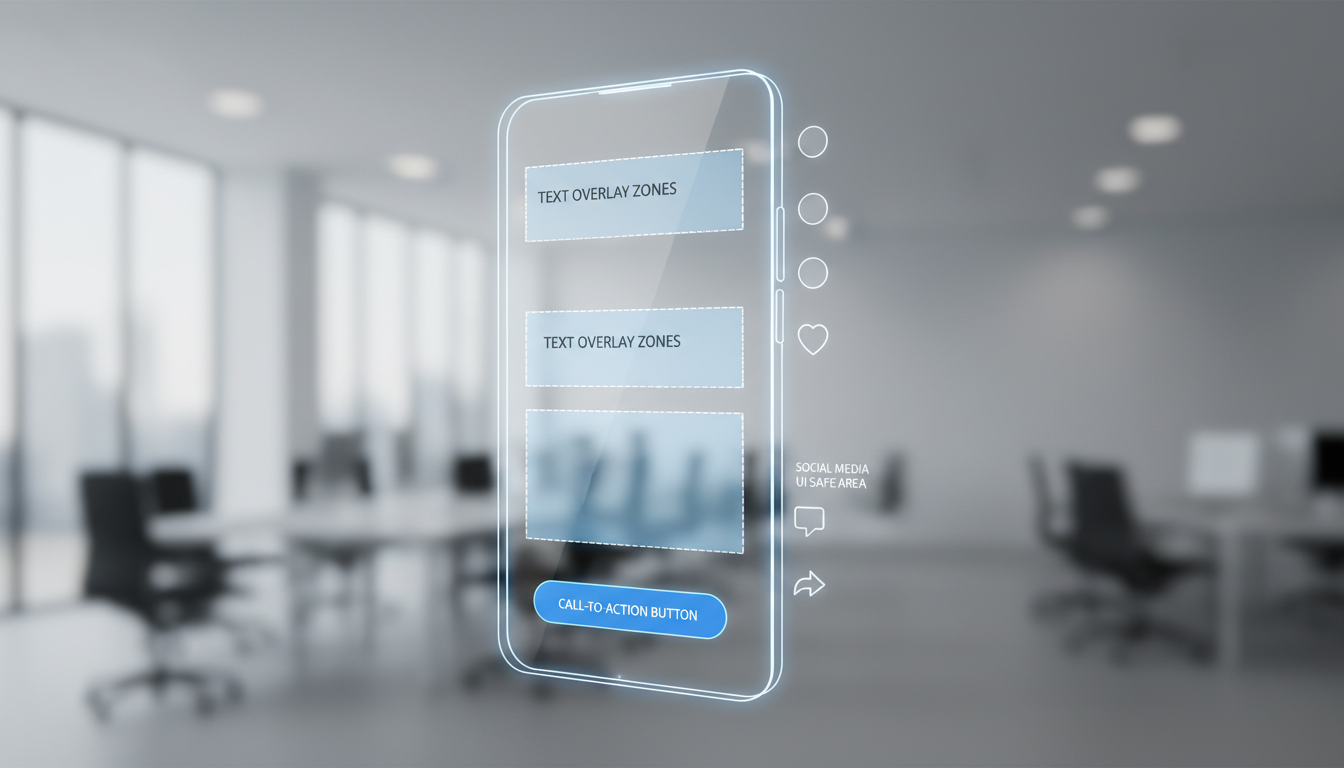
For vertical 9:16 mobile feeds, speed is everything. You cannot afford a slow, cinematic build-up. The AI character voice must deliver the hook in the very first second. Visually, you must design your video around social media "safe zones." Keep your critical on-screen text, captions, and product graphics centered to prevent them from being covered by platform UI elements like the comment section, share buttons, or video descriptions on the right and bottom of the screen.
Because a massive percentage of social media users browse with their sound off, dynamic, high-contrast captions are non-negotiable. Use bold, color-coded text that syncs perfectly with the AI voiceover to reinforce the message visually. Keep the background visuals highly dynamic—use quick cuts, b-roll of your product, or screen recordings of your app in action every 2 to 3 seconds to keep the viewer's eyes engaged while the voiceover does the selling.
Desktop & Landing Page Embeds (YouTube, Website)
When embedding a video promo on a website landing page or running a horizontal 16:9 YouTube ad, you are targeting users who are further down the consideration funnel. While the hook still needs to be engaging, you have more breathing room to showcase product features, present social proof, and build authority. The pacing can be slightly more measured, allowing the AI persona to walk through a step-by-step demonstration of how your product solves the user's problem.
How to Build an Attention-Hijacking Social Campaign
The true power of AI-driven video production lies in the ability to run highly segmented, multi-variant campaigns. In traditional marketing, you are forced to address your entire audience with a single, generic message because producing multiple custom videos is cost-prohibitive. With Fanfun, you can create tailored variations of your promo for different target demographics in a matter of clicks.
For example, if you are selling a productivity app, you can build an ad campaign targeting different buyer personas. You can target gamers by using a high-energy anime hero voice to explain how your app helps them manage their stream schedules. Simultaneously, you can target freelance developers by using an authoritative, tough-love coach persona to tell them to stop procrastinating. If you want to dive deeper into this methodology, read up on structuring personalized video templates designed to stop the scroll and drive conversions.
By leveraging recognizable archetypes and voices, you bypass the typical "cold audience" skepticism. People naturally pay attention to characters they are familiar with, which instantly transfers a level of trust and engagement to your brand. Instead of spending weeks building brand equity from scratch, you harness existing cultural equity to drive immediate clicks and conversions.
The 24-Hour Launch Checklist: Deploying Your First Low-Cost Video Campaign
You do not need an enterprise budget or a month of pre-production planning to launch a high-performing video campaign. Follow this straightforward, step-by-step checklist to get your first AI-powered promo live in less than 24 hours.
- Define Your Campaign Goal: Pinpoint exactly what you want to achieve. Are you running a 48-hour flash sale, driving sign-ups for a free trial, or launching a brand-new product? Establish your core offer and key performance indicators (KPIs) first.
- Choose Your Ideal AI Persona: Browse the extensive Fanfun library to select a character voice that perfectly aligns with your brand’s tone and target audience. Match a high-energy voice to consumer products or gaming gear, or go with an authoritative, clear voice for B2B software and professional services.
- Customize Your Script: Take the conversion-focused script template provided above and fill in your specific product details, pain points, and call to action. Keep the language natural, punchy, and tailored to the speaking style of your chosen character.
- Generate and Review on Fanfun: Input your custom script into the Fanfun platform, choose your character, and generate the video. The generation process takes only minutes. Review the audio pacing and visual flow, make any necessary script adjustments, and download the high-definition asset.
- Deploy and Split Test: Upload your newly generated video to your chosen ad manager or organic social channels. Allocate a modest test budget (e.g., $50 to $100) to run a split test comparing two different character voices or hook variations. Monitor key metrics like click-through rate (CTR), cost-per-click (CPC), and overall conversion rate to identify your winning creative.
How much does it cost to make a professional video promo for a small business?
Traditional video promos created by boutique agencies or professional production crews typically range from $3,000 to over $10,000 per video due to equipment, studio, and editing costs. However, by using AI-powered platforms like Fanfun, small businesses can generate high-quality, character-driven video promos instantly for a fraction of a dollar, eliminating production overhead entirely.
Can I use AI-generated celebrity voices and characters for commercial brand promos?
Yes. Fanfun provides a growing library of licensed and original AI personas, including stylized character interpretations, specifically designed for creators, marketers, and brands to use in social media promos, memes, and digital ad campaigns. It is a highly scalable, legally compliant alternative to traditional celebrity bookings.
What is the best video length for a social media product ad?
For social media platforms like TikTok, Instagram Reels, and YouTube Shorts, the sweet spot for a promotional video is between 15 and 30 seconds. The first 3 seconds must contain a powerful pattern-interrupt hook to capture attention, followed by a quick value proposition and a direct call to action before the viewer scrolls away.
How do I make a video promo if I don't want to show my face or use my own voice?
AI video generators are the perfect solution for faceless brand marketing. By using Fanfun, you simply write your promotional script, choose from a diverse library of iconic AI characters and voices, and let the platform generate a complete, high-impact video asset for you. You get professional-grade voiceovers and character engagement without ever having to step in front of a camera or microphone.