The Booger Effect: Why Iconic Character Voices Define Cult Comedy
Curtis Armstrong’s 'Booger' performance set the gold standard for the nerd-cool archetype. We explore why vocal delivery remains the secret weapon for modern content creators.
In the landscape of 80s cinema, few characters managed to shift from a background sidekick to the undeniable heart of a franchise like Booger from Revenge of the Nerds. Curtis Armstrong’s performance wasn't just about the script; it was a masterclass in vocal idiosyncratic delivery. By utilizing a specific, nasally cadence and a cynical, rapid-fire pacing, Armstrong transformed a trope into a cultural touchstone. This is the 'Booger Effect'—the moment a performer stops reciting lines and starts embodying a distinct, instantly recognizable persona. For content creators today, this phenomenon is more relevant than ever. Whether you are building a persona for TikTok or a character for a scripted web series, the ability to anchor your brand in a unique vocal archetype is the difference between being ignored and becoming a cult favorite.
The Anatomy of a Cult Classic Performance
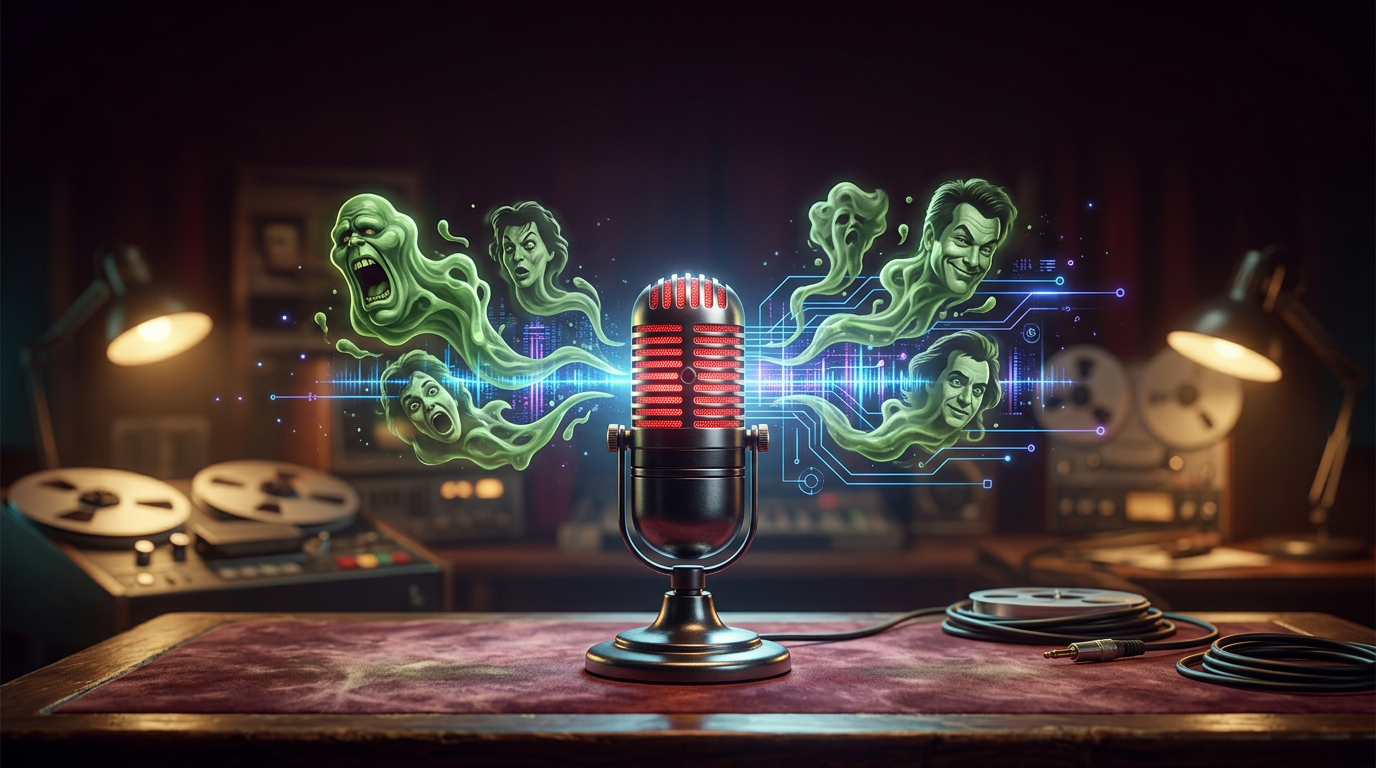
The transition from 'sidekick' to 'scene-stealer' is defined by vocal texture. In comedy, audiences don't just remember what a character says; they remember how the words land. These idiosyncratic speech patterns act as a sonic signature, allowing a character to be identified within a single syllable. This is the blueprint for modern digital storytelling: creating a character so distinct that their presence is felt before they even finish a sentence. When we look at the most enduring characters in pop culture, we are essentially analyzing a set of consistent variables. Is the pitch high and frantic? Is the pace slow and deliberate? Does the personality lean toward the abrasive or the endearing? These choices are what make a character 'sticky.' In the past, achieving this level of consistency required a singular actor’s specific talent. Today, technology allows creators to replicate and iterate on these archetypes, ensuring that the 'voice' of a project remains consistent across every piece of content produced.
Beyond the Script: Why Voice Matters More Than Ever
We live in an era where the barrier between creator and audience has evaporated. In traditional media, a character's voice was fixed to the actor’s schedule and availability. Today, the demand for instant, interactive content has changed the rules. Creators are no longer looking for static performances; they are looking for scalable, interactive personas that can inhabit multiple contexts—from social media promos to fan-driven dialogue. The difference between a generic voice and an iconic personality lies in the intentionality of the performance. When a voice has character—when it carries the weight of a specific attitude or history—it becomes a brand asset. Modern audiences are increasingly drawn to interactive AI personas that feel like they have a life of their own. This is where the Fanfun approach becomes essential: instead of waiting for a high-cost celebrity cameo, creators can leverage AI to generate character-driven content that maintains the spirit and inflection of their favorite archetypes in minutes. By using platforms like Fanfun, you aren't just generating audio; you are tapping into a library of personas that can be deployed for roasts, birthday wishes, or brand promos at a scale that was previously impossible.
Building Your Own Character Archetype
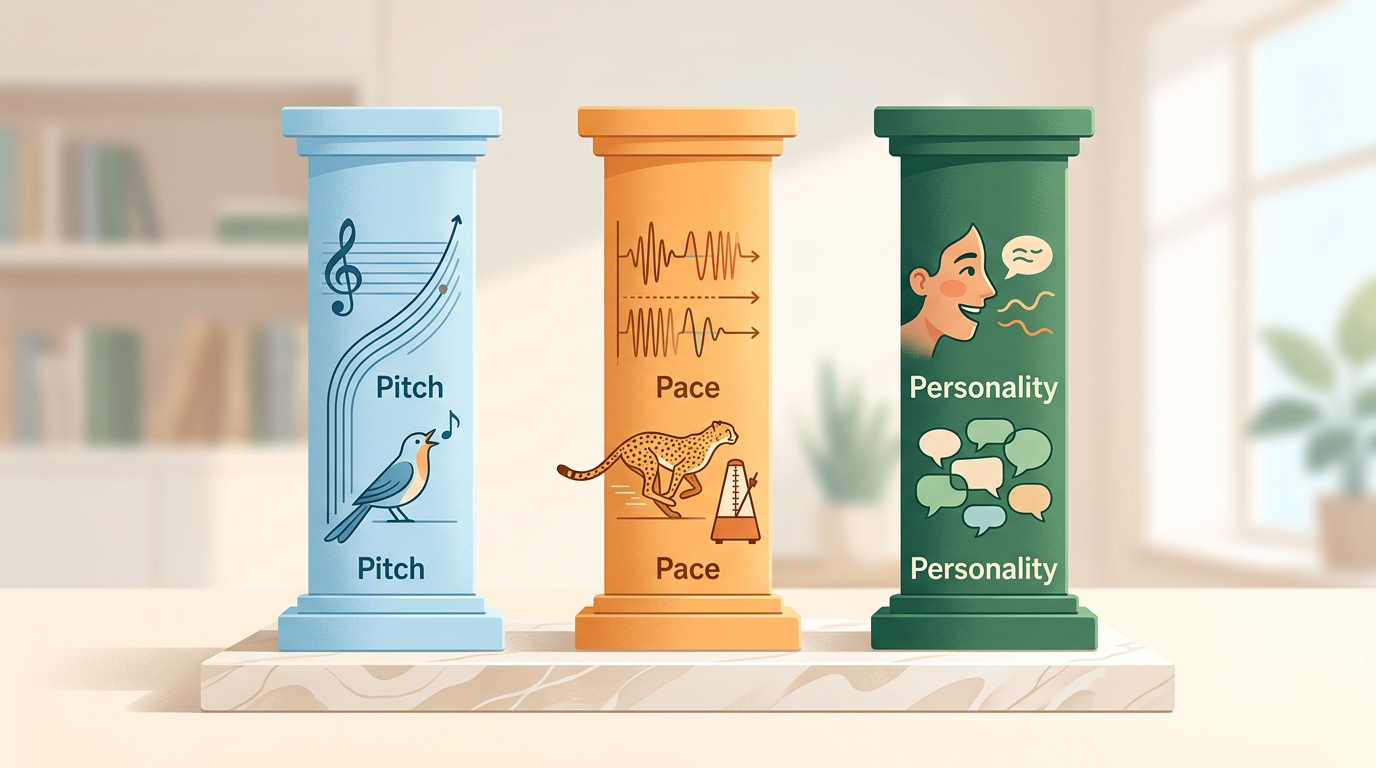
To build a character that sticks, you need to master the three pillars of an iconic voice: Pitch, Pace, and Personality. Pitch dictates the character's presence, Pace dictates their energy, and Personality is the unique 'flavor'—the sarcasm, the warmth, or the intensity that makes them feel human. When experimenting with these traits, it helps to look at the extremes of the spectrum. Compare the high-octane, booming intensity of a sports icon like Shaq, whose vocal delivery carries a natural, larger-than-life weight, against the manic, high-pitched, and lovable quirkiness of Spongebob Squarepants. Both are instantly recognizable because they never deviate from their established archetype. By using Dwayne Johnson AI as a benchmark for confidence-heavy delivery, or exploring the nuance of The Rock Dwayne Johnson, you can begin to see how different vocal patterns serve different storytelling needs. A successful character archetype is consistent; it provides the audience with a reliable experience, whether that is the sharp wit of a nerd-cool lead or the unwavering energy of an action hero.
The Creator’s Framework for Character Development
- Identify the Core Trait: Is your character cynical, energetic, stoic, or chaotic? Define this early to guide your AI prompt engineering.
- Define the Cadence: Does the character speak in short, clipped bursts or long, winding monologues? This rhythm is often more important than the actual words.
- Test the Interaction: Use AI to iterate on different vocal styles to see which resonates most with your audience before finalizing your brand voice.
- Consistency is Key: Ensure your chosen archetype maintains the same 'vocal signature' across every platform, from YouTube shorts to interactive chat sessions.
The Technical Shift: From Passive to Active Fandom
The days of waiting months for a celebrity cameo to fulfill a fan request are fading. The shift toward instant engagement via AI voice generators has democratized the ability to create high-quality, character-driven content. Fans and creators no longer need to rely on the limited availability of human actors to inject personality into their projects. Instead, they can tap into a library of personas that are ready to perform on command. Whether you are looking to emulate the gravitas of a sports legend like Kobe Bean Bryant or the timeless appeal of iconic figures like Mickey Mouse, the technology now exists to bridge the gap between inspiration and execution. This isn't just about convenience; it's about creative freedom. Whether you are dubbing a fan project, creating a personalized birthday message, or testing a script for a new series, the ability to generate a voice that carries the emotional weight of an 80s comedy icon or a modern superstar allows for a level of experimentation that was previously impossible. By removing the friction of scheduling, you allow the creative process to move at the speed of thought.
The Future of Fandom: Interactive Personas
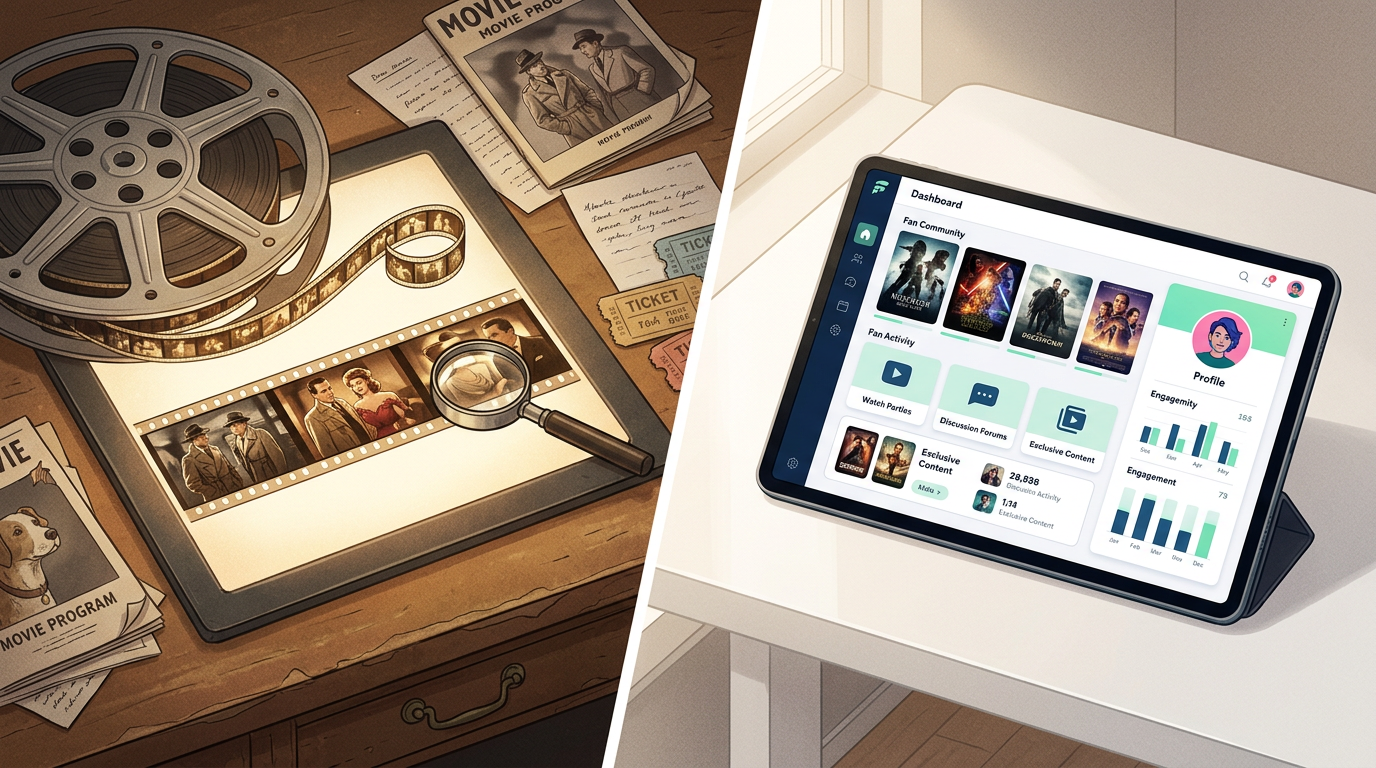
Fandom has evolved from passive consumption—watching a movie or putting up a poster—to active, real-time participation. The next generation of content creation is built on dialogue, not monologue. By using AI to facilitate two-way interactions, creators can build deeper relationships with their communities. The goal is to create a digital experience that feels as authentic and sticky as the characters that defined our childhoods. Personality-driven AI is the ultimate tool for this transition, turning every fan interaction into a moment of genuine storytelling that keeps the audience coming back for more. In this new paradigm, the 'Booger Effect' is no longer a happy accident of casting; it is a deliberate, scalable choice that any creator can make to ensure their content leaves a lasting impression.
What makes Curtis Armstrong's voice so recognizable?
Curtis Armstrong's voice is defined by a unique combination of nasally resonance, rapid-fire pacing, and a specific cynical inflection that perfectly captures the 'nerd-cool' archetype.
Can I use AI to create a character voice similar to Booger?
Yes, by identifying the core vocal traits—pitch, pace, and personality—you can use AI tools to iterate and refine a character voice that captures that same comedic energy for your own projects.
How do AI voice generators change the way fans interact with celebrities?
AI voice generators provide an instant, scalable way to engage with iconic personas, removing the wait times and costs associated with traditional celebrity cameos and allowing for interactive, real-time storytelling.
Why are iconic character archetypes important for content creators?
Iconic archetypes provide an instant shorthand for your audience, making your content more memorable and helping you build a consistent brand identity that stands out in a crowded digital landscape.