Beyond the Parrot: Why Modern Content Creators Need More Than Just Voice Mimicry
Voice is only the medium, not the message. Discover why character-driven AI is the key to elevating your content from static mimicry to engaging storytelling.

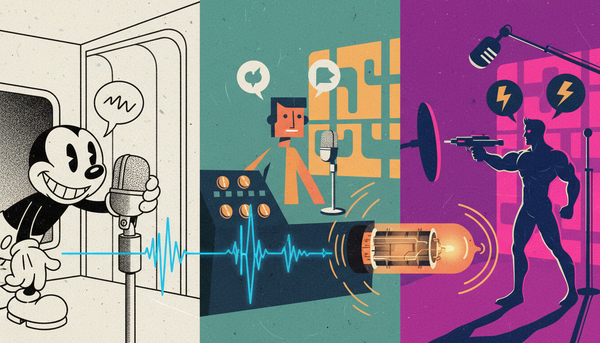
In the rapidly evolving creator economy, the allure of simple voice-cloning tools is understandable. You type a prompt, a slider adjusts the pitch, and suddenly a digital file sounds remarkably like a famous actor or a beloved cartoon character. However, there is a fundamental gap between a voice that sounds technically correct and a character that feels authentic. Basic mimicry tools often fall into the 'uncanny valley' of audio; they produce the right frequencies but lack the cadence, breathiness, and emotional weight that give a performance its soul.
When you rely solely on generic voice generators, you are essentially treating a personality as a static instrument. Content creation is rarely about the sound wave itself—it is about the context. A voice without the specific mannerisms, vocabulary, and cultural history of the original character will inevitably feel flat to your audience. If the delivery doesn't match the expectation set by the character's persona, the audience disconnects. They aren't hearing a performance; they are hearing a simulation that lacks intent.
The Limitation of 'Just the Voice'
The technical achievement of cloning a voice is impressive, but it is ultimately a commodity. Anyone can generate a generic clip of a celebrity saying a mundane sentence, but that content rarely goes viral or builds community. True engagement comes from 'character resonance.' When an audience hears a voice they recognize, they immediately attach a set of expectations to it. If the AI voice says something out of character or lacks the signature energy of the persona, the illusion breaks instantly.
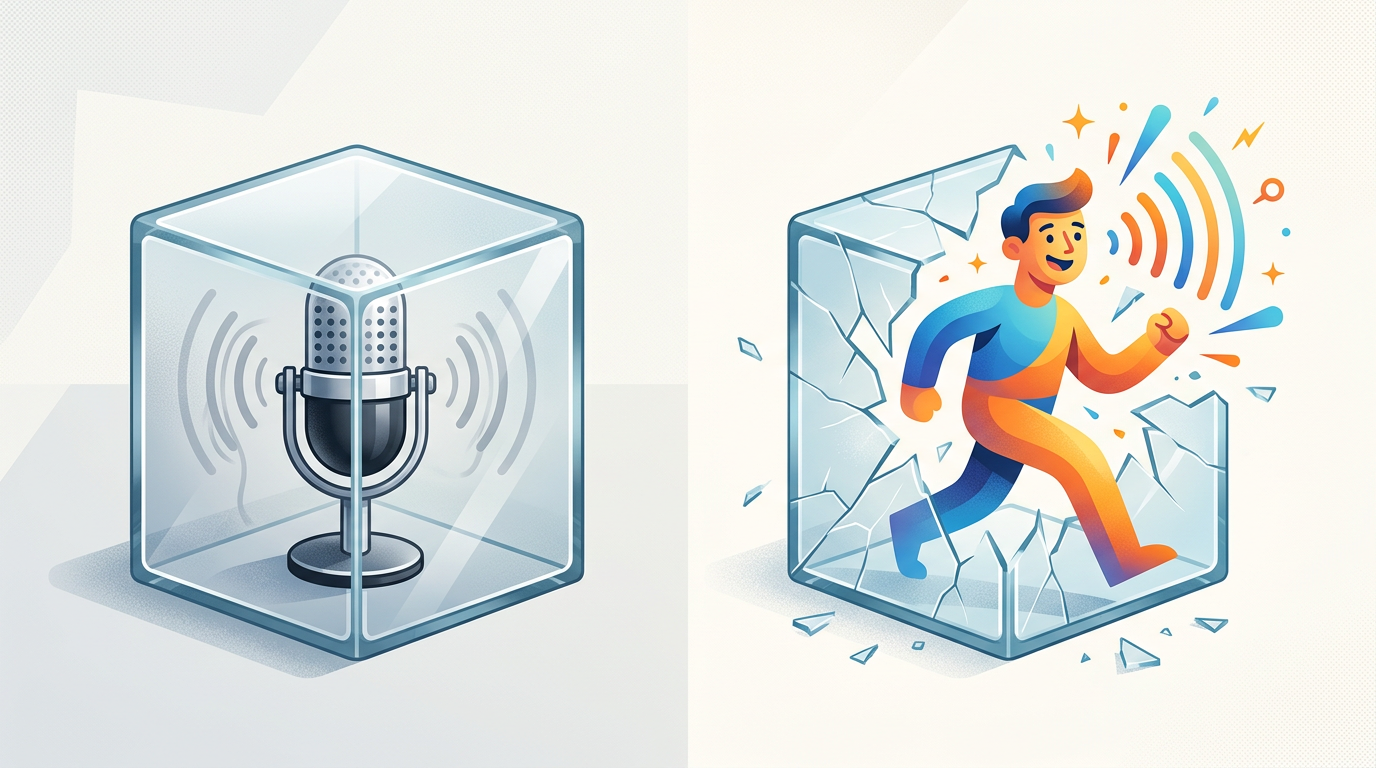
This is where many creators stumble. They focus on the 'how'—how to get the voice to sound right—rather than the 'who.' A character is a collection of traits, history, and emotional triggers. To create content that actually lands, you need an AI that understands the difference between a neutral reading and a performance. You need the swagger of a legend or the specific, infectious laugh of an icon, not just a flat, synthesized approximation.
Why Contextual Intelligence Matters
Contextual intelligence in AI means the system understands the 'why' behind the words. If you are creating a birthday message or a roast, the AI should know how to lean into the persona's typical bravado or humor. This is why platforms like Fanfun prioritize character-aware AI over simple audio cloning. By grounding the AI in the specific lore and personality of a character, the output becomes a creative partner rather than just a text-to-speech engine. When you use a tool that understands the nuance of the character, you spend less time editing the audio and more time refining the creative concept.
From Mimicry to Persona: The Evolution of AI Performance
Great content requires a persona, not just a sound wave. When you look at how icons like Spongebob Squarepants resonate with fans, it isn't just because of the high-pitched tone; it is the optimism, the specific laugh, and the way the character interacts with the world. The Fanfun approach differs from simple audio tools by focusing on the character's unique identity, ensuring that the AI output carries the weight and nuance of the original source.
Interactive, character-aware AI represents the next stage of this evolution. Instead of a one-way voice-over that you have to manually edit to sound 'right,' a deep-persona platform understands the character's history. It allows for a dynamic exchange where the AI responds in character, maintaining the illusion of a living, breathing icon. This is the difference between a static audio file and a creative partner that actually understands the role it is playing.
The Anatomy of a High-Engagement Asset
To truly understand why mimicry fails, consider the 'audience contract.' When a fan clicks on a video featuring a recognizable icon, they are signing an implicit contract for a specific experience. If that experience is delivered with the wrong emotional inflection, the contract is broken. High-engagement assets require three pillars: rhythm (the pacing of speech), lexicon (the specific vocabulary the character uses), and intent (the goal of the interaction). Most voice cloners treat these as secondary, focusing only on the spectral signature of the voice. By contrast, a robust AI platform treats these as primary data points, ensuring the output feels like a natural extension of the character’s established canon.
Evaluating Your Toolset: A Creator's Checklist
Before committing to a workflow, you need to audit your requirements. Are you making a quick, disposable meme, or are you building a narrative that requires audience investment? Use this checklist to decide if your current toolset is holding you back:
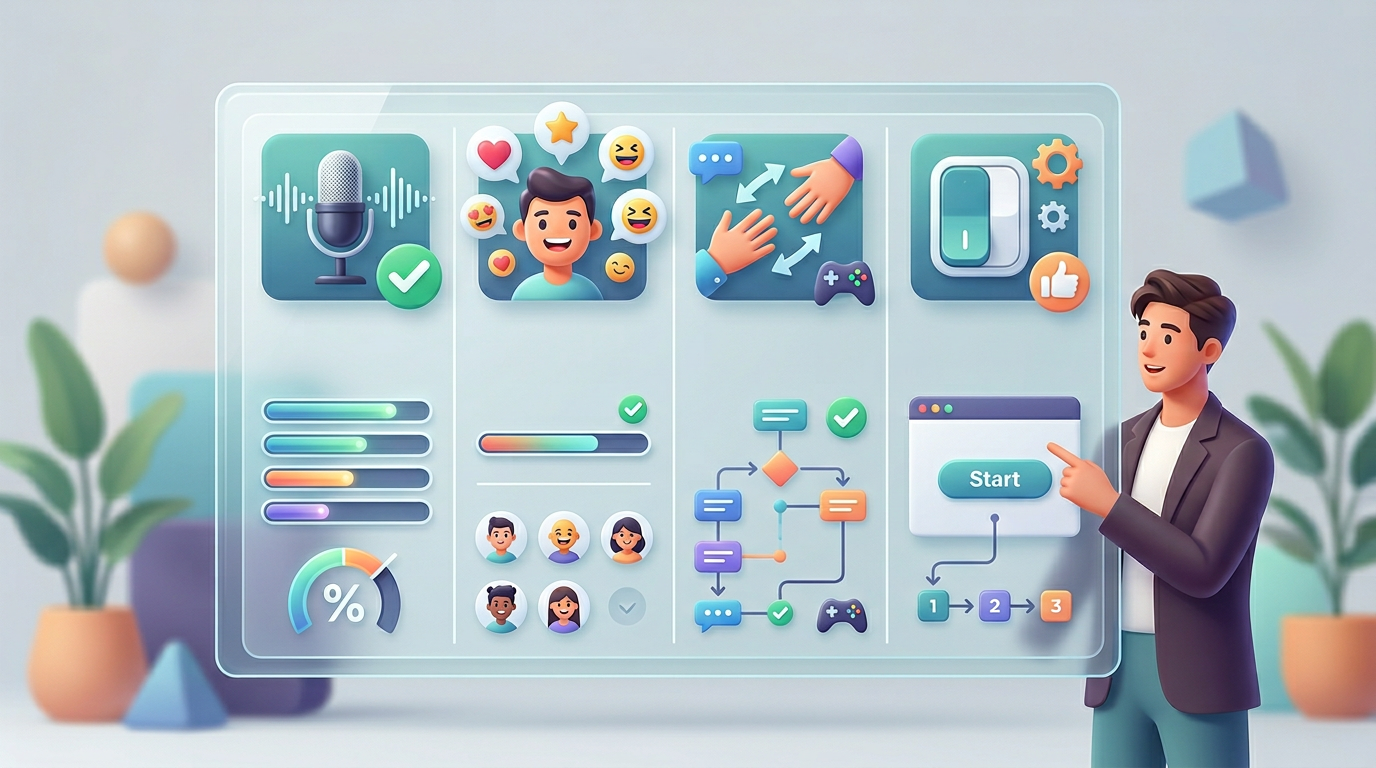
- Character History: Does the AI understand the character’s lore, catchphrases, and personality?
- Interactivity: Can the AI adapt to user input in real-time, or is it strictly text-to-speech?
- Nuance Control: Can you adjust for emotional variance, or is the output a flat, singular tone?
- Cultural Weight: Does the AI capture the 'vibe' that makes the character recognizable to fans?
The following table helps differentiate between basic cloning and full-scale character platforms:
| Feature | Simple Voice Cloner | Fanfun Character AI |
|---|---|---|
| Audio Accuracy | High | High |
| Personality/Lore | None | Context-Aware |
| Interactivity | No | Two-Way Conversations |
| Creative Depth | Low | High |
When You Need a Legend, Not Just a Sound
The most successful content creators understand that established archetypes carry a 'cultural weight' that generic clones cannot replicate. When you use a high-fidelity persona like the Dwayne Johnson Ai, you are tapping into a specific, globally recognized energy. A promo video featuring that level of presence does more than just inform; it commands attention and drives engagement because the audience already has a relationship with the archetype.
Similarly, leveraging the Shaq persona provides an instant benchmark for presence. By utilizing platforms that have already done the heavy lifting of character training, you move past the 'technical' setup phase and get straight to the creative work. You aren't just cloning a voice; you are deploying a character that already knows how to captivate an audience. For those looking to capture the spirit of greatness, exploring the Kobe Bean Bryant persona offers a way to honor that legacy through high-quality, character-driven content.
Scaling Your Creative Output Without Sacrificing Quality
The biggest bottleneck for creators is the time-to-production ratio. If you are manually patching together voice clips, you are losing the ability to iterate. Modern AI platforms enable a high-velocity workflow where the character's voice and personality are baked into the tool. This means you can generate dozens of variations of a script, A/B test your hooks, and deploy content across platforms in minutes rather than hours. The goal is to move from 'manual editing' to 'creative directing.' You provide the spark, the persona provides the execution, and the audience gets a polished, resonant piece of content that feels like a professional production.
The Future of Fandom is Interactive
The days of passive, one-way content consumption are fading. Modern fans want to participate. By moving away from simple voice-cloning utilities and toward interactive platforms like Fanfun, creators can foster genuine engagement. Whether it is generating custom birthday wishes that feel truly personal, or building interactive narratives that invite audience participation, the future belongs to those who treat AI as a collaborator rather than a static tool. Don't just mimic the sound—capture the spirit of the character. Whether you are inspired by the charm of Sydney Sweeney or the timeless appeal of Mickey Mouse, the goal is to create an experience that feels authentic, memorable, and uniquely yours.