Beyond the Mimic: Why 'AI Parroting' is the Wrong Way to Use Celebrity Tech
Viral soundbites are fading, but character-driven storytelling is just getting started. Here is how to move past simple mimicry to create AI content that truly connects.
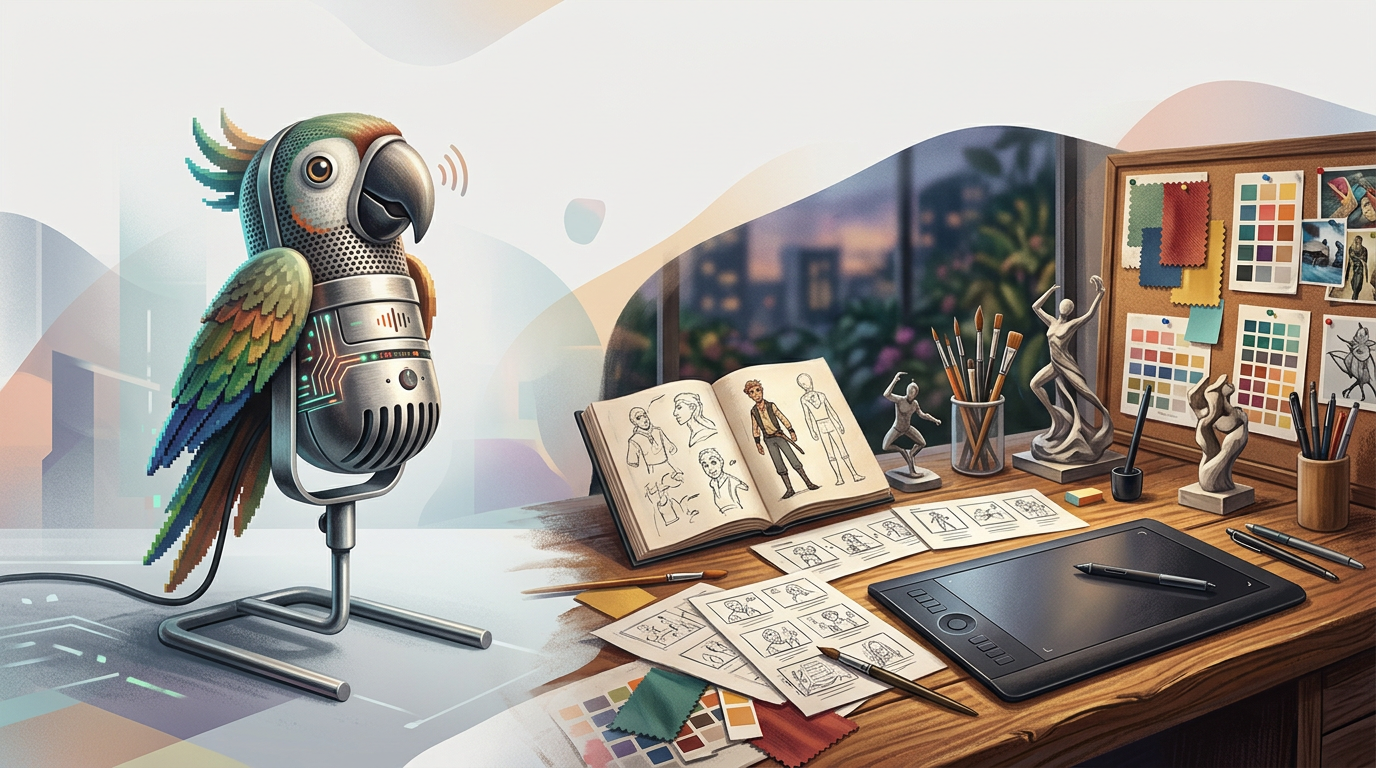
The internet is currently flooded with low-effort AI content: creators simply feeding famous movie lines into voice generators to see if they can trick an audience for three seconds. This 'parroting' strategy is a dead-end. While it might trigger a quick recognition spike, it creates immediate audience fatigue. Once the novelty of hearing a familiar voice repeat a tired meme wears off, the engagement drops to zero because there is no substance holding the listener’s attention.
We are entering an era where the novelty of AI is no longer enough to sustain a platform. Creators who rely on cheap tricks are finding their reach plateauing as audiences grow more sophisticated. To build a lasting connection, you must stop treating AI as a shortcut for recognition and start treating it as a medium for genuine storytelling. At Fanfun, we see a clear distinction between mimicry and character embodiment. Mimicry is surface-level; it is about the sound. Embodiment is about the persona’s logic, cadence, and unique worldview. When you move beyond the echo, you stop acting like a soundboard and start acting like a director.
The Trap of the Digital Echo
The 'parroting' trap often stems from a misunderstanding of what makes a character compelling. Audiences don't follow a voice because of the vocal frequency; they follow it for the personality traits, the catchphrases, and the specific emotional resonance that the character represents. When you use the The Rock Dwayne Johnson persona, for instance, the value doesn't come from a generic line from a blockbuster film. The value comes from the persona's inherent intensity, motivation, and charisma. If you use that persona to deliver a generic line, you lose that value. If you use it to craft a unique, high-stakes motivational speech tailored to your specific audience, you create something proprietary and memorable.
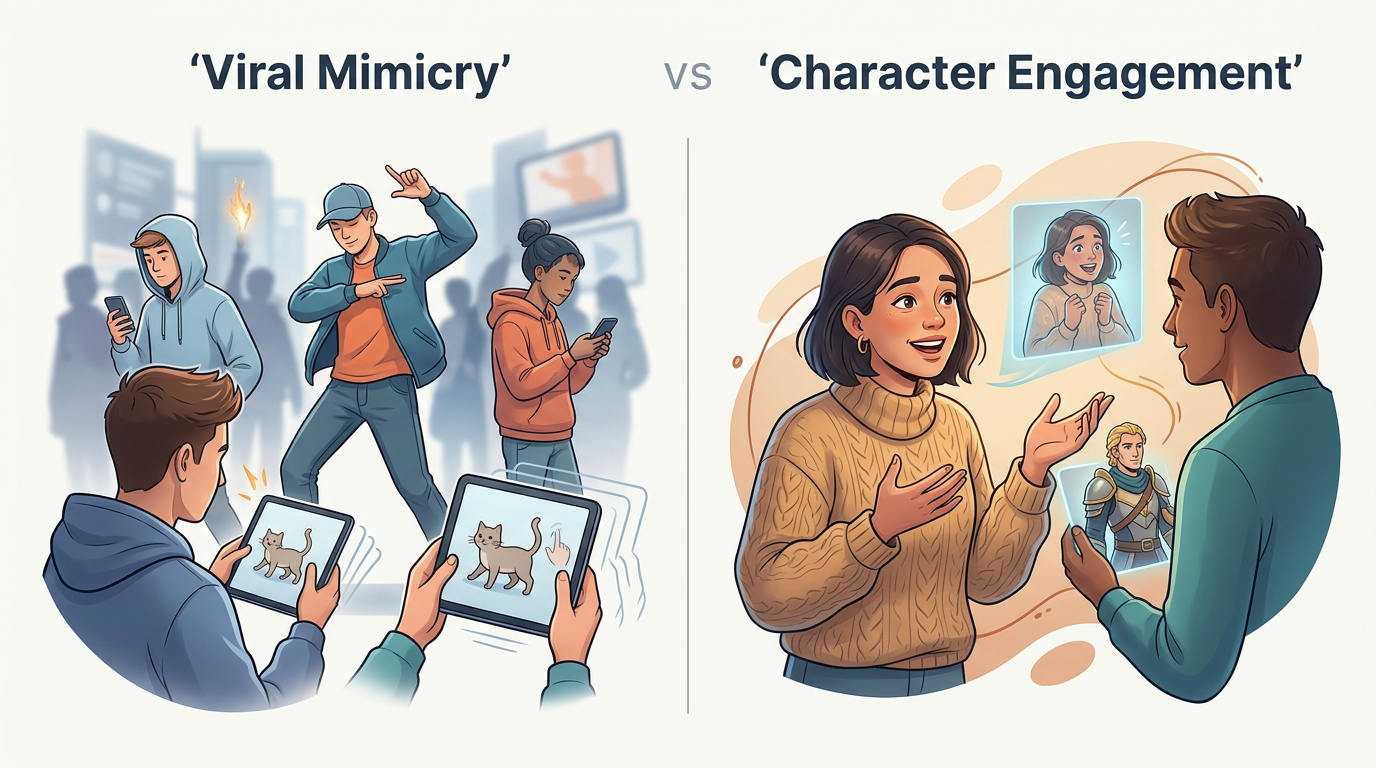
The goal isn't to replicate what a celebrity has already said, but to invent what they would say in a new, original situation. This shift from passive imitation to active storytelling is what defines the next generation of content creators. Consider the difference between a clip of a line you’ve heard a dozen times and a custom, interactive message that addresses your follower’s specific struggle. The latter builds a bridge; the former just makes noise.
From Soundbites to Storytelling
To move from soundbites to actual storytelling, you need a framework that prioritizes context. A generic roast or a random catchphrase has no stakes. A birthday wish, a pep talk, or a fictional scenario where a character solves a problem for your audience provides value that a simple clip cannot offer. By utilizing the Dwayne Johnson AI, you gain an engine for authentic-feeling motivational content. Instead of having the AI recite a famous action movie line, script a scenario where the persona gives advice on overcoming a specific creative block or fitness challenge. By grounding the AI in a specific, helpful context, you turn a gimmick into a utility.
The shift to storytelling requires you to treat your AI persona as a character in your narrative. This means considering their motivations. What does this character want? What is their relationship to the audience? When you use Ai Kylie Jenner, for example, consider the aesthetic and tone that the persona brings to your content. Is it a high-fashion commentary? Is it a lifestyle tip? By aligning the character's inherent 'vibe' with the content's goal, you create a cohesive experience that feels intentional rather than accidental. Context transforms a static file into a moment of connection. When you design content, ask yourself: Does this require this specific persona to work? If the answer is no, you are just parroting. If the answer is yes—because that persona brings a specific authority, humor, or warmth that no other voice could—then you have successfully moved into character-driven storytelling.
Choosing Your AI Persona: A Practical Framework
Selecting the right persona is a strategic decision. You shouldn't pick a character just because they are famous; you pick them because their archetype aligns with your content goals. A high-energy sports star serves a different purpose than a nostalgic cartoon character.
| Persona Type | Best Use Case | Engagement Style |
|---|---|---|
| Sports Legend (e.g., Shaq) | Motivations, roasts, high-energy promos | Authoritative, punchy, direct |
| Classic Icon (e.g., Spongebob Squarepants) | Humor, lighthearted memes, kid-friendly content | Playful, eccentric, nostalgic |
| Cultural Icon (e.g., Mickey Mouse) | Storytelling, brand messaging, educational | Whimsical, warm, iconic |
The importance of 'character fit' cannot be overstated. If you are creating a tutorial, you need a persona that exudes credibility or educational charm. If you are building a comedy sketch, you need a character with a distinct, recognizable rhythm. Understanding these archetypes allows you to build a cohesive brand identity rather than a chaotic stream of random celebrity voices. When you choose a persona, think about the 'emotional return' for your viewer. Are they laughing? Are they inspired? Are they learning something? If the persona doesn't contribute to one of these outcomes, it is likely just noise.
Interactive vs. Passive: The New Frontier
Static video clips are increasingly becoming obsolete. In a world of infinite content, passive consumption is being replaced by two-way interactive experiences. This is where AI technology truly shines, moving from a broadcast model to a conversational one. By utilizing interactive AI chat, you allow your audience to engage with your content on their own terms. Imagine creating a space where a user can ask a persona questions or receive a personalized response. Whether it is an educational interaction with a cartoon character or an interactive Q&A with a cultural icon, the barrier between the creator and the audience dissolves.
This is not just about watching; it is about participating. When you build with interaction in mind, you increase retention and build a deeper sense of community around your content. Instead of just sending a video, you are creating a conversation. This is the ultimate goal of using AI in content creation: to bridge the gap between the creator's vision and the audience's desire for participation. The best creators aren't just using these tools to save time; they are using them to expand the scope of what is possible in a one-on-one fan interaction.
Building Your Toolkit
Start by identifying your core message before you even touch the technology. Who is your audience, and what do they gain from this interaction? Once you have your message, select the persona that adds the most weight to your story. Finally, always test the interaction. Does the AI's tone match the emotional weight of your script? If not, adjust the framing of the prompt until the output feels authentic to the character you have chosen. By following these steps, you move from being a mimic to being a creator with a distinct, high-impact voice that stands out in a crowded digital landscape. The future of content isn't about how well you can imitate the past; it's about how effectively you can use these tools to build the future of your own creative brand.
Is AI voice cloning considered copyright infringement?
AI voice technology is a rapidly evolving field. At Fanfun, we prioritize ethical use and licensed personas to ensure that creators have a safe and professional environment to build their content without infringing on rights.
How do I make my AI content sound more original?
Avoid repeating famous lines or viral clips. Instead, write original scripts that place the AI persona in new, unique scenarios. Focus on storytelling, humor, or utility rather than just relying on the recognition of the voice.
What is the difference between a voice generator and an AI persona?
A voice generator is simply a tool for text-to-speech. An AI persona, like those found on Fanfun, includes the voice, the personality, the cultural context, and the interactive capabilities that make the character feel 'alive' and usable for complex content.
Can I use AI voices for commercial brand promos?
Yes, but always ensure you are using a platform that provides the appropriate licensing and rights for commercial use. Fanfun is designed to help creators and brands scale their content production efficiently and safely.