The Architecture of Influence: Why Iconic Voices Define Modern Digital Storytelling
In the digital age, some voices act as cathedrals of sound—structures of authority that command immediate attention. Here is how creators can harness that same gravitas through AI.

The Resonance of the Iconic Voice
Sound is the invisible architecture of the internet. Just as a physical cathedral uses height and stone to induce awe, certain voices carry a weight that signals importance, history, and reliability to the listener. When a creator chooses a voice for their content, they aren't just selecting a tone; they are selecting a vessel for their message. Generic voiceovers often fade into the background noise of infinite scrolling, but voices with established cultural gravitas act as a hook, pulling the audience into a specific mental space.
The difference between a standard AI narration and a persona that commands attention lies in the listener's subconscious recognition of that voice's history. When you hear a voice associated with greatness, your brain shifts to a receptive mode. Fanfun allows modern creators to borrow that 'cathedral' effect, integrating high-impact, recognizable archetypes into their storytelling to ensure their content doesn't just exist, but resonates.
In a landscape saturated with AI-generated content, the differentiator is no longer just the ability to produce, but the ability to contextualize. An iconic voice acts as a shortcut to trust. When a user hears a cadence they recognize, they are more likely to pause, listen, and engage. This is the new baseline for digital influence: using the familiarity of legends to ground your unique creative vision.
Scaling Gravitas: Beyond the Traditional Studio
Historically, the barrier to entry for high-impact voice work was insurmountable for most independent creators. Securing a recognizable voice meant navigating complex talent agencies, massive budget requirements, and long production timelines. The traditional 'Cameo' model, while revolutionary for personalized gifts, still relied on the availability and schedule of real-world celebrities. This friction often meant that the best voices were reserved for high-budget commercial campaigns, leaving the independent creator space to settle for one-size-fits-all stock narration.
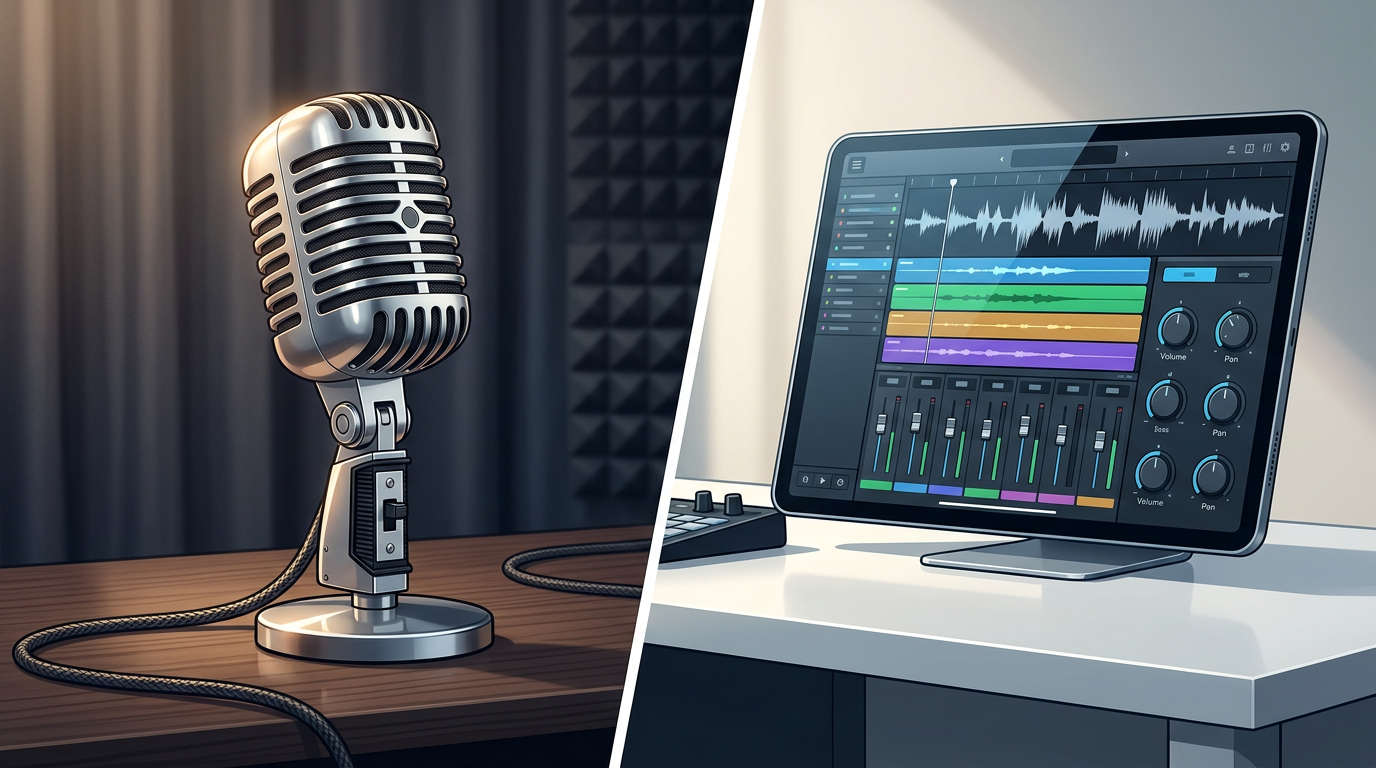
Fanfun changes this dynamic by moving from a booking model to an instant creation model. Imagine you are building a brand promo and need the energy of a global superstar to anchor your message. Instead of waiting weeks for a brief clip, you can use the AI voice of someone like Shaq to provide that immediate, larger-than-life presence. This shift enables creators to iterate on their content in minutes, testing different personas to see what drives the highest engagement without the logistical overhead of a traditional studio.
Consider the impact on social media growth. A creator producing a retrospective on basketball history can instantly pivot to the authoritative tone of Kobe Bean Bryant, adding an emotional weight that no generic text-to-speech engine could replicate. By utilizing these tools, creators are no longer constrained by their own vocal range or their production budget. They are empowered to build a multi-dimensional content ecosystem where the voice is as curated as the visuals.
Strategic Mapping: Matching Persona to Purpose
Not every voice suits every project. Effective digital architecture requires a clear understanding of the 'audio mood' you are trying to cultivate. When selecting a persona, consider the following matrix to ensure your voice choice aligns with your content goals:
| Content Goal | Persona Archetype | Example Use Case |
|---|---|---|
| Authority & Power | Sports Legends | Motivational content, high-stakes brand promos |
| Whimsy & Nostalgia | Classic Animation | Short-form comedy, educational content for kids |
| Modern Relatability | Pop Culture Icons | Lifestyle vlogs, social media commentary |
| Professional Trust | Mainstream Talent | Tech reviews, storytelling narrations |
By mapping your content goal to the right persona, you avoid the 'uncanny valley' of mismatched audio. For instance, using a Dwayne Johnson AI provides a specific, high-intensity energy that works perfectly for a fitness challenge or a high-impact trailer, whereas the whimsical nature of Spongebob Squarepants is better suited for lighthearted, meme-driven content that relies on audience nostalgia.
The Creator's Toolkit: Choosing the Right Persona
Selecting the right AI voice is a strategic decision that should be based on your content’s core goal. Is your objective to educate, to entertain, or to build brand trust? Each category of persona serves a different architectural function in your storytelling. When you approach your content calendar, think of your voice selection as a casting director would—what does this specific persona bring to the table that others cannot?

Beyond the icons of pop culture, consider the versatility of your brand's voice. A tech review might benefit from the crisp, professional delivery of a modern star like Sydney Sweeney, while a family-friendly educational channel might find the most success with the warmth associated with Mickey Mouse. The goal is to create a consistent 'audio brand' that your audience recognizes across platforms. By leveraging Fanfun, you turn the production process into a playground of creative possibilities, allowing you to swap voices in and out to see what best resonates with your specific niche.
From Interaction to Immersion
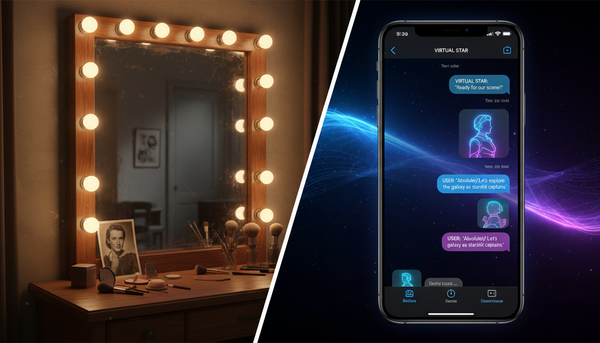
Static video is the baseline of modern content, but interactivity is where true audience retention lives. The transition from passive listening to two-way AI chat is the next frontier of digital storytelling. When an audience can engage with a persona—asking questions, receiving roasts, or getting personalized advice—the 'cathedral' of your content becomes a destination they return to repeatedly.
By maintaining character consistency across your long-term content strategy, you build a digital environment that feels familiar and reliable to your audience. Fanfun enables this by providing not just a voice, but a persona that can hold a conversation, effectively turning a one-way broadcast into a two-way relationship. This evolution is vital for creators looking to move beyond the 'influencer' model and into the 'community builder' model, where the audience feels like they are part of the story rather than just a witness to it.
Ultimately, the architecture of your digital influence is built on the choices you make today. By leveraging the power of iconic voices, you are not just creating content; you are constructing a legacy. Whether you are using a voice for a quick meme or a long-form deep dive, the ability to command attention through the right persona is the most valuable asset in the modern creator's toolkit.
How do I choose the right AI persona for my content?
Start by identifying your goal. If you need to build trust or authority, look for iconic figures or athletes. If you are aiming for high-engagement, lighthearted social media content, choose recognizable characters that align with your brand's personality.
Is using an AI voice generator considered ethical for content creation?
At Fanfun, we prioritize creative ethics and intellectual property. Our platform is designed to celebrate fandom and allow for creative expression, positioning AI as a tool to enhance, rather than replace, the human element of storytelling.
How does Fanfun differ from traditional celebrity booking sites?
Traditional sites like Cameo focus on one-off, human-recorded clips that are limited by celebrity availability. Fanfun provides instant, scalable access to AI versions of celebrities and characters, allowing for real-time interaction and content production in minutes.
Can I use these AI voices for commercial brand promotions?
Yes, Fanfun is designed for scalability. Whether you are a content creator making YouTube videos or a brand building a campaign, our AI tools are built to help you produce high-quality, recognizable content at a scale that traditional booking models cannot match.