Beyond the Booth: How AI Voice Technology Is Redefining Character Performance
Voice acting is no longer confined to the sound booth. Explore how AI tools are empowering creators to build interactive, character-driven content that pushes the boundaries of modern fandom.
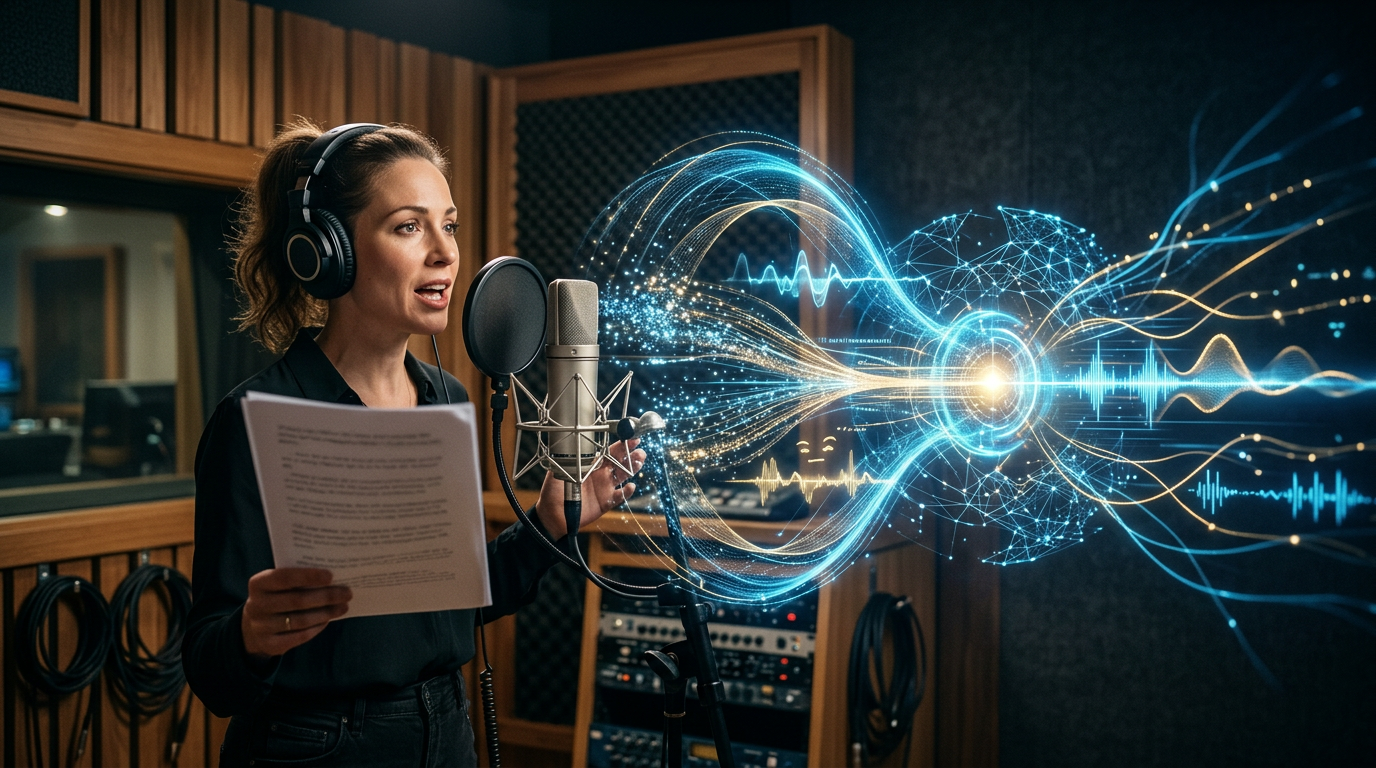
The art of character performance has long been defined by the physical limits of the studio. Professional voice actors spend years mastering the subtle shifts in breath, cadence, and emotional weight required to bring a character to life. Whether it is the high-energy, infectious optimism of a cartoon icon or the gravelly, authoritative tone of an action hero, these performances rely on a deep understanding of subtext and pacing. For decades, this level of quality was gated, accessible only to those with the budget to book top-tier talent and the time to navigate complex production schedules. The industry operated on a model of scarcity, where the voice was a luxury commodity.
Today, the landscape is shifting. As digital storytelling evolves, creators are increasingly looking for ways to capture that same level of character-specific intensity in their own projects, from fan-focused lore and memes to original digital series. This transition isn't about replacing the human element of performance; it is about providing a sandbox for creative expression that was previously locked behind industry gates. By leveraging modern AI tools, anyone with a vision can now experiment with character personas, iterate on scripts in real-time, and produce content that feels authentic to the source material.
The Anatomy of an Iconic Performance
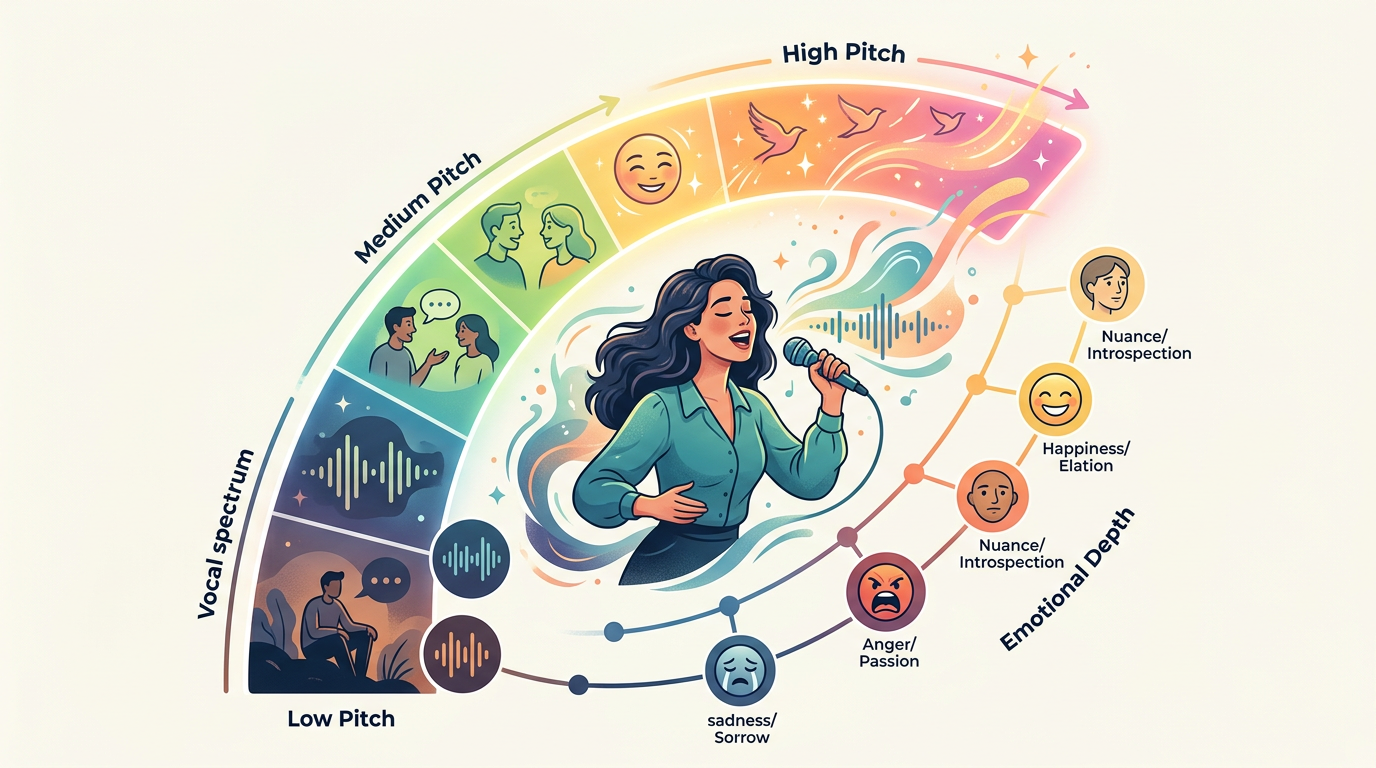
In the world of animation and gaming, the gold standard of acting is defined by versatility. A great performance requires an understanding of how to pivot between genres—shifting from lighthearted, whimsical tropes to hardened, complex anti-hero arcs. This mastery of tone is what makes a character feel alive to an audience. When a fan hears a performance that hits, it creates a lasting emotional connection that transcends the screen. The nuance of a character's laugh or the specific drawl in their speech pattern carries more weight than the visual animation itself.
For content creators, the goal is to translate that connection into their own work. However, the barrier to entry has traditionally been massive. It required high-end studio gear, years of vocal training, and significant production budgets. Platforms like Fanfun are changing this dynamic by democratizing access to character-driven audio. By using an AI voice generator, creators can now test different character tones, refine scripts, and produce content in minutes rather than weeks. This shift allows creators to focus on the story they want to tell rather than the logistical hurdles of traditional production.
The Shift from Passive Listening to Active Co-Creation
Historically, audiences were passive consumers of voice acting. You listened to your favorite hero, and that was the end of the interaction. Now, the relationship has become bidirectional. With the advent of AI, fans are no longer just listening to the character; they are directing the character. This evolution means that the 'voice' is no longer a static file, but a dynamic asset that can be prompted to respond to specific scenarios. Whether you are crafting a birthday greeting or a complex fan-fiction script, the ability to iterate on the fly changes the content creation workflow entirely. You can test five different emotional deliveries of a single line in the time it would take to schedule one studio session in the past.
Democratizing the Character Voice
The rise of AI-assisted content has moved the industry from static, one-way fan dubs to dynamic, interactive experiences. You no longer need to wait for a casting call to bring a character to life. Instead, you can engage with a model that has been tuned to reflect the archetype of a specific voice. This allows for a level of scale that was previously impossible, enabling creators to generate promos, birthday messages, or lore-heavy content that feels authentic to the source material.
Consider the difference in workflow. In a traditional setting, a director must guide a performer through multiple takes to get the right emotional inflection. With AI, that process becomes an iterative, user-led experience. You can adjust the intensity, pace, and delivery of a line instantly, allowing for a creative freedom that was previously unavailable to independent creators. This is particularly useful for creators who need to maintain a consistent persona across a series of videos or social media posts.
| Feature | Professional Voice Acting | AI-Assisted Content |
|---|---|---|
| Production Time | Weeks/Months | Minutes |
| Cost | High (Studio/Talent) | Low/Affordable |
| Scalability | Limited | High |
| Customization | Director-led | User-led |
Building Your Own Character-Driven Content
To successfully integrate AI voices into your content, you need to approach the process with a director's mindset. Start by defining the emotional state of your character: Are they furious, contemplative, or comedic? AI excels when it is given specific, character-driven prompts.
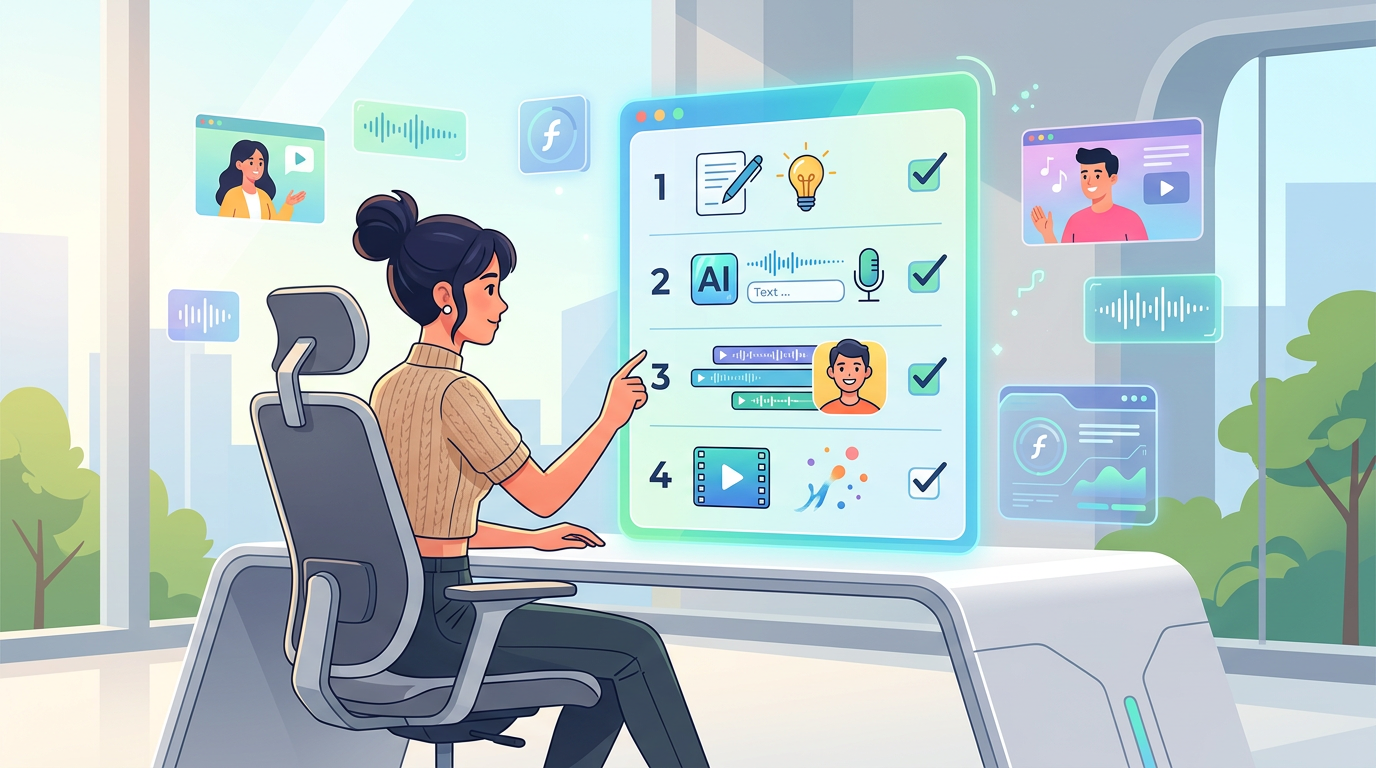
1. Define the Archetype: Choose a persona that fits the tone of your project. If you are building a tribute to a sports legend, look for the confidence and gravitas found in a Shaq-inspired persona. 2. Script for the Voice: Write dialogue that leans into the known tropes and catchphrases of your character. 3. Iterate and Refine: Use the speed of AI to test different phrasings. If the delivery feels flat, adjust the punctuation or the intensity of the prompt.
You can also experiment with a variety of archetypes to see what resonates with your audience. Whether you want the heroic, larger-than-life energy of a Dwayne Johnson AI, the competitive spirit of Kobe Bean Bryant, or the whimsical, high-energy charm of Spongebob Squarepants, the key is to lean into the traits that make these characters recognizable and beloved. By grounding your creative work in these established archetypes, you ensure the content resonates immediately with your target audience.
Why Fandoms Are Moving Toward Interactive AI
Traditional cameo-style services are often limited to one-way, static video clips. While these have their place, modern fandom is moving toward active participation. Fans want to interact with the characters they love, which is why AI chat and interactive personas have become so popular. This shift reflects a broader desire for deep-lore engagement. Creators are no longer just producing content; they are building ecosystems where fans can interact with characters in real-time.
For those looking to expand their reach, incorporating AI can help bridge the gap between passive consumption and active, creative contribution. Whether you are creating content for social media or building a fan project, the ability to generate high-quality, character-specific audio on demand is a game-changer. Think of it as an evolution of the fan experience—moving from simply watching to participating in the creative process alongside the icons you admire. Even iconic figures like Mickey Mouse or modern stars like Sydney Sweeney represent different facets of this digital evolution, offering creators diverse ways to engage their communities through voice and persona. This isn't just about mimicry; it's about accessibility and the democratization of the creator economy.
The Future of Voice-First Fandom
As we look ahead, the role of AI in entertainment will continue to evolve, focusing on how technology enhances rather than replaces the art of performance. The future of voice-first fandom lies in finding the balance between creative IP respect and the freedom for fans to play within those worlds. By using AI as a tool for storytelling, we are entering an era where anyone with a vision can contribute to the cultural conversation, turning the dream of professional-grade character performance into a reality for everyone.
Ultimately, the most successful creators will be those who use these tools to push the boundaries of their own creativity. Whether you are a seasoned producer or a fan just starting out, the technology is now at your fingertips to bring your favorite archetypes to life in ways that were once thought impossible. The booth is no longer a physical space; it is a digital environment waiting for your next big idea. By embracing these tools, you aren't just making content—you are participating in the next generation of digital storytelling.
How does AI voice technology capture the range of professional voice actors?
AI voice technology uses deep learning models to analyze the cadence, tone, and emotional inflections of professional performers. While it is an interpretation rather than an exact clone, it allows for high-fidelity character expression that mimics the nuances of professional acting.
Can creators use AI to make original content with character voices?
Yes, creators use AI-generated voices to produce everything from fan dubs and memes to promos and educational content. It serves as a powerful, cost-effective tool for creative storytelling.
What are the benefits of using AI for character-driven video messages compared to traditional services?
AI offers instant delivery, 24/7 availability, and the ability to generate unlimited iterations. It is significantly more affordable than traditional booking services and allows for creative control that is not possible with static clips.
How does Fanfun ensure that AI voices remain respectful to the original performers?
Fanfun focuses on celebrating fandom and creativity. By providing clear use-case guidelines and prioritizing ethical, fun, and transformative content, the platform ensures that the technology serves to honor the icons and characters users love.