Beyond the Soundbite: Mastering AI Voice Synthesis for Narrative Storytelling
AI voice synthesis has moved beyond novelty, becoming a primary tool for modern storytelling. Learn how to leverage digital personas for professional, narrative-driven content.
The barrier between high-concept ideas and final production has historically been a matter of resources and access. For solo creators, the gap between a written script and a finished, voice-acted video was often insurmountable without significant budgets or technical teams. Today, AI voice generators have become bridge-building tools that allow for rapid prototyping of scripts, enabling creators to iterate on dialogue, tone, and character dynamics in real-time without the logistical friction of traditional studio recording. This shift has fundamentally changed how we approach digital media, turning the creator into a director, writer, and producer all at once.
Using these tools is no longer about simple text-to-speech; it is about intentional character interpretation. Whether you are building an immersive fan-fiction series, a satirical commentary, or a high-energy brand promo, the ability to summon a specific vocal archetype instantly changes how your audience perceives your narrative. At Fanfun, we view this as the true democratization of creative production, where the focus shifts from the limitations of scheduling to the infinite possibilities of your script. By bypassing the traditional gatekeepers of production, you gain the agility to respond to cultural trends in minutes, not months.
Understanding the Difference: Cloning vs. Archetypal Interpretation
It is crucial to distinguish between "voice cloning"—often associated with impersonation—and "character interpretation" for the sake of storytelling. Interpretation is about capturing the cadence, rhythm, and unique vocal signature of a persona to serve a narrative purpose. Using a tool like the Donald Trump AI Voice, for example, isn't about perfectly replicating a human; it is about utilizing the recognizable energy and speech patterns of a cultural icon to add a specific, punchy flavor to your content. This shift from static audio to dynamic, character-driven synthesis allows creators to maintain consistency across a long-form series without the headaches of traditional casting or union negotiations.
When you lean into archetypes, you are tapping into existing fan recognition. This is why selecting the right voice is a strategic decision that dictates the “weight” of your message. The authority behind a personality like Shaq conveys a sense of dominance and charisma that differs significantly from the lighthearted, nostalgic energy of a character like Spongebob Squarepants. Matching the voice to the narrative weight is a fundamental skill that separates amateur edits from professional-grade storytelling. If your content aims to land a specific emotional beat, the voice must act as a carrier for that emotion, not just a narrator for your text.
The Psychology of Vocal Archetypes
Why do certain voices command more attention than others? It comes down to the listener's subconscious associations. When a viewer hears a voice that mimics a high-status cultural figure or a beloved fictional hero, they immediately assign a level of importance to the content. This is a powerful shorthand for creators. By using a persona like Dwayne Johnson AI, you aren't just adding a voice; you are borrowing the "action hero" equity that the audience already trusts. This psychological priming allows you to cut through the noise of a crowded feed, making your content feel more authoritative and engaging from the very first frame.
Conversely, using voices that don't match your message can create a jarring cognitive dissonance. If you are producing a serious, analytical piece, a voice associated with high-energy comedy might undermine your point. The best creators treat their AI voice library as a casting director would treat a talent pool. They consider the history, the vibe, and the audience's existing relationship with that persona before hitting generate. This level of curation is what elevates a project from a simple meme to a piece of deliberate, high-substance storytelling.
Strategic Archetype Alignment
Choosing the right voice requires a clear understanding of your content’s goal. Are you looking to inspire, entertain, or provoke? Your voice choice acts as the primary emotional anchor for the viewer. Consider these categories when planning your next project:
- Sports Legends: Best for high-energy, motivational, or competitive narratives. Utilizing the Kobe Bean Bryant persona can bring a level of intensity and focus that is difficult to replicate with standard voiceover tools.
- Cultural Icons: Ideal for satirical commentary, pop-culture analysis, or edgy, fast-paced TikTok content. These voices are often recognizable enough to carry a joke or a critique instantly.
- Fictional Favorites: Perfect for immersive storytelling, fan dubs, or nostalgic explorations. These characters come with built-in emotional histories that your audience already understands.
- Modern Pop-Culture Influencers: Figures like Sydney Sweeney provide a contemporary, relatable aesthetic that works well for lifestyle-driven or trend-focused narrative content.
By mapping your script to these archetypes, you ensure that the delivery matches the intent. If you are writing a script for a sports-themed video, the cadence should be rhythmic and punchy. If you are writing for a lifestyle influencer persona, the script should be conversational and relaxed. The AI is a tool, but the creative direction remains firmly in your hands.
Practical Production Framework: From Script to Screen
To produce professional-grade content, your workflow must account for the specific cadences of your chosen AI persona. Start by scripting specifically for the voice; if your chosen persona speaks in short, punchy sentences, do not force them into long, flowery prose. The AI will sound most natural when the script aligns with the persona's inherent rhythm. If you are using a high-energy persona, lean into scripts that emphasize confidence, action-oriented verbs, and direct address. This "script-to-persona" alignment is the secret sauce for making AI audio sound authentic rather than synthetic.
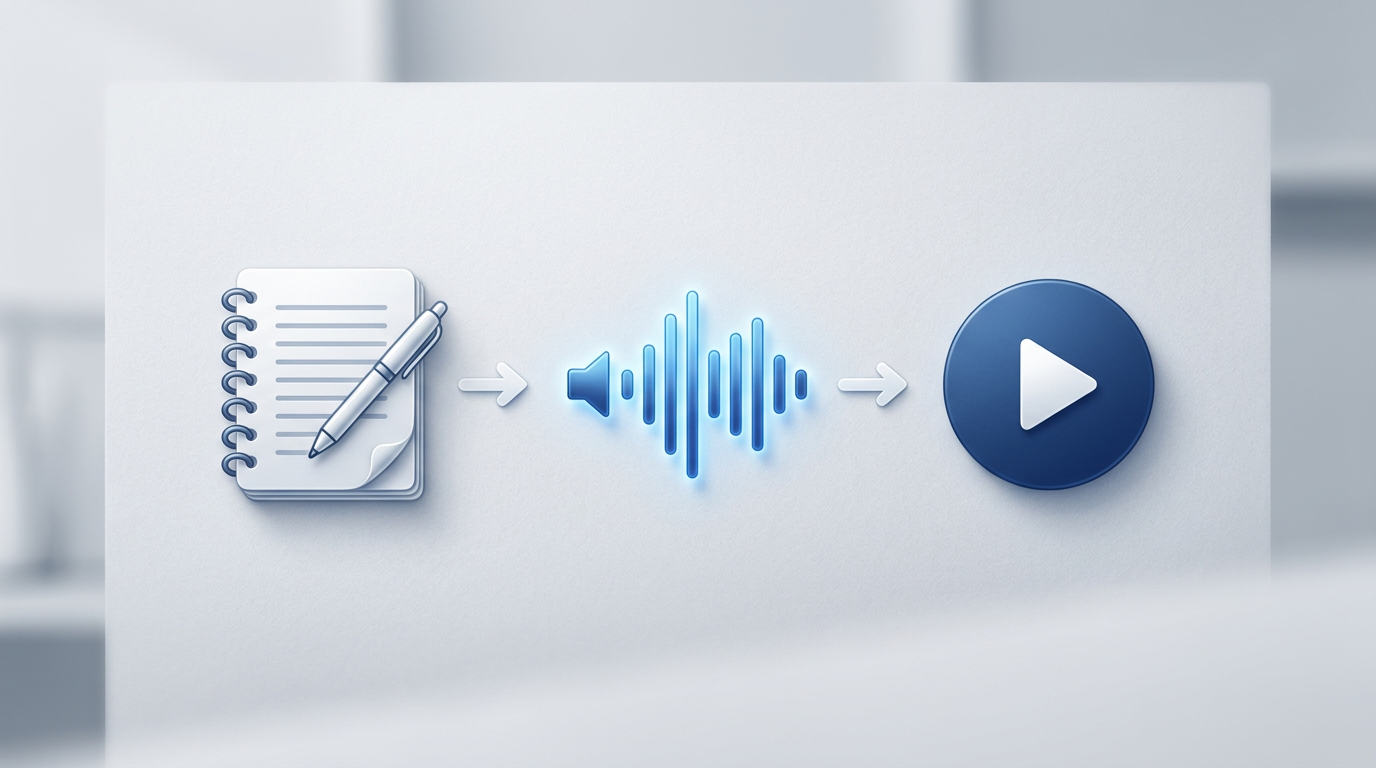
Once the audio is generated, the production is only half-finished. Layer your voiceover with sound effects (SFX) to build a soundscape. If you are using a powerful persona, add cinematic bass hits or transition swooshes to match the intensity of the character. This layering process is what separates a generic text-to-speech output from a polished, immersive production. Integrating visual assets—such as motion graphics or character-specific imagery—further cements the illusion and keeps the audience engaged. Think of the AI voice as the lead actor in your production, and the SFX and visuals as the stage and lighting.
The Ethics of Digital Impressionism
As creators, we have a responsibility to use these tools ethically. The power of AI synthesis should be directed toward parody, satire, and creative expression rather than deception. Fanfun prioritizes transparent creative usage, providing an ecosystem where the intent is clearly artistic. When using AI voices, it is best practice to disclose the technology to your audience. This transparency not only builds trust but also allows your viewers to appreciate the technical skill involved in your creative process. By positioning your work as a creative interpretation, you invite the audience into the process rather than trying to trick them.
Furthermore, respect for the persona is paramount. The best content creators use these tools to celebrate the characters and figures they are emulating. Whether it is a tribute video or a lighthearted roast, the goal should be to enhance the audience's connection to that persona, not to damage their reputation. When you operate with this mindset, your content becomes more sustainable, more shareable, and more aligned with the spirit of modern fandom.
Scaling Your Creative Output
AI acts as a force multiplier for the solo creator. By utilizing a diverse character library, you can maintain narrative continuity across an entire series without needing to re-record or re-cast. Fanfun offers an instant, scalable alternative to the traditional celebrity booking process, allowing you to generate content in minutes rather than waiting weeks for a cameo. This agility means you can pivot your creative strategy based on audience feedback, ensuring that your content remains relevant and consistently high-quality.
Whether you are testing a new meme format or producing a multi-part documentary series, the ability to iterate at the speed of the internet is your greatest competitive advantage. By removing the friction of traditional production, you are free to experiment with different voices, tones, and narratives. This is the new frontier of storytelling: a space where your imagination is the only limit, and the tools you need are available on demand, ready to help you bring your vision to life.
How does a text-to-speech AI capture the nuance of a famous voice?
Modern AI models are trained on large datasets to recognize and replicate the rhythmic patterns, intonation, and vocal textures unique to a specific persona, allowing for an "interpretation" rather than just a robotic reading.
Is it legal to use AI voices for YouTube content?
Using AI voices for parody, satire, and general creative content is generally acceptable, provided the content does not violate intellectual property rights or imply an endorsement that doesn't exist. Always check platform-specific policies regarding AI-generated content.
What are the best alternatives to booking real celebrities for short videos?
Fanfun is a leading alternative, offering instant access to AI versions of celebrities and characters for birthday wishes, roasts, and social media content without the wait times or high costs of traditional bookings.
Can I use AI voices for commercial brand promos?
While AI voices are excellent for creative storytelling and content marketing, always ensure you have the appropriate rights to use a specific persona's likeness or voice for commercial endorsements, as the rules differ from those for creative or satirical use.