Beyond the Hype: How Creators Are Actually Using AI Voice Tech to Scale Storytelling
Stop chasing perfect clones and start mastering the energy of your content. Discover how to use AI voice archetypes to scale your storytelling like a pro.
Modern digital storytelling is defined by its velocity. If you look at the most successful content creators, their secret isn't just a high-end camera or a massive budget—it's the relentless pacing of their delivery. This 'hook-first' approach relies on quick edits paired with distinct, high-energy vocal cadences that keep viewers from scrolling. When a voice carries authority, humor, or intensity, it acts as a secondary narrative layer that guides the viewer's attention. In an era where attention spans are measured in milliseconds, your audio profile is just as important as your visual aesthetic.
AI voice tools have transitioned from mere novelty to essential production utilities because they allow creators to iterate on this energy without constant re-recording. Instead of spending hours in a sound booth trying to hit the perfect inflection for a 30-second clip, creators are using AI to test different vocal deliveries instantly. This shift allows for a more experimental approach to content creation, where the 'vibe' is refined in the edit rather than locked in during the initial take. By treating AI as a creative partner, you can pivot your narrative direction in real-time, matching the intensity of your voiceover to the specific mood of your video.
The Anatomy of High-Energy Content
To produce content that cuts through the noise, you must treat your audio as a foundational element of your visual storytelling. High-energy delivery isn't just about volume; it is about the rhythmic placement of emphasis. Creators who master this understand that the human brain processes audio cues faster than visual ones. By leveraging AI-driven voice archetypes, you can inject a specific level of intensity into your projects that would otherwise require a professional studio session. The goal is to create a 'sonic signature' for your brand that feels intentional and curated.
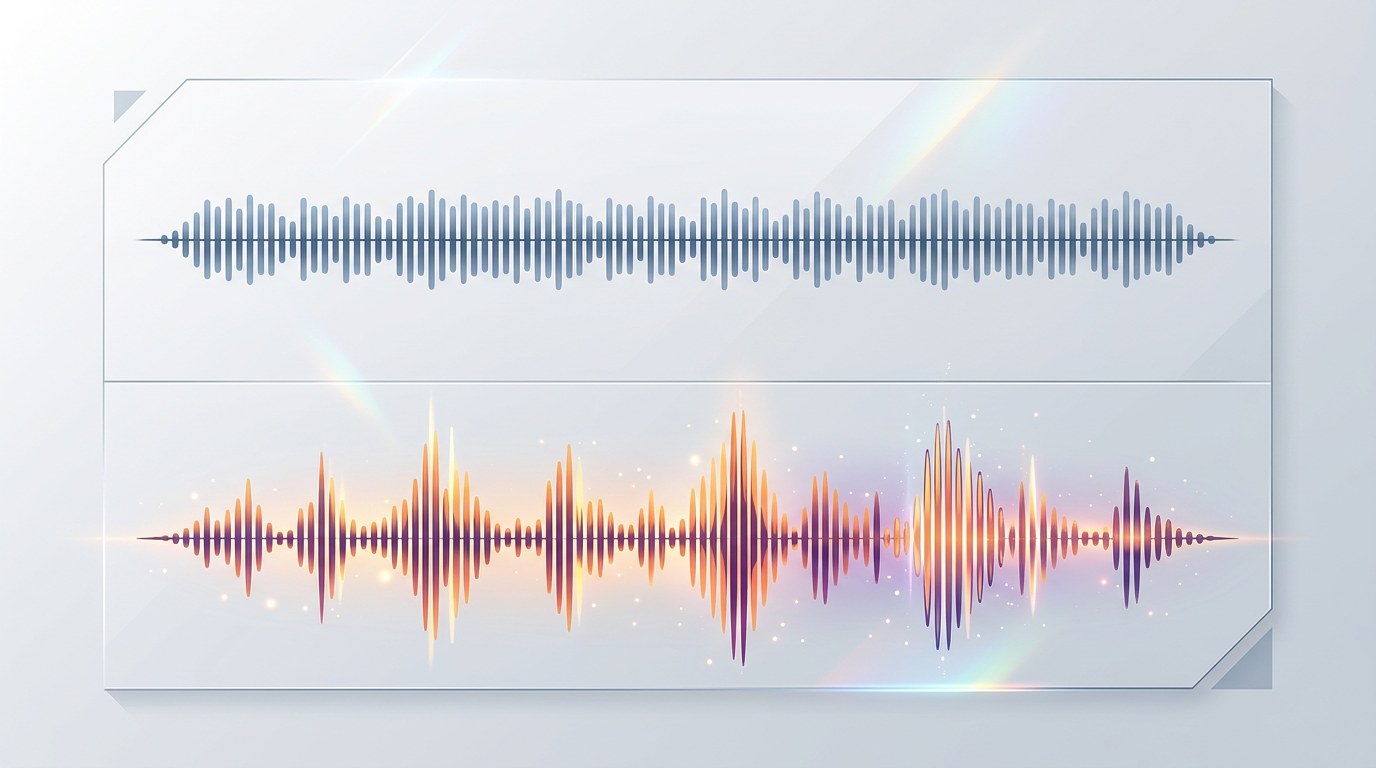
Whether you are producing rapid-fire TikTok updates or long-form documentary-style YouTube videos, having a consistent vocal archetype provides a sense of familiarity to your audience. This is where the Fanfun platform changes the game for creators. By providing instant access to a diverse library of voices, Fanfun allows you to swap out tones and personas in minutes, enabling you to A/B test how different vocal styles influence viewer engagement on your latest project. If a specific segment feels flat, you can instantly re-generate the narration with a different energy profile, effectively 'directing' your content until it lands with the intended impact.
Why 'Voice Archetypes' Beat Exact Clones
The biggest trap for creators is chasing biometric, 1:1 voice accuracy. In practice, the 'archetype' of a voice is far more valuable than a perfect clone. Think of the persona as a creative asset; you want the energy, the confidence, and the specific cadence that makes an audience perk up. Using platforms like Fanfun allows you to tap into these high-energy archetypes, whether you need the boisterous, larger-than-life presence of a sports legend or a specific character archetype that fits your video’s theme. When you focus on the archetype, you gain the creative freedom to build a brand voice that feels familiar to your audience but remains uniquely yours.
It’s about leveraging the cultural resonance of iconic figures to anchor your content, rather than trying to replicate a specific person. This approach keeps your production agile and ensures that your content feels polished and intentional. By using archetypes, you avoid the 'uncanny valley' and instead lean into the stylistic choice of the performance. For instance, tapping into the competitive spirit associated with Kobe Bean Bryant provides an immediate, recognizable layer of gravitas that instantly elevates a sports-related skit or motivational montage. This is not about mimicry; it is about utilizing the cultural shorthand that these archetypes provide to communicate more effectively with your audience.
The Creative Utility of Archetypes
- Audience Familiarity: Using familiar vocal energy helps establish immediate rapport with viewers.
- Consistency: Maintain a specific 'tone' across your content series without needing a human voice actor on call.
- Experimentation: Test how different personas change the perception of your script before committing to a final edit.
- Cultural Resonance: Tap into the energy of icons to add a layer of gravitas or competitive spirit to your niche content.
Practical Production: From Script to Screen
To integrate AI voiceovers effectively, your script must be written for the medium. High-energy delivery requires short, punchy sentences and clear, direct language. Long, winding paragraphs kill the momentum that AI voices are designed to amplify. When drafting, read your script aloud to check for rhythmic flow—if you're gasping for air, your AI voiceover will sound breathless too. Treat the AI as a collaborator who needs clear, concise direction. If your script is too dense, the AI will struggle to find the 'pockets' of emphasis that make a voiceover sound human and compelling.
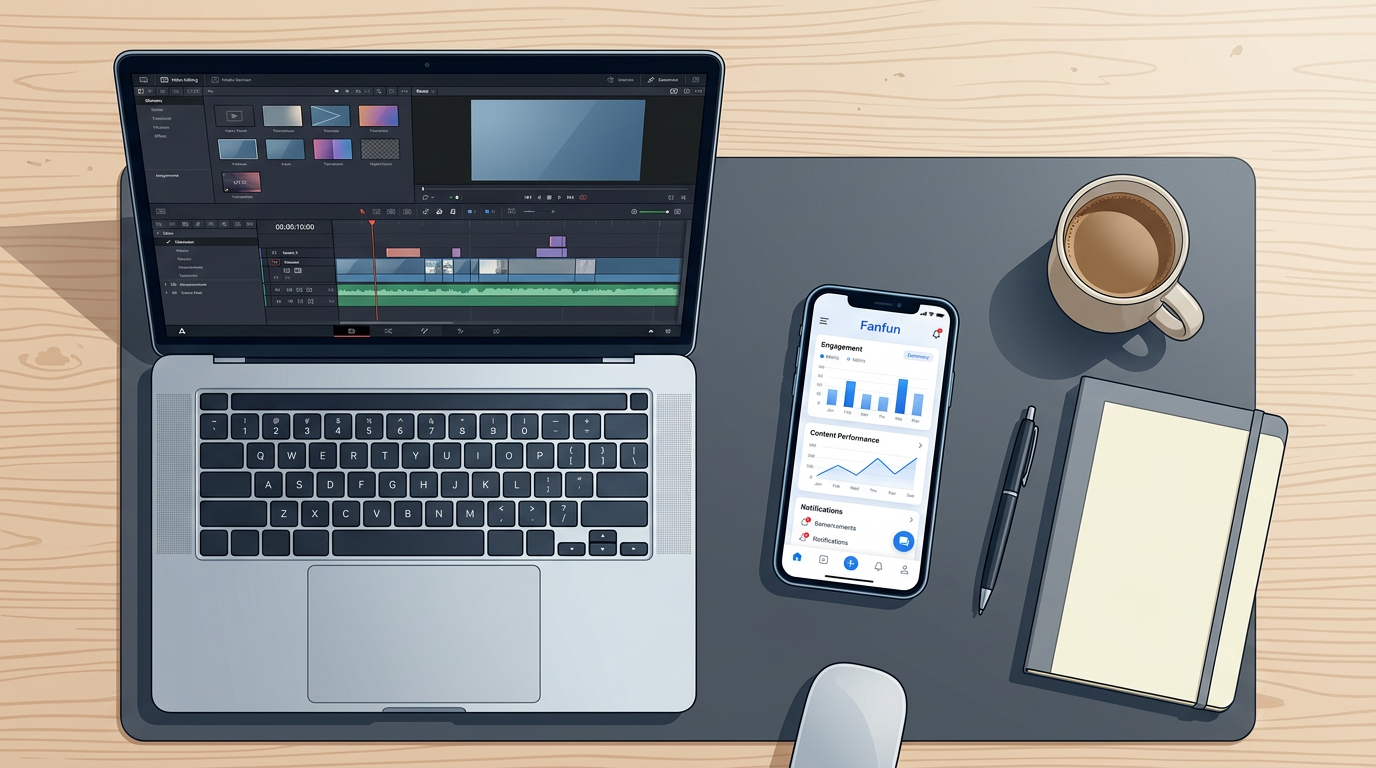
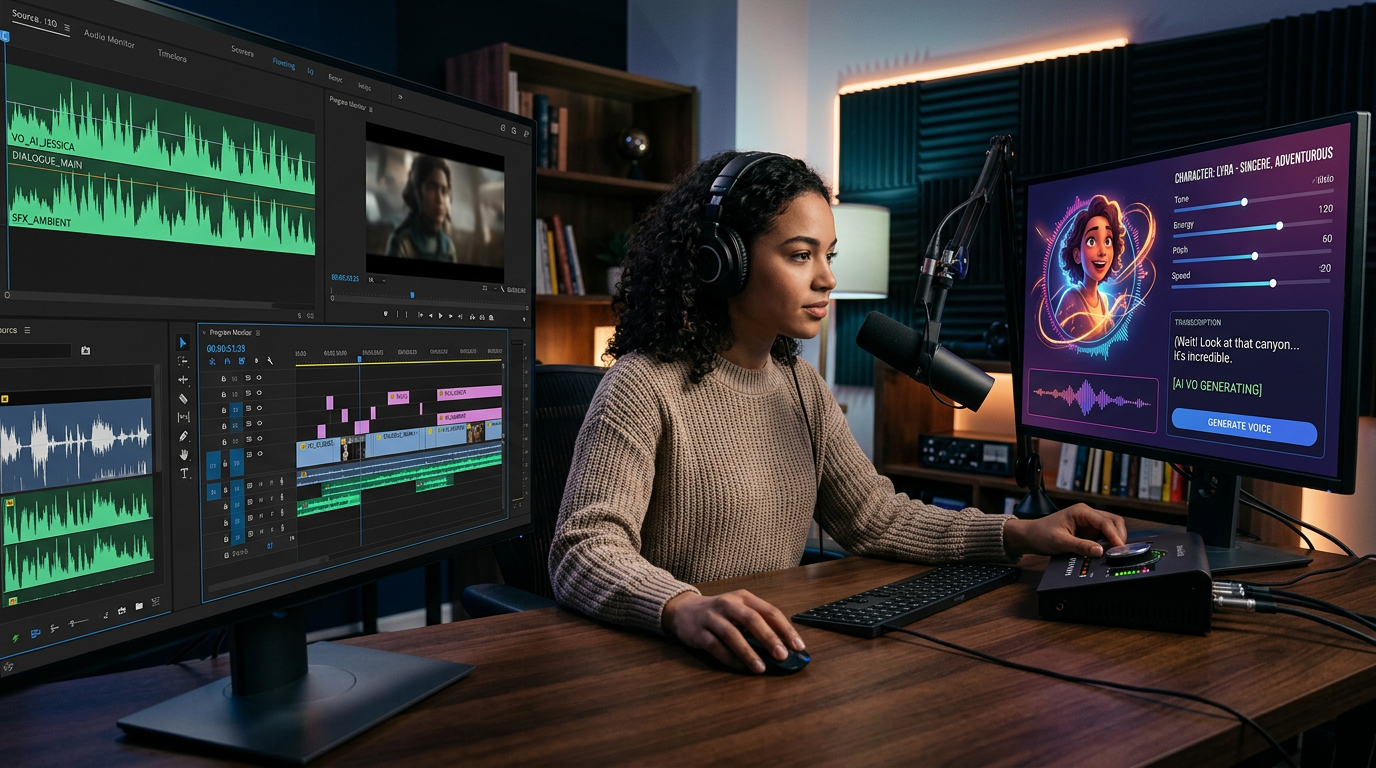
Once you have your audio generated, treat it as a building block in your editing software. Whether you are using Premiere Pro, DaVinci Resolve, or CapCut, treat these voice files as you would any other professional asset. By using the AI as a 'director's tool,' you can test pacing, sound design, and visual cuts against the audio before you ever reach a final render. This workflow dramatically reduces the time spent on post-production revisions and allows you to pivot your creative direction mid-edit. If a joke doesn't land, you can regenerate the line with a different emphasis or persona in seconds, which is a luxury traditional production simply cannot afford.
Scaling Your Creative Output
Scaling content production is usually hampered by the logistics of recording. By using AI to handle voiceover work, you bridge the gap between a small creator and a professional studio. You no longer need to worry about background noise, microphone quality, or the availability of professional talent. You can iterate on ideas in minutes, not days, which is vital for creators operating in the fast-paced world of social media trends. The ability to generate high-quality, persona-driven audio on demand means you can produce a week's worth of content in a single afternoon.
For instance, using a persona like the Dwayne Johnson AI or exploring the The Rock Dwayne Johnson options allows you to instantly inject 'star power' into your promos or skits. This doesn't just save time; it changes the perceived value of your content. When you see how a high-octane voice archetype changes the impact of your video, you begin to understand the true power of AI as a creative multiplier. It allows you to produce more, test more, and ultimately reach a wider audience by matching the energy of your content to the expectations of your niche. Whether you are creating AI Kylie Jenner style lifestyle content or something entirely original, the limit is now your imagination, not your budget.
Ethical Creativity and Platform Standards
With great power comes the responsibility to use these tools transparently. As the creator, you should always be mindful of how you represent AI-generated content to your audience. The most successful creators are those who lean into the 'fan-driven homage' aspect of their work, acknowledging the technology as a creative assistant. Platforms like Fanfun provide the necessary guardrails to ensure that this process remains fun and respectful of intellectual property, keeping the focus squarely on the creativity of the user. By embracing these tools, you aren't replacing human creativity; you are augmenting it. You are shifting your role from a technician who spends hours behind a microphone to a director who curates the best possible experience for their viewers. This is the future of digital storytelling: faster, more experimental, and deeply rooted in the cultural archetypes that we all recognize and love, from Mickey Mouse to modern action heroes.
Can I use AI to mimic my favorite YouTuber's voice?
While you can use AI to capture the energy and archetype of famous personalities, it is always best to prioritize creative homage and respect the public figures you are inspired by. Fanfun focuses on providing high-energy, iconic archetypes that allow for creative expression.
Is it legal to use AI voices for my own YouTube channel?
Using AI voices for content creation is a rapidly evolving space. Generally, using AI to generate voice content for personal or commercial projects is acceptable, provided you adhere to platform-specific guidelines and avoid misleading your audience about the identity behind the voice.
How do I make my AI voiceovers sound less robotic?
The key to natural-sounding AI is your script. Focus on conversational language, use contractions, and break up long sentences. Adjusting the pacing and adding short pauses in your editing software can also help the audio feel more human and dynamic.
What are the best alternatives to hiring a professional voice actor for short-form content?
For short-form content, AI voice generators are the most efficient alternative. They offer instant delivery, lower costs, and complete creative control, making them perfect for testing different vocal styles for social media, ads, or video promos.