Beyond the Impression: Why AI Voice Changers are Transforming Digital Storytelling
The era of the 'sound-alike' impression is over. Creators now demand high-fidelity, instant, and character-specific AI voices that serve as legitimate production assets.
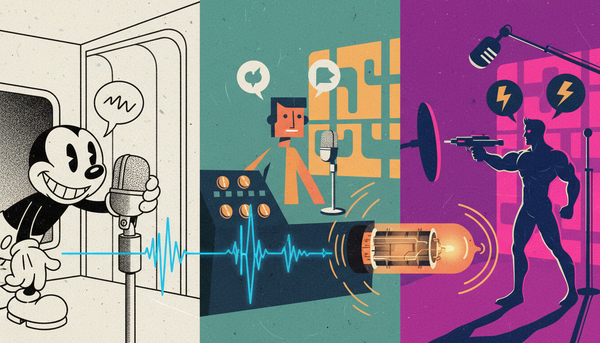
For years, the voice impression was a parlor trick—a skill reserved for late-night comedians or dedicated hobbyists who spent years perfecting a single cadence. It was limited by human anatomy, time-consuming to record, and expensive to license for professional use. Today, that barrier has effectively vanished. We have moved from the era of the 'sound-alike' to the era of the high-fidelity AI asset. Content creators no longer need a recording studio or a decade of training to capture the nuance of an iconic personality.
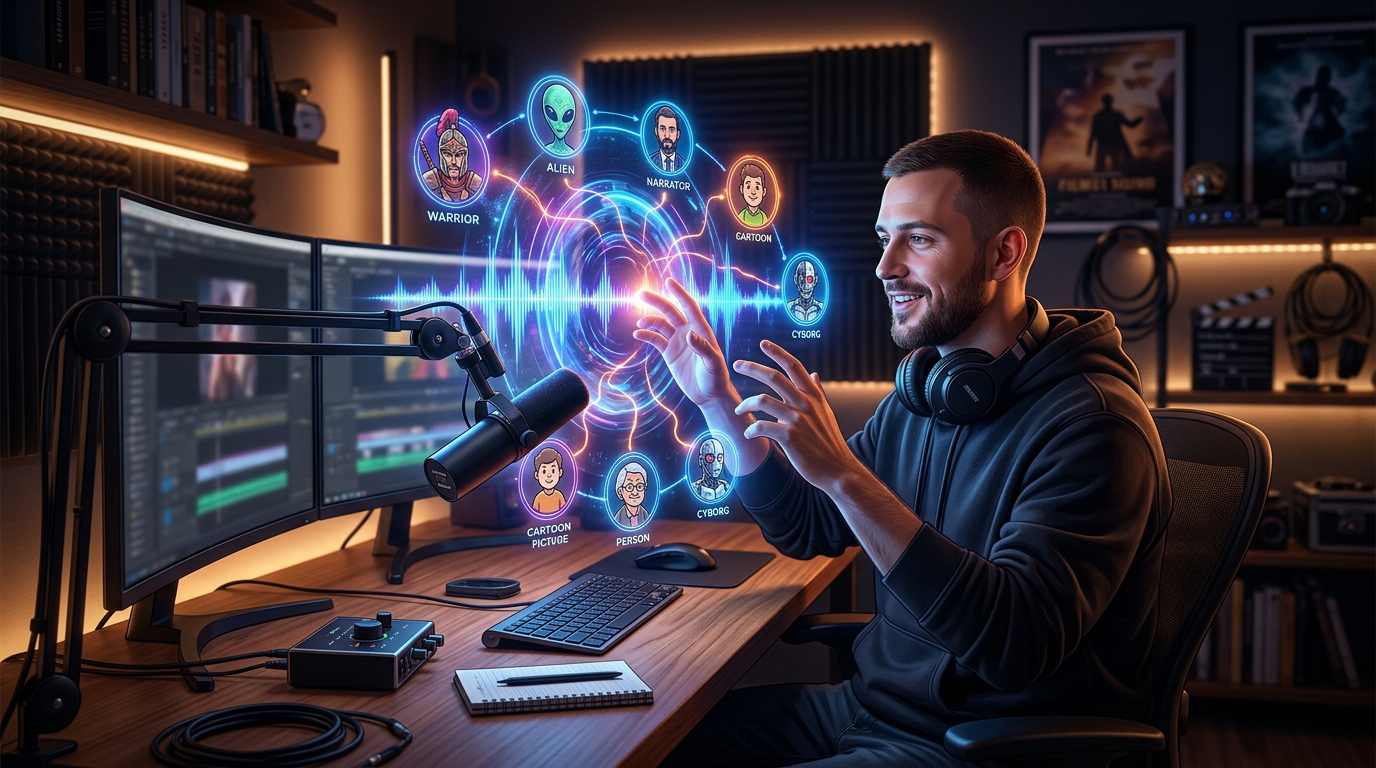
Modern storytelling demands a character-first approach. Whether you are building a narrative-driven YouTube series or trying to grab attention on TikTok, the right voice provides an instant emotional shorthand. Platforms like Fanfun have streamlined this process, allowing creators to bypass the technical friction of audio engineering. By shifting the focus from 'how do I mimic this sound' to 'how does this voice serve my story,' creators can experiment at a scale that was previously impossible.
The Evolution of the Voice Impression
In the past, incorporating a recognizable voice into content required significant budget or a personal talent for mimicry. If you wanted the gravitas of a sports legend like Shaq or the historical weight of Kobe Bean Bryant, you were essentially locked out of the process unless you had a massive production team. AI has democratized this access, turning the voice into a modular asset that can be inserted into any script, podcast, or social media clip.
This shift isn't just about convenience; it is about creative velocity. When you can generate high-quality audio in minutes, you can iterate on your storytelling in real-time. You are no longer waiting for a voice actor to interpret your script. Instead, you are directing the AI to hit the specific emotional beats required for your scene. This allows for a level of experimentation where you can test multiple tones and cadences for a single line of dialogue, ensuring the final output matches the exact vision you have for your project.
Selecting Your Digital Persona
Not every voice works for every project. The danger in the AI era is treating every tool as a generic filter. To be effective, you must distinguish between a caricature and a character-driven asset. A biting political satire requires a different sonic texture than a heartfelt, educational, or motivational piece. When you browse the Fanfun library, consider the cultural weight of the persona you are choosing.
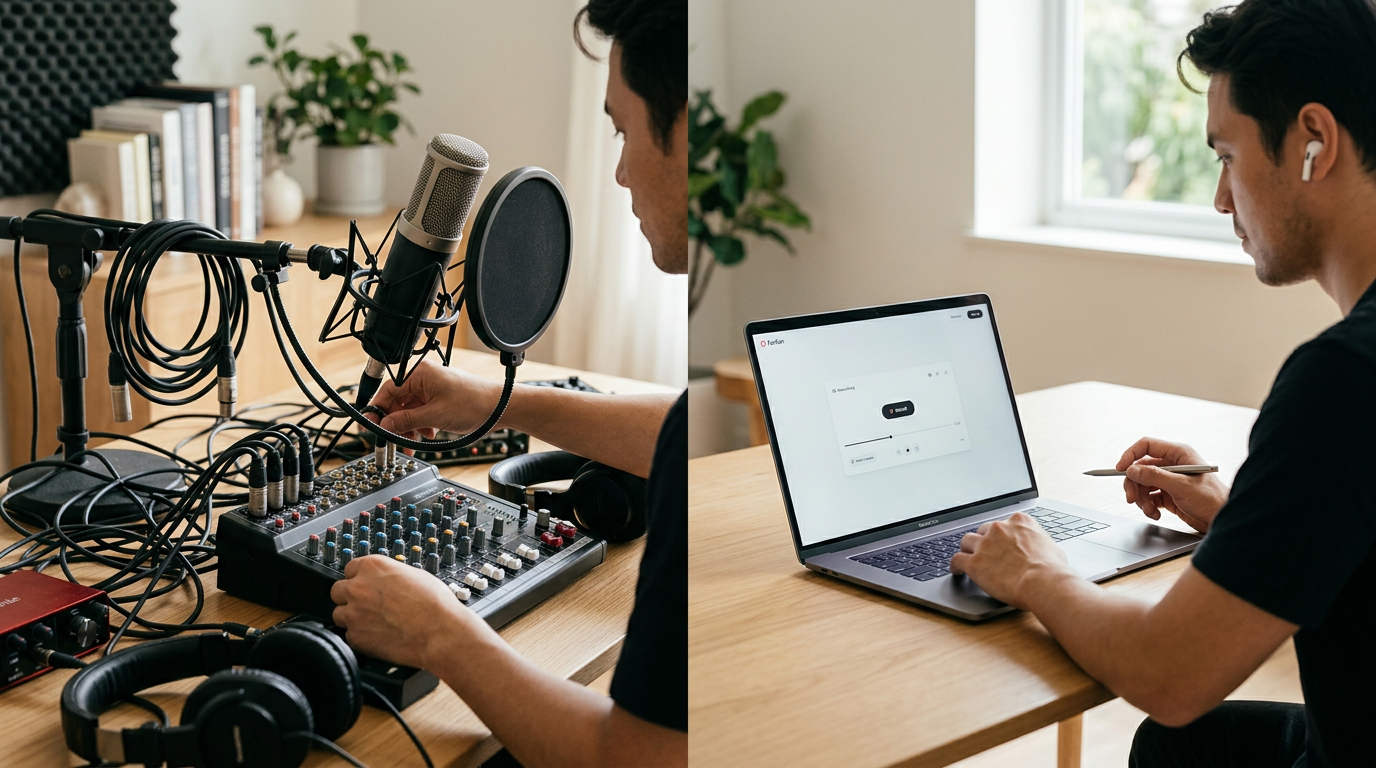
For instance, utilizing a Donald Trump AI voice is a masterclass in utilizing recognizable cadence for comedic or satirical impact. The listener has an immediate, pre-built association with that persona, which does half the heavy lifting for your script. Conversely, if you are crafting an intimate, high-stakes narration, you might look for a voice with gravitas and warmth. The goal is to match the persona’s cultural weight to the intent of your content, ensuring the voice enhances your message rather than distracting from it.
The Vibe Check: Caricature vs. Character
- Caricature: Uses exaggerated, high-energy, or specific catchphrases. Perfect for memes, short-form comedy, and rapid-fire social content.
- Character-Driven: Focuses on the persona's typical rhythm and tone. Ideal for long-form storytelling, podcasts, or immersive digital experiences.
Framework for High-Impact Audio Production
Integrating AI audio is a workflow, not just a button press. To ensure your content resonates, follow this three-step production framework:
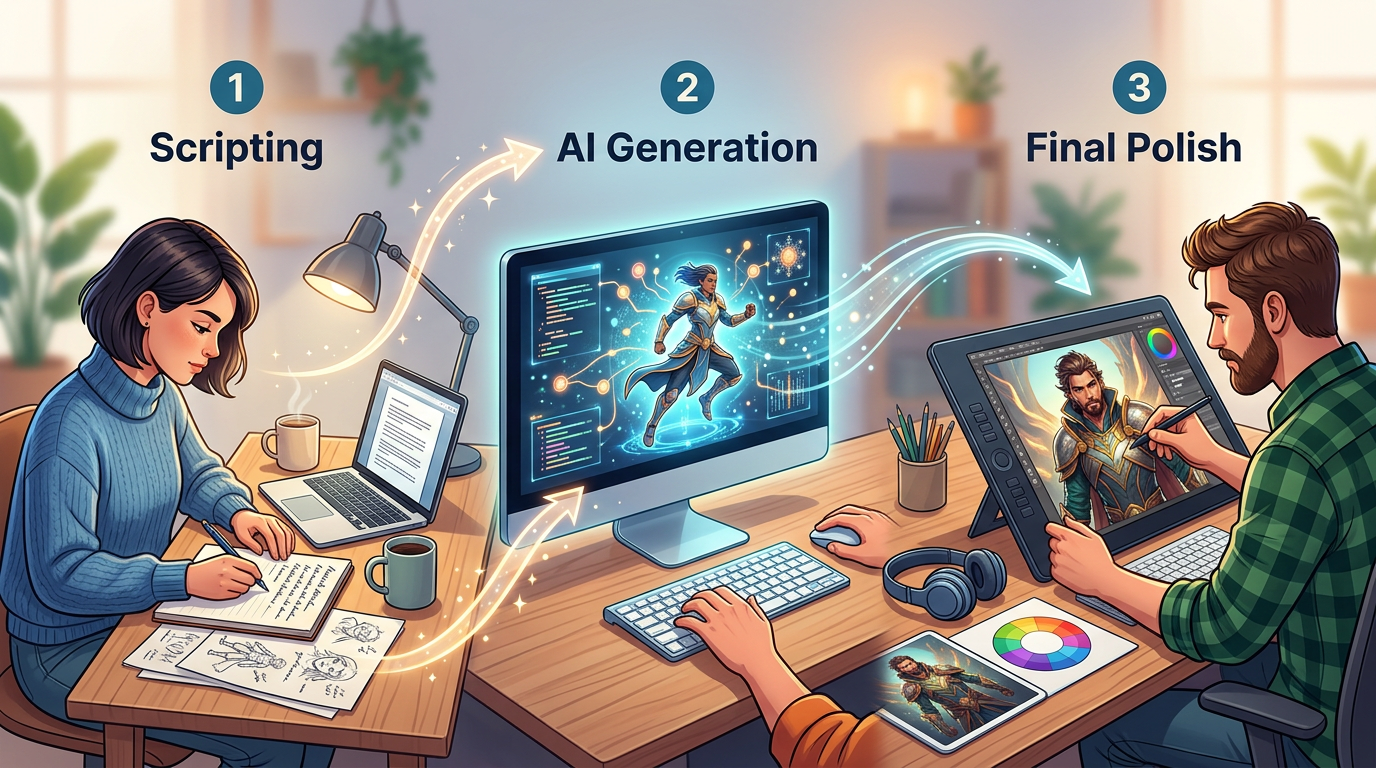
Step 1: Scripting for the Persona. Don't write generic copy. If you are using a high-energy character, write short, punchy sentences. If you are using a more grounded, thoughtful figure, use longer, more rhythmic phrasing. Always write with the character's signature cadence in mind.
Step 2: Soundscape Integration. Your AI voice is an actor; treat it like one. If you are producing a dramatic scene, layer in ambient sound or a subtle musical bed. This grounds the AI voice in a physical space, making it feel less like a digital overlay and more like a part of the scene.
Step 3: Iteration and Quality Control. AI interpretation is a collaborative process. If the first generation feels slightly off, tweak your prompt or adjust the pacing of your input text. Treat the AI like a voice actor you are directing; small adjustments to the input often yield massive improvements in the final output.
From Satire to Storytelling: Use Case Diversity
The true utility of AI voice technology lies in its versatility across genres. Consider the range of possibilities when you have access to a deep library of personas. You can leverage the Dwayne Johnson AI to bring a sense of high-stakes motivation or authority to a video, transforming an otherwise standard motivational vlog into something that feels like a cinematic pep talk.
For those focused on animation or high-energy comedy, the Shin Chan voice profile offers a distinct, chaotic, and lovable energy that is perfect for dubs or original character shorts. The most successful creators are now blending these iconic personas—like pulling in a character as recognizable as Elsa—to create unexpected mashups that stop the scroll. By applying a familiar, beloved voice to an unconventional scenario, you create a "pattern interrupt" that is highly effective for modern social algorithms. This is where the magic happens: taking the audience’s existing fandom and placing it into a context they never expected.
The Strategic Advantage of AI Assets
Beyond the novelty, there is a clear strategic advantage to using AI-driven audio in your content pipeline. Traditional celebrity bookings involve complex negotiations, scheduling conflicts, and high costs that effectively gatekeep professional-grade content from independent creators. By utilizing an AI voice generator, you remove these bottlenecks. You gain the ability to produce content that feels 'high-budget' without the associated overhead. This allows for a 'test-and-learn' approach where you can launch a series of experimental videos, see what resonates with your audience, and double down on the content that performs best. It is the democratization of production value, allowing a solo creator to compete with larger media entities on the basis of creativity rather than capital.
The Ethics and Art of AI Character Usage
As we move deeper into the AI-assisted creative landscape, transparency remains the best practice. Your audience values authenticity; being clear about the use of AI tools builds trust rather than eroding it. Furthermore, the environment you choose matters. Using platforms that prioritize structured, ethical access ensures you avoid the copyright pitfalls that often plague unlicensed, open-source models.
Fanfun provides a safe, structured environment for this experimentation, allowing creators to explore celebrity-style voices without the legal or technical headaches of DIY engineering. By treating AI as a creative partner rather than a shortcut, you ensure that your voice-driven content remains high-quality, legally sound, and, above all, uniquely yours. The future of digital storytelling isn't about replacing human creativity; it is about giving creators the tools to express their ideas with the same polish and impact as a major production house.
How do I make my voice sound like a celebrity?
You don't need to be a voice actor. Platforms like Fanfun use advanced AI to interpret the unique cadence, tone, and rhythm of iconic voices, allowing you to generate custom audio assets in minutes.
Are AI voice changers safe to use for commercial content?
Safety depends on the platform. Using licensed and structured environments like Fanfun ensures that you are working within a safe framework, avoiding the copyright and ethical pitfalls associated with unverified, open-source AI tools.
What is the difference between a real-time voice changer and AI-generated audio?
Real-time changers usually apply simple pitch-shifting or formants to your current voice during a live call. AI-generated audio, however, synthesizes speech from text, providing a much higher degree of fidelity, inflection, and character-specific nuance that a real-time filter cannot replicate.
Can I use AI voices for YouTube and TikTok videos?
Yes, AI voices are increasingly standard in digital content. They are excellent for narration, character dubs, memes, and educational content. Always focus on creating original, high-substance content where the AI voice adds value to your unique storytelling.