Beyond the Cameo: Why Personalized Digital Personas Are Changing Political and Cultural Commentary
Traditional celebrity booking platforms are hitting a wall. Explore how AI-driven digital personas are giving creators the autonomy to build memes, satire, and personalized content in minutes.
The landscape of digital influence has undergone a seismic shift. Where once a personalized message from a star required a high-priced booking, a weeks-long waiting period, and a strict adherence to a PR-approved script, we have entered the era of the instant digital persona. This transition is not merely a technological upgrade; it is a fundamental reconfiguration of how creators, fans, and satirists interact with the icons that define our cultural zeitgeist.
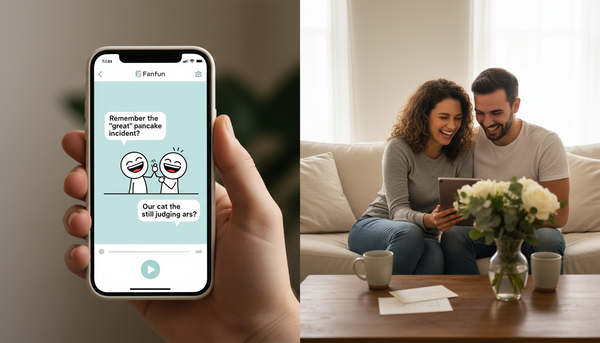
For the modern content creator, the traditional "request-and-wait" model is increasingly incompatible with the speed of social media. When a political event or pop culture moment happens, the window for relevant commentary closes within hours. By the time a traditional booking is fulfilled, the conversation has already moved on. This is where AI-powered platforms like Fanfun are stepping in to provide the creative agility that was previously impossible, allowing for immediate, iterative, and highly personalized content production. By moving away from the friction of human scheduling, creators can now produce content that feels timely, sharp, and perfectly aligned with the current news cycle.
The Limitation of Traditional Booking Platforms
For years, the gold standard for getting a celebrity shout-out was simple: you paid a fee, crossed your fingers, and waited for a pre-recorded clip. While platforms like Cameo democratized access to stars, they also established a rigid framework defined by gatekeeping. High-profile figures, particularly those in polarizing fields like politics or high-stakes cultural commentary, are often absent from these platforms due to strict content approval processes and brand risk aversion. This creates a friction point for creators who don’t want a generic "happy birthday" message, but rather a sharp, topical take on a current event or a specific satirical bit.
When the "gatekeeper effect" kicks in, the creator is left with no options. Furthermore, the turnaround time for traditional bookings is often measured in days or weeks—an eternity in the world of internet trends. In a landscape where the shelf life of a meme is measured in hours, the wait-and-see model of traditional celebrity booking is increasingly obsolete. Creators are now looking for tools that allow them to maintain their editorial voice without asking for permission from a talent agent. This is where the Fanfun approach—providing instant, scalable access to celebrity and character archetypes—becomes a competitive advantage for any digital strategist.
Why AI Personas Are the New Frontier for Satire
The shift toward AI-generated personas isn't just about technical novelty; it is about reclaiming creative control. With AI tools, content creation moves from a passive request-response cycle to an active, iterative process. If you are building a piece of political satire or a social commentary video, you need the flexibility to experiment with tone, cadence, and messaging until it hits exactly right. You are no longer limited by a celebrity's schedule or their PR team’s approval. You are the director, the writer, and the editor of your own digital universe.
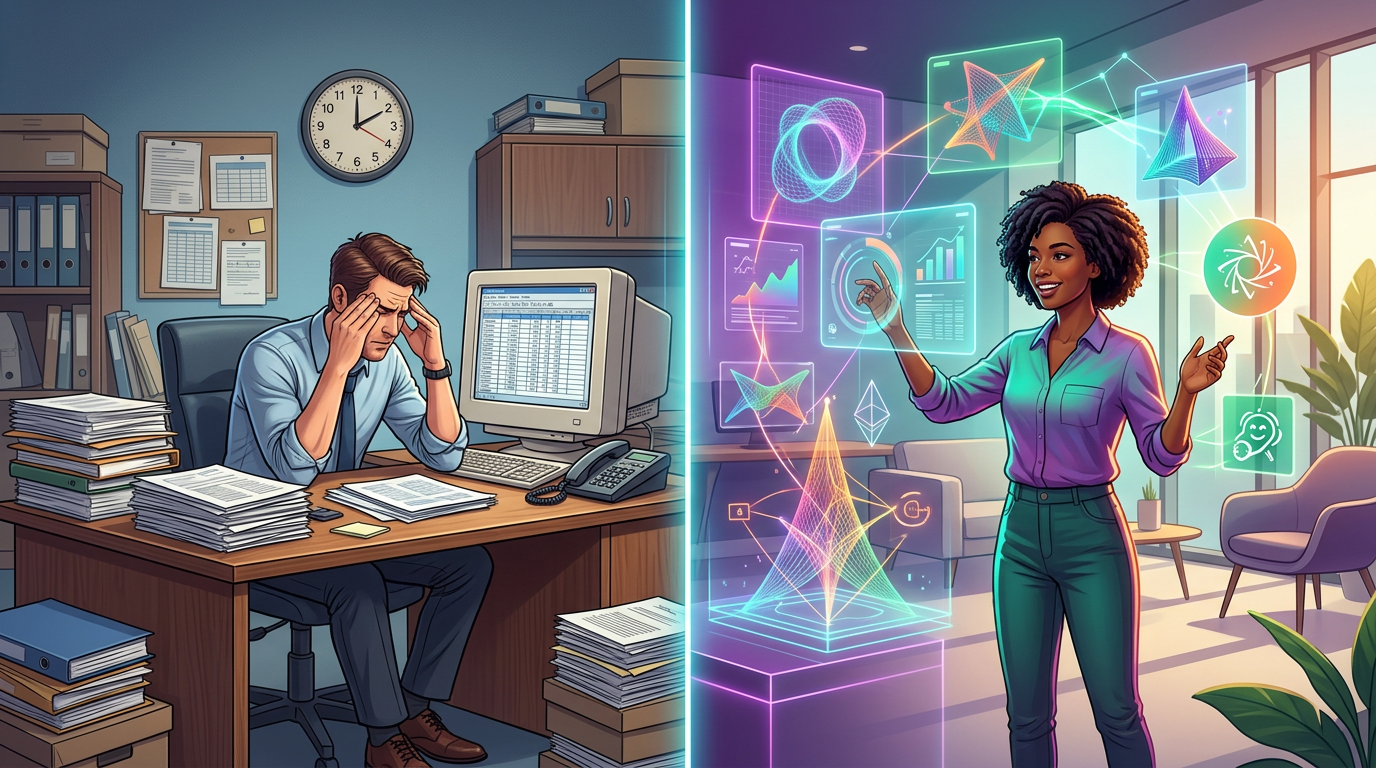
Fanfun represents this new model, allowing users to generate content in minutes rather than waiting for an availability window. This speed allows creators to match the velocity of the internet. Whether you are crafting a roast, a complex parody, or a high-concept meme, the ability to generate the output on demand is a force multiplier for productivity. It allows for a level of experimentation—testing different punchlines, adjusting the intensity of a delivery, or trying out a new visual aesthetic—that would be cost-prohibitive or physically impossible in a traditional studio setting. When you can iterate in real-time, your content becomes more responsive, more engaging, and significantly more likely to resonate with a fast-moving audience.
Choosing Your Digital Persona: A Framework for Engagement
Not every persona works for every type of content. Selecting the right digital avatar requires a clear understanding of the character's public image versus your intended goal. For high-energy, humorous, or celebratory content, you might lean toward a personality like Shaq, whose public persona is synonymous with fun and larger-than-life engagement. Alternatively, if you need a voice that carries weight, authority, or a specific brand of intensity, you might look toward a Dwayne Johnson AI to anchor your narrative.
The Persona Fit Matrix
When selecting a persona, consider the following checklist to ensure your message lands with the intended impact:
- Vocal Cadence: Does your content require a specific, recognizable rhythm of speech? Some personas are better suited for rhythmic, punchy jokes, while others excel at nuanced, slow-burn narration.
- Visual vs. Auditory: Is the character’s visual likeness essential, or is the voice the primary carrier of the message?
- Archetype Alignment: Does the persona align with the "vibe" of your content? Using a stoic figure for a chaotic meme is a deliberate choice that changes the reception of the satire.
- Real-Life vs. Fictional: Real-life icons provide a sense of grounded authority or "insider" commentary, whereas fictional characters like Spongebob Squarepants allow for heightened reality and absurdism that can make a satirical point more palatable.
The Evolution of Character-Driven Content
The democratization of these tools has changed how we think about fandom. We are no longer just passive consumers of content; we are now contributors to the mythos of our favorite figures. Whether it is leveraging the intensity of a sports legend like Kobe Bean Bryant to deliver a motivational promo or pulling in the nostalgia of a cultural icon like Mickey Mouse for a surrealist meme, the ability to interact with these personas creates a deeper, more personal connection to the media we love.
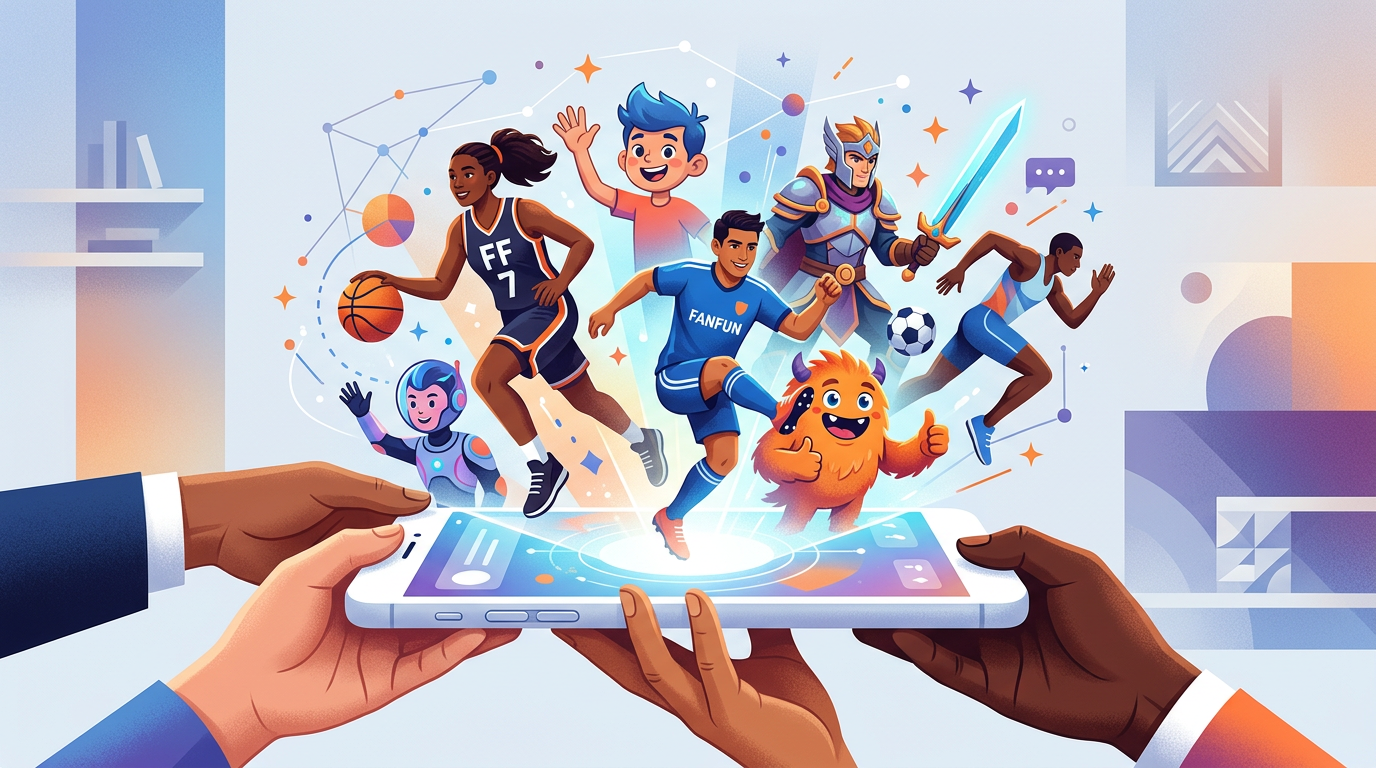
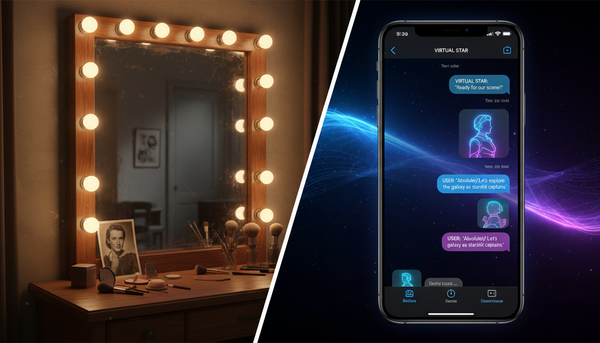
This evolution extends to interactive AI chat, where the experience is no longer a one-way street. Users can now engage in back-and-forth conversations that feel remarkably authentic, turning a simple video request into a living, breathing piece of fan-generated entertainment. This capability is rapidly becoming the standard for modern content creators who need to build "digital universes" that feel more alive than a static, pre-recorded clip ever could. When you can have a conversation with an AI version of a pop culture figure, the barrier between the audience and the content dissolves entirely. It is not just about watching; it is about participating in a dialogue that feels tailored to your specific interests and creative needs.
Ethical Creativity: Using AI Responsibly
With great power comes the responsibility to use these tools ethically. The most successful AI-generated content focuses on parody, fandom, and creative expression rather than deception. Platforms like Fanfun prioritize safety and respect for intellectual property, ensuring that the technology is used to enhance the fan experience rather than undermine it. When crafting your content, prioritize the "parody factor." The beauty of AI-driven satire is that it is clearly an interpretation—a digital caricature—rather than an attempt to mislead. By keeping your content fun, transparent, and within community guidelines, you can push creative boundaries while maintaining the trust of your audience. The goal is to celebrate the icons we admire, not to exploit them, and that is where the most creative, high-substance content is born. Whether you are using the Sydney Sweeney persona for a lighthearted project or exploring new ways to engage with your audience, transparency remains the best policy for creators who want to build a sustainable, long-term brand in the digital age. As we look forward, the integration of AI-driven personas will only become more seamless, making it essential for creators to master these tools today to stay ahead of the curve tomorrow.
Can I get a personalized video from any public figure?
Fanfun hosts a curated library of licensed and original personas. While we cannot generate content for every living person due to safety and ethical guidelines, our library is constantly growing to include a diverse array of cultural icons, athletes, and fictional characters.
How does AI video generation differ from booking a celebrity on Cameo?
The primary difference is speed and autonomy. Traditional platforms require you to book a real person, wait for their availability, and hope for a specific tone. Fanfun provides instant, on-demand generation, allowing you to iterate on your script and tone until it is perfect for your project.
Is it legal to use AI voices for satire and political commentary?
AI generation for parody and satire is generally protected under fair use principles, provided it is clear that the content is an AI-generated interpretation. Always ensure your content is labeled as parody or fan-made to maintain transparency and respect for the individuals involved.
How fast can I generate a video using Fanfun?
Videos are generated in minutes. Because the process is entirely automated through our AI platform, you can create, refine, and finalize your content in the time it would take to send a single email to a booking agent.