The Director’s Cut: Designing an AI Avatar Birthday Message That Bypasses the Uncanny Valley
Most AI birthday videos fail because they feel like robotic text-to-speech templates. Discover how to direct digital avatars with natural scripting, comedic timing, and tailored casting to create a memorable gift.
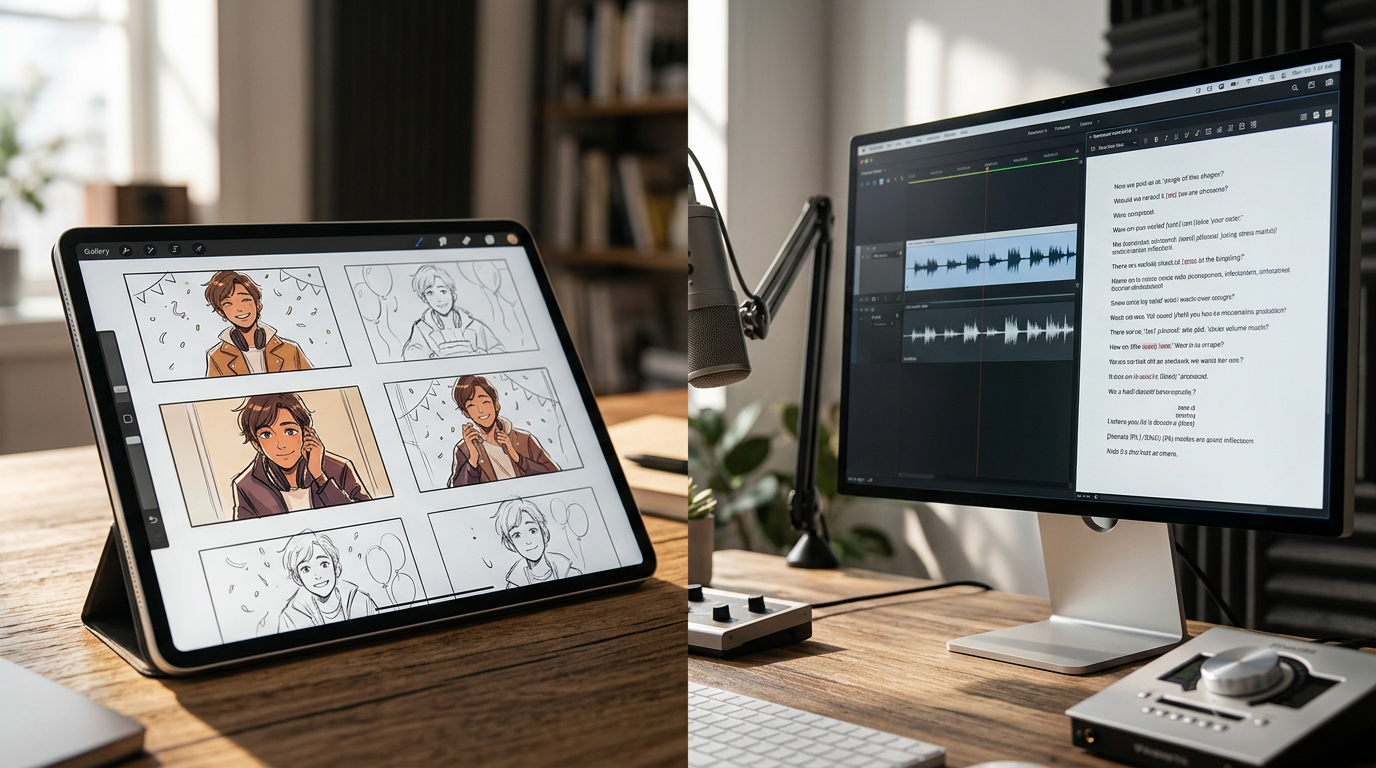
Most AI-generated birthday videos land with a thud. We have all seen them: a stiff digital rendering of a famous face staring blankly into the camera, reading off a generic prompt with the rhythmic cadence of a GPS navigation system. Instead of feeling like a thoughtful, high-tech gift, the recipient is left staring directly into the uncanny valley—that uncomfortable psychological space where a digital likeness is almost human, but just robotic enough to feel deeply unsettling.
To create an AI birthday message that actually delivers a genuine reaction, you have to stop treating the technology like a hands-off, text-to-speech template generator. You need to act like a digital director. By choosing the right platform, matching the avatar's native performance style to your recipient, and writing scripts that respect the natural flow of synthetic speech, you can transform a cheap automated gimmick into a premium, memorable milestone gift.
The Anatomy of a High-Impact AI Avatar Message
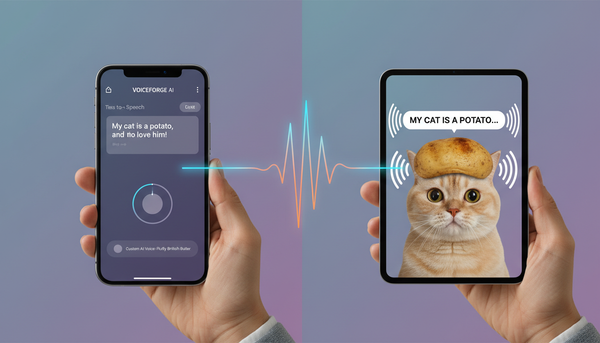
The difference between a throwaway robotic shoutout and a high-retention video is the depth of creative execution. Standard text-to-speech generators fail to capture the nuances of human celebration because they ignore pacing, emotional inflection, and context. When a human speaks, they pause for dramatic effect, raise their pitch on exciting words, and naturally slur certain syllables together. Standard generators treat every word with equal weight, resulting in a flat, monotone delivery.
Making a video that bypasses this robotic trap requires moving beyond passive celebrity booking. When you use traditional video shoutout platforms, you are at the mercy of a real creator's schedule, mood, and willingness to follow your script. When you take the director's chair, you gain complete creative control. This is where evaluating the baseline features of a birthday video message app becomes critical: you need a platform built for performance, not just static text conversion.
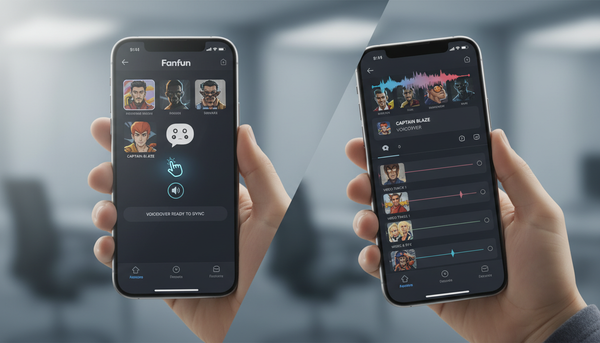
At Fanfun, we approach AI personas with this creative freedom in mind. By offering instant, interactive AI versions of cultural icons, anime characters, and athletes, the platform removes the bottleneck of real-world availability. More importantly, it allows you to shape a multi-dimensional experience. Instead of a static, one-way video clip that gets watched once and forgotten, creators can craft highly personalized messages or even allow the recipient to engage in two-way interactive conversations with the character, making the fandom experience feel active and alive.
Selecting Your Digital Cast: Character Matching for Maximum Impact
Every digital avatar has a native comfort zone. An AI version of an energetic sports icon cannot deliver a quiet, sentimental monologue without sounding unnatural. Similarly, a whimsical cartoon character shouldn't be forced to read a dry, corporate-style congratulatory note. To bypass the uncanny valley, you must match your character's visual and vocal archetype to the emotional tone of your script.
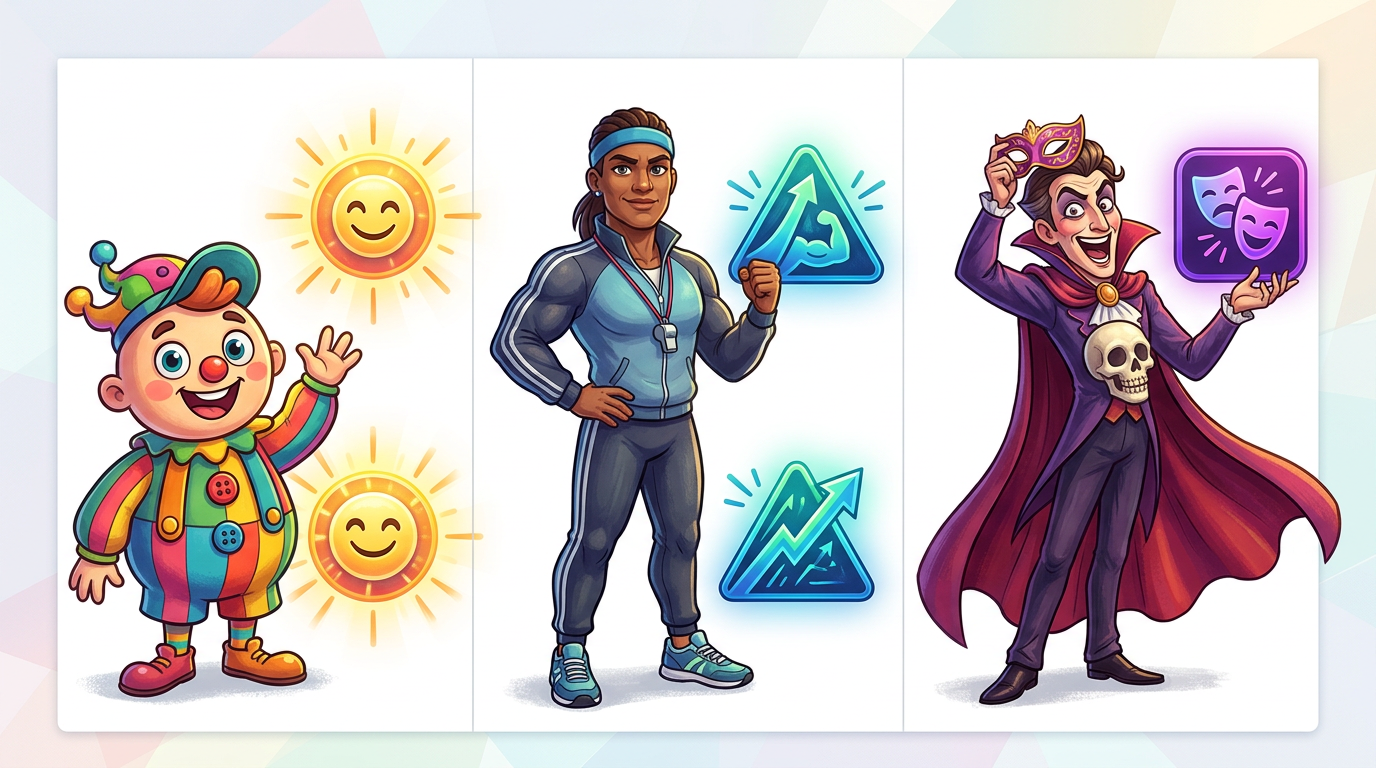
We can categorize the most effective digital avatars into three core archetypes:
- The Nostalgic Icon: Cartoon and anime characters (like Doraemon or classic heroes). These are perfect for heartwarming milestones, inner-child nostalgia, and whimsical, high-energy wishes. Because they are stylized animations, they bypass the visual uncanny valley entirely.
- The Hype Man: Athletes, action stars, and high-intensity personalities. Ideal for motivational messages, milestone achievements, and high-energy roasts. Their AI personas thrive on punchy sentences and exclamation points.
- The Comic Relief: Satirical figures, meme-worthy characters, and dry wits. These avatars excel at deadpan delivery and self-referential jokes.
Fictional and licensed characters offer a unique layer of personalization that traditional, real-life celebrity shoutouts simply cannot match. A real celebrity on Cameo is bound by their real-world brand and physical limitations. An AI avatar, however, can speak directly from their fictional universe—referencing specific anime lore, sports matches, or cartoon storylines—making the recipient feel like they have stepped directly into their favorite piece of media.
The Scriptwriting Blueprint: Writing for Synthetic Cadence
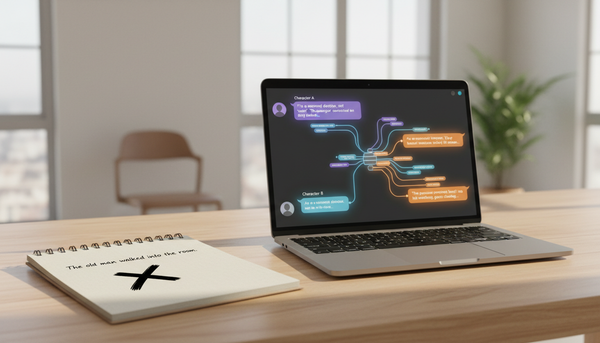
Synthetic voices do not read punctuation the way humans do; they interpret it as mechanical code. If you write a script exactly as you would write a text message, the AI will likely rush through sentences, stumble over complex names, and flatten your punchlines. You must write specifically for synthetic cadence.
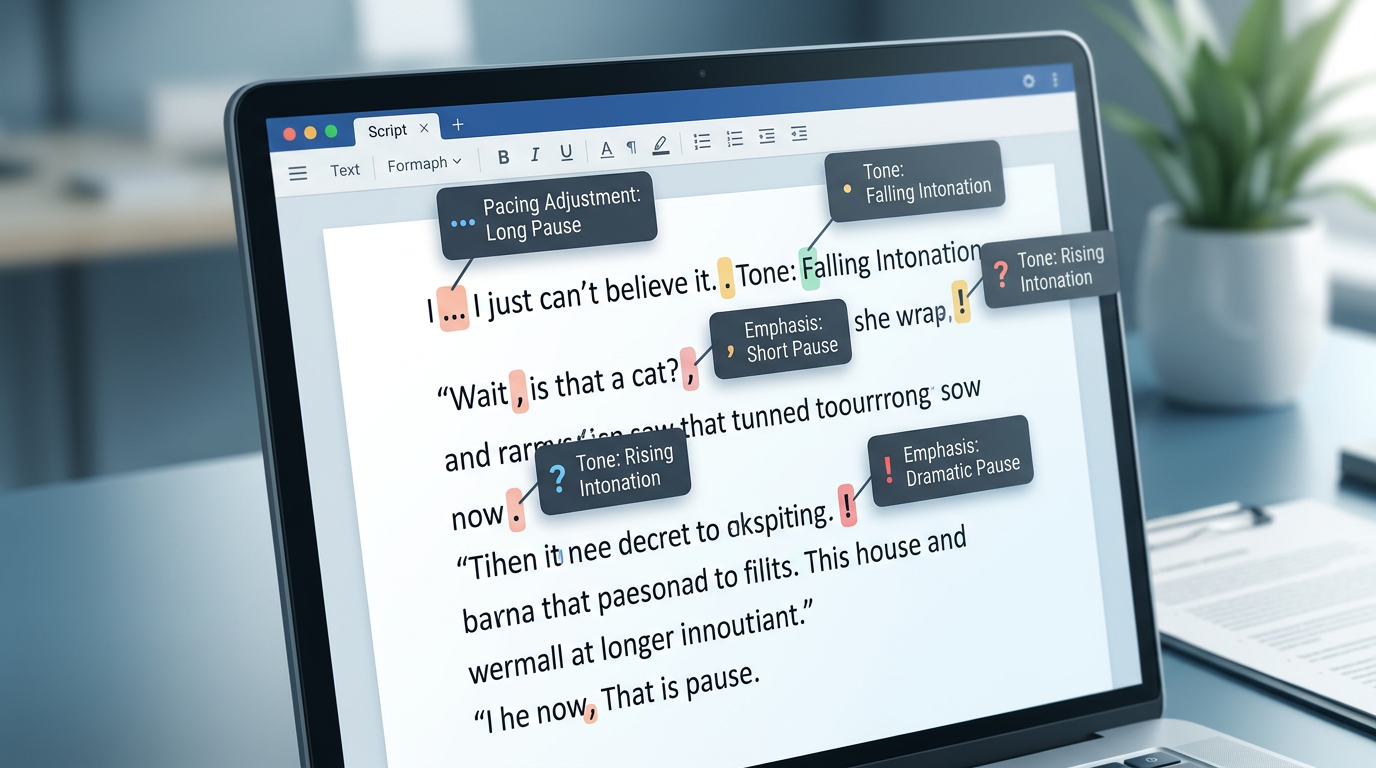
To make the delivery sound natural, start by structuring your script like a production playbook. Use the Hook-Roast-Toast structural framework to keep the recipient engaged from the very first frame:
| Script Phase | Target Duration | Objective |
|---|---|---|
| The Hook (0-10s) | First 10 seconds | Immediate name-drop and setting the scene. The avatar must establish why they are reaching out right away. |
| The Roast (10-30s) | Middle 20 seconds | A hyper-specific inside joke, gentle tease, or shared reference that proves this isn't a pre-recorded template. |
| The Toast (30-45s) | Final 15 seconds | The emotional anchor. A sincere birthday wish, a classic character catchphrase, or an encouraging send-off. |
Punctuation Hacks for Natural Pauses
Do not rely on grammatically correct sentences. Instead, use punctuation to force vocal pacing. Commas create brief, natural pauses. Ellipses (...) force a dramatic, lingering pause, which is perfect before delivering a punchline. Em-dashes (--) signal a sudden shift in thought, mimicking natural human conversation.
Phonetic Spelling for Niche Names
AI voice engines read phonetically. If your recipient has a unique name, a specific local slang term, or an obscure inside joke, spell it out exactly how it sounds. For example, instead of writing "Happy Birthday, Siobhan," write "Happy Birthday, Shiv-on." Instead of "Congratulations on your cache," write "Congratulations on your cash." Run short preview tests on your chosen platform to ensure the pronunciation is flawless before finalizing the render.
Directing the Performance: Comedy vs. Sincerity
Once you have selected your character and mapped out your script, you must decide on the performance's creative direction. Trying to blend deep, tear-jerking sincerity with absurd, chaotic humor in a 45-second video usually results in tonal whiplash. Choose one primary lane and commit to it fully.
The Comedy Route: Absurdity and the Self-Aware Roast
The most successful comedic AI videos lean heavily into the absurdity of the situation. The recipient knows they are looking at an AI representation of an icon—so call it out. Having a legendary anime warrior complain about being trapped in a digital video generator to wish "Dave from accounting" a happy 30th birthday is instantly funny.
When executing this style, mastering the delicate balance of the AI roast is essential. Keep the jokes focused on lighthearted, universally acknowledged quirks (like Dave's obsession with spreadsheets or his terrible golf swing) rather than heavy personal topics. The humor should stem from the contrast between the avatar's epic persona and the mundane details of the recipient's life.
The Sincere Route: Nostalgia and Milestones
If you are creating a message for a child, a parent, or a deeply passionate fan, sincerity is highly effective when anchored by nostalgia. A character like Doraemon delivering an encouraging pep talk about growing older and staying curious can be deeply moving.
To keep sincere messages from sounding cold or robotic, keep your sentences short and emotionally direct. Avoid long, complex clauses. Let the character’s native warmth do the heavy lifting, and use simple, evocative vocabulary that matches the character’s established canonical voice.
The Pre-Flight Checklist: Before You Hit Generate
Before you render your final video and send it off, run through this five-point quality assurance checklist to ensure your digital gift is polished, professional, and impactful:
- The Pronunciation Audit: Did the AI voice stumble, mispronounce, or flatten the name of the recipient or any specific inside jokes? If so, adjust the spelling phonetically.
- The Pacing Check: Does the video feel rushed? If the AI is speaking too quickly, insert commas, periods, or ellipses to break up the text blocks.
- Visual Alignment: Do the character's facial movements and expressions match the emotional high points of the script? (e.g., ensuring the avatar isn't smiling blankly during a sarcastic roast).
- Volume and Clarity: Is the background audio or character voice clear, free of digital clipping, and balanced properly?
- Delivery Format Selection: Decide how the recipient will experience the gift. Will you send them a direct video file, or will you invite them to interact directly with the character on Fanfun, allowing them to chat, ask questions, and keep the celebration going?
By taking control of the digital script, matching your cast to your recipient, and pacing the delivery like a seasoned director, you can turn artificial intelligence into a tool for genuine human connection. The magic isn't just in the technology—it is in how you direct it.
How do I make an AI avatar voice sound natural and less robotic?
To make an AI voice sound natural, avoid writing long, grammatically perfect paragraphs. Use punctuation strategically: commas for short pauses, ellipses (...) for dramatic pauses, and exclamation points to raise the vocal energy. Additionally, use phonetic spelling for names and slang so the AI pronounces them with human-like cadence.
Can I use fictional characters for an AI birthday message?
Yes! One of the biggest advantages of using AI platforms like Fanfun over traditional services like Cameo is the ability to use fictional, anime, and cartoon characters. This allows you to create highly creative, immersive messages that reference specific fictional universes and lore.
What is the ideal length for an AI avatar birthday video?
The sweet spot for an AI birthday video is between 30 and 45 seconds. This is long enough to deliver a highly personalized Hook-Roast-Toast structure without losing the recipient's attention or stretching the AI's performance limits to the point where the delivery starts to feel repetitive.
How can I ensure the AI correctly pronounces a unique name?
Spell the name phonetically in your script editor. For example, if the recipient's name is "Siobhan," type it out as "Shiv-on." If their name is "Raul," you might write "Rah-ool." Run a quick audio preview of just the name before generating the full, final video.