The Wack Pack Playbook: How to Channel Gary the Conqueror's Chaotic Radio Energy for High-Retention Content
Discover how to break down the mechanics of classic Y2K shock-radio chaos, adapt it ethically for modern audiences, and use tools like Fanfun to create high-impact, scroll-stopping audio and video content.
In a social media landscape dominated by hyper-polished aesthetics, pristine ring lighting, and carefully manicured scripts, audiences are experiencing "curation fatigue." There is a deep, nostalgic craving for the raw, unscripted, and delightfully chaotic energy of 90s and Y2K shock radio. Long before TikTok algorithms prioritized the first three seconds of a video, the Howard Stern Show's legendary "Wack Pack" mastered the art of immediate, unignorable attention-grabbing.
By understanding the mechanics of this classic radio chaos—specifically through the lens of one of its most memorable figures, Gary Loudermilk (traditionally known as Gary the Retard, later rebranded as Gary the Conqueror)—creators can inject high-impact, scroll-stopping unpredictability into their modern content pipelines. Through the right frameworks and modern platforms like Fanfun, you can capture this golden-era energy to keep viewers hooked from the very first frame.
The Anatomy of Wack Pack Energy: Why Raw Radio Chaos Still Works
The shift from hyper-curated aesthetic feeds to raw, "lo-fi" authenticity is one of the most significant trends in modern content creation. On platforms like TikTok and Instagram Reels, viewers are increasingly scrolling past overly produced brand videos in favor of raw, candid, and slightly unhinged content. This is where the psychology of "pattern interruption" comes into play. When an audience is accustomed to a predictable stream of smooth transitions and ASMR-style whispers, a sudden burst of high-energy, unpolished audio acts as a cognitive speed bump.
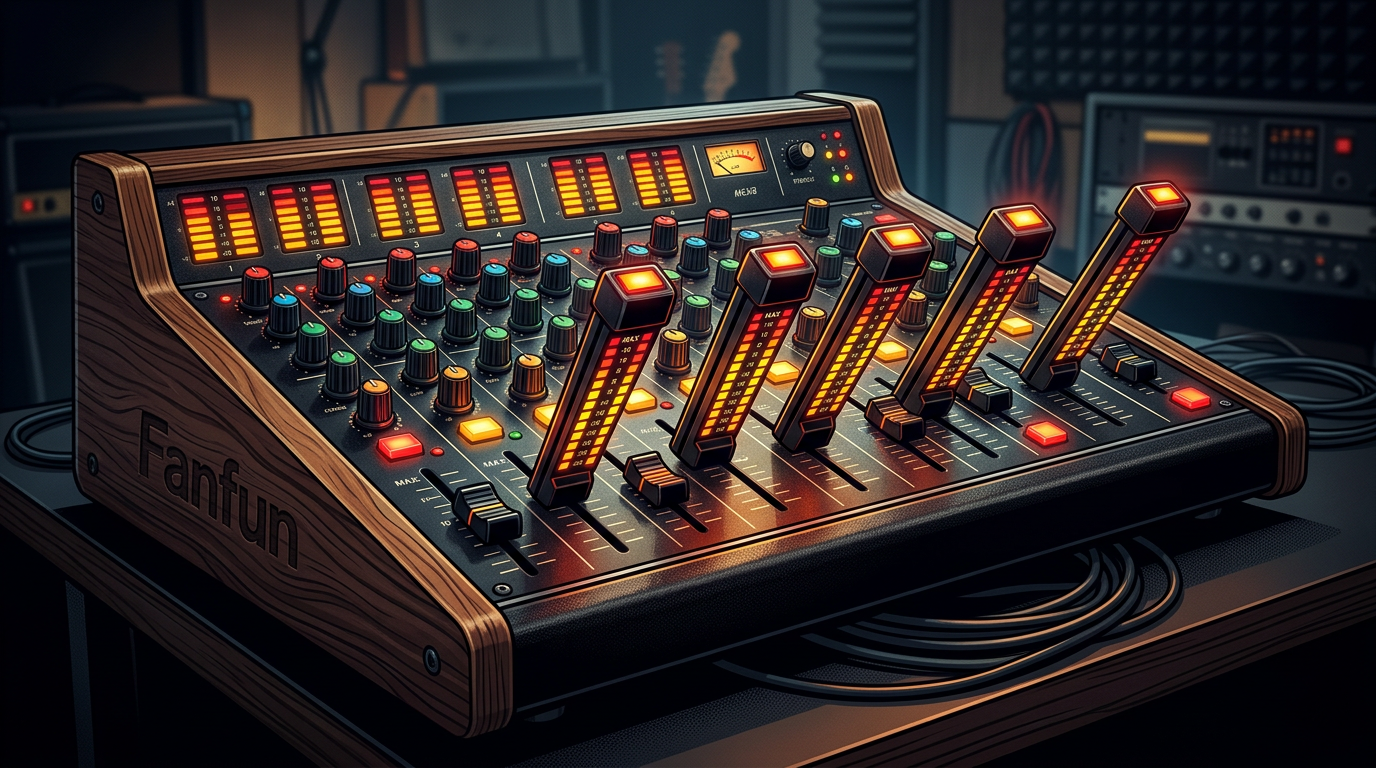
The legendary Wack Pack of the Howard Stern Show serves as the original blueprint for modern creator-led reality content. Characters like Gary didn't follow a teleprompter; they reacted in real-time, bringing an authentic, unfiltered humanity to the airwaves. This erratic pacing and natural delivery disrupted the listener's expectations, forcing them to stay tuned past the critical 3-second mark to see what would happen next. For today's digital creators, capturing even a fraction of this raw energy can dramatically boost average watch times and retention metrics.
From Gary the Retard to Gary the Conqueror: Navigating the Evolution of Shock-Jock Nostalgia
To successfully channel this style of content, creators must understand its history and navigate it with modern sensibility. Gary Loudermilk became a staple of the Howard Stern Show in the late 1990s, initially introduced under a highly outdated and offensive moniker. Recognizing the changing cultural landscape and wishing to honor Gary's beloved status on the show, the program officially rebranded him as "Gary the Conqueror" in 2014. This shift highlights an important lesson for modern creators: you can capture the nostalgic, high-octane energy of Y2K shock-jock radio without adopting its punching-down tendencies.
Channeling "conqueror" energy is about celebrating unbridled enthusiasm, literal interpretations, and unapologetic, loud-microphone delivery. Gary’s charm came from his absolute sincerity and his ability to completely derail a structured segment with sheer, joyful stubbornness. When adapting this for modern video, the goal is not to mock, but to emulate that pure, unfiltered excitement. It’s about leaning into a persona that is completely unbothered by social awkwardness, delivering lines with a booming voice, and treating minor, mundane topics with the dramatic weight of a historic battle.
The Chaos Blueprint: Frameworks for Unpredictable Content
How do you translate this into a structured content framework? It starts with the "Literalist Hook." Instead of opening a video with a complex, industry-standard hook, you open with an incredibly simple, literal, and humorous reaction to a complex topic. For example, if you are discussing the rise of artificial intelligence, a Literalist Hook doesn't explain neural networks; it starts with: "They put a brain inside the computer, and now the computer is screaming!" This immediate simplification grabs attention because it bypasses intellectual jargon in favor of visceral, comedic truth.
Once the hook is set, maintaining high-energy engagement requires deliberate manipulation of vocal pacing and volume. Classic radio hosts knew that a monotonous voice is a death sentence for retention. By incorporating sudden volume shifts—dropping to an intense whisper before exploding into a rapid-fire, loud-mic delivery—you mimic the unpredictable cadence of live, unscripted radio. It keeps the viewer's brain constantly resetting, anticipating the next auditory shift.
The "Yes-And" of Absurdity
For solo creators working without a co-host or a live caller, you must learn to treat your own script as a chaotic, multi-way conversation. This is where the improvisational concept of "Yes-Anding" your own absurdity comes in. You can simulate a live, unhinged broadcast environment by introducing self-interruptions. Ask yourself a question mid-sentence, disagree with your own point, or use sudden soundboard effects (like a classic radio foghorn or a dramatic buzzer) to disrupt your own flow. By acting as both the host and the chaotic caller, you build a self-contained ecosystem of entertainment that feels alive, unpredictable, and incredibly fun to watch.
Comparing the Classics: Shock-Radio Energy vs. Modern Social Archetypes
To help you determine which high-energy style fits your specific content niche, it is useful to compare classic shock-radio energy with other dominant social media archetypes. While some creators thrive on hyper-focused gaming hype, others command attention through unshakeable, larger-than-life confidence.
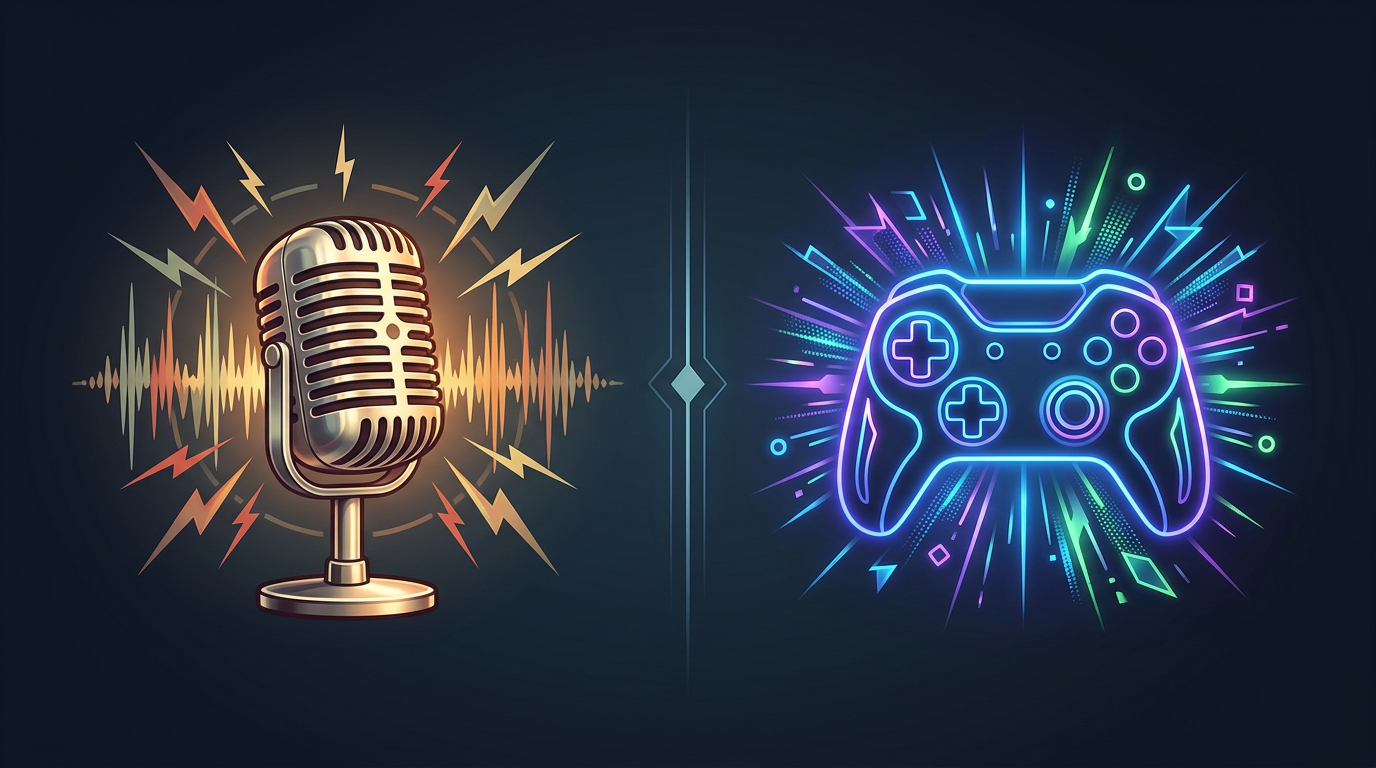
Below is a comparison framework showing how these different high-impact personas drive retention across various platforms:
| Archetype | Core Delivery Style | Retention Mechanism | Best Content Niches |
|---|---|---|---|
| Classic Radio Chaos (Gary style) | Loud-mic, literal hooks, sudden volume shifts, self-interruptions | Pattern interruption & cognitive resetting | Comedy, reaction videos, cultural commentary |
| Modern Gaming Hype | High-frequency commentary, rapid visual cuts, soundboard spam | Overstimulating visual & auditory loops | Let's Plays, stream highlights, challenge videos |
| Unshakeable Confidence | Bold declarations, unyielding eye contact, absolute certainty | Authority bias & curiosity loops | Business, sports commentary, motivational content |
If you want to build a community around high-intensity interactive media, you might contrast this raw radio style with the high-retention tactics outlined in our CookieKing playbook. On the other hand, if your content relies on bold, unshakeable declarations to command authority, your approach might look similar to the unyielding confidence explored in the LaVar Ball playbook. Choosing the right energy profile allows you to align your performance style with your audience's expectations.
Bringing the Noise: How to Use Fanfun to Scale Nostalgic, Chaotic Audio
Recreating the golden era of chaotic radio requires more than just a loud microphone; it requires a diverse toolkit of voices, sound drops, and rapid-fire character interactions. Historically, producing this kind of multi-character, highly dynamic content required expensive voice talent, complex editing software, and hours of post-production. Today, platforms like Fanfun are changing the game, allowing creators to instantly and affordably scale nostalgic, high-energy audio.
Through Fanfun's AI voice generator and personalized video tools, creators can generate custom audio drops, voiceovers, and interactive character dialogue in minutes. Instead of waiting days for a voice actor or evaluating the high costs of traditional celebrity shoutouts versus scalable AI alternatives, you can instantly craft a unique audio meme or a personalized video roast that perfectly captures the "conqueror" spirit. This speed is crucial for capitalizing on fast-moving social media trends.
When a new meme format takes off, Fanfun enables you to script, generate, and publish a high-impact, chaotic radio-style video before the trend loses steam, keeping your content pipeline fresh, unpredictable, and highly engaging.
Who is Gary the Conqueror from the Howard Stern Show?
Gary the Conqueror (born Gary Loudermilk) is a long-time member of the Howard Stern Show's "Wack Pack," a group of eccentric and highly memorable individuals who became staples of the show's chaotic, unscripted segments starting in the late 1990s.
Why did Howard Stern change Gary the Retard's name?
In 2014, Howard Stern officially rebranded several Wack Pack members to phase out outdated and offensive terms. Gary Loudermilk's moniker was permanently updated to "Gary the Conqueror" to reflect a more respectful tone while keeping his iconic energetic persona intact.
How can creators ethically use classic shock-radio humor today?
To use this style ethically, focus on "punching up" or celebrating pure, unbridled enthusiasm and literalism rather than mocking anyone's vulnerabilities. The humor should come from pattern interruption, loud-mic delivery, and humorous self-interruptions rather than mean-spirited jokes.
What is the best way to generate chaotic, high-energy voiceovers for social media?
Using Fanfun's AI voice generator allows you to instantly create high-energy, nostalgic character voices and custom sound drops. It is an affordable, fast, and scalable alternative to traditional voiceover production, perfect for matching the speed of social media trends.