The Samwise Effect: Why Heart-Centered AI Voices Are Changing Storytelling
Aggressive AI voices are everywhere, but they are losing their impact. Discover why the 'loyal companion' archetype is the secret to building genuine emotional weight in your digital content.
The Anatomy of an Earnest Voice
In the current content landscape, most creators default to high-octane energy. We see a constant stream of aggressive, commanding, or hyper-excited narrations. While the high-octane intensity of Dwayne Johnson AI or the larger-than-life presence of Shaq are undeniable tools for grabbing attention, they aren't always the right choice for sustained storytelling. There is a massive, untapped content gap for the 'loyal companion' voice—an earnest, steady delivery that prioritizes vulnerability over volume.

An earnest voice works because it creates trust. Unlike the 'hero' trope, which demands the audience look up to the speaker, the 'loyal companion' archetype invites the audience to stand beside them. This tone is characterized by a slower cadence, a lower frequency of dramatic inflections, and a sense of genuine resolve. It is the vocal equivalent of a steady hand on the shoulder. When you use this tone in tutorials, long-form storytelling, or emotional brand narratives, you aren't just delivering information; you are building a relationship.
The shift toward these grounded tones is a direct response to the saturation of 'shouty' marketing. When every ad, explainer video, and social clip screams at the viewer, the audience eventually tunes out. By contrast, an earnest voice acts as a pattern interrupt. It forces the listener to lean in, creating a sense of intimacy that is difficult to replicate with standard, high-energy text-to-speech engines.
Why Vulnerability Wins in Digital Media
Vulnerability is a high-stakes play in content creation. When an AI voice sounds too perfect or too intense, the audience subconsciously labels it as a 'sales pitch.' When an AI voice adopts a more earnest, human-like, and slightly imperfect cadence, the listener is more likely to drop their guard. This shift is critical for audience retention, as viewers are more likely to finish a video if they feel the narrator is being honest with them rather than performing for them.
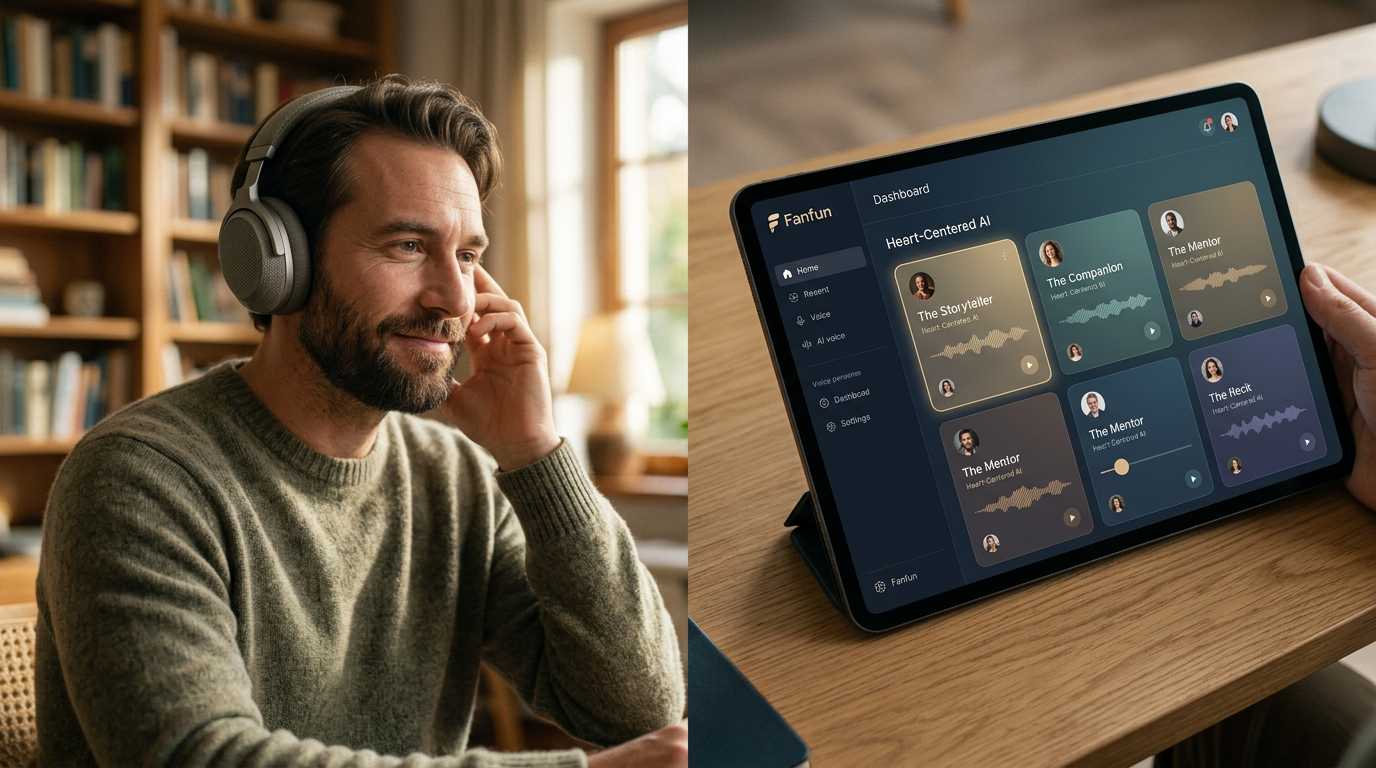
Think about the difference between a lecture and a fireside chat. An aggressive voice is a lecture; an earnest, character-driven voice is a conversation. This is where the Fanfun platform excels. By providing a diverse library of personas, we allow creators to move beyond the "one size fits all" approach to AI audio. Whether you are using a persona like Mickey Mouse to evoke nostalgia or a more grounded, original persona to build trust, the key is matching the vocal performance to the emotional goal of the content.
The Science of Pacing and Breath
One of the most overlooked aspects of AI audio is the use of silence. In high-energy content, silence is viewed as 'dead air.' In earnest storytelling, silence is the canvas upon which the emotion is painted. When you use an AI voice generator to create a narrative, you must intentionally script for pauses. By letting the AI 'breathe' between phrases, you allow the listener to process the information. This pacing mimics real-world speech patterns, which is exactly why it feels more authentic than the rapid-fire delivery of typical automated narrators.
Beyond the Action Hero: Diversifying Your Digital Cast
The modern creator faces a real threat of 'voice fatigue.' If every tutorial, meme, and brand update is delivered by the same aggressive, high-energy AI template, the audience becomes desensitized. To break through the noise, you need to diversify your digital cast. Fanfun allows creators to pivot between these archetypes instantly, ensuring that the voice matches the emotional beat of the video rather than just the genre.
Consider the difference in impact: A commanding voice tells the viewer what to do, but a steady, earnest voice explains why it matters. By swapping your standard narrator for a persona that feels grounded and supportive, you change the power dynamic of your content from 'instructor vs. student' to 'partner vs. partner.' This subtle shift is exactly why platforms like Fanfun are becoming essential for creators who want to build a loyal community rather than just chasing clicks. When you use The Rock Dwayne Johnson for a high-energy intro, you capture attention; when you follow it up with an earnest, supportive voice for the core message, you retain it. This hybrid approach ensures you get the initial hook from the star power while keeping them engaged with the substance.
Applying the 'Sidekick' Archetype to Your Content
Applying the 'sidekick' or 'earnest hero' voice doesn't require a total overhaul of your production. Start by identifying the 'emotional anchor' of your video. If you are launching a new product, don't just shout about the features. Use a voice that sounds like a trusted friend explaining why this tool made their life easier. In educational or fitness content, an earnest, encouraging voice can provide the motivation that a generic, robotic text-to-speech engine simply cannot replicate.
Pacing is the secret ingredient here. When working with an earnest AI voice, you must allow for more pauses. Let the sentences 'breathe.' If you force an earnest voice to speak at a rapid-fire, high-intensity pace, you lose the vulnerability that makes the archetype work. Adjust your script to include shorter, more impactful sentences, and let the AI voice emphasize the weight of the message. If you are trying to reach a younger or more playful demographic, you might even integrate the recognizable cadence of Spongebob Squarepants to bring a sense of levity to an otherwise dry topic, balancing the earnest message with a touch of familiar comfort.
Building Your Digital Cast: A Content Creator’s Framework
To keep your content fresh, you need a clear strategy for selecting your AI voices. Use this 'Emotional Mapping' framework to decide which persona fits your current project:
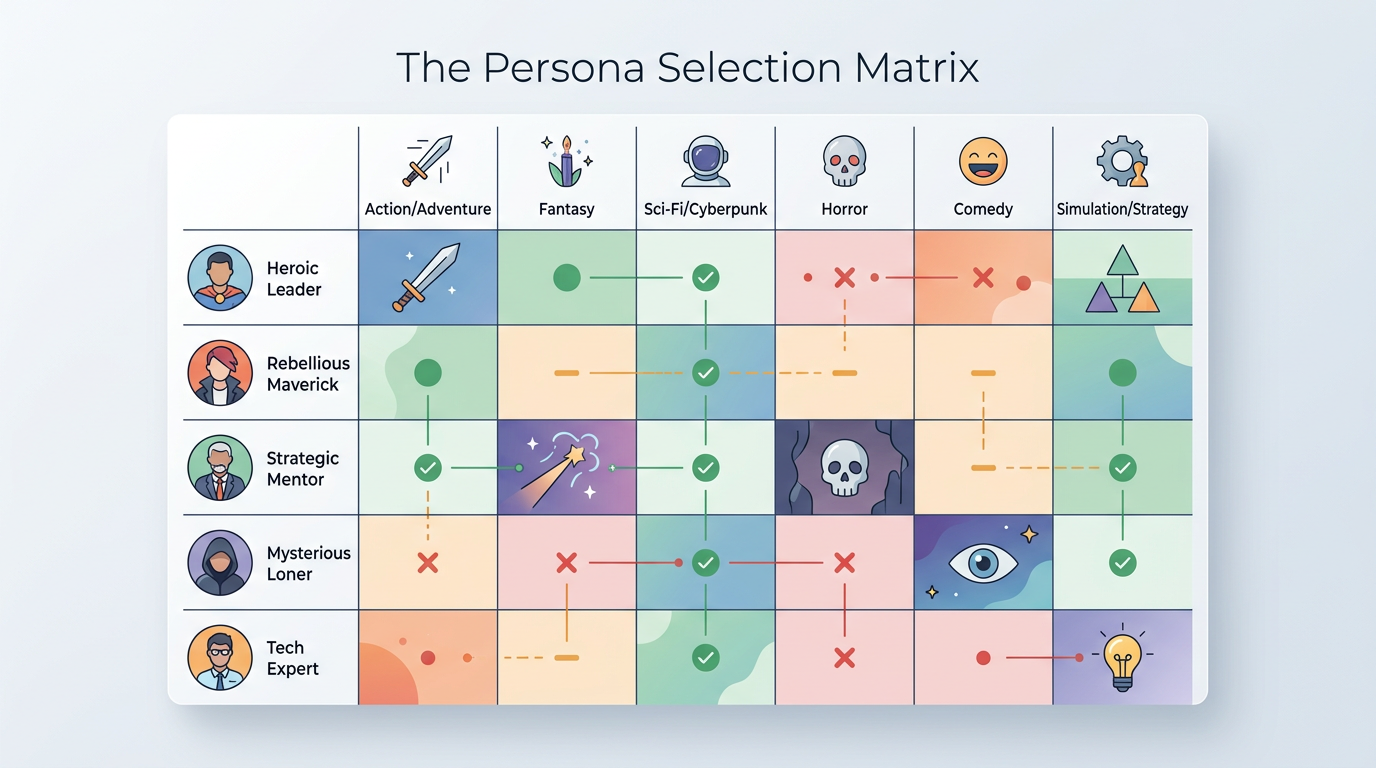
- High Stakes/Comedy: When the goal is humor or high energy, lean into recognizable, stylized icons. These voices have built-in context that immediately signals to the viewer how to interpret the scene.
- Narrative/Tutorial: If the goal is trust, education, or deep engagement, pull from your library of grounded, earnest personas.
- Brand Identity: Choose one persona to be your 'voice of the brand' for consistency, but maintain a secondary 'guest' persona for special segments or emotional pivots. For example, if you are building a personal brand, using AI Kylie Jenner for specific trend-focused segments can provide a high-fashion, relatable edge, while your primary narrator remains the grounded, earnest anchor.
By treating your AI voice library as a real cast of characters, you maintain brand consistency while ensuring every piece of content feels unique. The goal is to move your audience from passive consumption to active, two-way interaction. This strategy prevents the listener from feeling like they are being talked at by a machine, and instead, they feel like they are being guided by a personality they recognize and trust.
The Future of Interactive Fandom
We are moving away from the era of static content. Listeners today prefer voices that feel like they have a history, a personality, and a point of view. Through Fanfun, creators can bridge the gap between simple AI generation and genuine emotional connection. Whether you are using a character to narrate a story, offer encouragement, or simply act as a guide through your content, the 'Samwise Effect' proves that sometimes, the most powerful voice in the room is the one that sounds like a friend. By leveraging the right persona at the right time, you turn your content into a destination rather than just another scrollable video. The future of content isn't just about who can shout the loudest; it is about who can foster the deepest connection through the thoughtful application of voice.
How do I choose the right AI voice for my video content?
Start by identifying the emotional core of your video. Is it a high-energy promo, or a heartfelt story? Use high-intensity voices for action and 'earnest' or grounded voices for tutorials and personal narratives.
Can I use AI voices to make my storytelling feel more authentic?
Yes, by choosing voices with nuance and avoiding the 'robotic' or 'aggressive' defaults. Focus on pacing and tone that match the message of your story to build trust with your audience.
Why is character-driven AI better than standard text-to-speech?
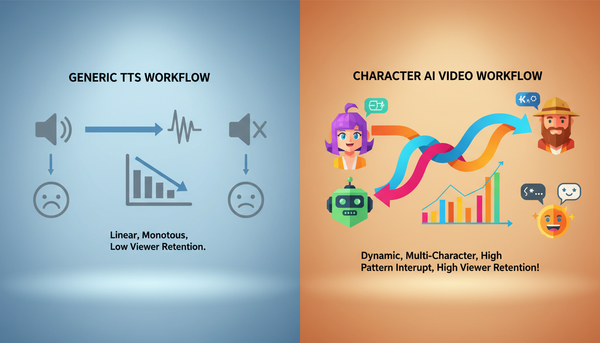
Character-driven AI provides specific, recognizable, and personality-rich vocal interpretations. It moves beyond the flat, generic tone of standard text-to-speech, allowing you to build a unique brand identity.
How does Fanfun help with creating emotional brand content?
Fanfun provides a diverse library of personas—from iconic characters to grounded voices—that allow you to match the exact emotional tone of your campaign, helping you connect more deeply with your audience.