The Rhetoric of Realism: Why Creators Are Turning to AI for Iconic Speech
Moving beyond mere novelty, AI voice generation is becoming a sophisticated tool for storytelling. Learn how to capture the specific cadence and rhythm that bring iconic personas to life.
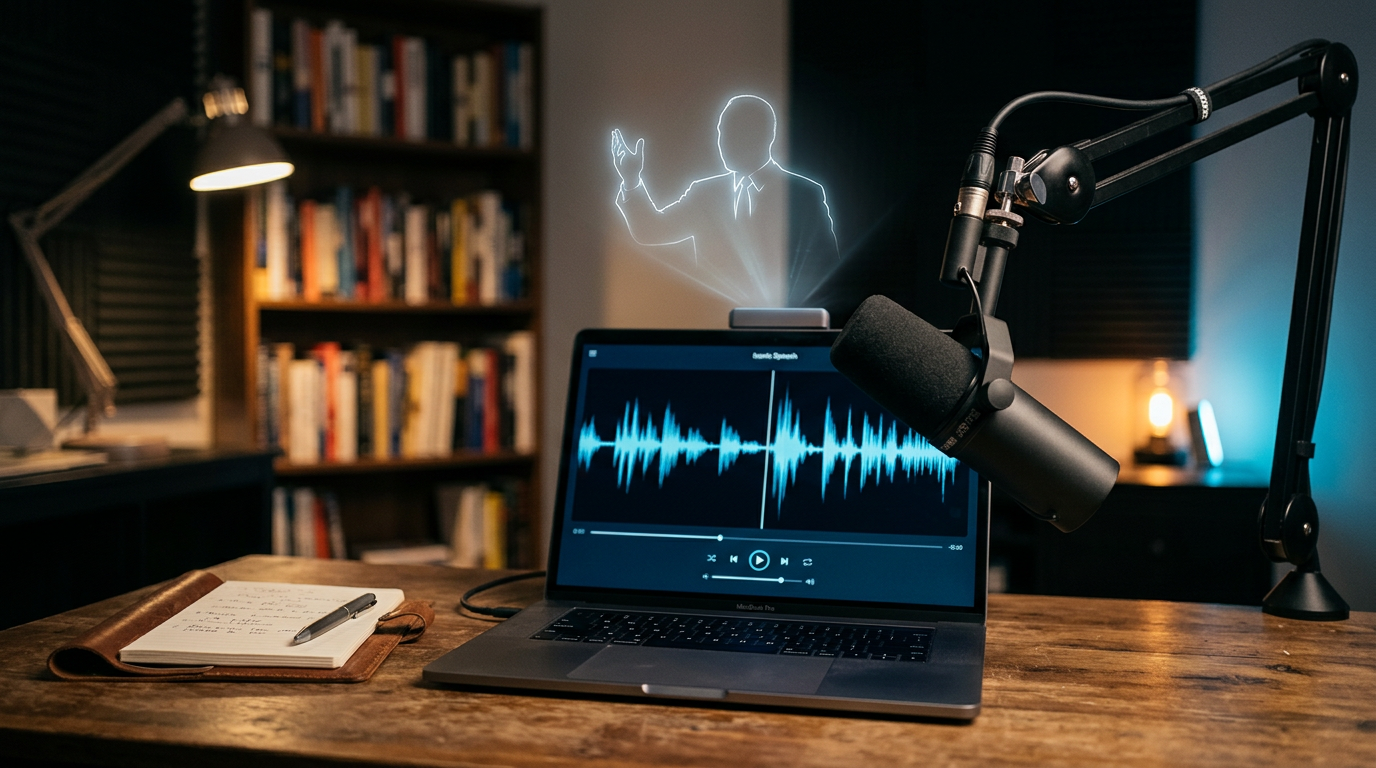
The most common mistake creators make when using AI voice tools is focusing exclusively on pitch and timbre. While a voice model might technically match the frequency of a well-known figure, the true "uncanny valley" effect occurs when the rhythm and rhetorical structure fail to align. Iconic speakers rely on specific patterns—pauses, breath control, and idiosyncratic sentence lengths—that define their presence more than their actual vocal cord vibration.
Effective AI voice generation requires an understanding of the character's internal logic. For example, a high-energy persona might favor short, punchy sentences, while a more authoritative figure might utilize elongated, rhythmic clauses. Over-relying on catchphrases often ruins the immersion because it signals to the audience that the content is a caricature rather than a character. At Fanfun, we find that the most compelling results come from testing varied phrasings within the tool to see how the AI handles different grammatical structures. By treating the AI as an actor rather than a soundboard, you can iterate on "the vibe" until the delivery feels authentic to the figure's established persona.
Beyond the Impression: Capturing the Cadence
To move from amateur to professional-grade content, your workflow must prioritize scripting for the ear. When writing for an AI voice, avoid complex vocabulary that sounds academic or stiff; instead, focus on conversational rhythm. Use punctuation to dictate pacing: em-dashes and ellipses are your best tools for forcing the AI to pause in ways that human speakers naturally would. Think of your script as a musical score where every comma is a beat of silence.
Layering is the secret weapon of high-production-value creators. Never rely on the raw audio file alone. By placing the AI voice over a subtle soundscape—a low-frequency hum, a specific iconic musical motif, or ambient noise—you ground the voice in a physical space. When you need a highly recognizable, high-fidelity result, utilizing a dedicated platform like the Donald Trump AI voice offers a level of precision that generic, "one-size-fits-all" text-to-speech generators simply cannot match, as these specialized models are tuned to the unique verbal tics and speech patterns of the individual.
Consistency is the primary way to maintain this quality. If your audio quality is crisp and professional, but your visual edit is low-effort, the disconnect will be glaring. Always ensure that the energy of the voiceover matches the pace of your cuts. In a saturated market, the "Three-Second Rule" is your most important metric. If you haven't hooked the viewer with the voice, the cadence, and the visual context within three seconds, they will scroll past. Your goal is to create a seamless experience where the AI voice feels like a natural extension of the visual narrative.
The Scripting Checklist for AI Performance
Before hitting generate, audit your script against these four critical pillars to ensure the AI output sounds like a performance rather than a robot reading a manual:
- Breathability: Have you included natural pauses? Use ellipses (...) to simulate a breath or a thoughtful hesitation.
- Sentence Variance: Are your sentences all the same length? Mix short, staccato bursts with longer, flowing thoughts to mimic human speech patterns.
- Emotional Anchors: Does the script include descriptive cues? If the AI allows for style settings, ensure the tone matches the context (e.g., urgent, whisper, or booming).
- Phonetic Reality: Read the script aloud. If you trip over a word, the AI will too. Simplify complex phrasing to ensure smooth delivery.
Scripting for the Persona
Writing for AI requires a different mindset than writing for a human actor. You are essentially providing a set of instructions for the model to interpret. Start with a strong, character-specific opening statement that establishes authority or humor immediately. If your character is a high-octane action star, like the persona found in Dwayne Johnson AI, keep sentences short and urgent to mimic his signature intensity. Conversely, if you are working with a more whimsical character, such as the Mickey Mouse voice, prioritize warmth and elongated vowel sounds to maintain the charm.
The pacing of your script is paramount. If the AI is rushing, add more punctuation to force natural breath pauses. If it is dragging, remove unnecessary adjectives. Test your scripts by reading them aloud in the voice of the character; if you find yourself stumbling, the AI will likely struggle as well. This iterative process is where the magic happens, turning a simple text-to-speech output into a genuine performance.
Building Multi-Character Narratives
AI voice technology has moved past the novelty of simple memes. Today, creators are using these tools to build "what-if" scenarios that were previously impossible without a massive production budget. Whether it is an alternate history monologue or a fictionalized meeting between two cultural icons, the ability to generate speech for characters like The Rock Dwayne Johnson allows for a level of creative freedom that changes how we approach digital storytelling.
For those building larger projects, consider creating a cast of characters. By mixing different personas—such as incorporating a high-energy athlete like Lionel Messi or the cultural presence of Sydney Sweeney—you can build complex, multi-character narratives. This approach transforms your content from a single gimmick into a fully realized creative project. The key is to ensure each character has a distinct voice profile and rhetorical style that complements the others, creating a balanced and engaging dialogue.
The Future of Interactive Fandom
Short-form comedy sketches benefit most from this technology, as the turnaround time allows for rapid iteration on topical trends. Instead of waiting for a celebrity to provide a cameo, you can produce content that reacts to real-time events, keeping your channel relevant and fresh. This shift from static, one-off memes to dynamic, interactive content is defining the next era of social media, where the audience expects characters to react and evolve.
As you refine your process, remember that the most successful content is that which respects the audience's intelligence. Do not lean on the novelty of the AI voice alone. Use it as a vehicle to tell better stories, create more engaging roasts, or deliver more impactful birthday wishes. By combining the precision of specialized AI models with thoughtful, character-driven scripts, you can elevate your content creation to a professional standard that resonates with fans and creators alike. The barrier to entry has dropped, but the premium for quality remains high; those who master the nuance of the voice will be the ones who define the next generation of digital media.
How do I make an AI voice sound more natural and less robotic?
The key is punctuation. Use commas, periods, and ellipses to control the pacing and breath patterns of the AI. Additionally, avoid overly complex sentences; keep your script conversational and rhythmic.
Can I use AI voices for commercial content creation?
Always check the specific platform's terms of service. Fanfun offers tools designed for creators to use in their content, but it is important to ensure your usage aligns with creative ethics and intellectual property guidelines.
What are the best alternatives to expensive celebrity voice actors?
AI voice generators are the most efficient alternative. They provide instant results at a fraction of the cost of traditional talent, allowing for rapid iteration and experimentation without the logistical hurdles of booking real actors.
How does Fanfun differ from generic AI voice generators?
Fanfun specializes in high-fidelity, persona-specific models. Unlike generic tools that focus on generic "male" or "female" voices, our library is tuned to the specific speech patterns, cadence, and rhetorical style of iconic figures and characters.