The Rhetoric of AI: Why the Donald Trump AI Voice is the Ultimate Tool for Satirical Content Creation
Satire thrives on rhythm and recognition. We break down how to use AI-driven personas to move beyond simple impressions into high-substance digital parody through the lens of modern fandom.
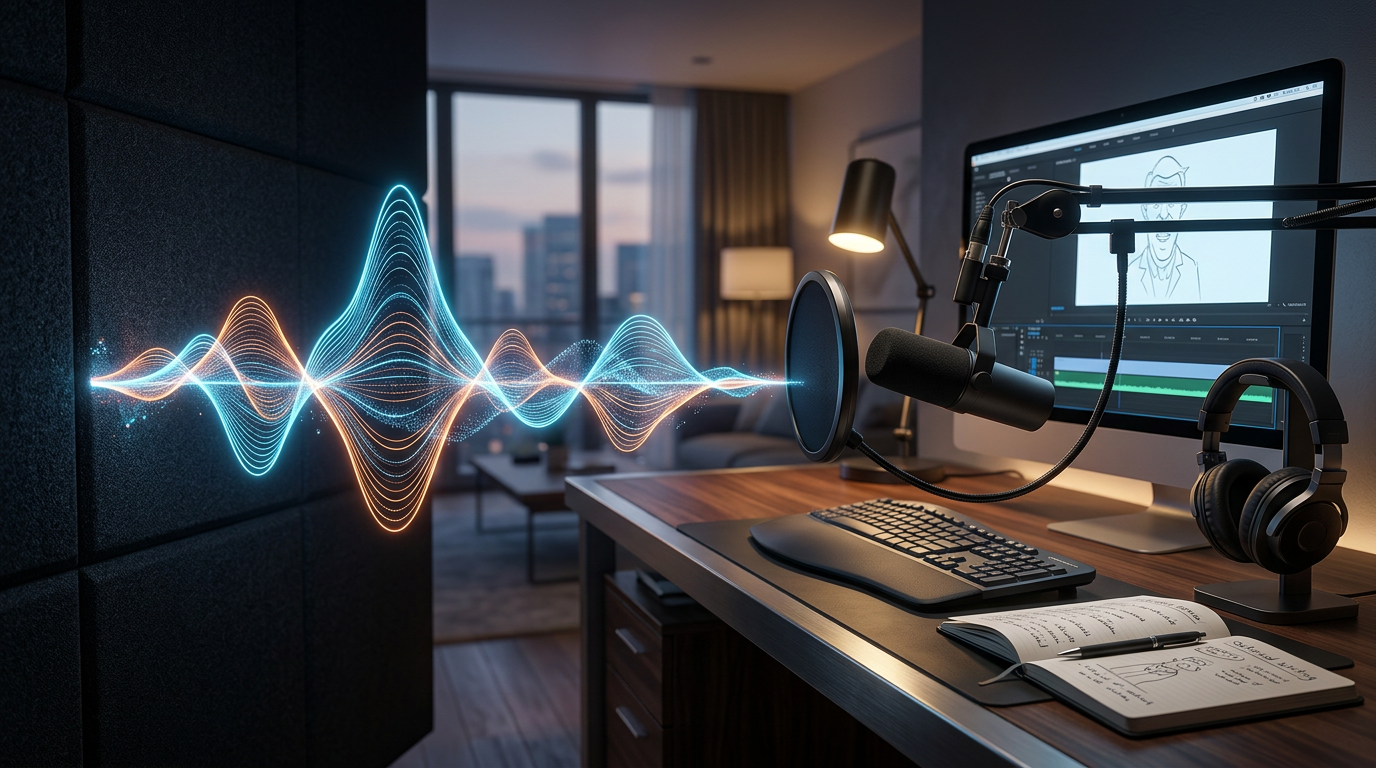
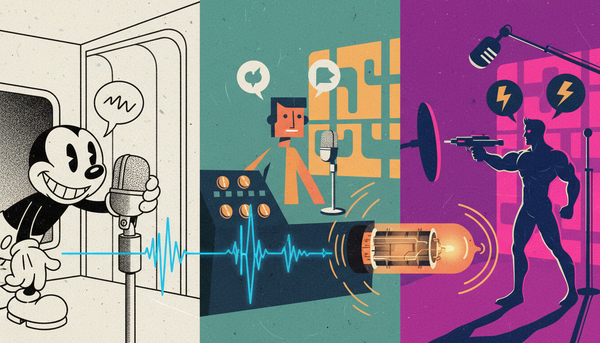
Satire is rarely about the exact pitch of a voice; it is about the rhythm of the delivery. The most recognizable public figures possess a unique linguistic signature—a cadence that acts as a shorthand for their entire persona. When you analyze the rhetoric of someone like the figure represented by the Donald Trump AI voice, you aren't just looking for an impression; you are looking for a specific structural pattern: the repetition, the hyperbolic adjectives, and the strategic pauses that build tension before a punchline. This is the foundation of high-substance digital parody.
In the digital age, the ability to replicate this cadence allows creators to move past the limitations of human mimicry, which often falters under the pressure of long-form scripts or complex, rapid-fire humor. With AI, you can maintain that signature cadence across an entire script, ensuring the character never breaks rhythm. This consistency is the difference between a throwaway meme and a recurring, high-substance character bit that an audience can actually invest in.
Decoding the Cadence: The Anatomy of a Parody Script
Every iconic public figure has a "rhetorical fingerprint." For some, it is the rapid-fire, high-energy delivery of a sports legend like Shaq, who uses volume and sudden shifts in tone to command attention. For others, it is the measured, aspirational, and deeply focused vocabulary associated with legends like Kobe Bean Bryant. When you use Fanfun to build your content, you are essentially licensing these rhetorical fingerprints to serve your narrative.
To create effective satire, you must first deconstruct the character. Start by writing a script that leans into their most famous speech patterns. If you are using the Dwayne Johnson AI, your script should prioritize intensity, direct address, and a specific brand of motivational bravado. The goal isn't just to sound like them; it is to inhabit the logic of their public persona. When the AI voice delivers your lines, the audience should recognize the character's "voice" even if the content is entirely original or absurd.
The Mechanics of Modern Fandom
The landscape of internet humor has shifted from passive consumption to active participation. Fans no longer want to just watch a static video; they want to engage with the concepts, remix them, and see their favorite icons placed in absurd, niche scenarios. This is the sandbox model of creativity that Fanfun provides. By using AI to bridge the gap between global pop culture icons and specific, creator-driven humor, you are essentially building a digital stage that was previously inaccessible to anyone without a Hollywood budget.
The shift away from static Cameo-style shout-outs toward interactive AI experiences signals a new era of fandom. In this space, you aren't just requesting a greeting; you are directing a scene. This creative autonomy allows for a level of nuance—irony, satire, and subversion—that is impossible when relying on a celebrity's actual availability or willingness to perform a specific script. You are the director, the writer, and the producer, using the AI as your lead performer. Whether you are crafting a skit featuring Sydney Sweeney or a lighthearted educational clip with Mickey Mouse, the power lies in your ability to control the narrative output.
Scaling Your Creative Output with AI Personas
To build a successful content channel, consistency is your most valuable asset. The most effective creators use a rotating cast of AI personas to keep their audience engaged. You might pair the high-energy intensity of a sports star with the distinct, authoritative delivery of a political or cultural figure. By mixing these archetypes, you create a dynamic tension that keeps viewers watching. The key is the speed of iteration—the ability to pivot your content strategy based on what is trending in real-time.

Rapid Prototyping for Creators
AI-driven content allows for a workflow that favors iteration over perfection. Instead of spending hours editing and recording, you can test a script in minutes. If a punchline doesn't land, you can adjust the wording and regenerate the audio instantly. This is the modern, cost-effective alternative to traditional celebrity booking, offering creators a way to scale their output without the friction of scheduling, contracts, or exorbitant fees. The following table highlights why this shift is essential for modern creators:
| Feature | Traditional Celebrity Booking | AI Persona (Fanfun) |
|---|---|---|
| Turnaround Time | Days/Weeks | Minutes |
| Creative Control | Limited | Total |
| Scalability | Low | High |
| Cost | High | Affordable/Subscription |
The Art of the "Character Bit"
Successful satire requires a commitment to the bit. When using an AI voice generator, don't just dump a paragraph of text into the system. Treat the AI as a voice actor who needs direction. Use punctuation to dictate breathing, capitalization to signify emphasis, and ellipses to create the dramatic pauses that define a character's unique rhetorical style. If you are writing for the Donald Trump AI voice, you must understand that the humor is often found in the non-sequiturs and the specific adjectives chosen. By spending time refining the script, you transform a generic voice output into a curated performance piece.
Maintaining Creative Ethics in Parody
With great creative power comes the need for editorial taste. The line between transformative, high-substance parody and malicious content is defined by intent. At Fanfun, the focus is on the "fun" in fandom—using tools to build stories, memes, and content that celebrate the absurdity of pop culture rather than aiming to deceive or harm. When you approach your content with the goal of being insightful or humorous, the technology becomes a tool for creative expression rather than a vessel for misinformation.
Respecting intellectual property and the public image of these icons is part of the professional creator's toolkit. By focusing on the "character" of the voice—the hyperbole, the catchphrases, and the specific rhythm—you honor the source material while building something entirely new. Transparency in your content—by labeling it as parody or satire—is the best way to maintain audience trust while pushing the boundaries of what is possible with AI. In this new era, your creativity is the only bottleneck, and the tools are finally ready to keep up with your imagination.
How do I use an AI voice generator to create a parody video?
Start by identifying the rhythmic signature of your chosen persona. Use the Fanfun platform to generate your script, focusing on the specific vocabulary and cadence that make the character recognizable. Once you have the audio, pair it with visual cues or editing styles that complement the character's energy.
Is it legal to use AI voices for meme creation?
Creating transformative, satirical content is generally viewed as protected speech in many jurisdictions. Always ensure your content is clearly presented as parody and does not attempt to impersonate a real person for fraudulent purposes or commercial endorsements without consent.
What makes Fanfun different from other AI voice platforms?
Fanfun prioritizes the interactive experience and the depth of the character library. Unlike generic voice generators, our platform is built for fandom, allowing for two-way conversations and instant, high-quality character portrayals that feel like they belong in a creative studio.
Can I use AI characters for commercial content creation?
You can use AI characters for promos, memes, and content creation on your channels. We recommend reviewing our terms of service to ensure your use case aligns with our guidelines regarding brand safety and ethical creative practices.