Beyond the Free Tier: Why Quality Matters in Celebrity AI Voice Generation
Most free voice generators sacrifice audio fidelity and creative control. Discover why upgrading to professional, interactive AI personas is essential for modern content creation.
Any content creator who has spent hours scouring the internet for a reliable AI voice generator knows the immediate disappointment of a bad audio render. You paste your carefully crafted script into a free text-to-speech engine, hit generate, and are greeted with a flat, robotic monotone that sounds more like a 1990s GPS device than a compelling character. The promise of instant, accessible celebrity-style audio is incredibly appealing, but the reality of zero-dollar tiers usually involves severe limitations on audio fidelity, emotional range, and commercial usability.
As digital fandom evolves from passive consumption to active creation, the tools we use need to keep up. Relying on basic, free-tier voice generators is a quick way to lose your audience's attention. Creators are realizing that if they want to build engaging memes, fan dubs, or personalized birthday videos, they need professional-grade platforms that prioritize authentic AI interpretation over disposable gimmicks. Elevating your production value means understanding exactly what separates a cheap imitation from a high-quality creative asset.
The Hidden Costs of "Free" AI Voice Generators
The internet is flooded with websites offering free celebrity voice cloning, but these platforms often mask significant technical and ethical trade-offs. When you use a free service, you are typically accessing a highly compressed, outdated audio model. This results in noticeable audio artifacting—those digital warbles, metallic echoes, and abrupt cut-offs that immediately signal to viewers that the content is low-effort. For a YouTube or TikTok creator trying to maintain a polished aesthetic, these glitches are engagement killers that require hours of tedious post-production cleanup just to be usable.
Beyond the technical flaws, free tools frequently lack the licensing or ethical frameworks necessary to protect both creators and the personas they are interpreting. Many of these sites operate in a gray area, offering exact clones without safeguards, which opens the door to deepfake controversies and platform bans. Professional platforms take a different approach, focusing on creating an AI interpretation that captures the essence and energy of a character without crossing ethical boundaries, ensuring your content remains safe and platform-compliant.
Furthermore, free generators are almost exclusively one-dimensional. They provide a static voice clip based on text input, offering zero room for dynamic interaction. You get exactly what the algorithm spits out on the first try, with no ability to refine the pacing, adjust the emotional weight, or interact with the persona in real-time. This static approach limits creative freedom, forcing creators to build their videos around the limitations of the audio rather than letting the audio enhance their vision.
Defining Quality: What Makes a Voice "Authentic"?
Evaluating an AI voice generator requires looking past the initial novelty and examining how the audio performs in a real-world editing timeline. True authenticity in AI audio is not just about matching a recognizable pitch; it is about capturing the nuance, breath, and inflection that make human speech compelling. A high-quality AI interpretation understands context, pausing naturally between thoughts and emphasizing the correct words in a sentence, rather than reading every syllable with equal, robotic weight.

Speed and latency are equally critical. Social media trends move at breakneck speed, and creators cannot afford to wait hours in a rendering queue to participate in a viral moment. Instant delivery is a non-negotiable feature for modern content creation. When you need a quick roast or a timely meme, the difference between a five-minute turnaround and a 24-hour wait can mean missing the trend entirely.
To help creators evaluate their tools, we use the Creator's Quality Score—a practical framework for testing any AI voice platform before committing to it for a major project.
- Emotional Range: Can the voice express excitement, sarcasm, or disappointment, or does it sound identical regardless of the script?
- Background Noise (Signal-to-Noise Ratio): Is the audio file clean, or does it have a persistent digital hiss that requires heavy EQ and noise reduction in your editing software?
- Lip-Sync Compatibility: Are the phonemes distinct enough that the audio can be cleanly mapped to an animated avatar or video clip without looking completely disconnected?
- Character Consistency: Does the AI maintain the specific cadence, slang, and vocabulary style of the persona across multiple generations?
From Static Clips to Interactive Personas
The most significant leap in fan-driven content creation is the shift from passive audio generation to two-way, interactive experiences. Modern AI platforms are no longer just text-to-speech engines; they are comprehensive character engines. This evolution allows creators to treat AI personas as creative partners rather than simple soundboards. Instead of guessing how a character might deliver a line, users can engage in a dynamic exchange, refining the output until it perfectly matches their creative vision.
Fanfun has built its platform around this interactive model, allowing users to generate custom video messages, roasts, and promos instantly. Unlike traditional celebrity shoutout services like Cameo, where you are entirely dependent on a star's availability, mood, and pricing, Fanfun offers instant, affordable, and scalable access to a massive roster of cultural icons and fictional characters. You dictate the script, the tone, and the pacing, yielding results in minutes rather than weeks.
Case Study: Dynamic Promos with Fanfun
Consider the workflow of a creator building a high-energy promotional video for a sports channel or a gaming stream. Using a basic generator might yield a flat, uninspired read of the script. However, utilizing a specialized model like the Dwayne Johnson AI transforms the process. The creator can generate a video message that captures the signature intensity, dramatic pauses, and charismatic energy required for a hype video. Because the platform understands the persona's specific rhythm, the resulting promo feels reactive and tailored, rather than clumsily stitched together.
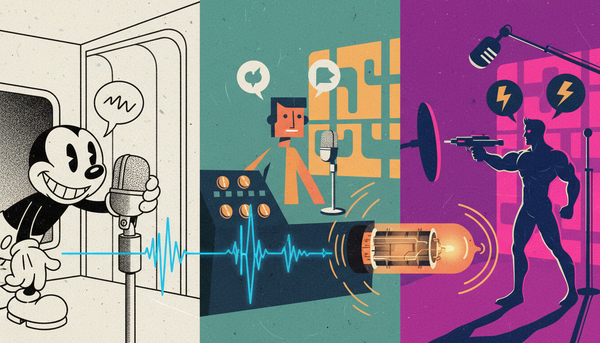
This level of fidelity requires specialized training. Generic voice models struggle to differentiate between a casual conversation and a larger-than-life character performance. Character-specific models, whether it is capturing the distinct animated charm of Mickey Mouse or the specific musical cadence of a legendary artist like 2Pac, demand deep, nuanced training. They must understand not just what the character sounds like, but how they speak, ensuring that the AI interpretation respects the original persona while offering total creative flexibility.
Choosing the Right Tool for Your Creative Workflow
Selecting the right AI platform ultimately depends on what you are trying to build. Hobbyists who just want to send a quick, silly voice note to a group chat might tolerate the artifacting of a free tool. But for content creators, marketers, and dedicated fans looking to produce polished birthday wishes, YouTube fan dubs, or educational content, a professional suite is an absolute requirement.
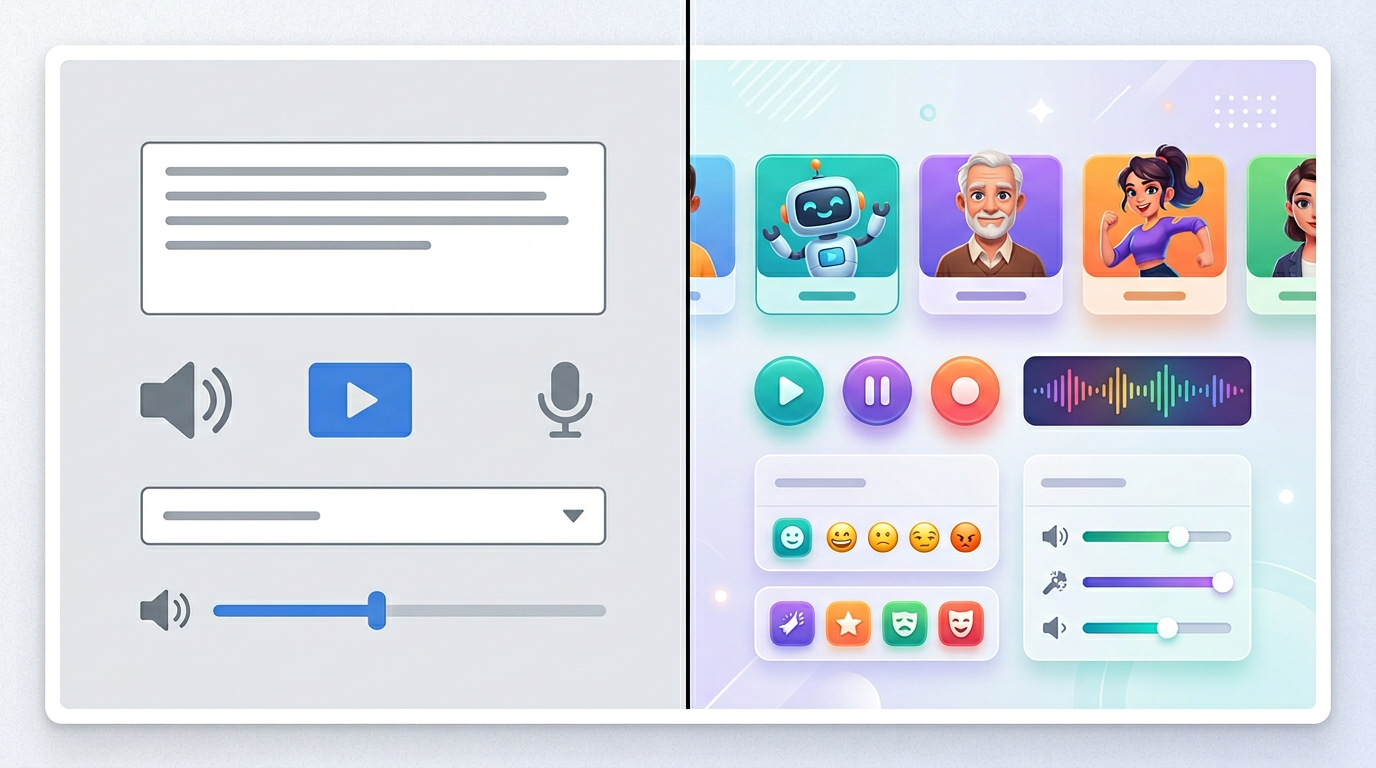
A robust character library is a major differentiator. Content variety is the lifeblood of social media, and having access to a diverse roster—ranging from anime characters and sports legends to movie stars—allows creators to constantly experiment with new formats. If your platform only offers a handful of generic voices, your content will quickly become repetitive and stale.
Furthermore, integrated platforms vastly outperform single-feature generators. A workflow that forces you to generate audio on one site, find an avatar on another, and stitch them together in a third-party video editor is incredibly inefficient.
| Feature | Free-Tier Generators | Fanfun Professional Platform |
|---|---|---|
| Audio Fidelity | High artifacting, robotic tone, metallic echoes | High-fidelity AI interpretation, natural breath and pacing |
| Delivery Speed | Slow rendering queues, frequent timeouts | Instant delivery in minutes |
| Interaction Type | Static, one-way text-to-speech | Two-way interactive AI chat, video, and voice |
| Character Library | Limited, generic, often unlicensed | Massive roster of cultural icons and fictional characters |
Fanfun solves this fragmentation by offering an integrated ecosystem where video, voice, and two-way AI chat are all accessible in one place. This seamless integration means you can conceptualize, generate, and publish personalized celebrity-style content in record time, completely bypassing the traditional bottlenecks of digital production.
The Future of Fan-Driven Content
We are witnessing a fundamental shift in how fans interact with the media they love. The era of passive fandom is ending, replaced by a culture where fans actively participate in expanding the narratives of their favorite characters. AI is the catalyst for this change, allowing creators to move past simple "impressions" and begin crafting genuine expressions of brand presence and storytelling.
As this technology becomes more deeply integrated into the creator economy, the ethics of fandom will remain a central conversation. It is crucial to support platforms that respect intellectual property and prioritize creative ethics, offering high-quality AI interpretations that celebrate cultural icons rather than exploiting them. Building content on a foundation of respect ensures longevity for your channel and your brand.
Getting started with high-fidelity character interactions has never been easier. By moving beyond the limitations of the free tier and investing in platforms designed for authentic, interactive creation, you unlock an entirely new level of storytelling. Whether you are generating a hilarious roast for a friend's birthday or producing a full-scale animated fan project, prioritizing quality ensures that your content resonates, engages, and stands out in a crowded digital landscape.
Are free celebrity AI voice generators safe to use?
Many free AI voice generators operate without proper ethical guidelines or content moderation, which can lead to deepfake controversies and platform bans on social media. Professional platforms prioritize creative ethics, offering AI interpretations that protect both the creator and the original persona.
Why do some AI voices sound robotic compared to others?
Robotic-sounding voices usually come from older, basic text-to-speech models that read every syllable with the same weight and pitch. High-quality AI platforms use advanced models trained to understand context, allowing for natural pauses, emotional inflection, and realistic breath sounds.
Can I use AI-generated celebrity voices for commercial content?
Commercial usage depends heavily on the specific platform's terms of service and the nature of the persona. It is crucial to use platforms that provide clear guidelines on intellectual property and to always frame the content as an AI interpretation rather than an exact, deceptive clone.
What makes Fanfun different from standard text-to-speech websites?
Fanfun goes beyond static text-to-speech by offering a fully integrated platform for video, voice, and two-way interactive AI chat. It serves as an instant, scalable alternative to services like Cameo, allowing creators to generate high-fidelity personalized messages and content in minutes without waiting for celebrity availability.