The POV Playbook: What Anna Shumate Taught Us About Digital Intimacy (And How AI is Scaling It)
Anna Shumate didn't just go viral; she mastered the art of scalable intimacy. Discover how the low-fi POV format is evolving into two-way, personalized AI interactions.
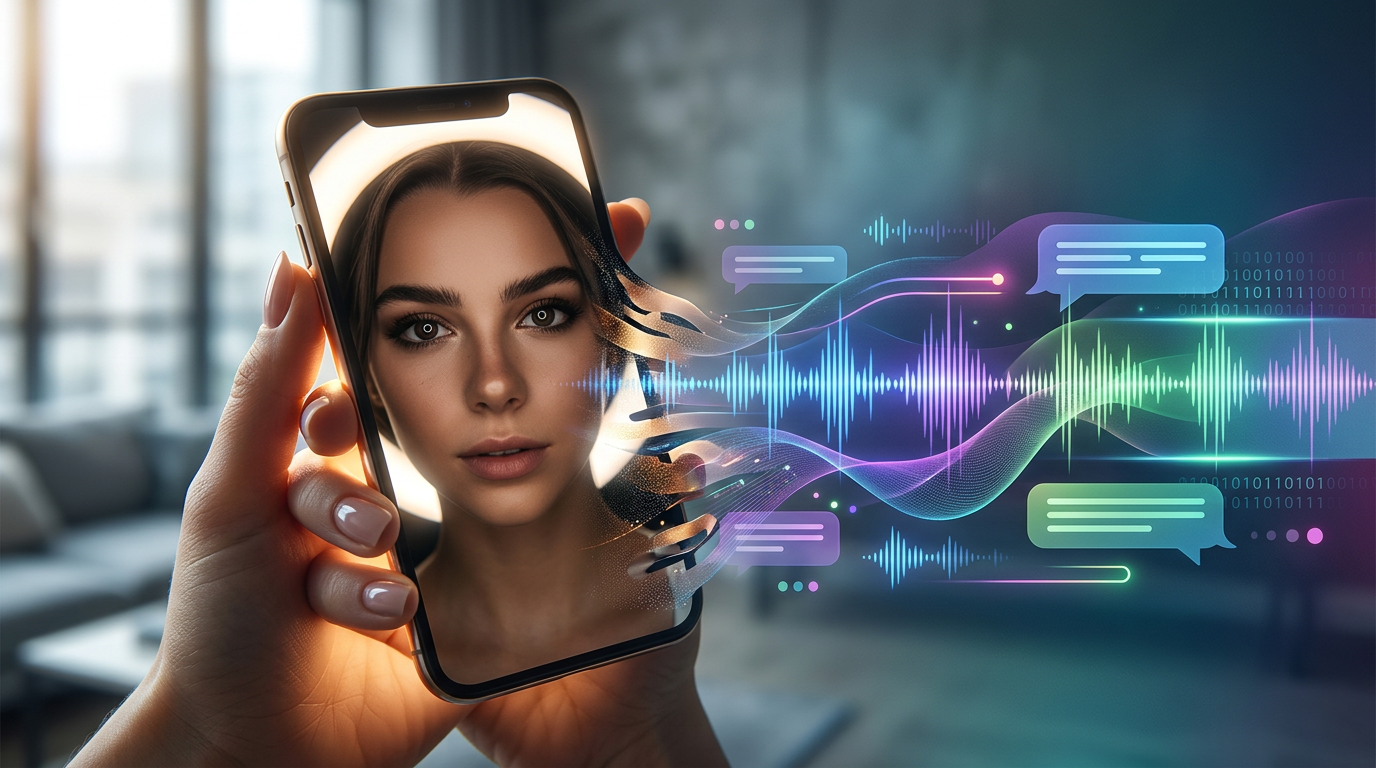
Long before high-budget studio setups became the norm for digital creators, a distinct style of video took over social media feeds: the close-up, low-fi, direct-to-camera POV. Creators like Anna Shumate didn't build massive audiences through cinematic lighting or complex editing. They built them through the illusion of proximity. By staring directly into the lens and reacting to highly specific, relatable text overlays, they established a "digital best friend" dynamic that made millions of viewers feel uniquely seen.
This shift from polished broadcasting to raw, parasocial connection defined an entire era of content creation. But as audience expectations evolve, passive scrolling is no longer enough. Fans are transitioning from wanting to watch their favorite personalities to wanting to interact with them. The next frontier of fandom is taking the intimate, one-on-one feeling of a viral POV video and using AI tools to turn it into an actual, personalized, two-way interaction.
The Anatomy of the Perfect POV
To understand where digital intimacy is heading, you have to deconstruct why the POV format worked so well in the first place. The magic lies in what industry insiders call the "FaceTime aesthetic." When a creator films themselves in a messy bedroom, holding the phone at arm's length with a simple ring light, it inherently lowers the viewer's defense mechanisms. It doesn't feel like an advertisement or a performance; it feels like a private video message from a friend.
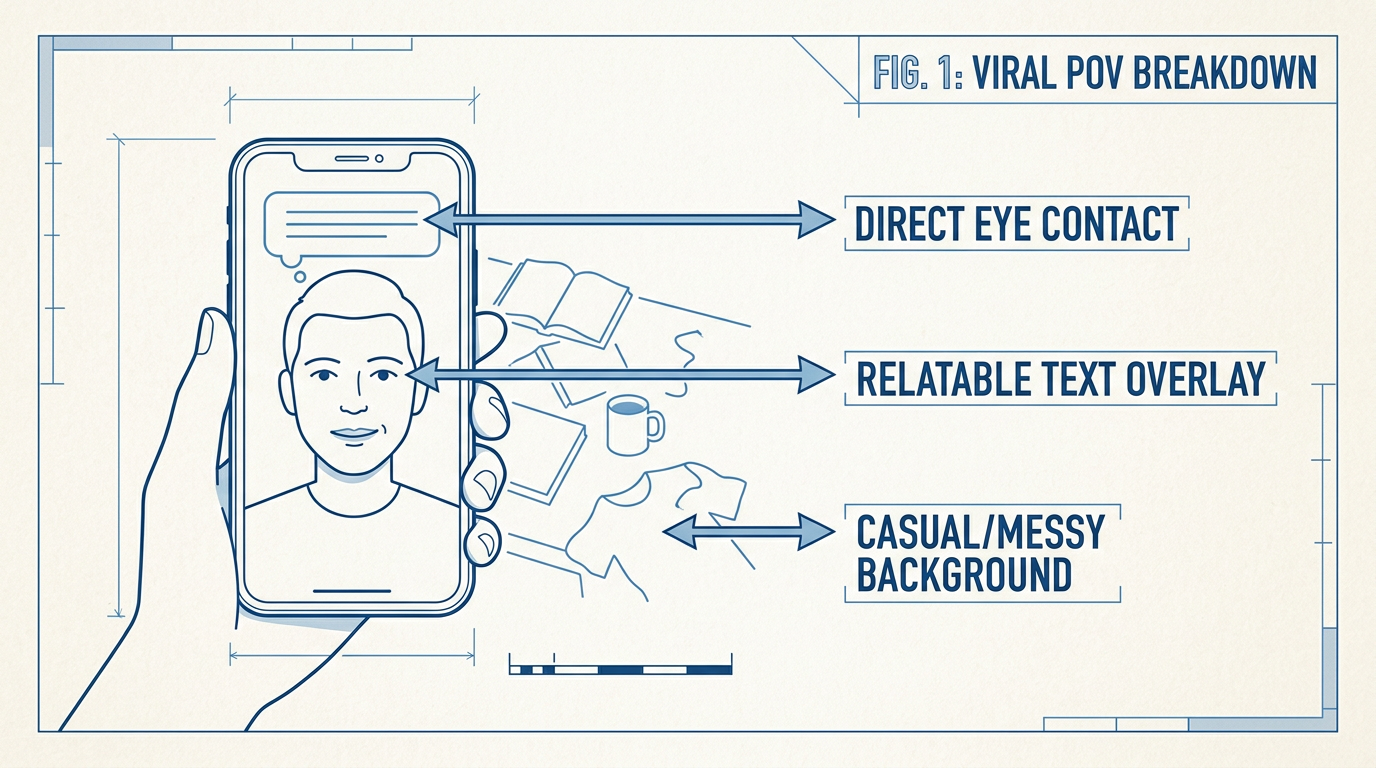
In this format, micro-expressions carry more weight than high production value. A subtle eye roll, a half-smile, or a perfectly timed lip-sync creates a shared inside joke between the creator and the viewer. The text overlay usually reads something highly specific—"POV: you just realized we're both avoiding the party by hiding in the kitchen"—which triggers an immediate sense of relatability.
This is the "Girl Next Door" archetype executed flawlessly. It establishes a parasocial bond that bypasses traditional celebrity worship. You don't necessarily want Anna Shumate's autograph; you want to reply to her video. The content is designed to feel like half of a conversation, leaving an empty space for the viewer's imagination to fill in the rest.
Parasocial to Interactive: The Evolution of Fandom
The core limitation of the POV era is scale. A creator can make a video that feels deeply personal to three million people, but they cannot actually engage in three million conversations. For years, the only outlet for fans was the comment section—a chaotic, one-way street where viewers drop messages into the void, hoping to win the lottery of a creator's "like" or reply.
This frustration birthed the modern personalized content economy. Fans demanded custom interactions, paving the way for platforms like Cameo. Suddenly, you could pay a celebrity to say your name, wish your friend a happy birthday, or deliver a quick roast. It was a massive leap forward, proving that fans were willing to invest in personalized media over generic broadcasts. However, traditional booking platforms still rely on human availability, leading to high costs, long wait times, and a limited roster of participants.
The Broadcast Era vs. The Interactive Era
We are currently sitting at the tipping point between two distinct models of digital fandom. The shift is moving away from passive consumption and toward active, on-demand participation.
| Feature | The Broadcast Era (Traditional Media) | The Interactive Era (AI & Personalization) |
|---|---|---|
| Pacing | Waiting days or weeks for a creator to post or fulfill a request. | Instant, on-demand engagement generated in minutes. |
| Content Focus | Generic narratives designed to appeal to millions of viewers at once. | Hyper-personalized roasts, birthday wishes, and custom memes. |
| Communication | One-way viewing with a small chance of a comment reply. | Two-way conversations and interactive chat experiences. |
| Accessibility | Limited by celebrity availability, high booking fees, and schedules. | Scalable, affordable, and accessible 24/7. |
This is where platforms like Fanfun change the equation. By utilizing advanced AI voice generators and interactive chat models, fans no longer have to wait for a creator's schedule to clear. They can generate custom video messages, audio clips, and two-way conversations instantly. It takes the personalization that fans crave and removes the friction of availability, allowing anyone to author their own fan experience on demand.
Scaling the "Best Friend" Archetype with AI
The real power of AI in content creation isn't just mimicking voices; it's scaling the exact type of intimacy that POV creators pioneered. Different archetypes serve different emotional needs for fans. While a low-key, conversational persona offers comfort and relatability, sometimes fans want the exact opposite.
If you want high-octane hype or an aggressive, motivational roast, generating a personalized message from an AI persona like The Rock Dwayne Johnson delivers that larger-than-life, stadium-level energy. But the underlying mechanism is the same: the fan is taking a recognizable cultural figure and placing them into a highly specific, personal context.
AI voice generators allow fans and creators to build their own fan-dubs, inside jokes, and custom videos. Instead of passively consuming a creator's narrative, fans are using AI tools to become directors of their own digital experiences. They are mixing familiar voices with their own scripts to create content that speaks directly to their friend groups or niche online communities.
The Creator's Toolkit: Borrowing the POV Framework for AI Content
For modern content creators, YouTubers, and TikTokers, AI tools offer a massive advantage. You don't need to hire voice actors or wait for celebrity collaborations to create highly engaging, viral content. By borrowing the POV framework and applying it to AI generation, you can create instantly recognizable, highly shareable media.
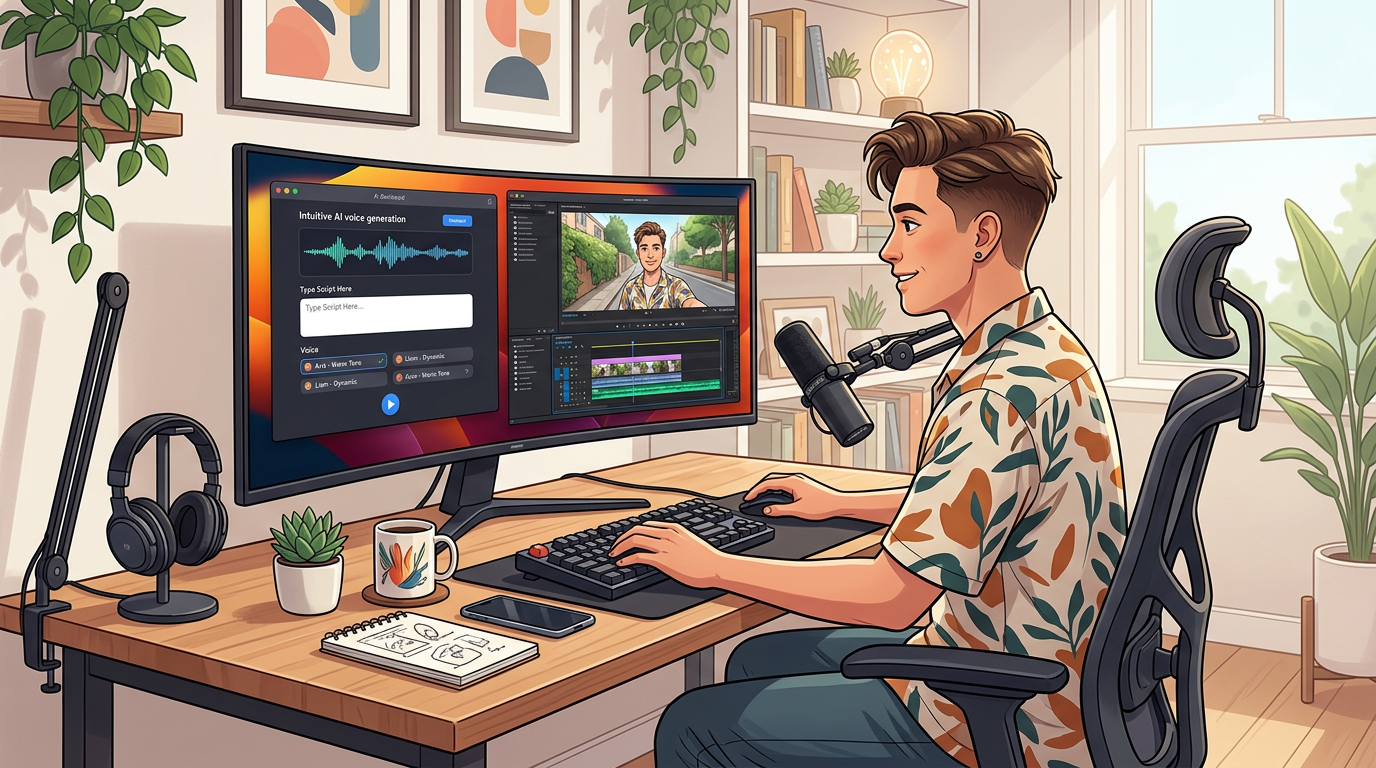
Here is a 4-step framework for creating engaging AI-driven content:
- 1. Choose the Right Persona for the Context: Match the voice to the vibe. A casual, low-energy voice works best for relatable observations, while a high-energy voice is perfect for hype or comedic aggression.
- 2. Script for Conversational Cadence: AI voices sound best when they are given natural human scripts. Include filler words, pauses, and casual phrasing. Write the script exactly how you would text a friend.
- 3. Embrace Cognitive Dissonance: The best memes mix high-status or nostalgic voices with incredibly low-stakes, everyday scenarios. Imagine using a recognizable, nostalgic voice like Spongebob Squarepants narrating a deeply relatable, mundane adult problem, like paying taxes or sitting in traffic. The contrast is instant comedy.
- 4. Use Direct-Address Framing: Pair your AI voiceover with relatable B-roll or a direct-to-camera visual. Start the text overlay with "POV:" to immediately signal to the viewer that they are part of the joke.
Why Authenticity Still Matters in Synthetic Media
A common misconception is that AI-generated content is meant to trick the viewer or replace human connection. In reality, the exact opposite is true. AI isn't replacing the Anna Shumates of the world; it is giving fans a sandbox to play in alongside them.
The joy of interactive AI comes entirely from the user's awareness of the technology. When a fan generates a custom birthday roast from a fictional character, the entertainment value comes from the personalization, not from a belief that the character is real. Fans actively seek out comforting, familiar interactions on demand—whether that is generating a quick, nostalgic message from Hello Kitty for a younger sibling, or creating a highly specific inside joke for a group chat.
Ultimately, the POV era taught us that people crave direct, personalized connection over polished perfection. AI is simply the next logical step in that evolution. By making instant, affordable video generation available to everyone, platforms like Fanfun are democratizing the VIP fan experience. We are moving from a world where we watch our favorite personalities through a screen, to a world where we can invite them into our own stories.
Why did Anna Shumate get famous on TikTok?
Anna Shumate rose to fame by mastering the POV (point-of-view) video format. She utilized a low-fi, direct-to-camera aesthetic, relatable text overlays, and subtle micro-expressions to create a "digital best friend" dynamic that made millions of viewers feel uniquely seen and connected.
How do you make a viral POV video?
To make a viral POV video, focus on the "FaceTime aesthetic." Use direct eye contact, casual framing (like holding the phone in a messy room), and write highly specific, relatable text overlays. The goal is to make the viewer feel like they are participating in a private, one-on-one interaction rather than watching a broadcast.
Can AI voice generators sound conversational and natural?
Yes. Modern AI voice generators can sound incredibly natural, especially when provided with a well-written script. To achieve a conversational cadence, creators should write scripts that include natural pauses, casual phrasing, and everyday slang, avoiding stiff or overly formal language.
What are the best instant alternatives to Cameo?
Platforms like Fanfun are leading the way as instant alternatives to Cameo. Instead of waiting days or weeks for a celebrity to record a message, fans can use Fanfun's AI tools to generate personalized birthday wishes, roasts, and interactive chats with celebrities and fictional characters instantly and affordably.