The Peter Griffin Effect: Why Satirical AI Voices Are Defining Modern Fan Culture
Comedy thrives on subversion and specific archetypes. See why fans are moving beyond static clips to build their own sketches using AI-driven character voices.
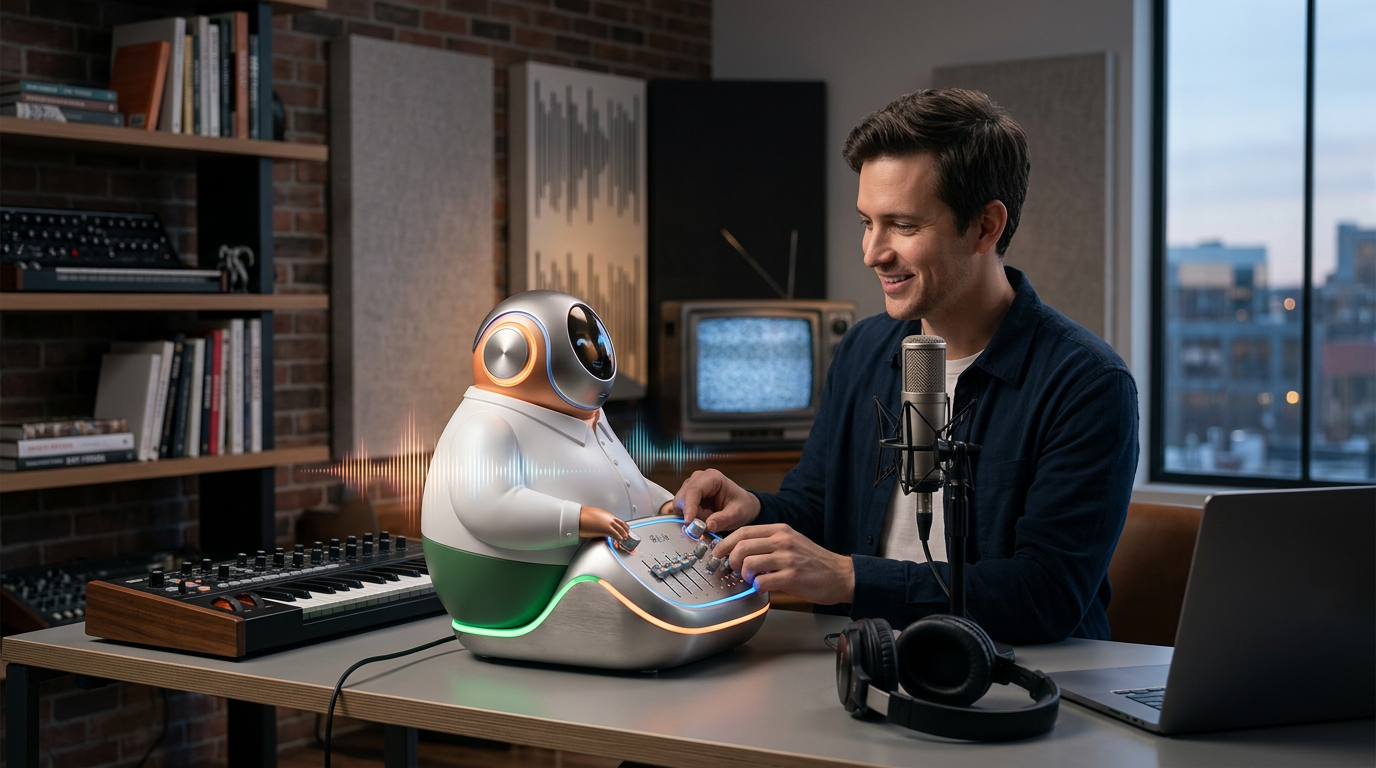
Comedy has always relied on the familiar. When we hear a specific cadence, a signature laugh, or a classic catchphrase, our brains immediately map that sound to a personality we already understand. Characters like Peter Griffin serve as the gold standard for this phenomenon because their comedic DNA is so distinct; they rely on a predictable brand of absurdity that makes them perfect for digital interpretation. In the past, capturing this essence required a high-end impressionist or a professional voice actor, but the barrier to entry has completely collapsed.
Fans are no longer content with passive consumption. In the post-Cameo landscape, the goal isn't just to watch a character—it's to use them. By leveraging AI to replicate these specific vocal archetypes, creators can inject a familiar, hilarious energy into their own original content. It is the shift from admiring a static clip to building a dynamic, interactive experience that feels authentically grounded in the character's voice.
The Anatomy of a Comedy Icon
Why do certain voices stick? It comes down to rhythm and expectation. A great comedic archetype provides a template for humor. When you use an AI voice generator to channel a recognizable persona, you aren't just cloning a sound; you are borrowing a pre-built comedic framework. This allows creators to focus on the writing—the setup and the punchline—rather than the technical hurdle of voice acting.
The "Peter Griffin Effect" is shorthand for this: the ability to take a character whose voice is inherently funny and place them in absurd, modern contexts. Whether it is a TikTok skit, a YouTube commentary video, or a personalized roast for a friend, the character's voice does the heavy lifting of establishing the tone. Because these voices are so well-defined, audiences immediately understand the joke before the first sentence is even finished. This is the power of cultural shorthand; you save time on exposition because the voice itself carries the weight of the character's history.
From Static Clips to Interactive Comedy
The traditional model of celebrity interaction was inherently limited. You requested a 30-second birthday shoutout, you waited days or weeks, and you received a static file that you couldn't change or expand upon. This is a one-way street that leaves little room for the iterative, fast-paced nature of modern social media. If your punchline didn't land or the timing was off, you were stuck with the original take, having paid a premium for a product that couldn't evolve.
Today, creators are turning to platforms like Fanfun to bypass these bottlenecks. Instead of waiting for a celebrity to be available, you can generate content in minutes. This allows for a "test and learn" workflow where you can tweak your script, adjust the tone, and refine the comedic timing until it’s perfect. Whether you are building a five-minute skit or a rapid-fire sequence of memes, the ability to iterate on the fly is what separates a good piece of content from a viral one. By using Fanfun, you gain the ability to treat your favorite icons as creative partners rather than distant, inaccessible figures. It turns the creative process into a dialogue, where you are the director, not just a customer.
Crafting the Perfect Roast or Skit
To get the best out of an AI persona, you have to move beyond generic prompts. The magic of a character voice lies in the specificity of the writing. Use the following framework to ensure your content hits the mark every time.
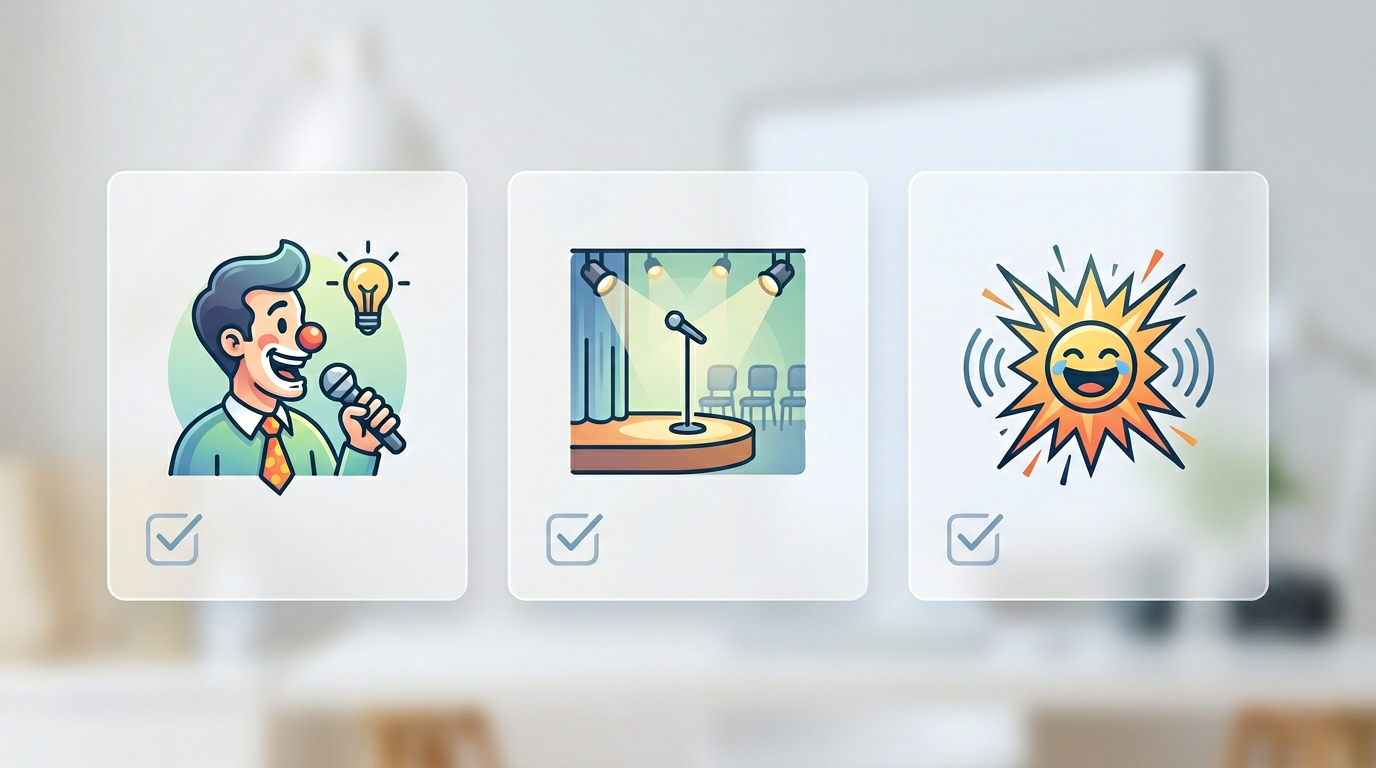
The Prompt Engineering Checklist
- Context: Where is the character? Are they in a bar, a boardroom, or a space station? Setting the scene helps the AI ground the voice.
- Persona: What is the character's primary motivation? Are they being helpful, sarcastic, or completely oblivious?
- Conflict: Every good comedy sketch needs tension. Give the persona something to react to or something to complain about.
- Resolution: Ensure the punchline is tied to a specific character trait or catchphrase that the audience expects.
Remember, the goal is to capture the "spirit" of the character. Use vocabulary that feels native to their world. If you are aiming for an abrasive, comedic tone, lean into the character's typical frustrations. A well-constructed prompt that leans into these archetypes will always outperform a generic request. Don't be afraid to experiment with the juxtaposition of a high-status celebrity voice delivering mundane or ridiculous lines—this is exactly where the humor lives in the current digital landscape.
Beyond the Living Room: Scaling Your Content
The versatility of AI-generated voices means your content can travel across every platform, from TikTok and YouTube Shorts to experimental fan dubs. The key is knowing which archetype fits your project. If you are looking for high-energy motivation, you might pivot to a Dwayne Johnson AI to bring a sense of intensity to a workout video or a brand promo. If you want something more grounded or legendary, a Shaq persona offers a unique blend of humor and status that works across various media formats. For those looking for a mix of nostalgia and pop-culture relevance, a Spongebob Squarepants interaction can provide a surreal, high-energy contrast to modern commentary.
The ability to switch between these archetypes allows for a much broader creative palette. You aren't limited to one "vibe." You can experiment with the dry, observational humor of a sitcom character in one video and switch to a high-energy celebrity persona in the next. Even icons like Mickey Mouse can be utilized for unique, stylized storytelling that feels fresh. If you are looking for a more grounded, human element, exploring a Sydney Sweeney persona can add a layer of modern, relatable charisma to your content. For sports fans, incorporating the legendary intensity of a Kobe Bean Bryant persona can elevate a tribute or a motivational piece to something truly resonant. This scalability is exactly what allows modern creators to build distinct, recognizable brands on social media without being tied to a single type of content.
The Future of Fandom is Interactive
The true power of this technology lies in the ability to "talk back." When you move from passive viewing to interactive chat, the fan experience changes entirely. It becomes a conversation rather than a broadcast. This democratization of content creation means that anyone with an idea can now produce professional-grade audio and video featuring their favorite personalities. The wall between the icon and the audience has been completely dismantled, replaced by a collaborative space where your creativity is the only limit. By embracing these tools, you are not just consuming culture—you are actively participating in its evolution, ensuring that your content remains as dynamic as the audiences you are trying to reach.

Can I create custom skits with a Peter Griffin AI voice?
Yes, you can use AI tools to generate scripts and voiceovers that mimic the cadence and comedic style of iconic characters, allowing you to build custom skits for your projects.
How does Fanfun differ from traditional Cameo requests?
Fanfun provides instant, interactive, and affordable AI-driven character experiences that allow for multiple iterations, whereas traditional Cameo requests are static, one-time videos that require celebrity availability.
Is it possible to use AI voices for YouTube content?
Absolutely. Many creators use AI voices to add character-driven narration, comedic commentary, or creative flair to their YouTube videos, Shorts, and Reels.
How quickly can I generate a video message using Fanfun?
Fanfun is designed for speed, allowing you to generate custom video messages, voiceovers, or chat interactions in just minutes.