The Munch Factor: Why We’re All Obsessed with the AI-Generated Rap Persona
The modern internet runs on a specific, meme-ready cadence. We’re breaking down how the viral rap aesthetic translates to AI and how you can use it to build your own audience.
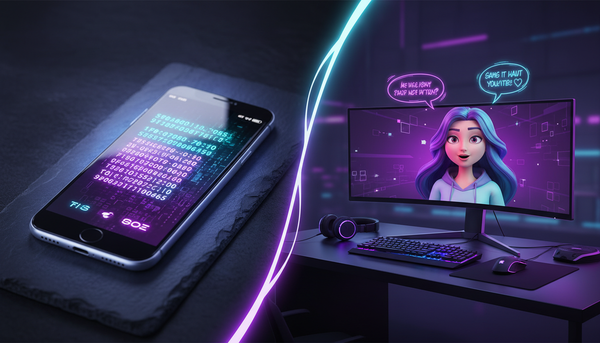
In the digital landscape, virality is rarely about high-budget production; it is about the immediate, visceral recognizability of a sound. We are currently living through the era of the "Ice Spice cadence"—a distinct, rhythmic, and intentionally deadpan delivery that has become the gold standard for internet humor. It is a masterclass in minimalism. By stripping away excessive vocal flourishes, this style creates a sonic vacuum that is perfectly primed for meme culture and rapid-fire social media consumption.
When a sound is this replicable, it transcends the individual artist and becomes a universal language for creators. This shift from polished, high-fidelity music videos to lo-fi, meme-centric content has created an insatiable demand for AI voice synthesis. Creators no longer need a professional studio or a massive budget to capture that specific cultural "vibe." By isolating the vocal markers—the exact timing of a breath, the specific inflection at the end of a phrase, and that cool, detached energy—AI tools can now synthesize these characteristics for any script.
The Anatomy of a Viral Sound
The success of the "munch" aesthetic lies in its predictability. Audiences today are trained to recognize patterns instantly. When you overlay a recognizable, rhythmic cadence onto an unexpected piece of content—like a mundane tutorial or a chaotic gaming clip—you create a cognitive dissonance that is inherently funny. This is why AI voice generators have moved from a technical curiosity to a staple in the creator’s toolkit. They allow you to lean into the "meme-ification" of your content without needing to spend hours in a recording booth.
Using AI to generate professional-grade voiceovers isn't just about mimicry; it is about creative agency and rapid iteration. When you use a platform like Fanfun, you are effectively building a production team that operates in real-time. You can iterate on a script, adjust the tone, and see how a joke lands without the logistical nightmare of scheduling recording sessions or managing complex audio engineering workflows. For the modern creator, speed is the ultimate competitive advantage. By treating AI as a collaborator rather than a replacement, you unlock a level of creative output that is impossible with traditional workflows.
Choosing Your Persona: A Creator’s Framework
Selecting the right AI persona is a strategic decision that depends entirely on your content goal. If you are aiming for high-octane, motivational energy, you might lean toward a powerhouse figure like The Rock Dwayne Johnson, whose distinct, authoritative cadence works perfectly for promos or "get-it-done" style content. Conversely, if your brand relies on nostalgia or whimsical humor, a classic icon like Spongebob Squarepants offers a completely different emotional resonance that can anchor a comedy skit. For those targeting younger demographics or fans of global pop culture, Hello Kitty provides a soft, recognizable anchor for lifestyle content, while Doraemon serves as the perfect bridge for storytelling that requires a blend of futuristic wonder and relatable charm.
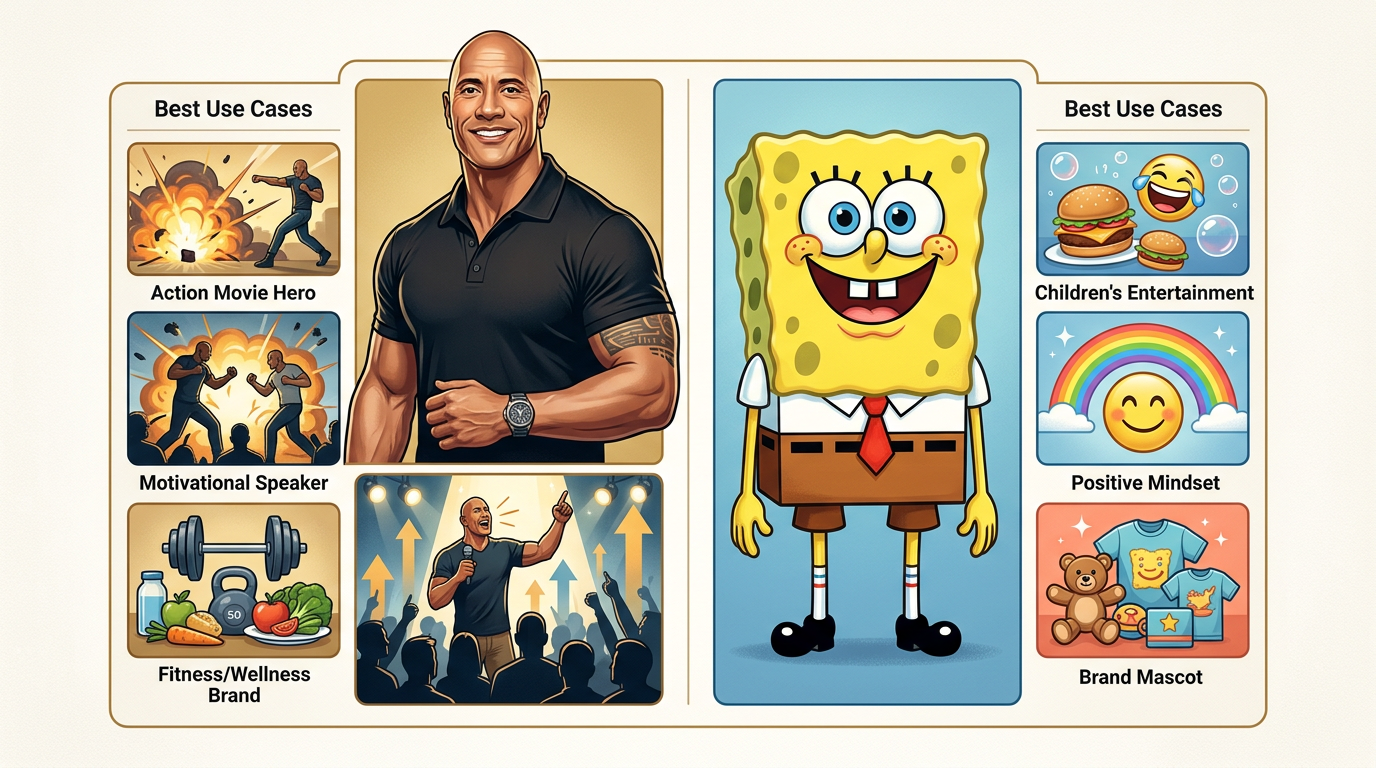
The key to maintaining your brand identity while using these personas is to ensure the "borrowed" energy serves your content, not the other way around. Use these voices as a texture or a stylistic choice, rather than the entire foundation of your brand. By mixing these AI-generated voices with your own unique editing style, you create something that feels fresh, curated, and undeniably yours. Whether you are leaning into the intensity of Lionel Messi for a sports-focused breakdown or using the iconic charm of Mickey Mouse to frame a story, the strategy remains the same: use the persona as a shorthand for emotional context.
The Persona Matrix
| Persona Type | Best For | Vibe |
|---|---|---|
| High-Energy Icon | Promos, Motivation | Authoritative, Punchy |
| Whimsical Character | Memes, Comedy | Nostalgic, Playful |
| Viral Rap Persona | Commentary, Skits | Deadpan, Rhythmic |
Why Traditional Bookings Are Failing Creators
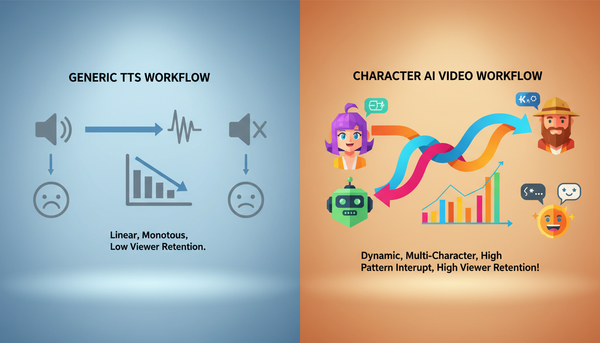
Traditional celebrity bookings, while effective for high-end, one-off campaigns, are often slow, expensive, and rigid. They do not fit the cadence of the internet, where a trend can rise and fall in a matter of 48 hours. Platforms like Fanfun provide a necessary alternative by offering immediate access to a wide range of personas. If you are a creator looking to build a recurring character-based segment, the ability to generate consistent, high-quality audio in minutes is a game-changer. It allows for a level of experimentation—testing out different "rap-style" hooks or character voices—that simply isn't feasible with traditional talent management.
Furthermore, Fanfun bridges the gap between passive consumption and active creation. You aren't just watching a celebrity; you are directing them. This shift allows for the creation of "interactive" content where the audience feels like they are part of the process. Whether you are generating a birthday wish, a roast, or a meta-commentary on the state of the internet, you are using these tools to build a deeper, more engaging relationship with your viewers. The barrier to entry is no longer capital; it is creativity and the willingness to iterate.
The Ethics of Digital Fandom and Future-Proofing
As we lean further into the capabilities of AI, it is crucial to distinguish between creative parody and exploitative impersonation. Parody relies on the audience recognizing the source material and enjoying the subversion of that character or persona. It is a celebration of the original artist's influence. Fanfun operates within this creative ecosystem by prioritizing the ability for fans to engage with their favorite icons in a way that respects the boundaries of the original intellectual property. This is about fostering a space where the technology serves the fandom, rather than exploiting it.
The goal of using AI in this space is to deepen the connection between the creator and their audience. When you create a piece of content that features a familiar voice, you are inviting your viewers into a shared cultural moment. By approaching this technology with transparency and taste, creators can foster a vibrant, collaborative digital environment where fans are not just passive consumers, but active participants in the evolution of internet culture. The "munch factor" isn't just about the sound; it’s about the community that forms around the shared recognition of that sound. As you experiment with these tools, remember that the most successful content is that which feels authentic to the creator, even when it borrows the voice of a legend.
How can I use AI to make funny rap-style voiceovers?
Start by identifying the rhythmic cadence of the rap persona you admire. Use Fanfun’s voice generator to input your script, focusing on short, punchy sentences that match the artist's natural flow. Experiment with the pacing to capture that signature deadpan delivery.
Is it legal to use AI voices for content creation?
Using AI voices for parody and personal expression is generally considered a creative use of technology. Fanfun ensures that all personas are handled in a way that respects the spirit of the original intellectual property while empowering creators to make original, transformative content.
What are the best alternatives to Cameo for personalized celebrity messages?
Fanfun is the premier alternative to Cameo for those who want instant, scalable, and creative content. Unlike traditional services, Fanfun offers access to fictional characters and celebrities that don't have the same scheduling limitations, allowing for memes, roasts, and interactive chats in minutes.
How do I get started with AI voice generation on Fanfun?
Simply visit the Fanfun website, browse the extensive Character Library, and select the persona that fits your project. From there, you can input your script and generate your audio or video file instantly, ready to be dropped into your editing software.