Beyond the Impression: How to Use AI Voice Tools for Better Satire and Storytelling
AI voice tools aren't just for mimicry; they are instruments for creative expression. Learn how to master the director's mindset to craft engaging, high-quality parody content.

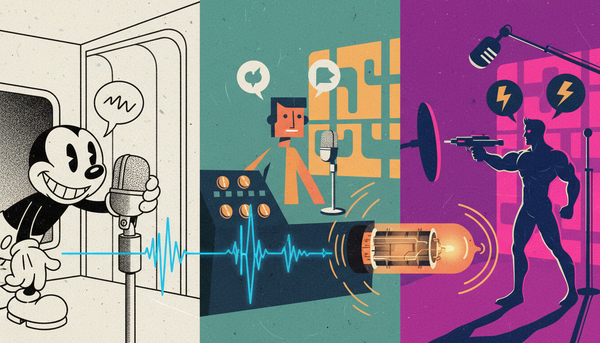
The landscape of digital content is shifting from simple, static memes toward complex, character-driven narratives. As tools for synthetic media become more accessible, the barrier to entry has lowered, but the standard for what constitutes 'good' content has risen significantly. Creators who rely solely on the novelty of an AI voice often find their engagement plateauing quickly, as audiences become increasingly savvy at distinguishing between a hollow gimmick and a well-crafted story.
To truly stand out, you must treat your AI voice generator not as a magic button, but as a sophisticated instrument in your creative toolkit. The most successful creators are those who apply the principles of traditional filmmaking and theater to the medium of artificial intelligence. By focusing on script architecture, character consistency, and sound design, you can transform a simple clip into a compelling piece of satire or storytelling that builds a lasting connection with your audience.
The Art of the Script: Why Voice is Only Half the Battle
The most common mistake amateur creators make is assuming that the novelty of an AI voice will carry the entire project. In reality, the success of a parody or a character-driven sketch is 80% writing and 20% delivery. When you use an AI voice generator, you are essentially acting as a director. You need to understand the character’s specific cadence, vocabulary, and typical rhetorical style to make the performance feel authentic.
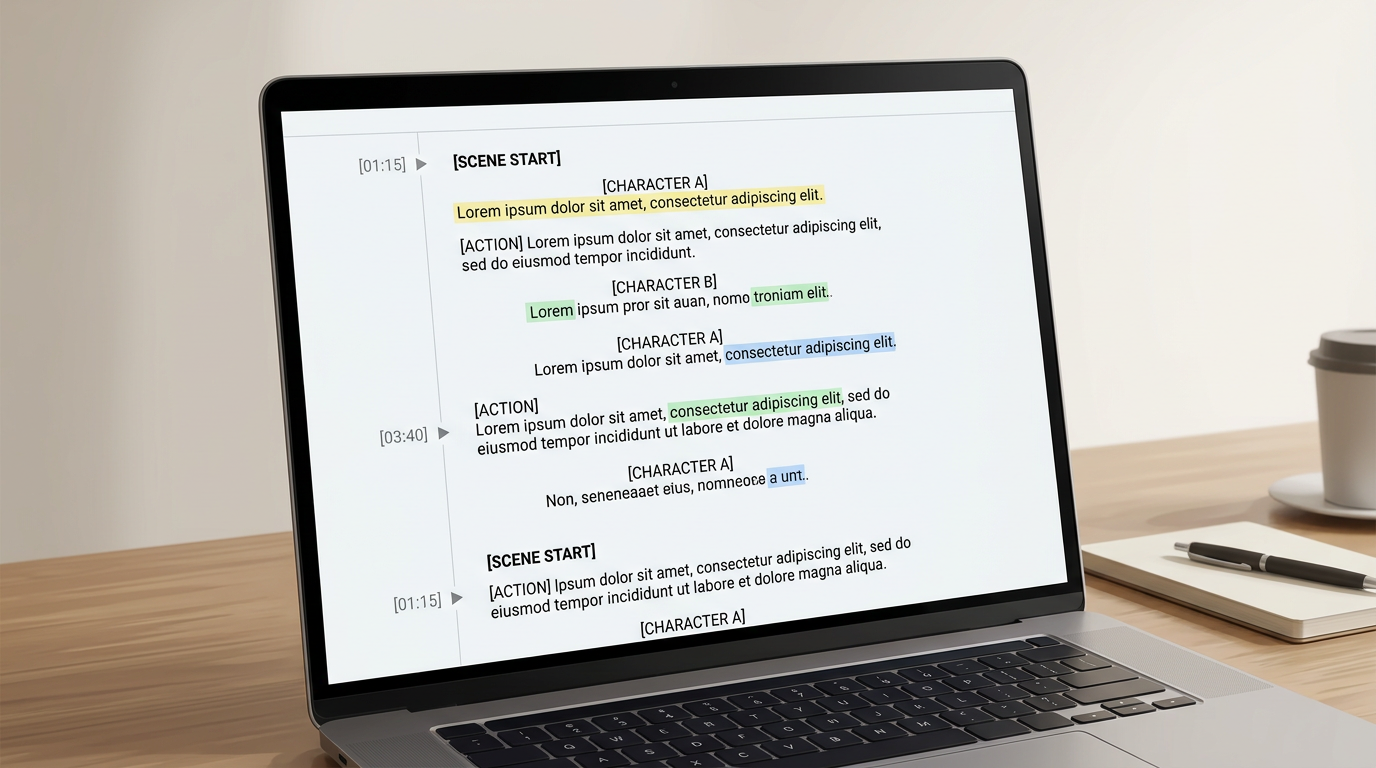
Generic scripts will always sound like a robot reading a teleprompter, regardless of how high-quality the voice model is. To elevate your content, focus on micro-adjustments in the script. Use ellipses to indicate pauses for effect, and lean into the specific catchphrases or linguistic tics associated with your chosen persona. At Fanfun, we see the most successful creators iterate on their scripts multiple times, treating the AI output as a draft that needs 'polishing' through punctuation and structural changes to nail the perfect comedic tone. This is the difference between a flat read and a performance that captures the essence of the character.
The Director’s Mindset: Pacing and Phrasing
Your script is a map for the AI. If you want a character to sound emphatic, you must structure the sentence for that rhythm. Short, punchy sentences create urgency, while longer, flowing sentences can convey a sense of gravitas or calm. If you are using the Donald Trump AI voice, for instance, you aren't just inputting text; you are channeling a specific, highly rhythmic style of speaking. Study the cadence of the persona—where do they emphasize words? Where do they trail off? By embedding those natural speech patterns into your punctuation, you can bridge the gap between 'robotic' and 'authentic' performance.
Consider the 'breath' of the character. Even if the AI doesn't literally breathe, your script should account for the rhythm of someone who does. Insert line breaks where a natural pause would occur to let the 'thought' land before the next sentence begins. This is a classic radio and voice-over technique that remains highly effective in the AI era.
Choosing Your Persona: From Political Satire to Pop Culture Icons
Selecting the right persona is about matching the medium to the message. A high-energy, authoritative voice might work perfectly for a short-form, punchy TikTok critique, while a more nuanced or iconic character might be better suited for a longer narrative sketch. Understanding the archetypes available in our library allows you to experiment with different tones—from the bombastic to the reflective—without needing to hire a professional impressionist.
| Persona Archetype | Best For | Key Utility |
|---|---|---|
| Political/Satirical | Commentary, Skits | Authoritative, recognizable rhythm |
| High-Energy/Sports | Motivation, Memes | Aggressive, punchy, inspiring |
| Pop Culture/Icon | Storytelling, Fan-Dubs | Emotional resonance, familiarity |
For example, if you are crafting a high-octane, motivational parody, the Shaq AI persona offers an immediate, recognizable energy that carries weight in short-form content. Contrast this with the grounded, intense presence of the Dwayne Johnson AI, and you begin to see why the 'director's mindset' is so crucial: you are choosing the right instrument for the specific emotional beat of your story. Whether it is the cultural weight of Kobe Bean Bryant or the lighthearted charm of Mickey Mouse, your choice of character dictates the audience's emotional entry point.
Technical Best Practices for High-Impact Audio
Even the best AI voice output can feel flat if it sits in a vacuum. To ground your audio in a professional mix, you must consider the soundscape. Layering is your best friend. Adding subtle ambient noise—a coffee shop buzz, a stadium crowd, or a low-fi beat—helps integrate the AI voice into the scene, making it feel like it belongs in the world you have built.
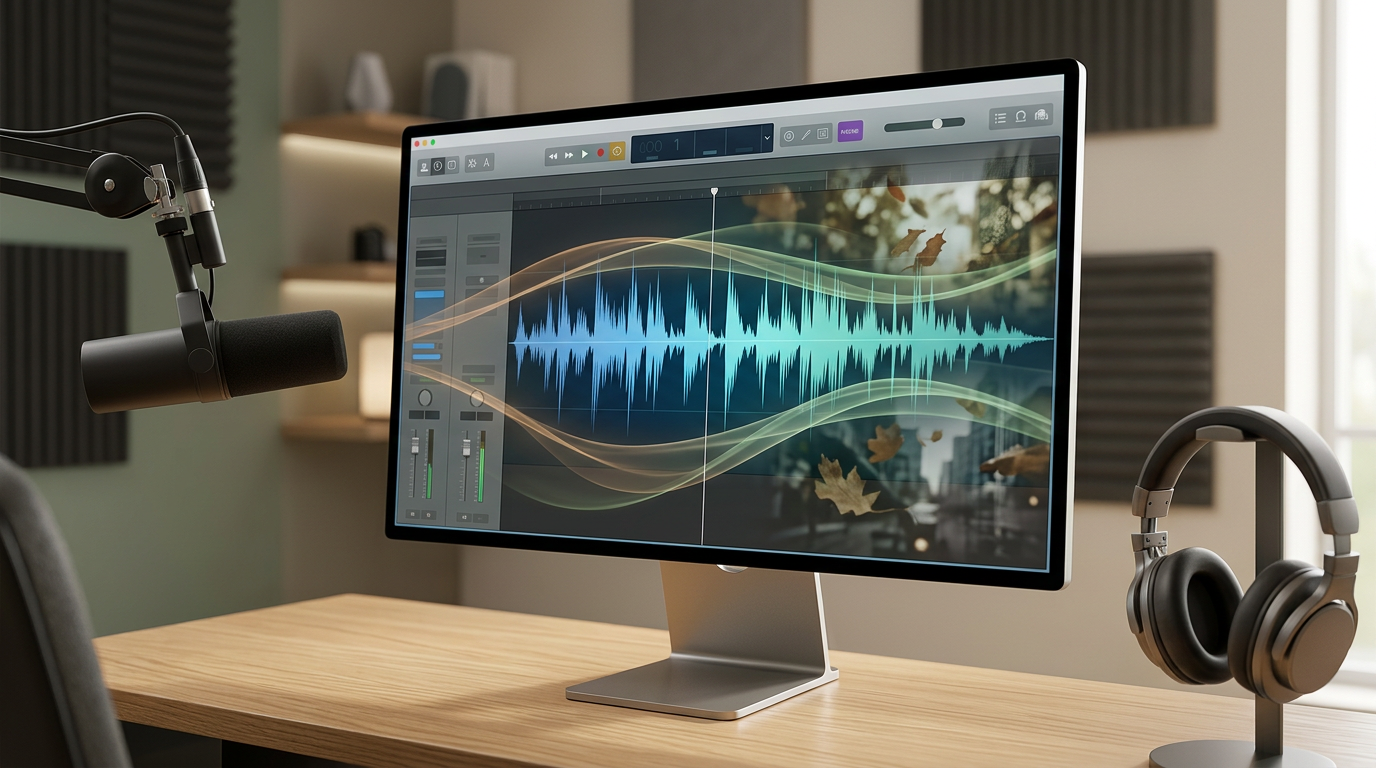
From a post-processing standpoint, keep it simple. A light application of a compressor or a gentle EQ sweep can strip away the 'digital' edge of a raw AI file. The goal isn't to over-process, but to ensure the voice sits correctly in the frequency range of your background music. Consistency is equally important; if you are building a series, stick to the same voice settings and production template so your audience learns to recognize your brand's unique sound signature instantly. Think of your audio mix as the 'glue' that holds the synthetic performance to the reality of your video.
Building a Fandom Through Consistency
Audiences don't just follow voices; they follow characters. The difference between a 'one-off' viral meme and a sustainable creator brand is the narrative thread you weave through your content. By using recurring personas, you create a sense of continuity that encourages viewers to subscribe and return for the next installment. This is where the Fanfun approach of interactive personas really shines—you aren't just outputting audio; you are developing a character repertoire.
This strategy allows you to keep your library fresh while maintaining a loyal base. Whether you are mixing in pop culture icons or exploring niche, original personas, the key is to treat your AI-generated characters as living, breathing entities. When your audience feels they know the character's personality, they become invested in what that character says next, turning passive viewers into an active, growing community. Consistency in your choice of voice—and in the quality of the scripts you feed that voice—is the bedrock of long-term audience retention.
The Ethics of Creative Parody
Great power comes with the responsibility of intent. Parody is a time-honored tradition in comedy and storytelling, but there is a clear line between clever satire and harmful deception. At Fanfun, we emphasize that the best content is rooted in 'fun'—it should celebrate the persona while engaging in creative critique or entertainment. Always aim to be transparent with your audience about the nature of your content. By staying within the bounds of respectful parody, you not only protect your brand but also foster a healthier, more sustainable community where creativity is valued over shock value.
When you use a tool like the Sydney Sweeney persona, focus on the creative potential of the character rather than attempting to mislead; the most successful creators are those who are in on the joke with their audience. True creativity in the AI space is about adding value, not just replicating an existing presence. By focusing on the 'why' of your content—why this character, why this script, why this story—you ensure that your work remains a contribution to the culture rather than noise in the feed.
How do I make an AI voice sound more natural?
Focus on script punctuation. Add ellipses for pauses and use phonetic spelling for emphasis. Pacing is the secret to natural-sounding AI speech. Treat the script like a musical score where the punctuation dictates the rhythm.
Can I use AI voices for commercial content?
Yes, AI voices are widely used for promos and ads. Ensure you are using a platform that respects usage rights and provides clear terms for content creators, like the options provided at Fanfun.
What is the difference between an AI voice generator and a celebrity Cameo?
A Cameo is a one-off, passive video clip. An AI voice generator gives you an infinite, instant, and scalable tool to create ongoing content, sketches, and memes on your own timeline without the constraints of celebrity availability.
How long does it take to generate a clip with an AI voice?
With modern platforms like Fanfun, generation happens in minutes, allowing for rapid iteration and a fluid creative workflow that supports high-frequency content creation.