The Art of the Pivot: Why Lilah Richcreek Estrada’s Versatility Is the Blueprint for Modern Content
Lilah Richcreek Estrada’s career is a masterclass in shifting between grounded realism and high-energy performance. Here is how creators can apply that same dynamic range to their own AI-assisted content strategy.

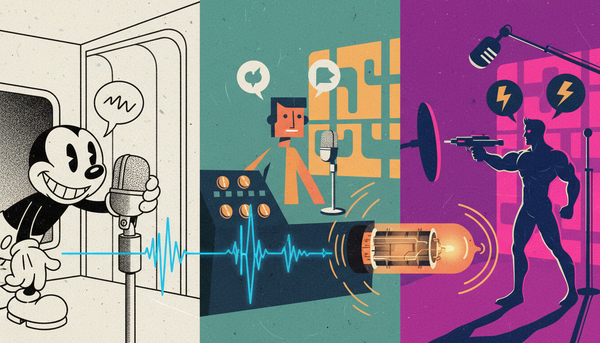
The modern digital landscape rewards performers who refuse to be boxed into a single archetype. Lilah Richcreek Estrada exemplifies this new guard, demonstrating a rare ability to anchor a scene with grounded, human realism while simultaneously leaning into the heightened, stylized demands of contemporary comedy. This versatility isn't just a talent—it’s a survival mechanism in an era where attention spans are short and audience expectations for character depth are higher than ever.
Historically, celebrity performances relied on a recognizable, static brand. You knew exactly what you were getting. Today, however, the most successful content creators treat their personas like a sandbox. They understand that a character who can pivot from a vulnerable, quiet moment to an explosive, punchy delivery is far more engaging than a one-note caricature. For creators looking to build a digital presence, this "range" is your most valuable asset.
The Anatomy of a Modern Performer
To master the pivot, you must first understand the distinction between a voice and a character. A voice is just sound; a character is a set of motivations, fears, and specific linguistic tics. When you analyze a performer like Estrada, you notice that the magic isn't in the volume or the speed, but in the intentionality behind every choice. She knows when to lean into the silence and when to dominate the frame.
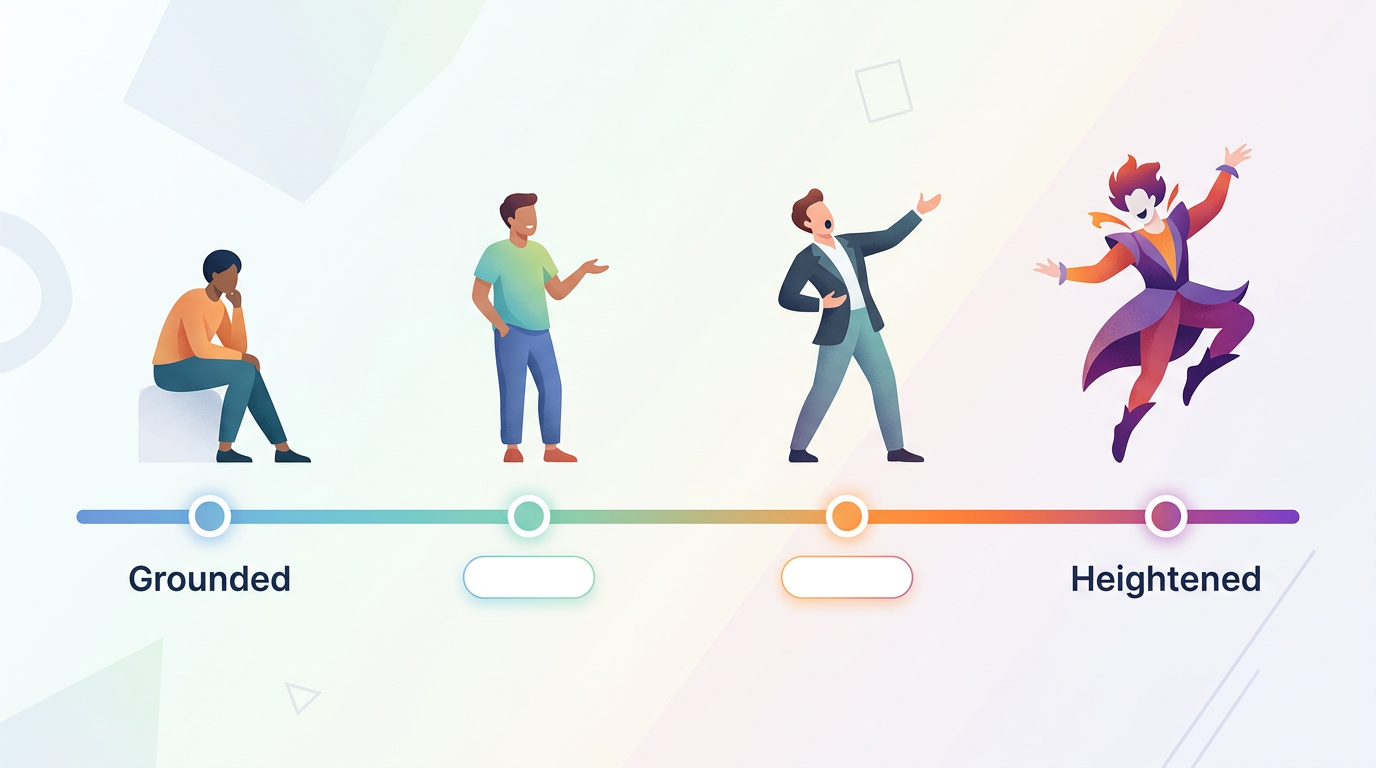
This is where the integration of technology becomes a creative force multiplier. When you use a platform like Fanfun, you aren't just generating a voice; you are defining a character's soul. You are essentially building a digital performance partner that can scale with your ideas. Whether you are aiming for the intensity of a The Rock Dwayne Johnson promo or the approachable charm of a Dwayne Johnson AI interaction, the ability to pivot your delivery is what separates viral content from background noise. By treating AI as a collaborative tool rather than a static output, you gain the freedom to iterate on your character's performance until it hits that sweet spot of relatability.
Mastering the Tone Shift
The most effective creators use AI to bridge the gap between high-concept fiction and grounded, relatable moments. For example, you might start a video with the high-energy, iconic presence of Shaq to grab the audience’s attention, then pivot to a more intimate, conversational tone to deliver your core message. This technique keeps the audience off-balance in the best way possible. By leveraging the instant, scalable nature of Fanfun, you can experiment with these shifts in minutes—something that would be logistically impossible with traditional celebrity bookings.
From Screen Presence to AI Persona
Bridging the gap between traditional acting and digital interaction requires a clear strategy. Before generating content, you must define the "attitude" of your persona. Are they a source of wisdom, a comedic foil, or a high-energy hype-man? When you are working with a character like Kobe Bean Bryant, the gravitas is non-negotiable. You need to respect the weight of that persona while finding new, creative ways to present it to a modern audience. Conversely, when working with a character like Spongebob Squarepants, the goal is to lean into the manic, infectious playfulness that defines the character.
The power of this technology lies in the ability to iterate. Traditional casting or waiting for celebrity availability creates a bottleneck in your content calendar. With AI, you can test a variety of tones, pitches, and delivery styles in minutes. If a particular line doesn't land, you can adjust the persona's intensity or inflection immediately. This agility allows you to stay ahead of trends rather than trailing behind them. You can even bring in unexpected elements, such as a Mickey Mouse interaction to drive engagement in niche communities, proving that your brand is versatile enough to handle any tonal pivot.
The 3 Pillars of Engaging AI Content
To ensure your AI-generated content resonates, hold every piece of output to this simple framework:
- Punchy Dialogue: Strip away the fluff. Every sentence should serve a purpose, whether it's to land a joke or build tension.
- Clear Motivation: Why is this character saying this? Even an AI persona needs a "want" to keep the audience invested.
- Spontaneous Interaction: Use the conversational nature of AI to make your content feel like a live response rather than a scripted lecture.
By focusing on these pillars, you move away from the trap of generic AI output. A well-crafted script for an AI persona should feel as though it were written for a live actor, complete with subtext, pauses, and specific emotional beats. This is where creators often fail; they treat the AI as a text-to-speech engine rather than a performance partner. Your goal is to make the audience forget they are interacting with a machine.
Why Relatability Beats High-Production Polish
The "Estrada Effect"—that sense of being both polished and effortlessly relatable—is the gold standard for modern creators. Audiences are increasingly wary of over-produced, sterile content. They crave spontaneity. You don't need a massive budget to create a viral moment; you need a sharp, well-defined character that feels like it could actually engage with the audience. By using AI chat to test lines and character responses before you hit record, you can refine your scripts in real-time, ensuring that your delivery feels human and reactive.

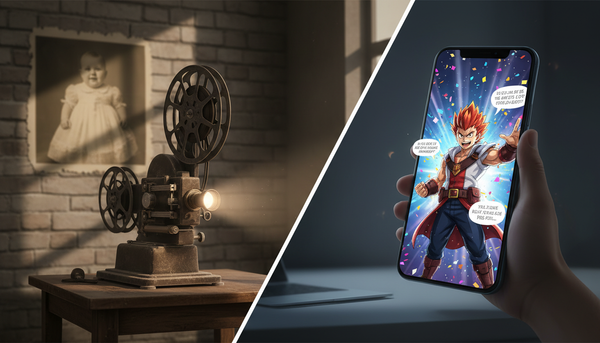
Consider the difference between a static image and a dynamic, voiced character. When you utilize a platform like Fanfun, you are accessing a library of personas that can be deployed instantly. This is a massive leap forward from traditional production methods. The key is in the curation of these moments; don't just dump content, build a narrative arc. Whether you are creating a birthday wish, a roast, or a promotional clip, the focus should always be on how the persona interacts with the specific context of the request.
The New Rules of Fandom Interaction
Fandom is no longer a passive experience. Modern viewers want to participate in the creative process, often by prompting, remixing, or directing the content they consume. Fanfun facilitates this shift by providing an instant-access alternative to the traditional "wait-and-see" model of bookings. Instead of waiting weeks for a pre-recorded clip, you can build an interactive ecosystem where fans feel like they are directly influencing the character's behavior. This turns the audience from spectators into collaborators.
This shift requires a change in mindset. Creators must stop viewing their audience as a monolith and start viewing them as participants. When you allow your community to suggest prompts for your AI personas, you aren't just creating content; you are building a shared experience. This is the ultimate form of engagement in the modern era. By allowing your audience to direct the action, you create a sense of ownership that keeps them coming back for more.
Building Your Own Content Ecosystem
Start by anchoring your channel with a core persona that represents your brand's voice. Once that foundation is set, layer in secondary, contrasting characters to keep your audience guessing. You might pivot from the high-energy, authoritative presence of an athlete to a more nuanced, character-focused comedy sketch. This diversification not only keeps your content fresh but also demonstrates your range as a creator. By leveraging the versatility of AI, you are no longer limited by your own physical capabilities; you are limited only by the depth of your imagination.
Finally, remember that consistency is not about doing the same thing every time; it is about maintaining a consistent level of quality and character integrity across all your pivots. If your persona is meant to be funny, their serious moments should feel earned. If they are meant to be authoritative, their moments of vulnerability should be impactful. This is the secret to longevity in the digital space, and it is exactly how you build a loyal, recurring audience that trusts your voice above all others.
How do I create an AI persona that feels authentic?
Start by identifying the core personality traits and speech patterns of your persona. Use specific, descriptive prompts to define their tone, motivation, and typical vocabulary to ensure consistency across all interactions.
Can AI voice generators capture the nuance of a real actor?
While AI is an interpretation rather than an exact replica, modern generators are incredibly adept at capturing emotional range, cadence, and inflection, allowing for highly expressive and believable performances.
Why is interactive AI content better for audience engagement than static videos?
Interactive content invites the viewer to participate, transforming the experience from a one-way broadcast into a two-way conversation. This builds deeper emotional resonance and keeps audiences coming back to see how the persona responds to new inputs.
How does Fanfun differ from traditional celebrity video platforms?
Fanfun provides instant, scalable, and interactive experiences that aren't limited by celebrity availability or physical constraints. Unlike traditional platforms, you can generate content in minutes, explore fictional characters, and engage in two-way conversations.