The Julie Cooper Effect: Why We’re Still Obsessed with TV’s Ultimate Anti-Heroines
Melinda Clarke’s iconic roles proved that audiences crave complexity over perfection. Here is how you can use that same sharp, unapologetic energy to level up your own content creation.

In the landscape of early 2000s television, few characters commanded a room like Julie Cooper. She wasn’t the protagonist, and she certainly wasn’t the moral compass, yet she remains the gold standard for the modern anti-heroine. Her appeal wasn’t rooted in kindness; it was rooted in clarity. She understood the power dynamics of her environment better than anyone else, and she was entirely unapologetic about her pursuit of survival and status. This archetype—the woman who refuses to be a victim, even when she is the antagonist—has become a cornerstone of modern digital storytelling.
Today, the fascination with this archetype has only grown. Audiences are tired of the sanitized, one-dimensional hero. We want the messy, the sharp, and the brutally honest. This shift in taste is precisely why creators are moving away from passive viewing and toward active, character-driven storytelling. If you’ve ever wanted to capture that specific blend of wit and authority in your own projects, you’re no longer limited by traditional casting—you can build these personas from the ground up using modern tools.
The Blueprint of the High-Stakes Villain
The anti-heroine archetype thrives on high-stakes environments where being 'nice' is a liability. Characters like those played by Melinda Clarke succeed because they operate with a distinct moral code that prioritizes self-preservation and sharp intellect. This isn't just about being a villain; it’s about being the most capable person in the room. Modern audiences gravitate toward this because it feels real. We live in an era of curated perfection, so when a character speaks with unfiltered honesty or leans into their own flaws, it resonates.
To build this in your own content, you need to master the mechanics of the archetype:
- The Unapologetic Arc: Owning decisions without seeking external validation.
- Sharp Dialogue: Using wit as a shield and a weapon.
- Calculated Vulnerability: Only showing the 'real' self when it serves a tactical purpose.
By dissecting these traits, you can apply them to your own content, whether you are writing a script, developing a character for a social media series, or simply experimenting with persona-based voice work.
Why Complexity Beats Perfection in Modern Fandom
The 'Julie Cooper Effect' is essentially a masterclass in audience retention. When a character is perfect, the viewer has nowhere to go; when a character is flawed, ambitious, and occasionally cruel, the viewer is hooked on the *what-happens-next* factor. In the realm of content creation, this translates to high-engagement social media personas. By utilizing an AI voice generator, you can imbue your own digital avatars with this level of nuance. Instead of a flat, robotic delivery, you can leverage AI to capture the specific cadence of a cynical, sharp-witted character. This is where Fanfun changes the game: it allows you to move beyond the constraints of generic stock voices and tap into the archetypes that already hold cultural weight, making your content feel instantly familiar yet entirely new.
Beyond the Screen: Recreating the Archetype
Recreating that 'villainous charm' in your own work requires a shift in how you view character creation. You don't need a massive production budget to craft a persona that feels authoritative or sassy. Using an AI voice generator, you can iterate on tone, pacing, and inflection until you find that perfect balance of biting wit and undeniable charisma. Fanfun allows creators to step into this space instantly, bypassing the logistical hurdles of traditional production.
Whether you are looking to emulate the high-status energy of The Rock Dwayne Johnson to inject a sense of unstoppable confidence into a project, or you need the precise, iconic cadence of Hello Kitty to subvert expectations in a dark-comedy skit, the power lies in how you prompt the AI. The goal isn't just to mimic; it's to remix these established archetypes into something fresh.
The Evolution of Digital Fandom
The way we engage with icons has fundamentally changed. In the past, if you wanted a personalized message from a star, you were stuck in a 'wait-and-see' model—hoping for availability and paying a premium for a one-way clip. Today, the shift is toward interactivity. Fans are moving from passive consumption to active, two-way conversations. This is where Fanfun bridges the gap. Whether you are interacting with a classic figure like Mickey Mouse to see how a wholesome icon adapts to a modern, edgy script, or engaging in a deep-dive chat with Doraemon, the experience is immediate. You aren't just watching a character; you are testing your own creative ideas against their established persona. This iterative process allows you to refine your own storytelling skills in real-time. For creators, this means you can test a script with a persona like Spongebob Squarepants or even simulate the intense, goal-oriented dialogue of Lionel Messi to see how your audience reacts to different levels of intensity.
Strategic Scripting for Impact
When writing for an anti-heroine persona, focus on brevity. The most iconic lines are rarely long speeches; they are sharp, decisive observations. Consider the difference between a character who explains their motives and one who simply acts. In your voiceovers, lean into the 'sassy' or 'authoritative' cadence. If you are using Fanfun to generate content, test different prompts to see how slight variations in phrasing change the perceived 'vibe' of the character. If you want a character to sound like they are plotting a takeover, use words that imply control—'strategy,' 'leverage,' 'outcome'—and pair them with a voice profile that emphasizes a controlled, measured delivery.
Practical Application: Building Your Own Persona
To bring your own anti-heroine (or any complex character) to life, follow this three-step framework:
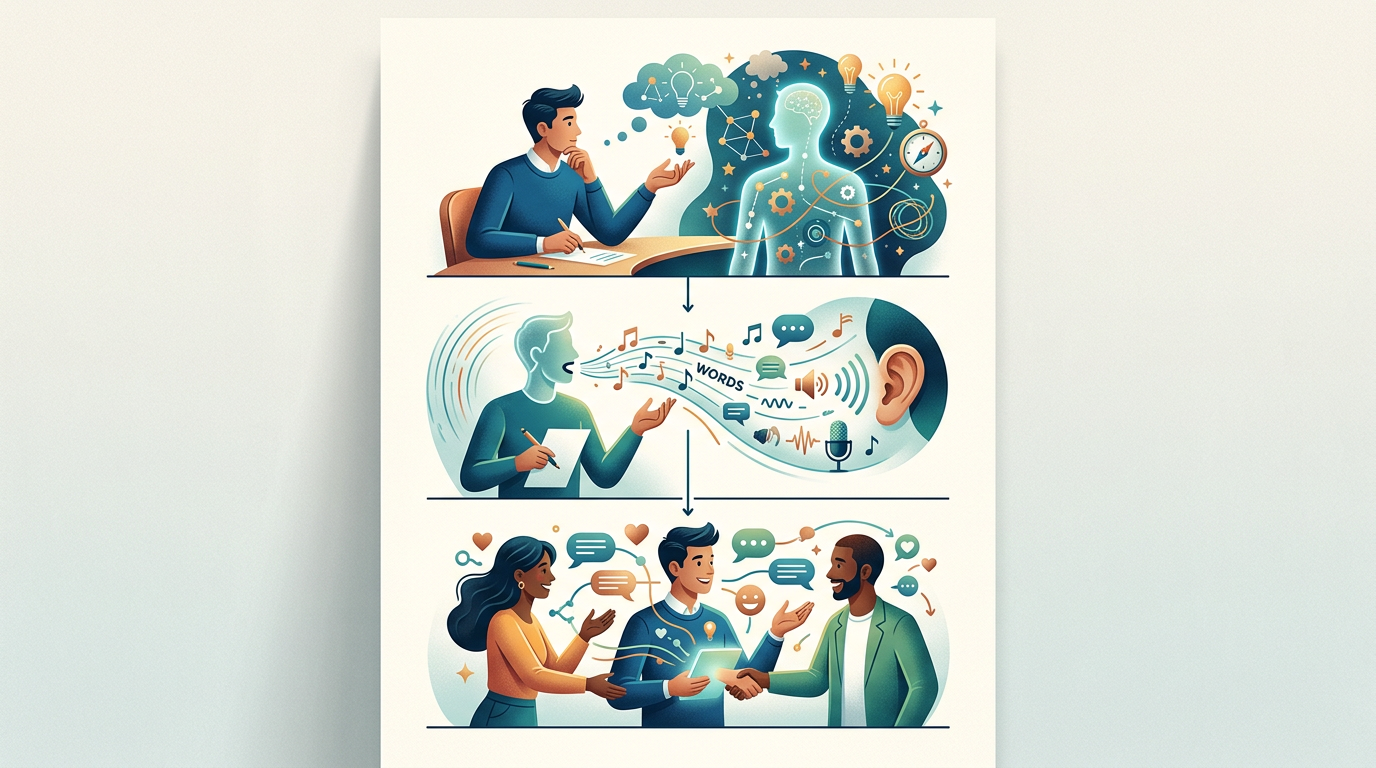
| Step | Action | Goal |
|---|---|---|
| 1. Define the Core Vibe | Identify 3 personality traits. | Consistency in tone. |
| 2. Iterate the Voice | Test samples in an AI generator. | Refining emotional delivery. |
| 3. Integrate | Embed in social content. | Audience engagement. |
Start by identifying the 'vibe.' Is your character a witty mentor or a sharp-tongued rival? Once you have the concept, use AI to experiment with different voice samples. Don't settle for the first result—tweak the phrasing until the delivery hits that specific emotional note you need. Finally, integrate these personas into your social media content to see how your audience reacts to the character's unique perspective. By treating the AI as a collaborator rather than just a tool, you move from simple generation to true creative direction.
The Future of Character-Driven Content
The next generation of content creation will prioritize interaction over broadcast. We are moving toward a world where the line between creator and fan is blurred, and where anyone can use tools like Fanfun to experiment with character performance. By leaning into the archetypes that defined our favorite TV anti-heroines, you can create work that feels sophisticated, intentional, and, above all, unforgettable. The key is to stop waiting for permission to use these character tropes and start building them into your own content ecosystem today. Whether you are building a narrative arc for a YouTube series or just experimenting with persona-based memes, the tools are ready for you to take the lead.
How do I create a character voice that sounds like a TV villain?
Focus on cadence and tone. TV villains often use a slower, more deliberate pace with clear enunciation. Use an AI voice generator to experiment with 'authoritative' or 'sassy' presets, then refine the script to include sharp, punchy sentences that convey power.
Is AI voice generation better than traditional celebrity cameo apps?
It depends on your goal. If you want instant, iterative creative control—like testing different scripts or creating a long-form character series—AI is significantly more flexible and affordable than the traditional 'wait-and-see' model of celebrity cameos.
Can I use AI to write dialogue for my own fan-made series?
Absolutely. AI tools are excellent for brainstorming, drafting, and testing dialogue. You can use platforms like Fanfun to hear how different phrasings sound in a character's voice, which helps you refine your script before you commit to a final recording.
Why are fans moving away from passive celebrity content?
Fans today crave agency. They want to interact with the characters they love, not just watch them from a distance. The rise of interactive AI chat and instant voice generation allows fans to become participants in the storytelling process rather than just spectators.