Interactive Video Messages vs. Pre-Recorded Video: Choosing the Right Format for Customer Retention
Choosing between high-production broadcasts and personalized video messages depends on your goal. Use this guide to decide which format will best boost your customer retention.
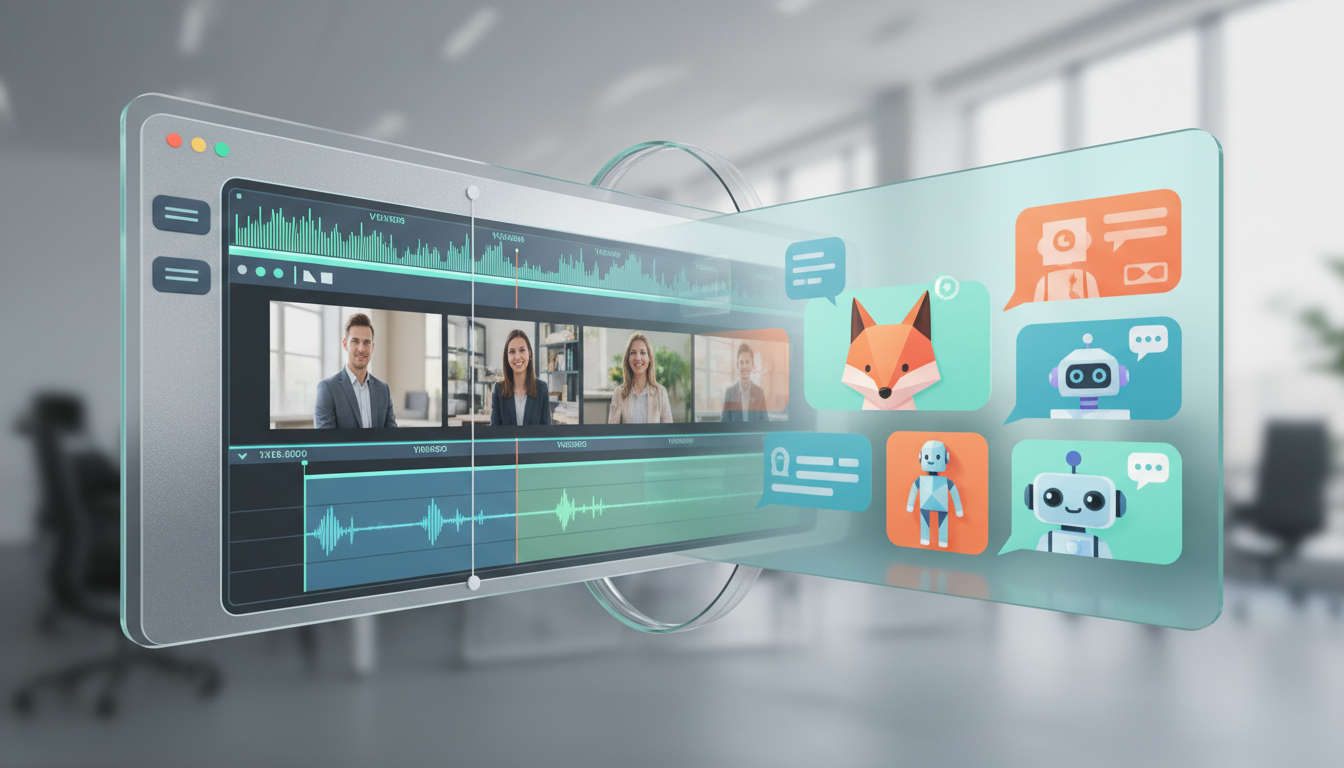
When deciding between traditional pre-recorded videos and interactive, personalized video messages, the choice depends on whether your goal is broad brand awareness or deep individual connection. Traditional, high-production video is the standard for one-to-many communication, such as company-wide announcements or evergreen brand storytelling. Conversely, interactive and personalized video—including AI-driven character messages—is significantly more effective for retention-focused touchpoints like customer anniversaries, onboarding flows, and churn prevention, where speaking directly to the user’s specific journey is the priority.
The Retention Dilemma: Static Broadcasts vs. Personal Connections
Traditional pre-recorded video functions as a broadcast: it is static, polished, and identical for every viewer. It excels at establishing brand authority but often fails to trigger an emotional response because it ignores the viewer's individual history. Interactive video, by contrast, relies on user data or dynamic elements to tailor the content. For customer success teams, this distinction is critical. If you are launching a new product line, a cinematic broadcast works well. If you are trying to win back a customer who hasn't logged in for thirty days, a personalized, interactive message that addresses them by name and acknowledges their specific usage patterns is far more likely to drive action.
Side-by-Side Comparison: Production, Cost, and Engagement
Understanding the operational trade-offs is essential for scaling your video strategy. For a deeper dive into the structural differences between these formats, read our guide on choosing between interactive AI video and traditional pre-recorded video messages.
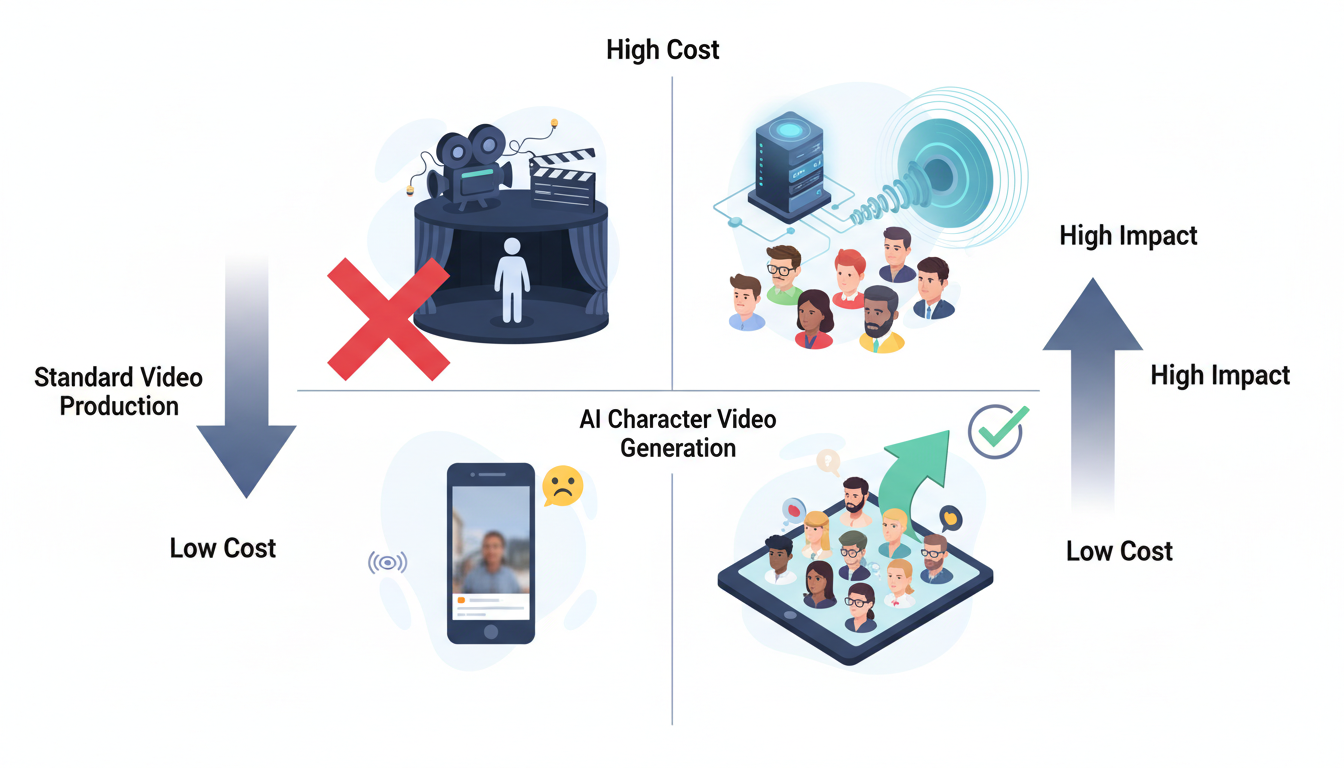
| Metric | Traditional Pre-Recorded | Interactive/Personalized Video |
|---|---|---|
| Production Cost | High (Studio/Crew/Edit) | Low (Template-based/AI) |
| Scalability | Low | High |
| Viewer Engagement | Passive | Active/Participatory |
| Use Case | Brand Storytelling | Retention/Milestones |
When to Deploy Traditional Pre-Recorded Videos
Standard video remains the gold standard for high-concept storytelling. You should prioritize this format when you need complete control over every frame, lighting cue, and sound design element. It is the most effective choice for:
- Brand-wide launches: When you need to convey a unified vision to your entire customer base simultaneously.
- Evergreen documentation: Product tutorials that are unlikely to change and benefit from a high-quality, professional aesthetic.
- Broad promotional campaigns: Situations where the message is universal and personalization would not add strategic value.
When to Choose Interactive and Personalized Video Messages
Interactive video turns a passive viewer into a participant, which is vital for building long-term loyalty. At Fanfun, we help users turn their own words into playful AI character video gifts and voice notes that standard text simply cannot replicate. These formats are ideal for:
- Milestone Celebrations: Use personalized video to acknowledge annual anniversaries or loyalty tier upgrades.
- Tailored Onboarding: Use template-based video messages to guide users through key setup steps, ensuring they receive content tailored to their specific goals.
- Retention Campaigns: Address specific user pain points directly. For more context on why these touchpoints matter, refer to our analysis on the retention rates of personalized video messages compared to static email greetings.
Key Implementation Tips for Mobile-First Video Campaigns
Because most retention-focused emails and SMS alerts are opened on mobile devices, your video strategy must be mobile-first. Keep your interactive scripts concise, focusing on a clear call-to-action within the first 15 seconds to minimize drop-off. When creating content featuring virtual characters, always ensure your video framing is optimized for smaller screens; learn more about this in our guide on how to choose the best video aspect ratio for mobile virtual character messages.
Do interactive video messages require complex coding to set up?
Not necessarily. While some platforms offer advanced API integrations, many modern tools, including AI-driven character platforms, allow you to generate personalized content using simple templates and scripts without needing a dedicated development team.
Can I use AI character voices in customer retention campaigns without sounding robotic?
Yes, provided you focus on the quality of the script and the context of the interaction. Using natural, conversational language rather than formal corporate jargon helps maintain the character's persona and builds a more genuine connection with the recipient.
How do customers typically react to personalized AI video messages compared to standard text emails?
Personalized video generally sees higher engagement rates because it feels like a high-effort, direct communication. While text emails are often scanned or ignored, a video message creates a unique, human-like touchpoint that stands out in a crowded inbox.