Beyond the Screen: Why We’re Turning Our Favorite Icons Into Personal Co-Stars
Fandom is no longer a one-way street. Discover how to move beyond passive consumption and start collaborating with iconic characters to tell your own stories.
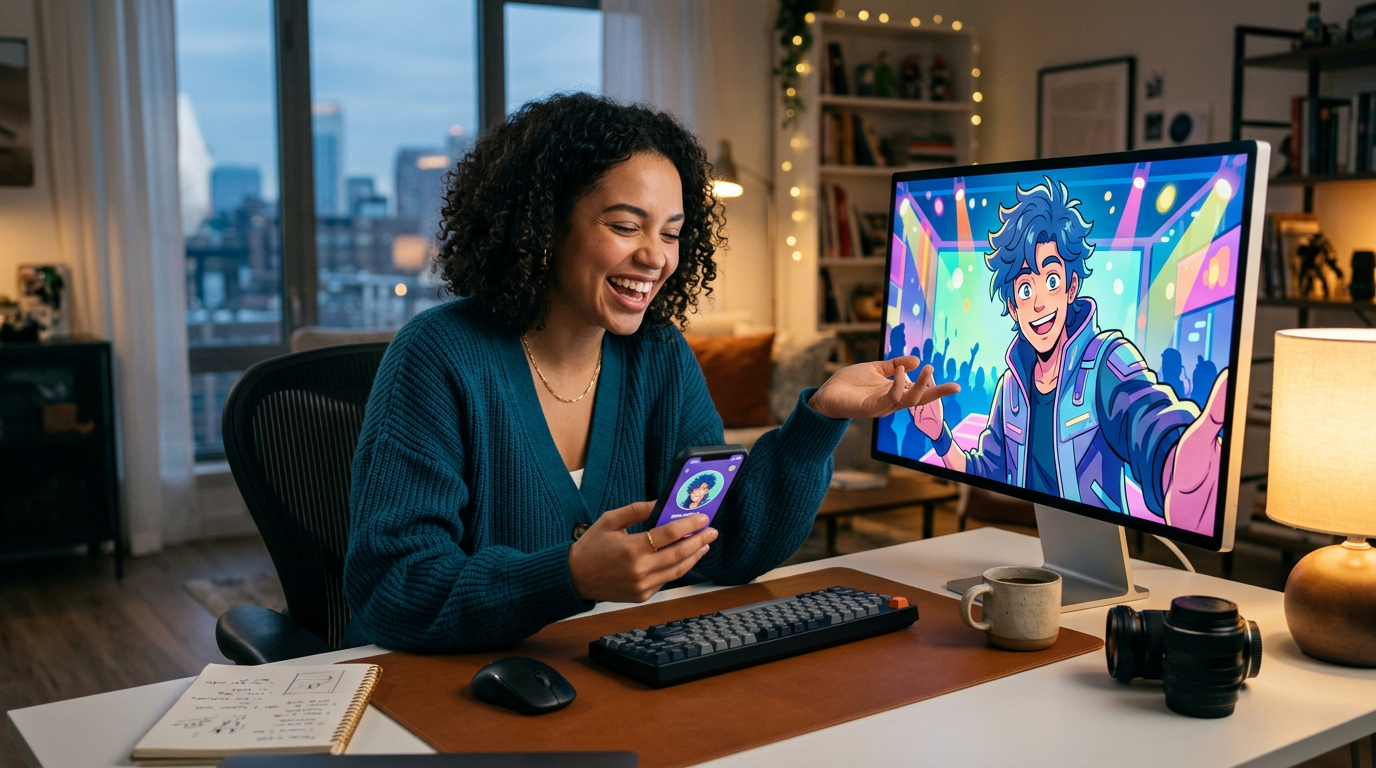
For decades, the relationship between a fan and their favorite character was defined by distance. You bought the merchandise, you watched the reruns, and you engaged in fan fiction that lived strictly on forums or in the margins of notebooks. The barrier to entry for "speaking" through these icons was impossibly high—requiring professional animation skills, voice acting talent, or the luck of a lifetime to get a real-world celebrity to acknowledge your existence. The fan was a consumer; the icon was an untouchable asset.
Today, that friction has evaporated. We are witnessing a fundamental shift where the audience is no longer just observing; they are collaborating. Platforms like Fanfun have democratized access to character personas, allowing creators to bridge the gap between being a fan and being a director. By leveraging AI-enabled voices and personalities, you can now generate content that feels like a genuine interaction rather than a static fan tribute. This isn't just about mimicry; it is about creative agency.
The Evolution of Fandom: From Passive Watching to Active Creation
The traditional model of fandom was built on scarcity. If you wanted a personalized message from a star, you had to hope for a convention appearance or pay a premium for a cameo that might take weeks to arrive. This model kept the "talent" on a pedestal and the fan in the audience. Digital tools have fundamentally inverted this hierarchy. Now, the creative power rests with the fan.
When you use an AI persona to generate a birthday wish, a roast, or a scripted skit, you are doing more than just using a tool; you are stepping into the role of a showrunner. The shift is from "I wish I could meet them" to "I can create a story with them." This is the core mission of Fanfun: to provide the infrastructure for this new creative class. Whether you are pulling from the timeless, minimalist charm of Hello Kitty for a brand-friendly promo or utilizing the high-energy, chaotic wit of Spongebob Squarepants to inject humor into your social media feed, the capability to synthesize these personalities is now as simple as writing a script.
The Anatomy of a Perfect Character Interaction
A great AI-generated interaction hinges on three pillars: authenticity, context, and intent. If you are creating a birthday wish, the cadence must match the character’s established "voice." A roast, conversely, requires a sharper wit and a tighter, more rhythmic delivery. The goal is to avoid the "uncanny valley" by focusing on the specific personality traits that make the character recognizable.
Authenticity doesn't mean you need a perfect clone. It means the "flavor" of the character must remain intact. If you are scripting a scene for Doraemon, you need to lean into the helpful, slightly frantic energy of the character. If you are using Shin Chan, you need to lean into the irreverence. The AI acts as the instrument, but you are the composer. If the script is generic, the output will be generic. If the script is tailored, the output becomes a piece of content that feels like an extension of the original IP. The best creators treat the AI not as a magic button, but as a collaborative partner that requires clear, character-specific direction.
Bridging the Imagination Gap
Using an AI voice generator isn't about creating a perfect clone; it's about capturing the essence of a performance. When you script a skit for a character, you have to think like a writer. What would they actually say? How would they react to a modern scenario? By using tools that prioritize character-specific quirks, you can transform a simple idea into a polished piece of content that feels like it belongs in the official canon. This is where the "Fanfun difference" becomes apparent: the ability to iterate on the fly allows you to test different tones and delivery styles until you hit that sweet spot of recognition.
Selecting the Right Persona for Your Project
Not every character fits every context. Choosing the right persona requires a balance of nostalgia and current cultural relevance. For instance, if you are looking to capture a multi-generational audience, leaning into timeless figures like Mickey Mouse provides an immediate sense of recognition. However, if your goal is to tap into a specific aesthetic or a younger demographic, you might opt for the distinct personality of a modern icon to inject humor and high energy into your project.
Consider the "Legacy-to-Audience" matrix when planning your content:
- Nostalgic Icons: Best for sentimental gifts and "throwback" style content. These characters carry a heavy emotional weight that does the heavy lifting for you.
- Modern Pop-Culture Figures: Ideal for trending memes, rapid-response social media content, and high-engagement skits. These require a tighter, faster turnaround to stay relevant.
- Character Archetypes: Useful for educational or instructional content where the character's "voice" adds authority or levity.
Whether you are pulling from the classic charm of a beloved mascot for a brand-friendly promo or utilizing a sports legend like Lionel Messi to add competitive weight to a sports commentary video, the choice of persona dictates the emotional resonance of your output. The key is to match the character to the objective: don't just pick a famous face; pick a personality that supports your narrative goal.
Workflow: Taking Ideas from Concept to Reality
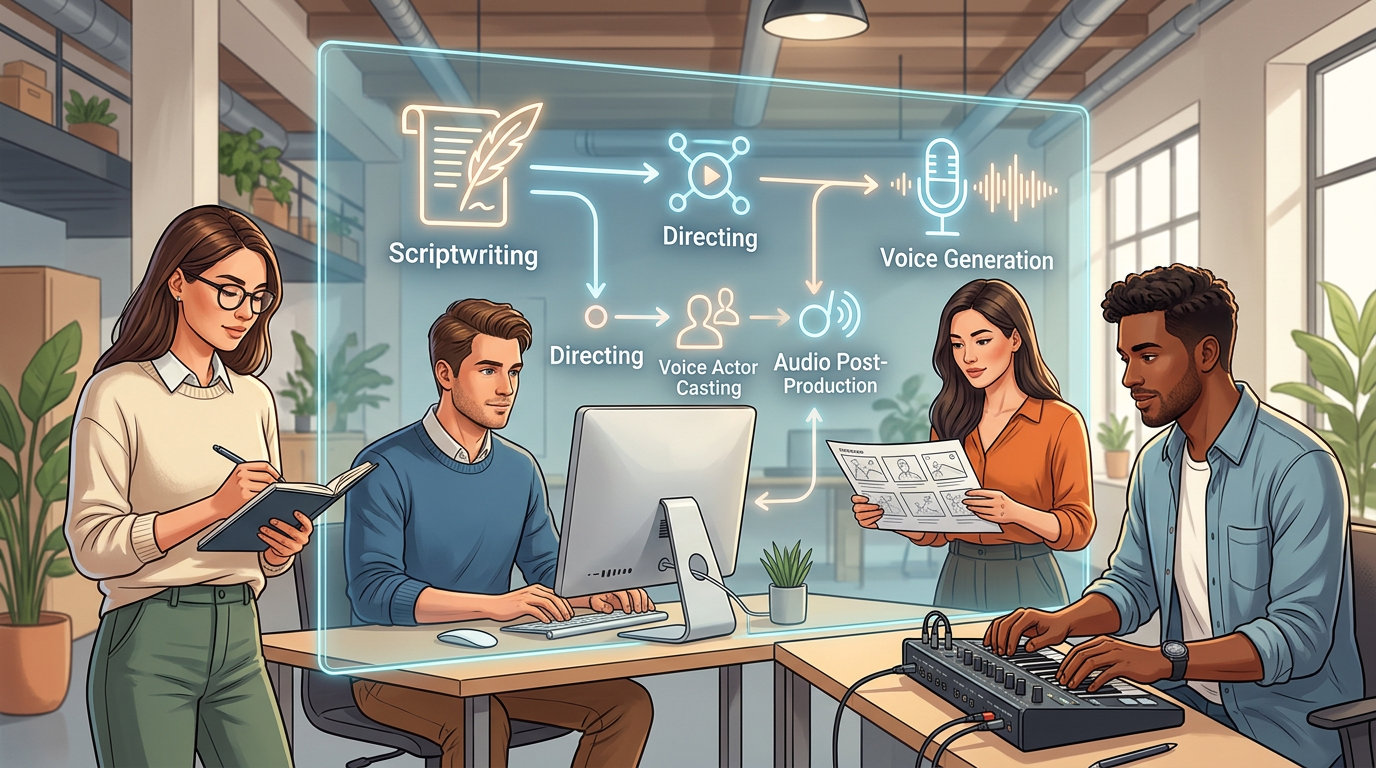
The most effective creators follow a disciplined workflow. First, define your scenario clearly. Are you building a birthday surprise, a reaction video, or a scripted skit? Once the scenario is set, draft your script with the character's specific vocabulary in mind. Avoid generic phrases; use the character’s catchphrases or established mannerisms to ground the content.
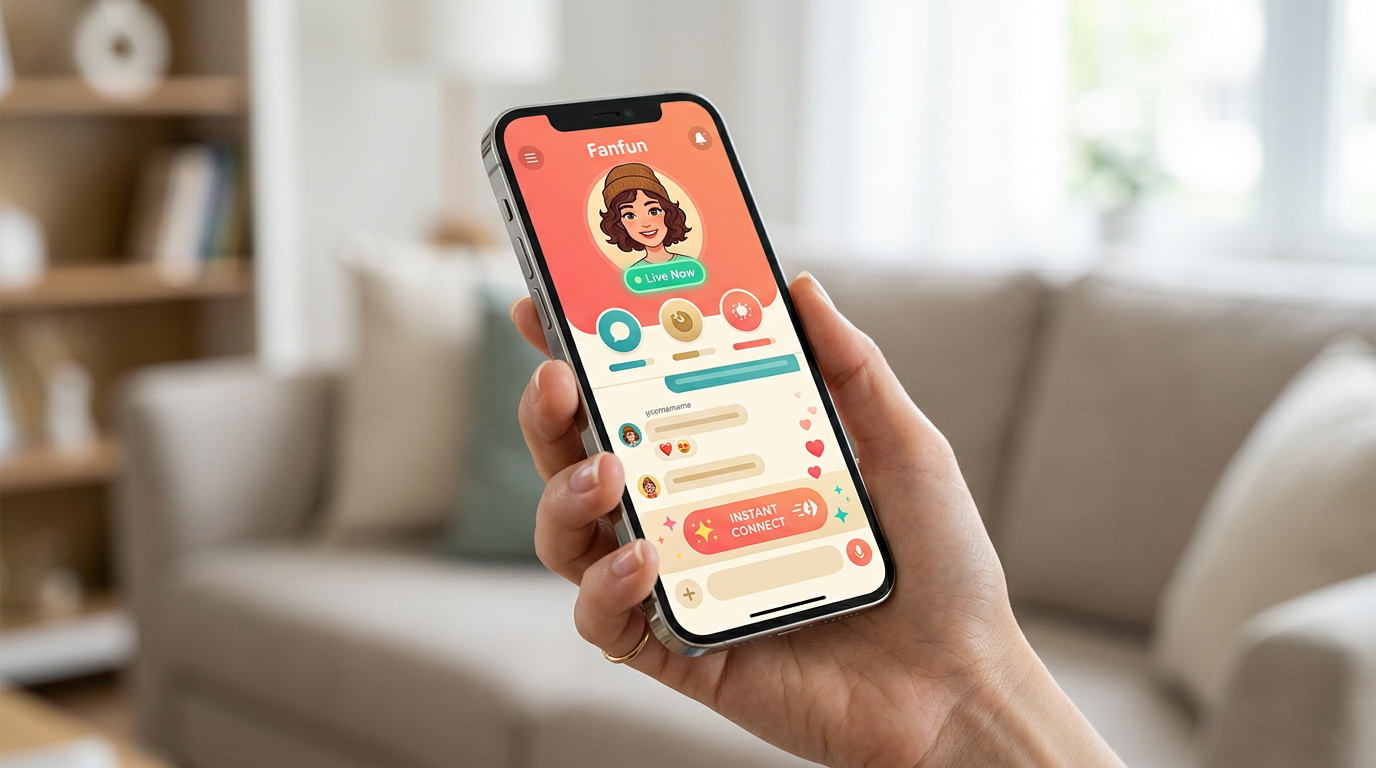
After scripting, move to the voice generation phase. Focus on the pacing—AI tools allow you to iterate quickly, so don't be afraid to adjust the script if the first pass feels off. This iterative process is the "secret sauce" that separates high-quality creator content from low-effort AI spam. You are the director; treat the AI as your talented, infinitely available co-star. If a joke doesn't land, change the phrasing. If the tone is too somber, inject more energy into the text. The speed of these tools is a feature, not a bug; use that speed to refine your vision until it is perfect. If you are producing a series, create a "character bible" for your project to ensure consistency across multiple videos.
The Future of Digital Connection
The rise of the "AI-assisted creator" archetype is changing the competitive landscape of social media. The ability to generate high-quality, character-driven content on demand is no longer just a fun party trick—it is a tangible advantage. Creators who can integrate these personas into their storytelling are finding new ways to retain audience attention and build deeper connections with their communities. By moving from passive consumption to active production, you are not just engaging with a brand; you are shaping the conversation around it.
As these tools continue to evolve, the distinction between "official" media and "fan-created" media will continue to blur. The winners in this new landscape will be those who use this technology not just to mimic, but to innovate, creating stories that were previously impossible to tell without a Hollywood studio budget. We are moving toward a world where fandom is a participatory sport, and the best way to get ahead is to start playing today. Whether you are building a personal brand, creating content for a niche community, or just looking to surprise a friend with a unique, custom-made message, the tools at your disposal are more powerful than ever. The only limit is the script you write.
How can I make a personalized birthday video using AI?
You can use Fanfun to select your favorite character, input your custom message, and generate an instant, personalized video greeting that captures the personality of the character.
Is it possible to use cartoon character voices for my own content?
Yes, Fanfun provides access to a library of character voices that you can use to narrate your own skits, memes, and videos, allowing for high-quality, character-led content creation.
How do AI personas differ from traditional Cameo videos?
Unlike traditional Cameo videos, which require waiting for celebrity availability and come at a higher cost, AI personas are available instantly, offer more creative flexibility for scripts, and can be used to generate content featuring fictional characters that aren't available on traditional platforms.
Can I create interactive conversations with fictional characters?
Absolutely. Fanfun offers AI chat features that allow you to hold two-way conversations with various personas, providing a more engaging experience than one-way video clips.