Beyond the Warthog: Why Ernie Sabella’s Voice Remains a Masterclass in Character Comedy
Ernie Sabella’s vocal work defines the 'boisterous sidekick' archetype. Here is how you can deconstruct his performance style to elevate your own creative projects.

When we talk about the architecture of a memorable character, we often focus on the visual design or the cleverness of the script. Yet, the true heavy lifting in animation history frequently rests on the shoulders of voice actors who understand the mechanics of theatrical comedy. Ernie Sabella stands as a titan in this regard. His ability to turn a simple line of dialogue into a rhythmic, gravelly, and emotionally resonant moment is a skill set that transcends mere voice acting—it is a masterclass in comedic physics.
For modern creators, understanding the 'Sabella style' is more than just an exercise in nostalgia; it is a blueprint for building better content. Whether you are crafting a script for a short-form video, developing a character-led narrative, or experimenting with an AI voice generator, applying these principles of projection and contrast can help your projects stand out in an increasingly crowded digital landscape.
The Anatomy of a Comedic Sidekick
Ernie Sabella’s contribution to animation is often reduced to the specific characters he brought to life, but his performance is actually a masterclass in theatrical mechanics. Sabella brought a Broadway-honed sensibility to the recording booth, relying on calculated breath, exaggerated projection, and impeccable comedic timing. Unlike modern, understated voice acting that often aims for naturalism, Sabella’s work leans into the 'lovable grump' archetype—a character who is physically imposing yet emotionally vulnerable, often using a gravelly, resonant tone to signal both authority and absurdity.
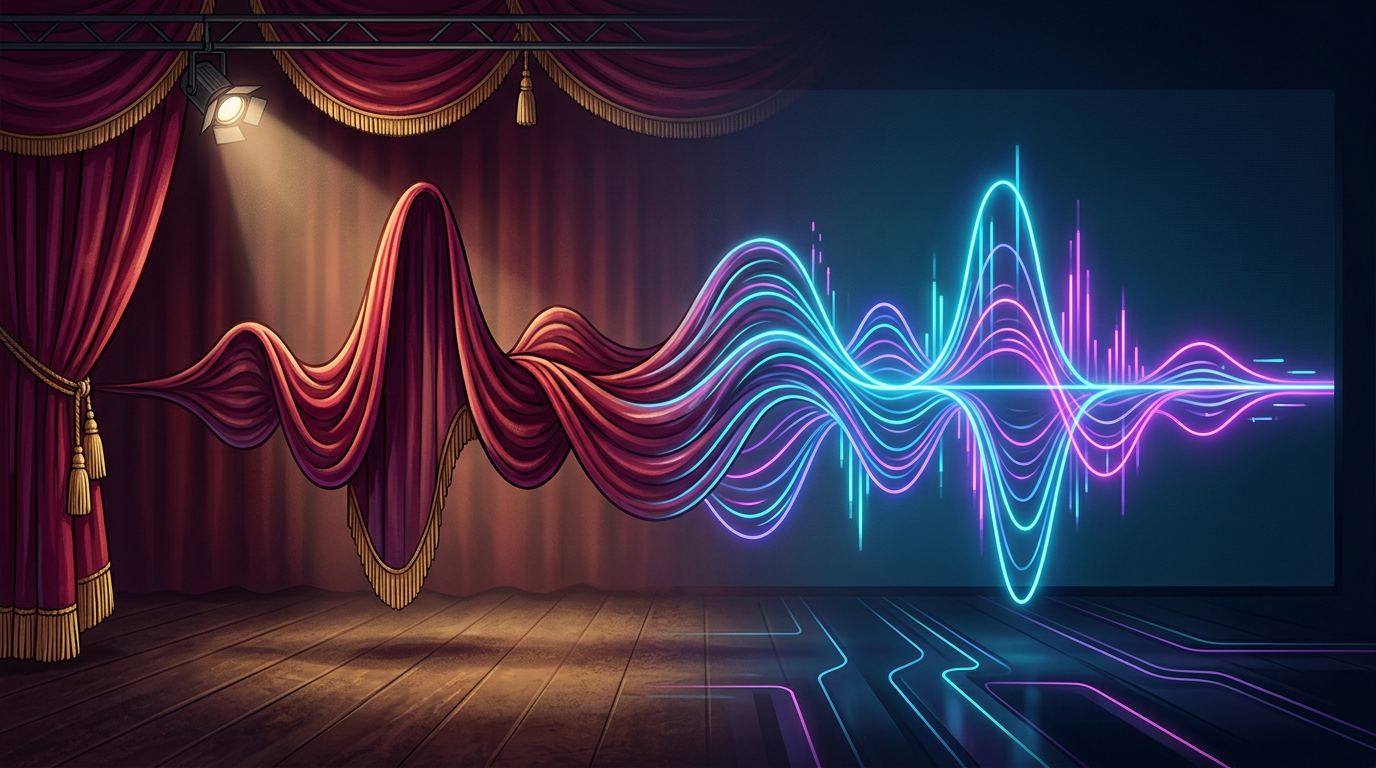
The secret to his delivery lies in the contrast between high-energy outbursts and nuanced, grumpy muttering. By prioritizing the physical presence of the voice—the way the diaphragm pushes sound through a textured, slightly strained register—he creates a character that feels three-dimensional. For content creators, this is a vital lesson: voice acting isn't just about the words; it’s about the 'weight' of the sound. When you are looking to replicate this energy, you aren't just looking for a pitch; you are looking for that specific, theatrical texture that cuts through a mix.
Deconstructing the 'Boisterous' Vocal Style
To replicate the Sabella energy, you must focus on three distinct components: the initial attack, the mid-sentence decay, and the final comedic release. Sabella often starts a sentence with an aggressive, gravelly attack that signals his character's frustration. As the sentence progresses, he allows the voice to drop into a lower, more conversational register, creating a sense of intimacy. Finally, he punctuates the end of the thought with a sudden, sharp inflection. This pattern—attack, decay, release—is the heartbeat of the 'lovable grump' archetype. When using AI tools, you can experiment with these cadences by adjusting your script's punctuation and structure to force the engine to emphasize the emotional shifts rather than just the words themselves.
From Stage to Screen: The Versatility of Performance
Sabella’s transition from the stage to the recording booth demonstrates how theatrical intensity translates into animated comedic timing. He treated the microphone like a front-row seat in a theater, ensuring every syllable carried the weight of a punchline. This blueprint for the 'heart-of-gold' sidekick has become a staple in storytelling, creating a template for characters who are meant to be the comic relief yet serve as the emotional anchor of the narrative.
Replicating this distinct, textured performance is notoriously difficult because it relies on spontaneous shifts in rhythm. Many creators struggle to capture that 'Sabella energy' because they focus too much on the impression rather than the intent. Truly capturing that vibe requires understanding that the character is constantly reacting to the world around them with a mix of skepticism and unbridled enthusiasm, a tension that is hard to fake without a deep understanding of comedic pacing. This is where Fanfun shines; by providing access to high-fidelity AI personas, we allow creators to iterate on these archetypes without needing a background in professional voice acting.
Channeling Iconic Archetypes in Modern Content
Modern content creation allows for a new level of experimentation with these archetypes. Using AI, creators can now test how different vocal textures change the perception of their scripts. The key difference between parody and tribute lies in the 'intent' of the performance; a tribute respects the lineage of the character archetype, while parody often leans into exaggeration for the sake of irony. At Fanfun, we see creators leveraging this to build complex, character-driven content that feels both nostalgic and fresh.
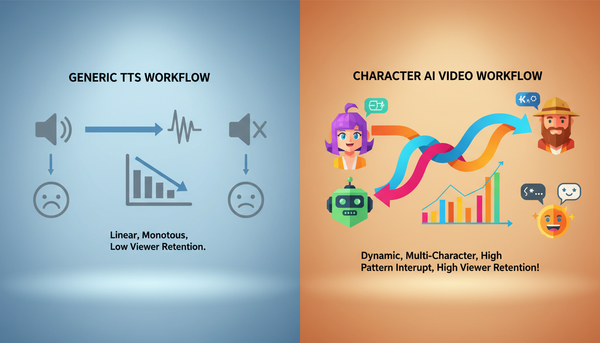
Whether you are building a narrative series or looking to inject character-driven humor into a roast, the ability to iterate is what separates professional-grade content from amateur projects. You might start with the high-octane energy of a Spongebob Squarepants-style performance to grab attention, then pivot to a more grounded, Sabella-esque delivery for a moment of character development. This versatility allows you to maintain audience engagement through dynamic shifts in tone.
Comparing the Legends of Animation
To choose the right persona for your project, it helps to map out the vocal 'weight' of various character archetypes. Consider how different iconic voices serve the tone of a piece:
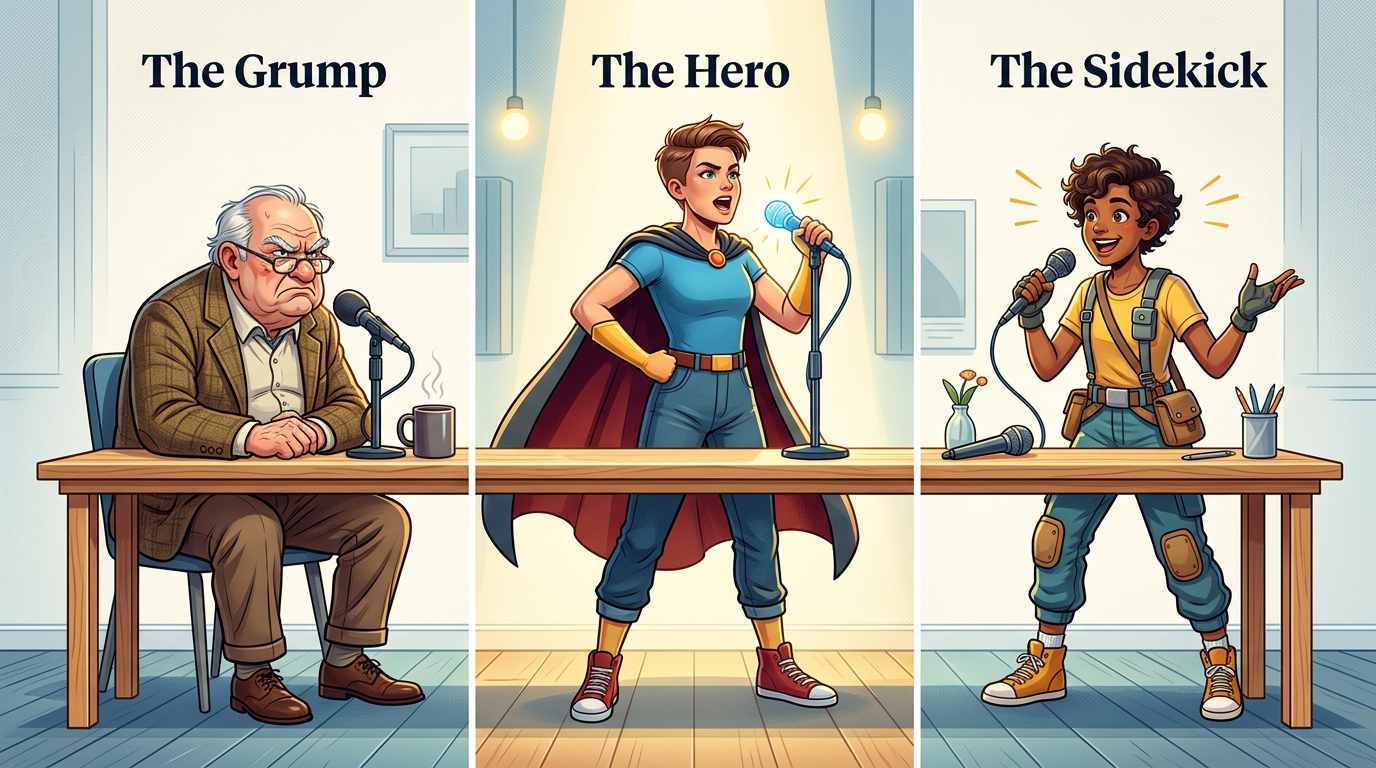
| Character Archetype | Vocal Trait | Best Used For |
|---|---|---|
| The Grump (Sabella-esque) | Gravelly, resonant, rhythmic | Comedy, cynical commentary |
| The High-Energy Icon | Fast-paced, bright, punchy | Promos, upbeat shorts |
| The Stoic Lead | Measured, deep, calm | Narrative storytelling, promos |
When selecting a voice, don't just look for a match; look for the 'vocal weight' that complements your content. If you are creating a high-energy meme, you might need someone with more vocal kinetic energy. If you are producing a thoughtful piece on pop culture, a more measured, iconic voice might be more appropriate. Always balance your nostalgia for the classics with the requirements of your original storytelling. For those looking for a specific type of gravitas, exploring the range of The Rock Dwayne Johnson can provide a perfect counterpoint to the more whimsical, high-pitched characters found in the animation canon. For a softer, more iconic touch, you might look toward the global appeal of Hello Kitty or the imaginative, problem-solving spirit of Doraemon.
The Future of Interactive Fandom
The landscape of fandom is shifting from passive consumption to active participation. We no longer just watch our favorite characters; we interact with them. Through tools like our interactive AI experiences, fans are now able to engage in two-way conversations that feel authentically tethered to the character's legacy. This move toward interactivity means that creators can offer their audiences more than just a video—they can offer an experience.
By leveraging platforms that offer instant, affordable access to these personas, independent creators are no longer constrained by the limitations of traditional celebrity bookings. You can now generate custom birthday wishes, roasts, or promos that feel like they were pulled directly from the source material, allowing you to build deeper, more meaningful connections with your own audience. As we continue to refine the way AI interprets iconic voices, the barrier between the creator and the character continues to dissolve, opening up a world of creative possibilities that were once reserved for major animation studios. Whether you are aiming for the gravitas of a sports legend like Lionel Messi or the timeless charm of Mickey Mouse, the power to define your narrative is now in your hands.
What makes Ernie Sabella's voice acting style unique?
Sabella combines Broadway-level theatricality with a gravelly, textured vocal delivery. His ability to balance grumpiness with warmth creates a 'boisterous sidekick' archetype that is highly effective in animation.
How can I use AI to create content with a theatrical, comedic voice?
You can use AI voice generators to experiment with different vocal textures and rhythms. By adjusting your script's cadence and using platforms like Fanfun, you can channel specific comedic archetypes to suit your project's tone.
Is it possible to generate custom messages using AI character voices?
Yes. Many modern platforms allow you to generate personalized birthday wishes, roasts, and memes using AI-driven character voices that mimic the style and energy of iconic figures.
How does Fanfun differ from traditional celebrity video platforms?
Fanfun provides instant, scalable, and affordable AI experiences. Unlike traditional platforms that rely on celebrity availability, Fanfun allows for two-way interactions and the use of fictional characters that are not available through human-only services.