Mastering the Cadence: How to Write and Generate a Viral AI Donald Trump Voice Roast
The technology to clone a voice is easy, but the real magic of a viral parody lies in the script. Learn how to master the unique, tangent-heavy cadence of the persona to turn your next group chat roast into digital comedy gold.
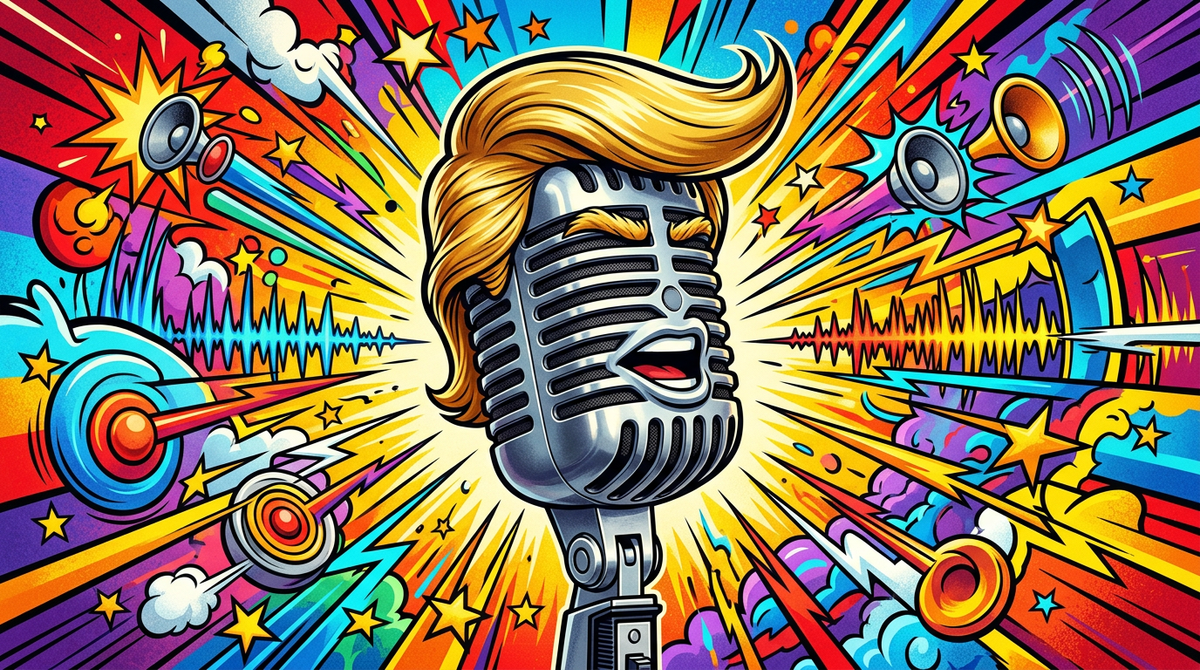
The difference between a viral parody video and a forgettable clip is rarely the software. Getting a machine to synthesize a famous voice is the easy part. Coaxing out the exact comedic timing, the bizarre tangents, and the signature breath patterns requires treating the AI like a character actor waiting for their lines.
If you feed an AI voice model a boring, grammatically perfect script, it will deliver a boring, grammatically perfect performance. To actually capture the magic of a viral parody—especially when targeting a highly distinct, recognizable persona—you have to master the cadence before you ever hit the generate button.
Why the Signature Cadence Dominates Digital Comedy
Certain voices carry an outsized cultural footprint. They are instantly recognizable within three syllables, which is exactly what you need to stop a user from scrolling past your TikTok or Reels content. The Donald Trump cadence is arguably the most requested rhythm in digital comedy right now, not because of politics, but because of its sheer architectural absurdity.
The humor stems entirely from contrast. The extreme, unearned confidence of the persona clashes hilariously with incredibly mundane, low-stakes topics. Imagine reviewing a local fast-food burger with the gravity of a presidential address, or delivering a five-minute monologue about why a specific Mario Kart track is rigged. That friction is the engine of modern digital satire.
AI voice generation has moved far beyond simple novelty. It is a highly specialized tool for content creation, allowing fans to build hyper-personalized group chat humor, elaborate memes, and custom soundboards that simply did not exist a few years ago. But to wield that tool effectively, you have to understand how the instrument is played.
The Anatomy of a "Tremendous" Parody Script
AI models read exactly what is written on the page. They do not improvise, they do not read between the lines, and they do not automatically add comedic pauses unless you force them to through punctuation and sentence structure. If your script lacks the persona's natural rhythm, the resulting audio will fall completely flat, sounding like a robot reading a textbook rather than a billionaire complaining about the Wi-Fi.
To prevent this, you need a concrete framework for transforming a standard message into a viral-ready monologue. We call this the Parody Scripting Checklist. Before you generate your audio, run your text through this decision framework to ensure it has the necessary comedic texture.
| Standard Script Element | Parody Script Replacement | Why It Works |
|---|---|---|
| Direct, concise sentences | Run-on sentences with multiple clauses | Forces the AI to take unnatural breaths and mimic a rambling train of thought. |
| Standard punctuation | Heavy use of em-dashes and ellipses | Creates the signature halting, start-and-stop rhythm of the persona. |
| Focusing on the main topic | Immediate pivots to personal grievances | Builds the comedic contrast between the actual subject and the persona's ego. |
| Polite congratulations | Backhanded compliments | Maintains the character's inherent narcissism, which is crucial for roasts. |
Core Elements of the Persona
Writing for this specific cadence requires breaking down the linguistic quirks that make the voice so recognizable. You are not just writing words; you are programming a rhythm. Here are the three non-negotiable elements you must include in your script.
The Rule of Repetition
This persona rarely makes a point just once. The most authentic-sounding AI generations feature a specific looping structure: state the claim, repeat the claim with an intensifier, and validate the claim with an invisible third party. If you are writing a script about a friend being bad at a video game, you do not just say they are bad. You write, "He is terrible. Just terrible. Everyone knows it. I walked in, I looked at his screen, I said, 'Wow, that is terrible gameplay.'" This repetitive looping forces the AI to emphasize the core joke multiple times, anchoring the listener in the parody.
Signature Vocabulary
Filler words are the glue that holds an AI voice clone together. You need to sprinkle specific vocabulary throughout the text to trigger the model's training data for this specific voice. Your mini-glossary of essential filler phrases should include: "frankly," "tremendous," "many people are saying," "strongly," "a disaster," and "believe me." Placing a "frankly" at the beginning of a sentence often changes the entire intonation of the AI's delivery, dropping the pitch into a more conspiratorial, serious register that sells the joke.
The Tangent Technique
The hallmark of this cadence is the inability to stay on topic. The Tangent Technique involves starting on the requested subject, veering wildly into an unrelated boast, and then snapping back to the punchline. For example: "Happy birthday to Mark. Thirty years old. I remember when I was thirty, I was building skyscrapers. Beautiful buildings. Mark is building a Lego set in his basement. Sad! But happy birthday, Mark." The tangent does the heavy lifting, allowing the AI to stretch its vocal range before delivering the final insult.
Beyond Politics: The Best Use Cases for the Voice
Once you master the script, the applications for this specific comedic rhythm are endless. Creators and fans are using this cadence to elevate everyday digital interactions, moving far beyond traditional political satire into hyper-niche fandom and personal roasts.
Fantasy Football Trash Talk: The standard group chat message is dead. Delivering a devastating, highly produced roast to the league loser using a booming, authoritative voice is the new standard. You can script a two-minute monologue detailing exactly why your friend's draft strategy was a "total disaster, frankly one of the worst drafts in the history of the league."
Gamer Lobbies: Dropping into a Discord server or a Call of Duty lobby with a custom soundboard is a guaranteed way to derail the pre-game lobby. Creators are scripting custom intro videos for their gaming squads, treating a Tuesday night Warzone match with the same severity as a global summit.
Milestone Roasts: Upgrading standard birthday wishes into a personalized, comedic roast is one of the most popular use cases. Instead of paying hundreds of dollars for a generic, rushed 15-second clip from a minor celebrity, you can write a highly specific, inside-joke-filled script that outshines a standard Cameo entirely.
Generating the Audio: Speed, Scale, and Fanfun
Writing the perfect script is only half the battle; executing it with speed and precision is where the real magic happens. Traditional impersonators or booking platforms like Cameo involve waiting days or weeks, only to receive a video where the actor clearly skimmed your instructions and missed the joke entirely. Digital comedy moves too fast for that kind of turnaround.
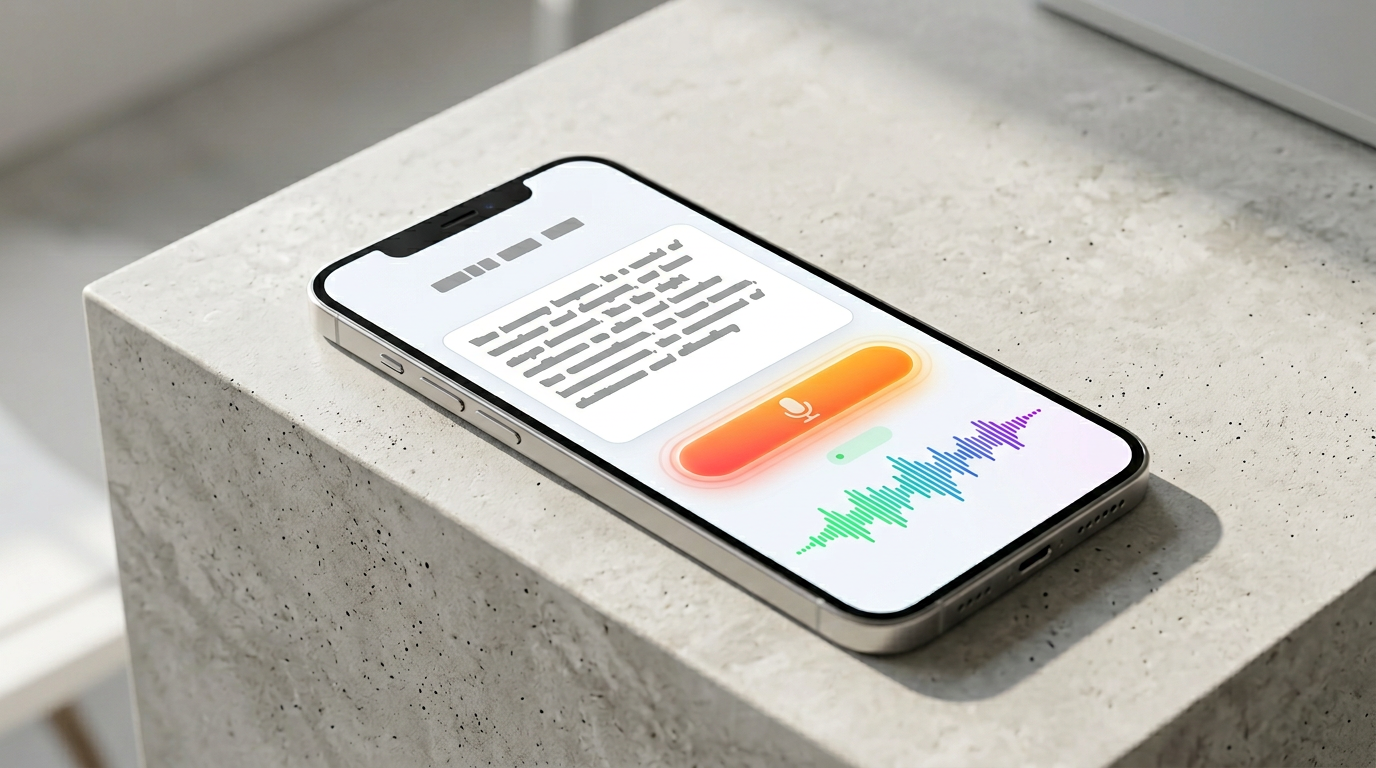
This is where Fanfun changes the equation. The workflow is designed for immediate, broadcast-ready results. You simply paste your optimized, tangent-heavy script into the Donald Trump AI voice generator, select your desired output format, and within minutes, you have a fully rendered audio file. The platform's AI interpretation is specifically tuned to capture the necessary breath patterns, the sudden shifts in volume, and the comedic emphasis required for this specific persona.
Because you control the exact text, you control the timing. If you need a longer pause before a punchline, you simply add ellipses. If you need a word shouted, you use capitalization. Fanfun gives you the tools of a full audio production suite without the intimidating learning curve, making it the premier platform for executing high-level parody at scale.
Building a Cinematic Roster for Your Content
The true potential of AI voice generation unlocks when you stop thinking about single clips and start thinking about multi-character scenes. Comedy relies on friction, and pairing a bombastic, rambling persona with a wildly contrasting voice creates instant entertainment. You are no longer just making a meme; you are directing a digital sketch.
Imagine scripting a mock debate over the best pizza topping. You have the rambling, self-aggrandizing cadence arguing fiercely for plain cheese. To create comedic friction, you introduce a second character to argue back. You could use the intense, high-octane Dwayne Johnson AI to deliver a passionate, sweat-drenched defense of meat lovers pizza. The contrast between the two distinct vocal rhythms—one chaotic and looping, the other intense and theatrical—elevates the content immediately.
Alternatively, you could pair the rant with the deadpan delivery of Shaq, who simply dismisses the entire argument with a single, low-register mumble. By leveraging Fanfun's diverse character library, creators can build a cinematic roster for their content, casting the perfect AI voices to fit whatever bizarre, highly specific scenario they can dream up. The technology is instant, the creative ceiling is limitless, and the group chat will never be the same.
How do I make an AI Donald Trump voice for a video?
The fastest way is to use a dedicated platform like Fanfun. You simply write a script tailored to his specific speaking style, paste it into the Donald Trump AI voice generator, and the platform will synthesize broadcast-ready audio in minutes. You can then overlay this audio onto your video content for TikTok, Reels, or YouTube.
What makes a Donald Trump parody script sound realistic?
Realism comes from mimicking the cadence, not just the tone. A successful parody script relies on the Rule of Repetition, heavy use of filler words like "frankly" and "tremendous," and the Tangent Technique—where the speaker veers off-topic to deliver a boast before returning to the punchline. Punctuation like em-dashes and ellipses also forces the AI to take natural-sounding pauses.
Is the Fanfun AI voice generator free to use?
Fanfun offers various tiers for creators and fans looking to generate personalized celebrity videos and voiceovers. While specific pricing models vary based on usage and features, the platform is designed to be highly affordable and scalable, especially when compared to the cost of booking traditional impersonators or using platforms like Cameo.
Can I use AI celebrity voices for my fantasy football league?
Absolutely. Fantasy football roasts are one of the most popular use cases for AI voice generation. Creators frequently write highly specific, inside-joke-heavy scripts to roast the league loser or announce weekly matchups, using bombastic AI personas to deliver the trash talk with cinematic gravity.