The Dominique Swain Playbook: How to Channel 90s Cult-Indie Drama for High-Retention Content
Ditch the polished corporate look. Learn how to capture the angsty, high-stakes energy of 90s indie thrillers using Dominique Swain's iconic screen presence as your creative blueprint.
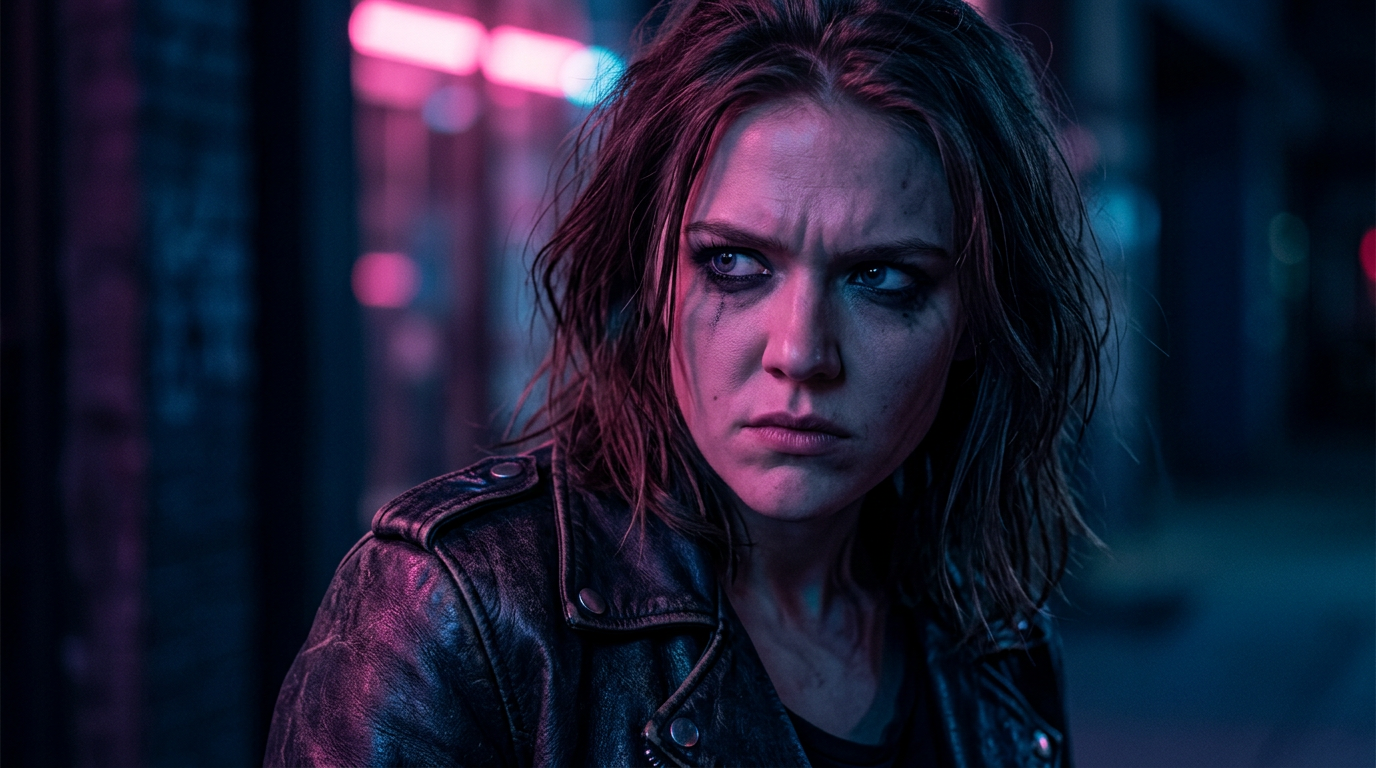
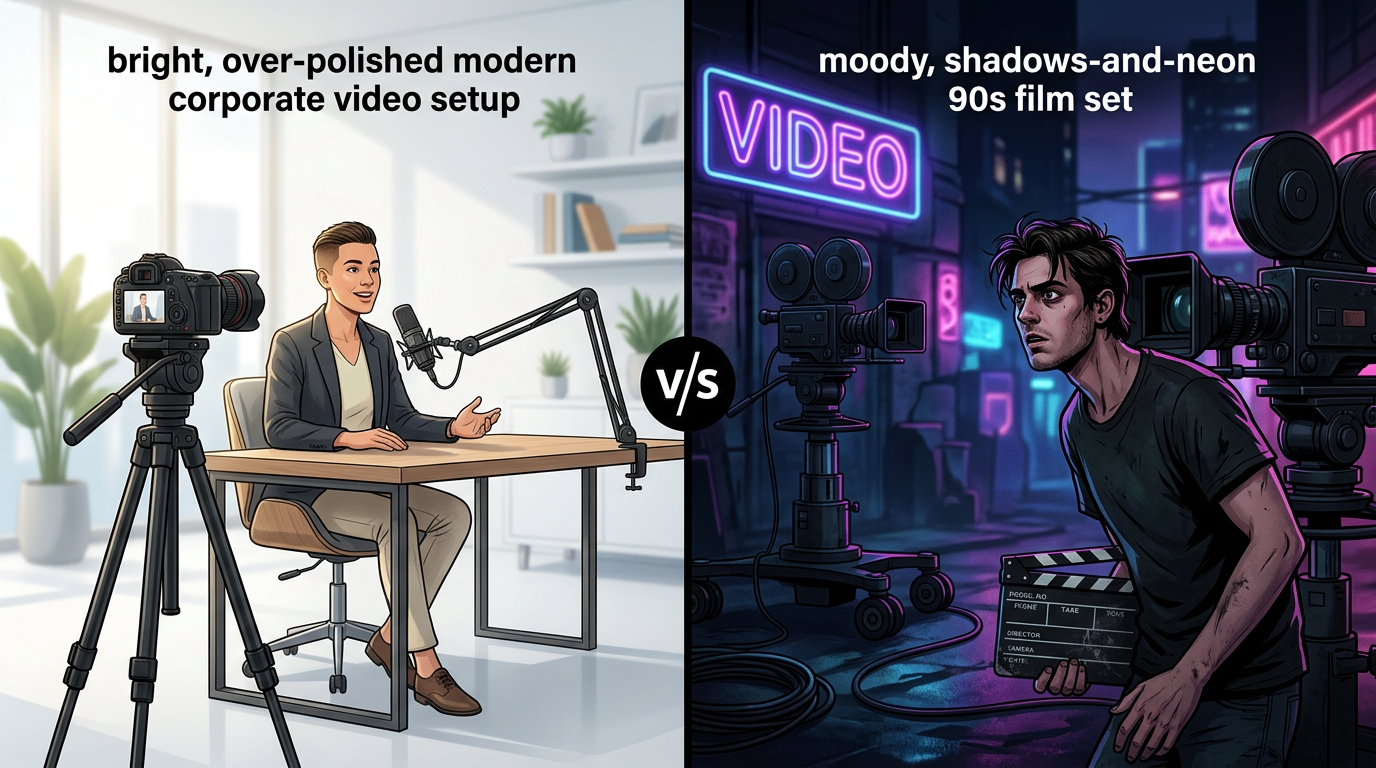
The endless scroll of social media has left modern audiences entirely numb to ultra-polished, brightly lit corporate content. Today's high-performing creators are pivoting away from clean, sanitized aesthetics in favor of raw, moody, and highly dramatic atmospheres that immediately arrest a viewer's attention. When every second video features a perfectly lit creator speaking in a cheerful, upbeat tone, leaning into dark cinematic tension is the ultimate pattern interrupt.
To break through this feed fatigue, look no further than the late-1990s indie thriller aesthetic—specifically, the magnetic, high-stakes energy popularized by actresses like Dominique Swain. By treating her iconic screen presence as a creative blueprint, you can use Fanfun's advanced AI video and voice tools to inject cinematic tension directly into your social feeds, creating high-impact content that keeps viewers hooked until the very last frame.
The Dominique Swain Aesthetic: Why 90s Cult Energy Rules Modern Feeds
There is a massive cultural shift happening on platforms like TikTok and Instagram Reels. Audiences are actively rejecting the over-produced, hyper-optimistic influencer persona. Instead, they are gravitating toward raw, lo-fi, and deeply nostalgic aesthetics. This is where the late-90s cult-indie drama comes in. It represents an era of filmmaking that was gritty, emotionally volatile, and unapologetically expressive.
Dominique Swain stands at the absolute center of this aesthetic. In her breakout roles, most notably as Jamie Archer in the 1997 action-thriller Face/Off, she captured a very specific kind of screen energy: the rebellious, highly defensive teenager dealing with high-stakes family secrets. Whether she was smoking a cigarette on a rooftop or delivering a sharp, sarcastic retort to a parent who was actually an international terrorist in disguise, her performance crackled with immediate tension. It was impossible to look away because the emotional stakes always felt like life or death.
For modern creators, this high-tension performance style is pure gold for retention metrics. When you construct content that feels like a scene from a lost 1997 indie thriller, you trigger an immediate curiosity gap. Viewers stop scrolling because they want to know why the character on screen looks so intensely stressed, what secret they are hiding, and what they are about to do next. Fanfun serves as your ultimate creative sandbox here, allowing you to generate this specific brand of nostalgic, character-driven video and voice content instantly, without needing a Hollywood budget or a full production crew.
The Anatomy of a 90s Indie Performance
Replicating this moody, high-tension energy requires more than just throwing a grainy VHS filter over your footage. You need to understand and deconstruct the specific physical and vocal cues that defined late-90s dramatic acting. By mastering these performance markers, you can write better scripts and direct your AI characters with surgical precision.
The Breathless Delivery
In 90s indie dramas, characters rarely speak with calm, measured cadence. Instead, they utilize a breathless, high-urgency delivery. It sounds as if they have just run up a flight of stairs or are trying to whisper a secret before they get caught. This vocal style creates an immediate sense of intimacy and danger. To replicate this in your content, structure your dialogue with short, fragmented sentences that feel rushed and emotionally charged.
The Sudden Shift
One of the defining traits of Dominique Swain's performance style is the rapid transition from sweet, disarming innocence to sharp, rebellious sarcasm. One moment she is a vulnerable daughter looking for approval; the next, she is delivering a devastatingly cold eye-roll. This emotional whiplash keeps the audience on edge. In your scripts, make sure your characters pivot quickly between these two extremes to prevent the performance from feeling flat or predictable.
The High-Stakes Gaze
The visual language of 90s thrillers relies heavily on intense, undivided attention. Characters do not look at the camera with a friendly, welcoming smile; they look through it with defiance, suspicion, or deep existential dread. When generating AI video content, choose character expressions that convey intense focus, slight vulnerability, and a touch of attitude. This immediately signals to the viewer that whatever is being discussed is of critical importance.
Archetypes of the Era: Choosing Your Dramatic Persona
To successfully build a campaign or a recurring social series around this aesthetic, you need to select a clear character archetype. This helps ground your writing and ensures your AI prompts remain consistent. Here are the two primary archetypes of the late-90s indie thriller era:
- The Rebellious Daughter: Directly inspired by Swain's role in Face/Off. This character wears leather jackets, smudged eyeliner, and uses defensive sarcasm as a shield. Her monologues are anti-authority, deeply personal, and highly relatable to anyone who has ever felt misunderstood. Use this archetype to address modern, everyday frustrations with absurdly high levels of dramatic intensity.
- The Melodramatic Noir Protagonist: This character exists in a world of perpetual rain, dark alleys, and internal monologues. They speak in hushed tones about existential dread, missed opportunities, and mysterious secrets. This archetype is perfect for moody, narrative-driven storytelling or high-concept brand promotions that want to stand out from the crowd.
When selecting your archetype, consider your target audience's specific nostalgia triggers. If your demographic grew up renting VHS tapes from Blockbuster, the rebellious, leather-clad indie darling will evoke an instant wave of comforting nostalgia. You can easily contrast the moody, rebellious drama of 90s indie thrillers with the hyper-earnest, campy glamour of comedy-focused character playbooks to see how different emotional registers capture entirely different segments of your audience.
Scripting for Melodrama: A Creator's Framework
The secret to making 90s-style melodrama work on modern feeds is contrast. If your video is about a genuinely tragic situation, it can feel heavy and depressing. But if you apply that extreme, high-stakes dramatic energy to a completely mundane, everyday modern problem, you get comedic and creative gold.
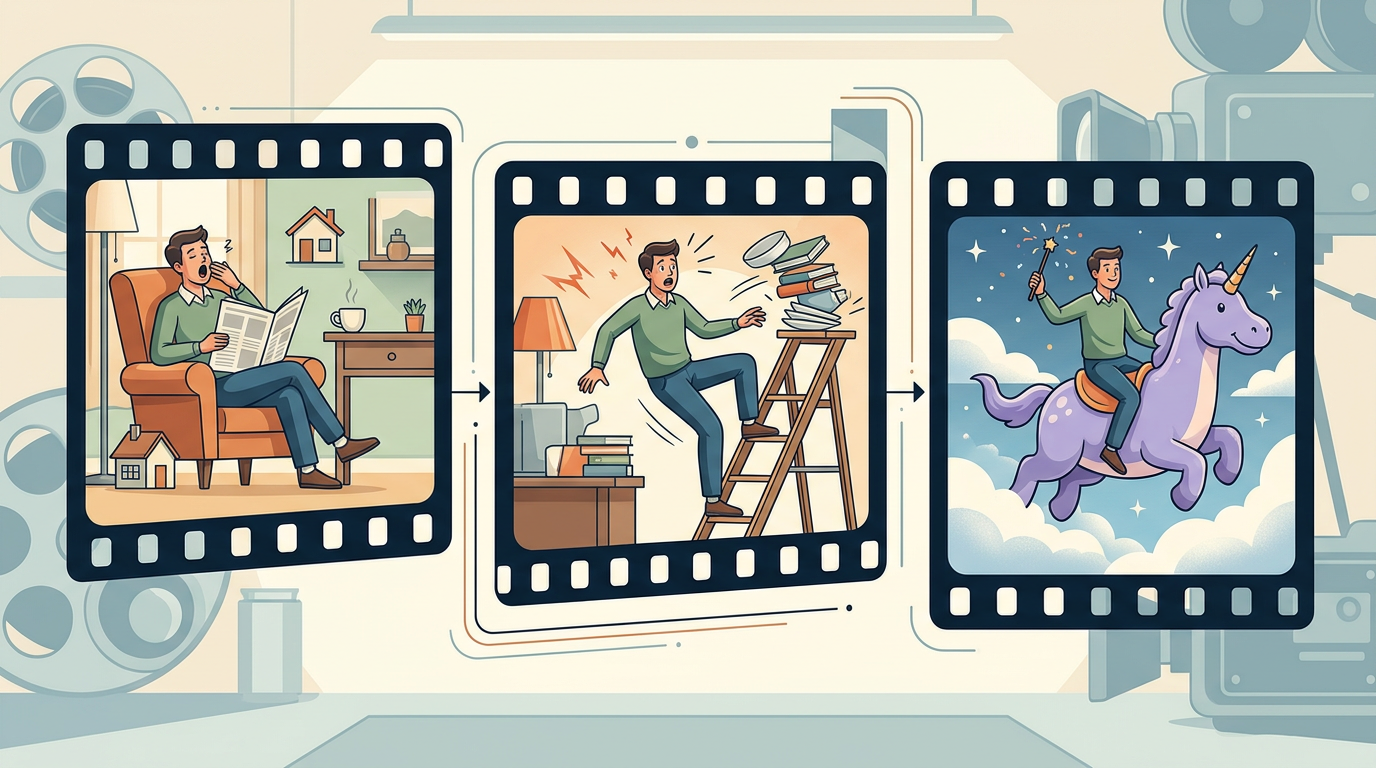
To execute this, use our three-step scripting framework:
- The Mundane Hook: Start with an incredibly normal, everyday situation (e.g., losing a phone charger, a streaming service raising its prices, or a favorite coffee shop running out of oat milk).
- The Dramatic Escalation: Treat this minor inconvenience as if it is a major plot point in an R-rated thriller. Use breathless delivery, intense eye contact, and high-stakes vocabulary.
- The Absurdist Resolution: End the video with a dark, ironic twist or a sudden return to reality that highlights the utter absurdity of the character's reaction.
Historically, creators who wanted to tap into this specific niche of celebrity nostalgia had to deal with the massive friction of traditional booking platforms. To understand why this old model is failing modern, agile creators, it helps to look at the numbers and operational constraints:
| Creative Variable | Traditional Celebrity Booking Platforms | Fanfun AI Video & Voice Platform |
|---|---|---|
| Turnaround Time | 5 to 7 business days (subject to celebrity availability) | Instant generation (ready in minutes) |
| Cost Structure | Hundreds of dollars per single, uneditable shoutout | Highly affordable, scalable subscription models |
| Script Control | Celebrities can reject, alter, or refuse to read your script | Complete creative freedom over dialogue, tone, and pacing |
| Commercial Licensing | Extremely rigid, complex, and expensive commercial rights | Clear, creator-friendly usage options |
When you compare the high costs and rigid licensing of traditional platforms to the agile, scalable alternatives offered by modern AI video generation, it becomes clear why forward-thinking creators are choosing the AI path. Instead of waiting a week for a single, static video clip that you cannot edit, Fanfun allows you to iterate, tweak, and publish multiple high-tension variations of your script in a single afternoon.
Here is a sample script template you can copy, modify, and input directly into Fanfun's AI Video Generator today:
[Visual: Cinematic close-up, moody shadow lighting, intense eye contact]
Character (breathless, whispering): "They told me... they told me it was unlimited. But then I saw the email. The subscription price went up by two dollars. Two. Dollars. Do you have any idea what they can do with that kind of power? It’s not about the money... it’s about control. They think they own us. But they don't. They never will."
[Visual: Sudden shift to a cold, sarcastic smirk]
Character (sarcastic): "So yeah, I guess I'm canceling my account and pirate-streaming the season finale. What are they gonna do, arrest me?"
Directing AI Voices for High-Retention Tension
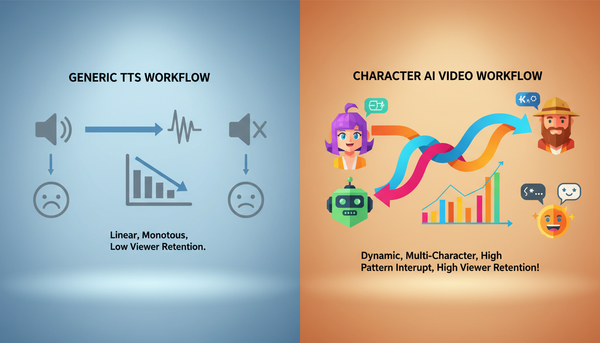
Writing a great script is only half the battle; you also need to ensure the vocal delivery carries the weight of the performance. Standard text-to-speech generators often sound like cheerful GPS navigators or upbeat corporate radio hosts. This completely ruins the moody, 90s indie atmosphere you are trying to build. High-retention audio relies on unexpected pacing shifts rather than constant, high-energy shouting.
To get the absolute best results out of Fanfun's AI Voice Generator, you must learn how to actively direct the voice through your text formatting. You can learn how specific vocal direction and pacing strategies directly translate to higher audience retention on fast-paced social feeds. Here are the core rules for directing an AI voice to sound like a dramatic 90s indie icon:
- Force Dramatic Pauses with Punctuation: AI models read punctuation to understand rhythm. If you write a continuous sentence, the AI will rush through it. Use ellipses (...) to force the voice to take a slow, breathy breath. Use em-dashes (—) to simulate a sudden, emotional interruption in thought.
- Choose Lower-Register, Breathy Tones: When selecting a base voice from the Fanfun library, look for characters with naturally raspy, lower-register, or whispery qualities. These vocal textures inherently carry more emotional weight and sound significantly more cinematic than bright, energetic voices.
- Avoid Constant High Volume: True dramatic tension does not come from screaming; it comes from the quiet, intense moments right before a outburst. Keep your dialogue relatively quiet and intimate, letting the raw emotion of the words do the heavy lifting.
By combining these vocal directing techniques with moody visual aesthetics and sharp, dramatic writing, you can create a highly engaging, nostalgic experience that stands out in any social feed. Stop trying to blend in with the clean, corporate crowd. Head over to Fanfun, select your favorite dramatic AI persona, and start channeling that unforgettable 90s cult-indie energy today.
Who did Dominique Swain play in Face/Off?
Dominique Swain played Jamie Archer, the rebellious teenage daughter of Sean Archer (played by John Travolta) and Eve Archer (played by Joan Allen), in the iconic 1997 action-thriller Face/Off directed by John Woo.
What is the 90s indie film aesthetic, and why is it trending on TikTok?
The 90s indie film aesthetic is characterized by raw, moody lighting, low-fidelity video textures, high emotional stakes, and rebellious, anti-establishment themes. It is trending on TikTok because modern audiences are experiencing "feed fatigue" from over-polished, brightly lit corporate and influencer content, making gritty and authentic-feeling nostalgia highly engaging.
How can I make an AI voice sound more dramatic and less robotic?
To make an AI voice sound more dramatic, use punctuation like ellipses (...) and em-dashes (—) to force natural, breathy pauses. Additionally, choose a voice model with a lower-register, slightly raspy, or whispery texture, and write dialogue that features sudden emotional shifts rather than a flat, continuous tone.
Are AI celebrity video generators legal for content creators to use?
Yes, reputable AI platforms like Fanfun prioritize intellectual property and creative ethics. They offer officially licensed AI characters, original personas, and clear guidelines for commercial and creative usage, making them a safe and legal tool for content creators looking to build high-impact social media campaigns.