The Disney Channel Archetype: Why We Still Crave the 2000s 'Bad Boy' Vibe
The 'charismatic jerk' archetype defined 2000s teen media. Now, creators are using AI to revive that specific, nostalgic energy for a new generation of storytelling.
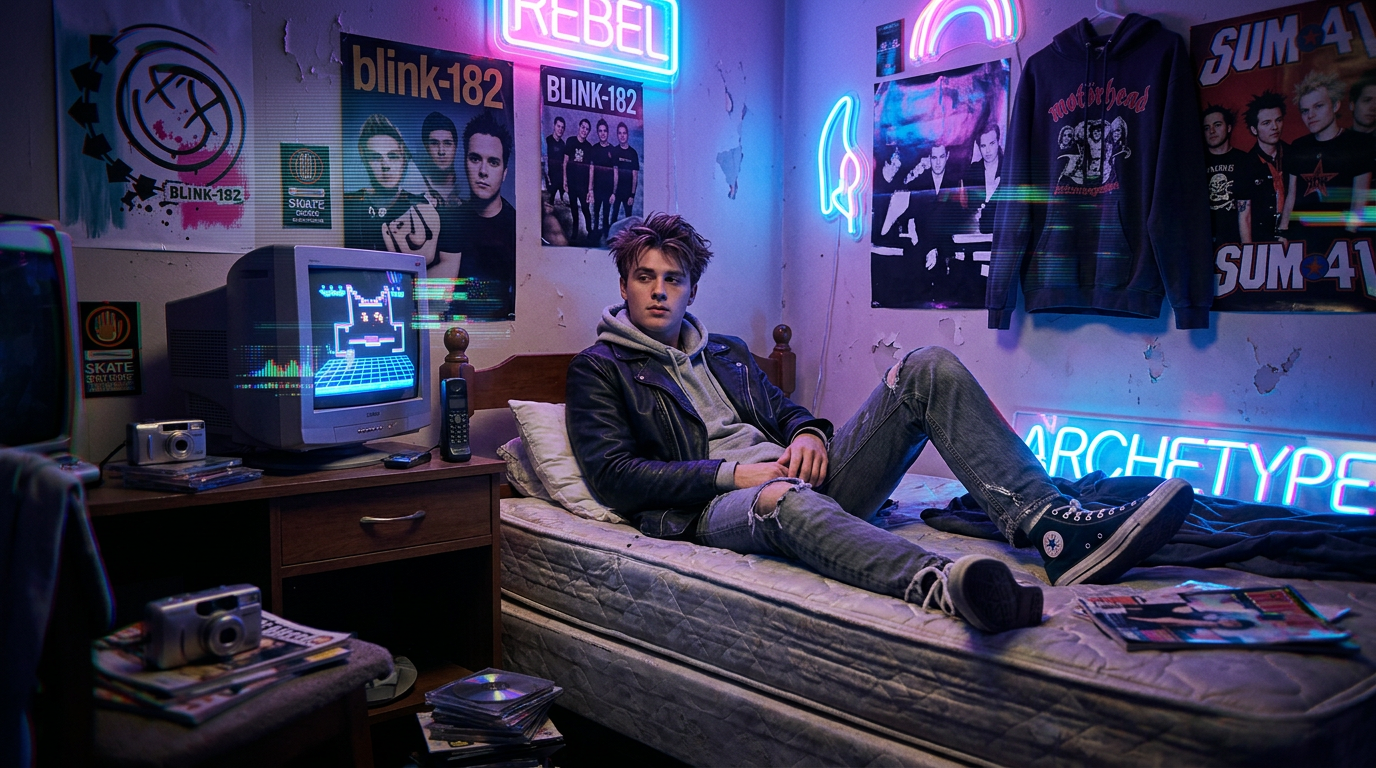
The cultural footprint of the early 2000s Disney Channel era is surprisingly deep. It wasn't just about the music or the fashion; it was about a very specific, carefully calibrated character archetype that dominated our screens. Whether it was the arrogant rival in a sports movie or the misunderstood heartthrob in a teen comedy, these characters provided a template for 'cool' that felt attainable, slightly edgy, and deeply memorable.
Today, that aesthetic is seeing a massive resurgence. Creators are realizing that the 'charismatic jerk'—a character who is dismissive, witty, and just barely redeemable—is the perfect vehicle for short-form content. By leveraging modern technology, you can tap into this specific frequency of nostalgia to build characters that feel both retro and cutting-edge, transforming how you engage with your audience.
The Blueprint of 2000s Cool
Before the polished, algorithm-driven influencers of today, our cultural landscape was dominated by a specific breed of character. Actors like Erik von Detten, often cast as the slightly arrogant but ultimately redeemable antagonist in films like Brink! or The Princess Diaries, created a blueprint for the 'charismatic jerk.' This archetype thrived on a narrow but effective set of traits: a signature smirk, a tendency to dismiss authority, and the unspoken promise that beneath the bravado, there was a relatable human being waiting to be understood.
This archetype remains a powerful shorthand for modern content creators because it introduces instant tension. In a world of overly curated social media feeds, the 'cool guy' trope feels like a breath of fresh air—it’s imperfect, slightly edgy, and inherently watchable. Nostalgia for the early 2000s has reached a fever pitch, and audiences are actively seeking out that specific blend of low-stakes drama and high-energy personality. Recreating this vibe isn't just about mimicry; it's about tapping into the emotional resonance of a time when characters felt larger than life.
Deconstructing the Character Archetype
To successfully channel this energy, you need to move beyond simple imitation. The Erik von Detten archetype relies on what we might call the 'smirk-to-sincerity' ratio. The character must be dismissive enough to remain interesting, yet sincere enough to avoid being truly unlikeable. When writing scripts or prompting AI for this type of persona, prioritize wit over aggression. Use short, punchy sentences and a tone that suggests the character is slightly bored by the current situation, which forces the audience to work harder to gain their approval.
The visual and auditory styling is equally crucial. In the 2000s, this meant bleached tips and oversized hoodies; today, it means high-quality audio and a sharp, consistent delivery. The goal is to create a persona that feels 'effortless.' Whether you are building a character for a skit or a long-form narrative project, the dialogue should feel like a quick back-and-forth that never lingers too long on self-pity. This is where modern AI tools become essential, allowing you to iterate on voice texture and cadence until you hit that sweet spot of '2000s nonchalance.'
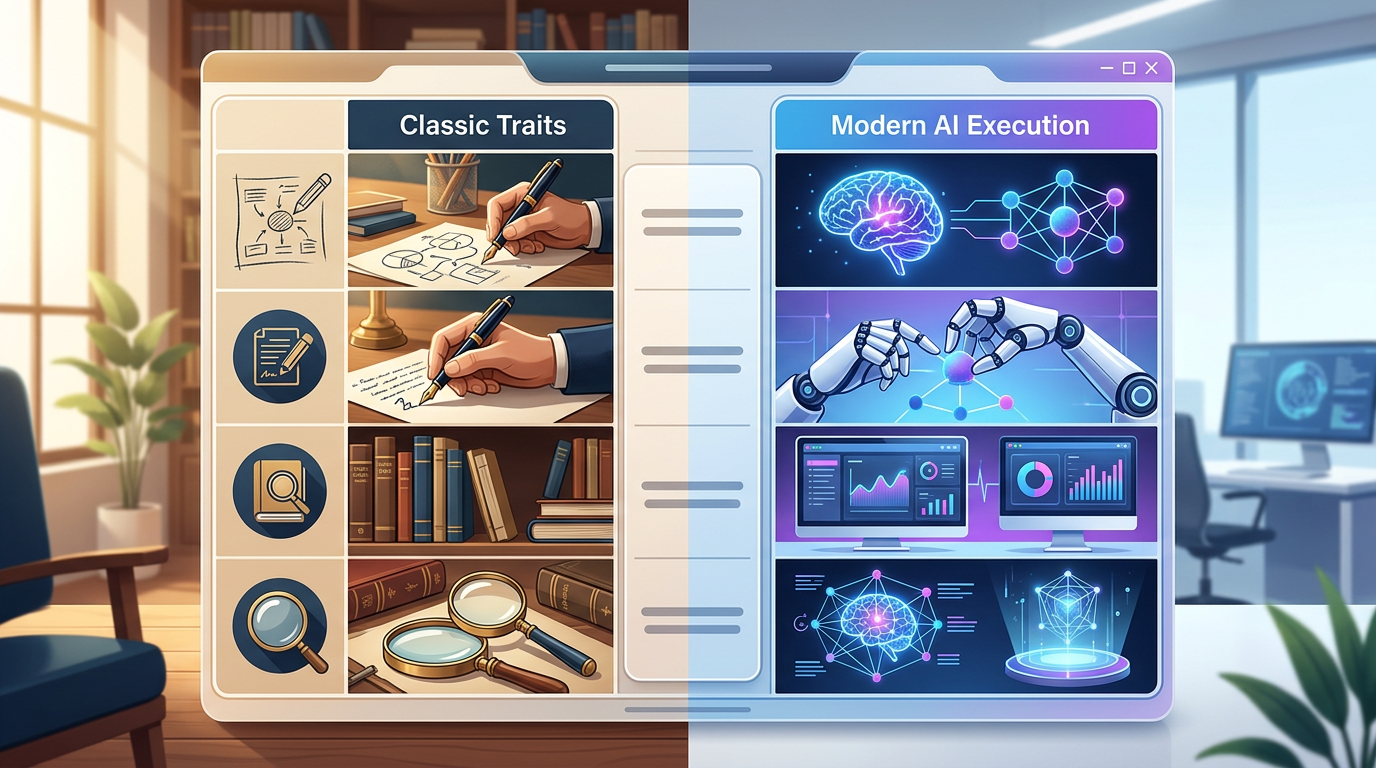
The Archetype Checklist: Classic Traits vs. Modern Execution
| Trait | Classic 2000s Approach | Modern AI Execution |
|---|---|---|
| Banter | Slow-burn, witty retorts | Fast-paced, high-frequency engagement |
| Vulnerability | Subtle, revealed in private | Explicit but ironic disclosure |
| Aesthetic | Physical styling (hair/clothes) | Voice texture and linguistic quirks |
Bringing Nostalgic Tropes into Modern Content
Creators are increasingly turning to AI to bridge the gap between these classic tropes and the rapid-fire nature of modern platforms like TikTok and Instagram. By leveraging advanced AI voice generators, you can capture the specific cadence—the drawl, the pause, the underlying playfulness—that defined the teen idols of the past. It’s no longer about just watching static fan edits; it’s about creating new, original content that feels like a continuation of that golden era.
Platforms like Fanfun allow you to experiment with these archetypes without the logistical nightmare of traditional celebrity bookings. Whether you are looking to create a parody that leans into the 'bad boy' vibe or a high-energy promo that channels the intensity of a modern icon like the Dwayne Johnson AI, the barrier to entry is gone. You can now generate content in minutes that would have previously required a studio budget and weeks of scheduling. You can even experiment with the gravitas of The Rock Dwayne Johnson to see how different levels of intensity change the audience's perception of your character.
Interactive Storytelling vs. Passive Viewing
The most significant shift in fandom today is the move from passive viewing to two-way interactive experiences. While traditional celebrity cameos offer a one-off greeting, AI allows for a dynamic back-and-forth that keeps the audience engaged. Think of the difference between watching a static clip of Spongebob Squarepants and actually engaging in a chat or a personalized roleplay session. This interactivity transforms the character from a two-dimensional image into a digital companion that can react to your input in real-time.
This 'what-if' scenario capability is where the real magic happens. By using AI to simulate these classic archetypes, you can place them in modern settings or have them react to current cultural events. It turns your content into a playground where the audience feels like they are having a genuine interaction with the persona, rather than just consuming a pre-recorded message. For those looking to capture the whimsy of classic animation, leveraging the Mickey Mouse persona can add a layer of iconic charm to your digital projects, while more modern, high-fashion personas like Ai Kylie Jenner can help bridge the gap between retro vibes and modern influencer culture.
Building a Cohesive Digital Cast
When curating a digital cast, consistency is your best friend. A character’s voice should be instantly recognizable, whether they are being snarky or sincere. I recommend mixing your archetypes to keep your audience on their toes. Pair your 'Disney-style' heartthrob with something entirely different, such as the high-energy, authoritative presence you get with a Shaq AI chat. This contrast creates a more dynamic and entertaining content ecosystem. By juxtaposing a laid-back, 2000s-style teen lead with a larger-than-life sports icon, you create a narrative tension that feels fresh, surprising, and inherently shareable.
To keep interactions grounded, focus on the 'why' of the character. Even if you are using AI, the persona should have a clear goal or motivation. Are they trying to impress the audience? Are they trying to win a competition? When you give your AI persona a purpose, the interaction feels less like a technical demo and more like a story that your viewers can participate in. Start small, test different voice profiles, and let your audience tell you which archetypes resonate most with their specific brand of nostalgia. By treating your AI characters as active participants in your brand's narrative, you move from being a simple content creator to being a digital showrunner. Remember that the audience is looking for a connection; if you can provide that through a familiar, nostalgic lens, you will find your engagement rates climbing as your viewers lean into the interactive nature of the content.
Why is the 2000s Disney Channel aesthetic popular in content creation right now?
It’s driven by a cycle of nostalgia where creators who grew up in that era are now the ones producing the content. The 'Disney Channel' aesthetic is shorthand for a simpler, more stylized time, providing a comforting and recognizable framework for modern audiences.
How can I use AI to create a character that feels like a classic teen movie villain?
Focus on the 'smirk-to-sincerity' ratio. Use an AI voice generator to mimic a relaxed, slightly dismissive cadence. In your prompts, emphasize wit, confidence, and a touch of hidden depth to ensure the character remains engaging rather than just purely antagonistic.
What are the benefits of using an AI voice generator for character-based storytelling?
AI voice generators provide instant, scalable access to specific vocal archetypes without the cost or time associated with professional voice acting or celebrity bookings. It allows for rapid iteration and the ability to test multiple character voices for your project in minutes.
Is it possible to create interactive content with AI versions of iconic characters?
Yes. Platforms like Fanfun enable two-way interactive conversations, allowing you to move beyond passive video consumption. This allows for dynamic roleplay and personalized experiences that change based on user input.