Beyond the Prank: Why Dan Hentschel’s Style of Chaos Is the New Blueprint for Creator Content
Creator culture is pivoting away from polished vlogs toward deeply specific, uncomfortable character work. Here is how to master the art of the unhinged narrative.
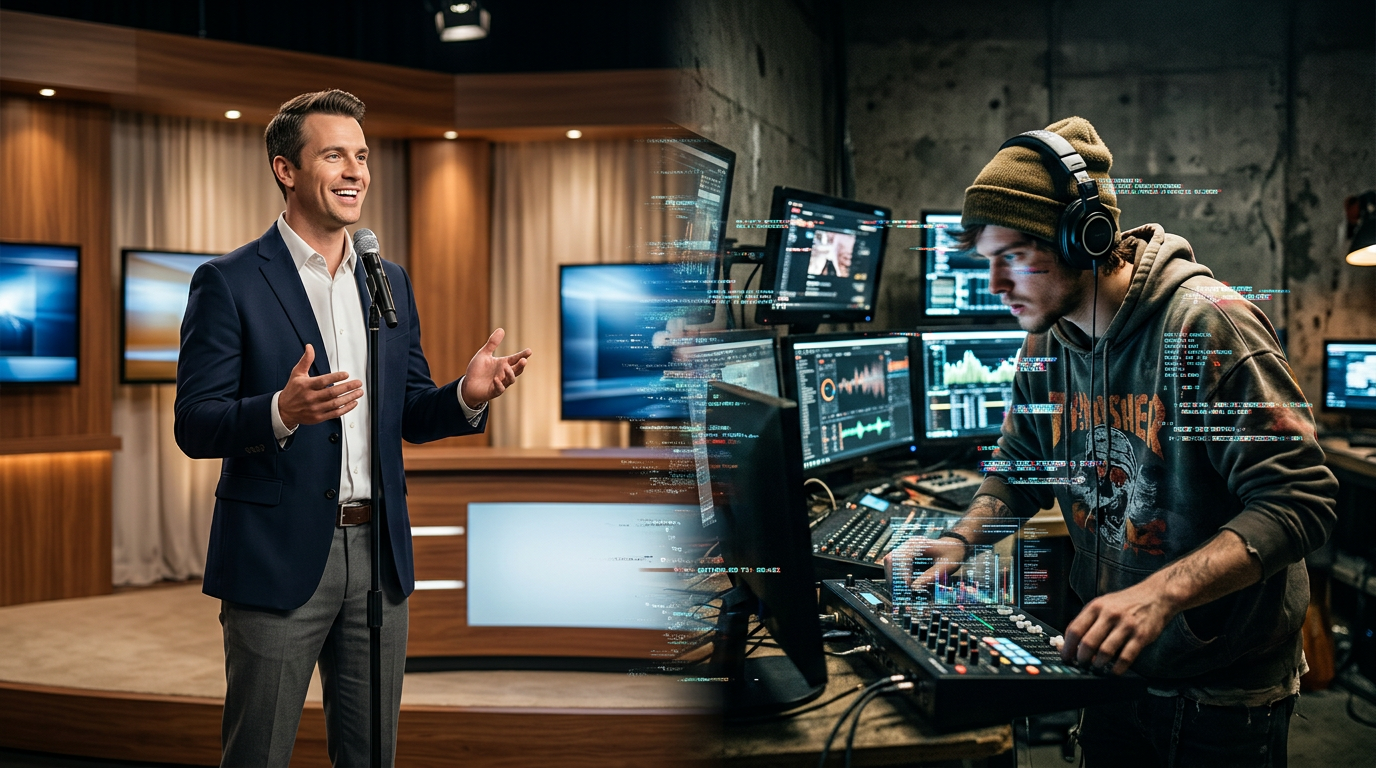
The current landscape of short-form video is experiencing a massive pivot. For years, the gold standard was the aspirational influencer—someone showcasing a curated, glowing life. Today, audiences are gravitating toward something far more volatile: the high-tension, character-driven chaos popularized by creators like Dan Hentschel. This content thrives on discomfort, specificity, and a deliberate subversion of social norms. It feels raw and unscripted, even when it is meticulously designed, which is exactly why it resonates so deeply in an era of over-polished marketing.
This shift represents a fundamental change in how we consume digital media. We are moving from the era of the 'relatable' influencer to the era of the 'unpredictable' architect. By adopting a persona that feels slightly off-kilter, creators can build parasocial connections that are far more durable than those built on lifestyle vlogging. When you introduce a character who is consistently unpredictable, you aren't just making content; you are building a digital universe that viewers feel compelled to monitor, waiting for the next inevitable social collision.
The Anatomy of the Unhinged Persona
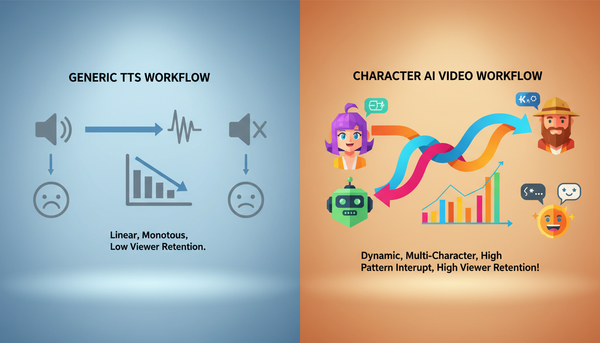
To replicate this style, you need a framework that prioritizes speed and character consistency. The 'unhinged' aesthetic is only effective if the character remains grounded in their own specific brand of logic, no matter how bizarre it gets. You are no longer just an influencer; you are a showrunner. This requires a shift in how you view your tools. Traditional production methods are too slow; if you spend three days editing a single skit, you lose the spontaneity that makes this genre work.
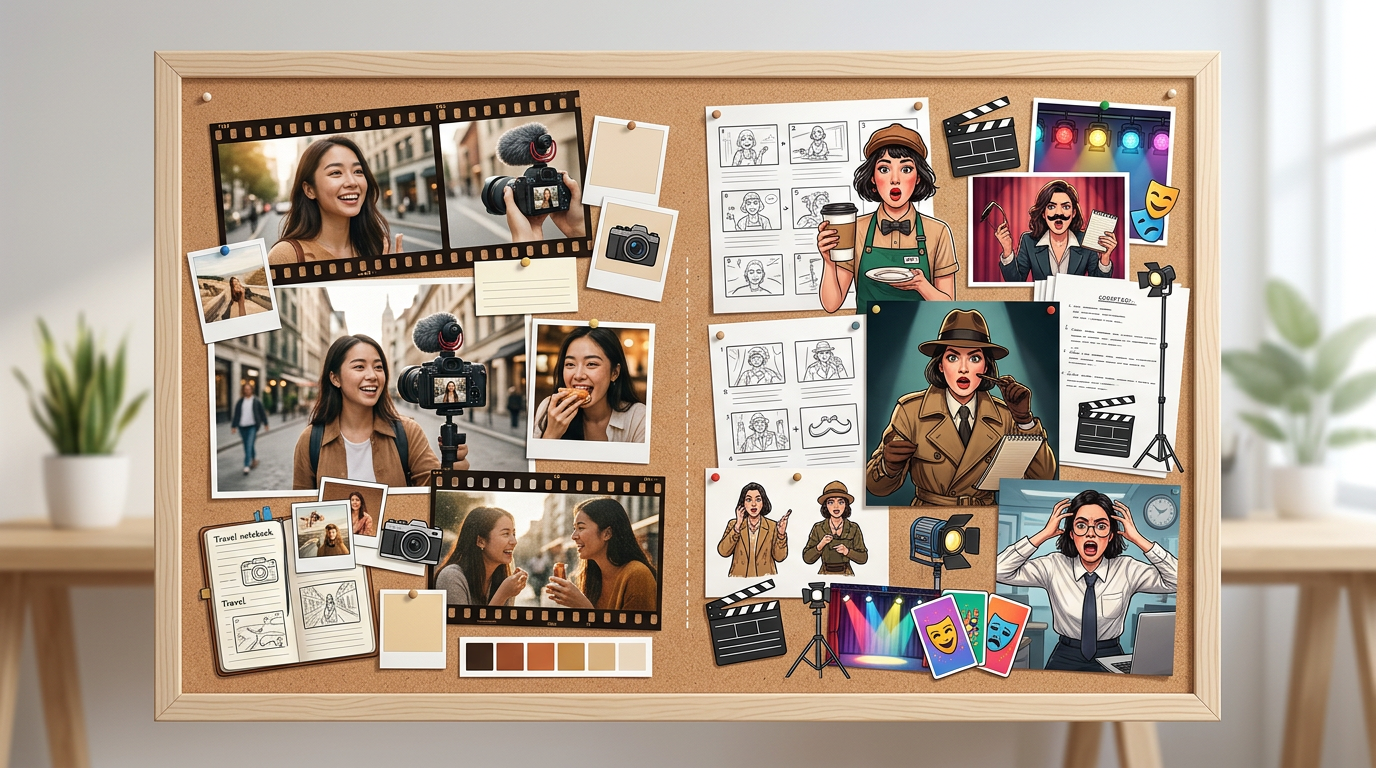
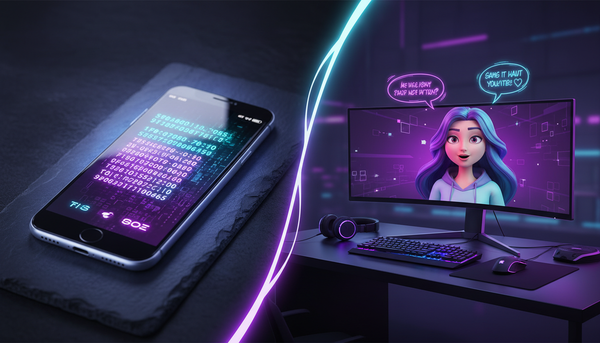
The secret sauce is the antagonist-led narrative. Whether you are channeling a cynical office worker or a chaotic neighbor, the character must have a 'tell'—a specific way of reacting to conflict that defies normal social expectations. Using Fanfun, creators can now experiment with these personas in real-time. Instead of hiring voice actors or spending hours in a booth, you can use an AI voice generator to test out different vocal deliveries for your character, ensuring the tone of 'uncomfortable' is perfectly calibrated before you ever hit record.
The Shift from Passive Fandom to Active Interaction
Traditional platforms like Cameo were designed for a different era of fandom: the passive, one-off greeting. If you are a creator trying to build a sustained, evolving narrative, a static, expensive video message from a real-world celebrity is a dead end. These bookings are rigid, costly, and lack the iterative potential required to keep up with a fast-moving content arc. Modern audiences demand more than a wave and a birthday wish; they want to engage with the logic of the character itself.
Compare this to the potential of interactive, AI-driven personas. While a traditional booking might give you a single, expensive soundbite from a figure like Lionel Messi, that interaction ends the moment the video finishes. For creators building modern, character-led skits, you need the ability to iterate in real-time. You need tools that allow for dynamic, two-way interaction that can pivot as quickly as your audience’s attention span. Fanfun provides this flexibility, offering creators a toolkit that allows them to generate voiceovers and interactive dialogue on the fly, bridging the gap between a static post and a living, breathing character.
Building Your Own 'Hentschel-Style' Universe
To build a world that feels lived-in, you must treat your characters with the same depth as a writer treats a script. The goal is to make the audience feel like they are intruding on a private, slightly deranged reality.
Phase 1: Defining the 'Uncomfortable' Trait
Every great character needs a core quirk. Whether it is an obsessive need for perfection or a penchant for awkward social interventions, this trait should dictate how your character speaks and reacts. Think of how iconic figures like Spongebob Squarepants can be adapted into subversive, high-tension skits by simply shifting the context of their delivery. Your character doesn't have to be a villain, but they do need to be a disruption. By using familiar archetypes—from the optimism of Hello Kitty to the classic charm of Mickey Mouse—you create an immediate baseline for your audience, which makes the subsequent 'unhinged' behavior feel even more shocking.
Phase 2: Maintaining Iteration Speed
In the world of character-driven comedy, waiting for production kills the bit. If you have an idea for a skit, you should be able to execute it within minutes. Using AI voice generators allows you to maintain a consistent vocal performance without the need for a recording booth or a massive production team. This speed allows you to respond to current trends, memes, or audience comments in real-time, keeping your content feeling fresh and reactive. When you can iterate this quickly, your audience feels like they are part of a live, evolving story rather than just consumers of a finished product.
The Power of Interactive Personas
The true power of modern character creation lies in interaction. Fanfun allows creators to bridge the gap between static content and live, interactive storytelling by providing a platform where fans can actually converse with the personas you build. This moves beyond the passive consumption model. Instead of just watching a character, your audience can engage with them, testing the boundaries of the 'unhinged' persona you have created. This two-way interaction is the ultimate tool for character development, as it forces the persona to respond to real-time prompts, creating a sense of spontaneity that is nearly impossible to fake manually.
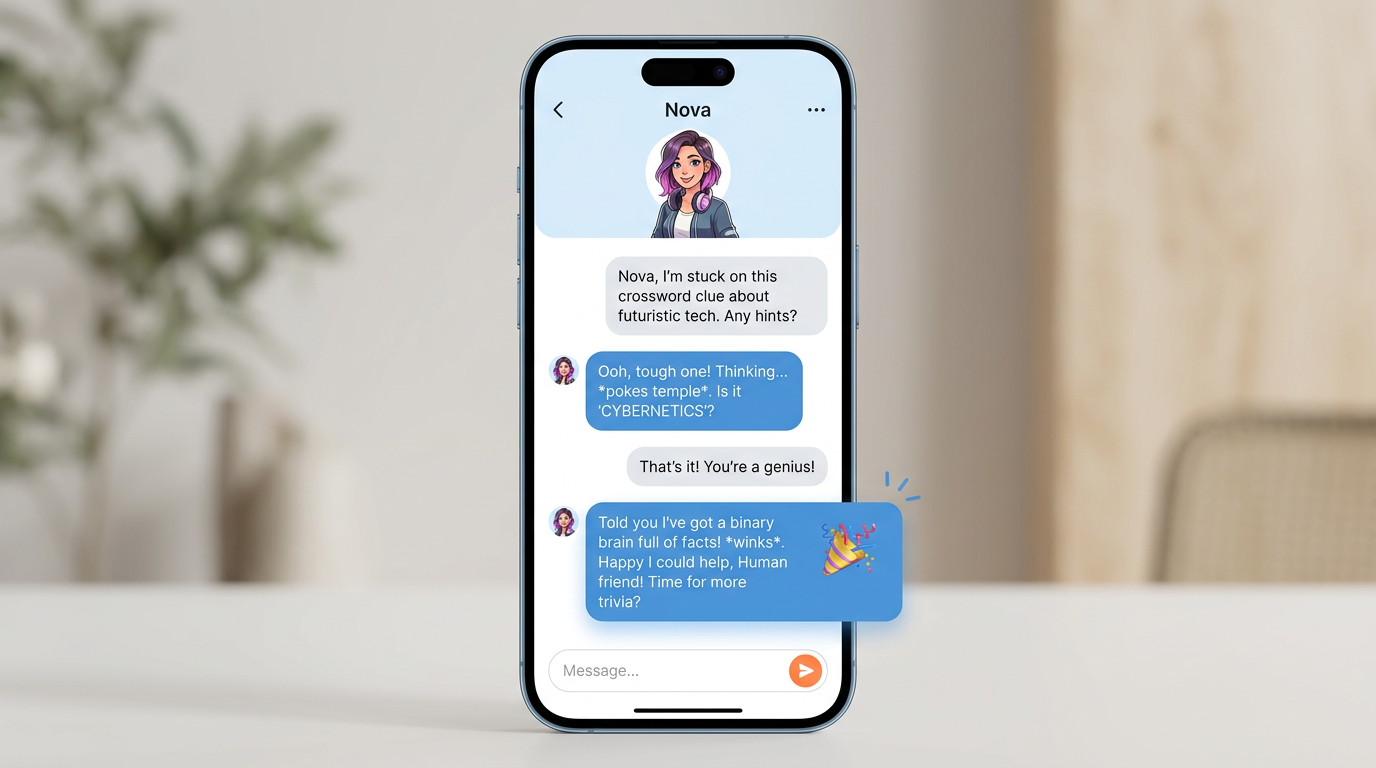
Consider the potential for world-building. If you are creating a series, you can use interactive chat to 'field test' your character's reactions to common fan questions. If a fan asks your character something unexpected, their response—generated through your established persona settings—can become the next piece of your lore. It is a feedback loop that keeps your audience invested for the long haul. Whether you are pulling from the imaginative chaos of Doraemon or the relatable frustration of Shin Chan, the ability to interact directly with the character creates a layer of immersion that static video simply cannot match.
Practical Application: Scaling Your Creative Output
Scaling a character-driven project requires a systematic approach to dialogue and B-roll audio. Instead of manually scripting every interaction, use AI to generate multiple variations of a response to see which one hits the right note of 'uncomfortable.' Below is a checklist for maintaining character consistency:
- Define the Lexicon: List 5 words or phrases your character would never say. This creates a boundary that defines their intelligence and social awareness.
- Establish the Pacing: Is your character fast and frantic, or slow and deliberate? Pacing is often more important than the actual words spoken when building tension.
- Leverage AI for B-Roll: Use voice tools to create ambient dialogue or 'background chatter' for your skits to make the world feel lived-in and authentic.
- Automate the Interaction: Use interactive chat tools to test how your character handles conflict, allowing you to refine their personality based on fan feedback.
Ultimately, the goal is to create a sense of 'lore' around your character. When your audience starts to predict how your character will react to a specific situation, you have successfully built a brand. The tools available at Fanfun allow you to maintain this consistency across hundreds of videos, ensuring that your 'unhinged' persona never loses its edge. Don't be afraid to lean into the discomfort. The most successful creators today are those who are willing to be misunderstood, to be slightly annoying, or to be intentionally bizarre. By leveraging the right technology to handle the technical heavy lifting, you free up your creative energy to focus on the narrative arcs that will keep your audience coming back for more.
How do I create an unhinged character for TikTok?
Start by identifying one specific, slightly uncomfortable personality trait—such as over-politeness, extreme bluntness, or intense obsession—and apply it consistently across all your videos to build a recognizable, albeit unsettling, brand.
What are the best alternatives to Cameo for character-based content?
Platforms like Fanfun offer a much more flexible alternative by providing interactive AI personas and voice generators that allow for two-way conversations and instant content creation, which is essential for sustained character storytelling.
Can AI voice generators help me with sketch comedy?
Yes, AI voice tools are perfect for sketch comedy because they allow you to maintain consistent vocal characterization across multiple videos without the need for professional recording equipment, enabling you to produce content much faster.
How does Fanfun help content creators build personas?
Fanfun provides a suite of tools including AI voice generation and interactive chat that allow creators to develop, test, and scale complex characters, offering the creative freedom to build entire narrative universes without the friction of traditional production.