The Art of the Antagonist: Why Brandon Butler’s Villainous Precision Is the Blueprint for Modern Character Acting
Brandon Butler’s performances prove that true menace lies in the quiet, grounded moments. Here is how to apply his blueprint to your own character-driven projects.
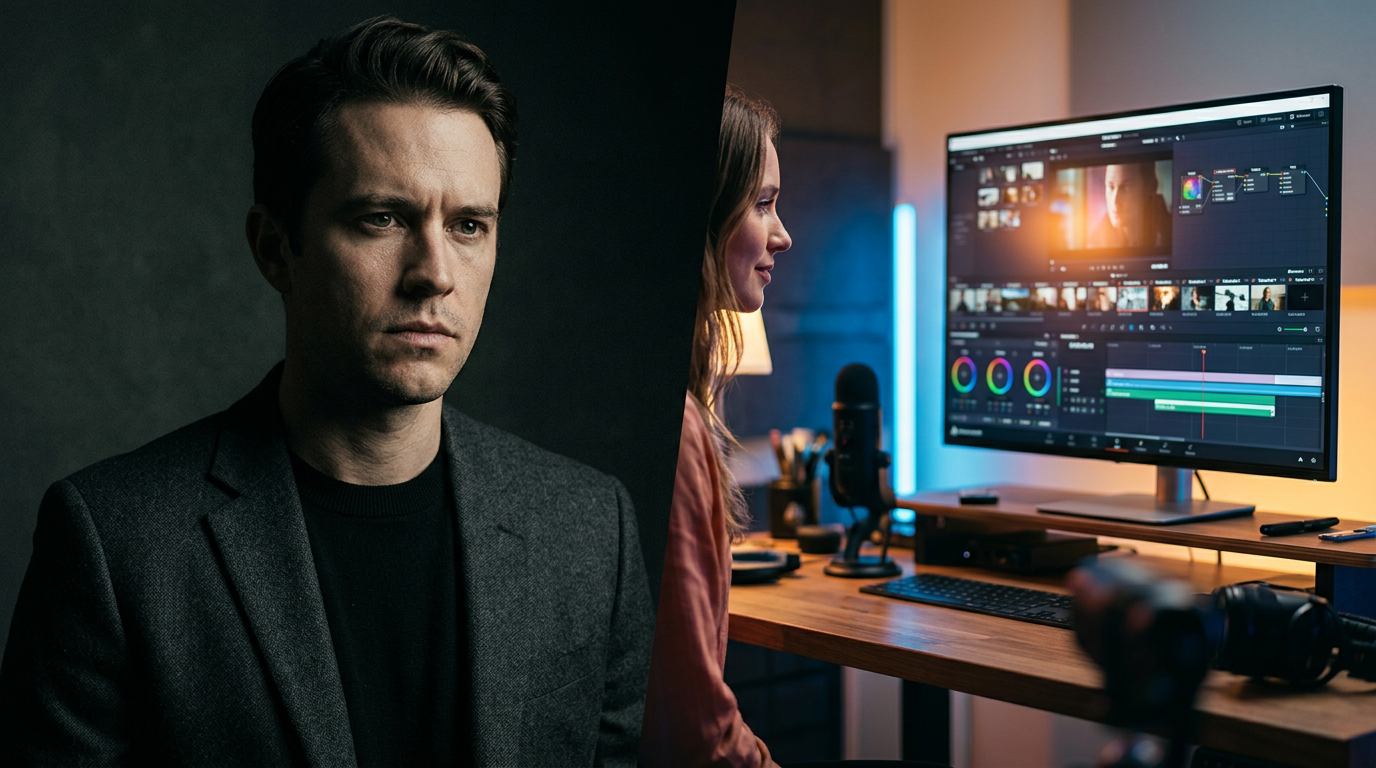
In modern character acting, the most compelling antagonists aren't those who rely on theatrical monologues or mustache-twirling tropes. Instead, they are the ones who feel like people you might encounter in your daily life—the kind of characters Brandon Butler has mastered through a technique of 'quiet malice.' By grounding his performances in vulnerability and relatable social friction, he makes unlikeable figures feel dangerously, uncomfortably real.
This shift toward grounded antagonism is a masterclass in subtlety. Rather than playing the villain as a caricature, Butler focuses on the small, inconsistent behaviors that define human nature: a flicker of insecurity when challenged, a performative grace that drops the moment the audience looks away, and the precise, surgical timing of a pointed remark. This approach transforms the antagonist from a simple plot device into a living, breathing obstacle that forces the viewer to lean in.
The Anatomy of a Modern Screen Villain
The modern villain is defined by their internal logic. They rarely view themselves as the 'bad guy'; they are the protagonists of their own stories, operating under a code that—while twisted—makes perfect sense to them. When you are writing for your own content, the goal is to find that kernel of justification. Why does your character feel entitled to their actions? What specific social pressure or past trauma is driving their behavior? By answering these questions, you move away from flat archetypes and toward three-dimensional characters.
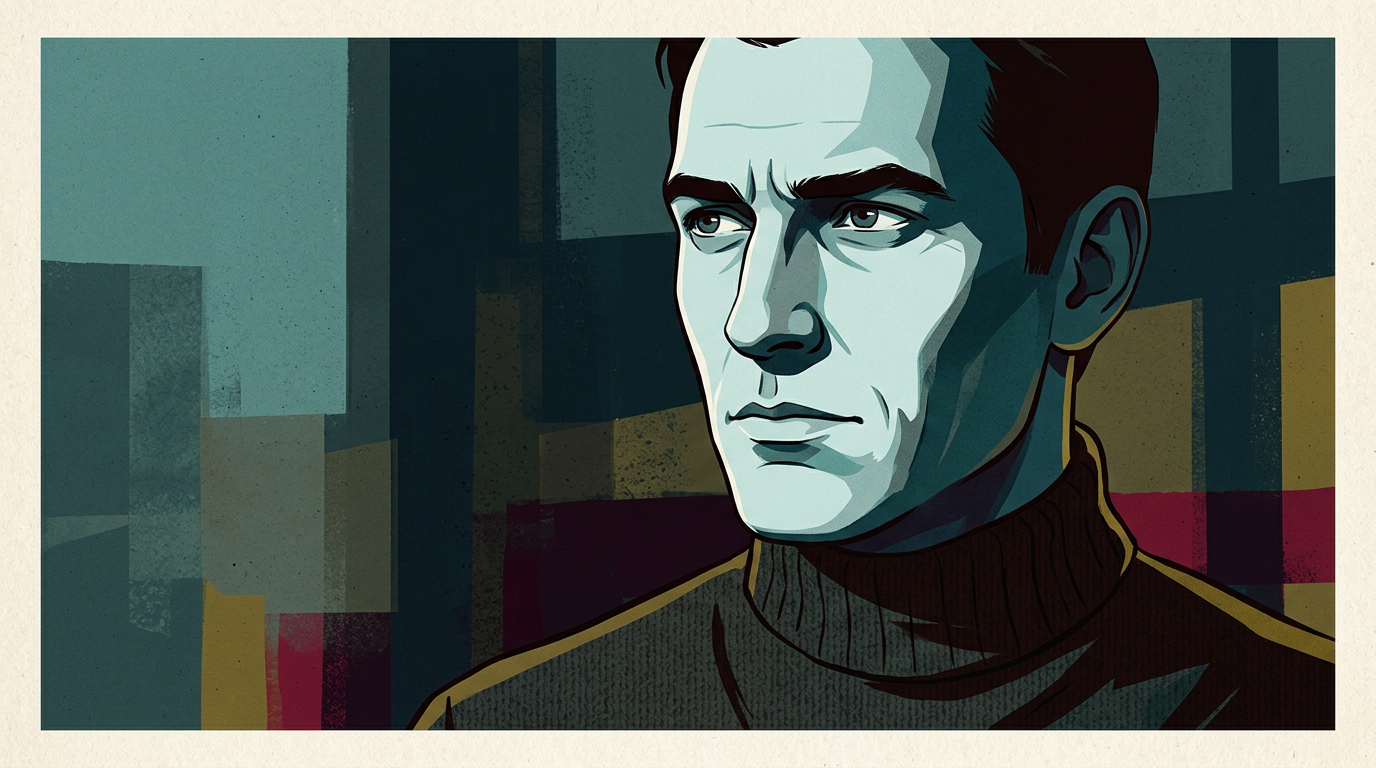
For content creators, translating this nuance into short-form media is a unique challenge. You don't have the luxury of a two-hour runtime to build a slow-burn arc. Instead, you must establish the 'Butler effect'—that sense of creeping unease—in seconds. This requires an economy of movement and dialogue. Every word must be intentional, and every pause must be weighted with meaning. When your character chooses not to speak, it should feel like a tactical decision rather than a lack of content.
The Architecture of Social Friction
To truly replicate this style, you must understand how to construct social friction. Butler often portrays characters who weaponize politeness. By being the most composed person in the room, the character forces everyone else to look erratic or unreasonable by comparison. In your scripts, try writing a scene where your antagonist says absolutely nothing inflammatory, yet makes the protagonist feel entirely unwelcome. This is the essence of psychological control. It is not about volume; it is about the subtext of authority. When you are prototyping these interactions, consider how your character’s voice reflects this control—is it steady, low, and measured? Using an AI voice generator allows you to test these specific tonal qualities before you ever hit record, ensuring that your antagonist sounds as calculated as they are written.
Leveraging AI for Character Prototyping
Before you commit to a performance, you need to hear how your dialogue lands. Using an AI voice generator allows you to experiment with different deliveries and tonal shifts without the time investment of multiple takes. You might find that a line written to be menacing actually sounds better with a detached, calm cadence rather than an aggressive one. This is where tools like Fanfun become essential for creators; they allow you to prototype how a grounded, serious tone might clash or complement a more high-energy archetype. By removing the technical friction of production, you can focus entirely on the emotional resonance of the performance.
For example, if you are building a narrative series, consider the contrast between your characters. A grounded, Butler-esque antagonist creates a perfect foil for a high-energy, iconic persona. You might juxtapose the quiet intensity of your villain with the larger-than-life energy found in our The Rock Dwayne Johnson persona, or the whimsical, high-octane spirit of Spongebob Squarepants. Mixing these distinct energies prevents your content from becoming one-note and keeps your audience engaged through unexpected pairings. The juxtaposition between a grounded, realistic villain and a cartoon icon creates a surrealist tension that is perfect for modern, meme-heavy social feeds.
The Power of Intentional Silence
One of the most effective tools in the modern villain's arsenal is the tactical pause. In a digital landscape dominated by rapid-fire edits and constant sensory overload, a character who takes a beat to process information before speaking commands immediate authority. This isn't just about 'acting'; it's about pacing. In your scripts, look for moments where a character could respond instantly, and instead, force them to breathe. Let the silence build the tension.
This technique is particularly effective in social media content, where the 'scroll-stopper' is often a moment of quiet intrigue rather than a loud hook. When your character finally speaks after a silence, the audience is already primed to listen. It turns a standard piece of content into a psychological moment, mirroring the precise, grounded delivery that makes Brandon Butler's work so effective. Practice this by editing your videos to include 'dead air'—not as a mistake, but as a deliberate choice to let the audience sit in the discomfort of your character's presence.
Practical Exercises for Character Development
To sharpen your writing, try the 'Flip the Script' exercise: rewrite a pivotal scene from your protagonist’s perspective entirely through the eyes of your antagonist. What does the antagonist see that the hero misses? How does their internal logic justify their actions? This exercise forces you to abandon tropes and find the specific, human cracks in your villain’s armor. It’s about finding the humanity in the horror.
When you are ready to produce, use the following framework to decide whether to lean into grounded subtlety or iconic, high-energy archetypes:
| Character Type | Best Use Case | Example Archetype |
|---|---|---|
| Grounded Antagonist | Building suspense, psychological drama, realistic conflict | Brandon Butler-style nuanced villains |
| Iconic Archetype | Memes, high-energy promos, recognizable satire | Doraemon style energy |
Scaling Your Creative Library
You don't need a massive production budget to test these character dynamics. By using platforms like Fanfun, you can prototype interactions between vastly different personalities in minutes. This allows you to see how a grounded, serious tone interacts with the playful, recognizable energy of characters like Hello Kitty. Experimentation is the key to finding your unique voice as a creator, and having access to a diverse library of voices allows you to iterate faster than ever before. You can also test how a serious villain might interact with the athletic intensity of Lionel Messi or the classic, wholesome charm of Mickey Mouse, creating mashups that feel fresh and unexpected.
By mixing and matching these personas, you create a richer, more diverse library of content that keeps your audience guessing. Whether you are building a narrative series or just experimenting with new formats, the ability to instantly generate voices and character interactions gives you a significant creative advantage. It allows you to focus on the 'why' and 'how' of your story, leaving the technical heavy lifting to the AI. This is the future of character-driven content—where the barrier between your vision and the final product is removed entirely. Stop waiting for the perfect cast and start building your own world today.
How does Brandon Butler approach playing unlikeable characters?
Butler focuses on 'quiet malice,' relying on vulnerability and subtle behavioral cues rather than over-the-top villainous tropes to make his characters feel grounded and real.
Can I use AI to create my own villainous character voices?
Yes, you can use AI voice generators to prototype different deliveries for your antagonist, allowing you to test whether a performance feels appropriately menacing or grounded before filming.
What are the best alternatives to Cameo for creating character-driven content?
Fanfun is a premier alternative that allows for instant, interactive AI-powered experiences with a wide range of personas, offering more flexibility for content creators than traditional one-way video services.
How do I balance character tone in my short-form videos?
Balance your narrative by contrasting grounded, subtle antagonists with higher-energy, iconic characters. Using a mix of tones keeps your content dynamic and prevents it from feeling one-note.