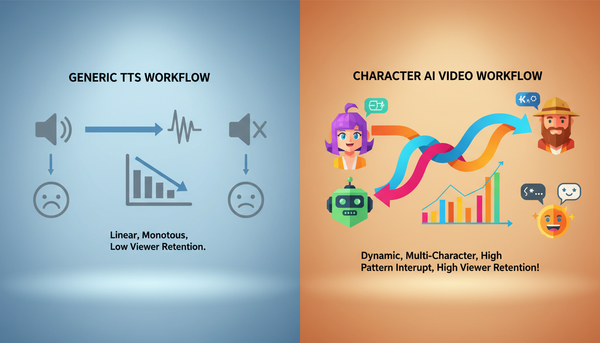
Beyond the Cameo Request: Why Political Satire and Pop Culture Remixes Are Moving to AI
The demand for celebrity-style video requests is evolving. Creators are moving away from restrictive booking platforms and toward AI-driven tools that offer total creative control.

For nearly a decade, the gold standard for personalized celebrity content was simple: pay a fee, submit a prompt, and wait for a human celebrity to record a video. However, this model is inherently limited by the realities of human schedules, brand safety concerns, and personal boundaries. When a creator wants a specific political figure or a cultural icon to deliver a biting monologue or a meme-worthy roast, the traditional request model often hits a wall of rejection or silence. The friction of the human element—the back-and-forth, the potential for creative veto, and the sheer wait time—has created a bottleneck for modern digital storytellers.
This is where the shift toward AI has become undeniable. Creators are no longer relying on the goodwill or availability of public figures to get their point across. Platforms like Fanfun allow users to bypass these traditional gatekeepers entirely, moving the process from the human talent to an AI-driven environment where the creator regains agency. You aren't just a fan waiting for a response; you are the director, the writer, and the producer of the narrative. This is the new frontier of digital intimacy, where the tools of production are accessible to anyone with a vision.
The Evolution of the Digital Roast
The traditional "cameo" model was designed for simple birthday wishes and shout-outs. It was never built for the rapid-fire, high-stakes world of modern digital satire. In an era where a political gaffe or a pop culture moment can dominate the news cycle for exactly six hours, waiting two weeks for a video response is effectively useless. AI changes the math of relevance. By utilizing an AI voice generator, creators can capture the zeitgeist in real-time. If you need a commentary on a breaking event, you don't need to coordinate with a talent agency; you need a tool that understands the cadence and persona of a public figure.
When you use Fanfun, you aren't just buying a clip; you are accessing a creative engine that allows you to experiment with tone, style, and delivery until the content is perfect. This isn't just about speed; it's about the ability to iterate. If a line doesn't land, you can adjust the script and generate a new version instantly. This iterative process is the hallmark of modern content creation, moving us away from the "one-and-done" nature of legacy platforms.
Why Creators Prefer AI Over Traditional Platforms
The transition to AI isn't just about cutting costs; it’s about eliminating the friction of human ego and availability. Traditional platforms often require days or weeks for a request to be fulfilled, assuming it is accepted at all. In the fast-paced world of political commentary and digital media, a topic that is trending on Monday might be obsolete by Friday. AI provides an instant feedback loop, allowing creators to generate content in minutes.

The Creative Control Advantage
Beyond speed, the primary draw is the ability to script content that would otherwise be off-limits. Human celebrities rarely want to engage in controversial satire for fear of alienating their audience or damaging their brand. AI, however, functions as a tool for the creator’s vision. Whether you are crafting a complex parody or a simple, humorous take on a current event, you have total control over the script, the tone, and the delivery. You are no longer asking for permission to be funny; you are simply creating the content you want to see.
This is particularly powerful when combining iconic personas. You might use an AI interpretation of a high-profile athlete like The Rock Dwayne Johnson to deliver a motivational speech, or contrast that intensity with a lighthearted interaction featuring a character like Doraemon. By building a diverse library of characters, you can construct complex, multi-layered narratives that keep your audience engaged and entertained. It is about building a universe where the characters you love—or love to hate—are at your beck and call.
The Framework for Effective Satire
Effective satire relies on clarity. To ensure your audience understands that your content is a parody, you must lean into the exaggerated traits of the public figure you are portraying. Use these principles when scripting for AI:
- The Parody Checklist: Ensure the content is clearly framed as satire. Use visual cues, exaggerated context, or disclaimers to maintain creative integrity and avoid confusion.
- Scripting for Cadence: Public figures have distinct speaking patterns. When writing your prompts, focus on their habitual phrases, common rhetorical devices, and specific vocal cadences to make the interpretation feel authentic.
- Humor vs. Clarity: The best satire balances sharp wit with a clear message. If the joke is too obscure, the audience will miss the point; if it is too blunt, the satire loses its edge. Aim for the middle ground where the personality of the figure enhances the message.
Expanding Your Creative Roster
The beauty of the current AI landscape is the ability to mix and match personas that would never coexist in the real world. While political figures serve as the anchor for much of today’s satire, the most engaging content often comes from unexpected mashups. You can explore the vast library of characters available on Fanfun, from classic icons like Mickey Mouse to modern pop culture staples like Hello Kitty or even the underwater charm of Spongebob Squarepants. By building a diverse library of characters, you can construct complex, multi-layered narratives that keep your audience engaged and entertained.
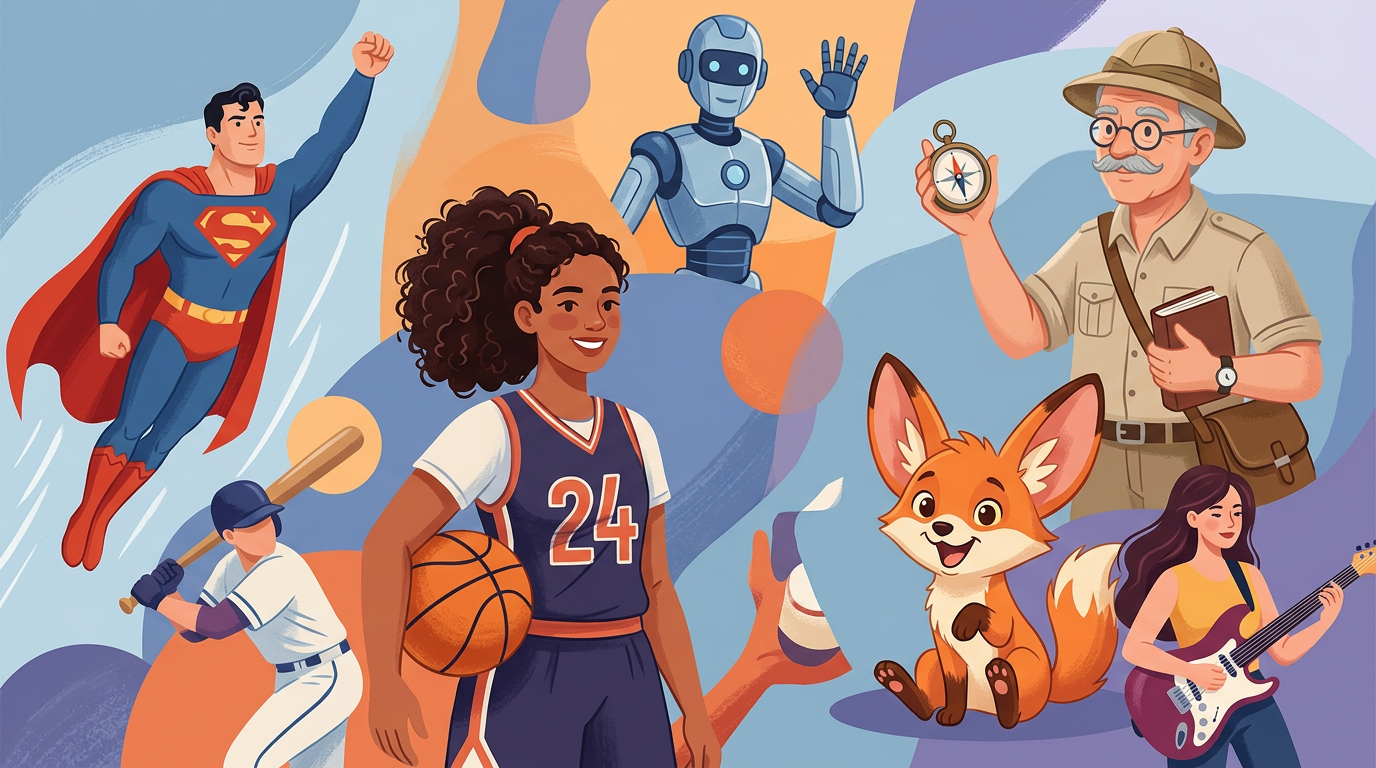
This flexibility allows for a new type of fan-driven storytelling. Instead of passive consumption, you are now a participant in the creation of the content. This is the core mission of Fanfun: to provide the tools that turn fandom into a creative outlet rather than a one-way street of consumption. Whether you are a creator looking to spice up your YouTube channel with a guest appearance by Lionel Messi or a fan wanting to create a unique birthday message, the platform removes the barriers that once kept these experiences behind high paywalls and long waiting lists.
Staying Within the Lines: Creative Ethics
As the barrier to entry for content creation lowers, the responsibility of the creator increases. Understanding the distinction between parody and misinformation is vital. As a creator, you should always aim to add value to the discourse rather than simply sowing confusion. Using AI tools as a form of creative expression—whether for memes, educational content, or political parody—works best when the audience understands the nature of the medium. Transparency is not just an ethical requirement; it is a way to build trust with your audience, ensuring that your work is appreciated for its wit, creativity, and perspective. When your audience knows you are using AI to create a parody, they are more likely to appreciate the technical skill and the comedic timing behind the piece, rather than questioning its authenticity.
Ultimately, the shift toward AI-driven content is about democratization. By removing the middleman, we are empowering a new generation of creators to build the media they want to see, unconstrained by the traditional limitations of fame, geography, or scheduling. The future of fandom is interactive, instant, and entirely in your hands.
Can I get a personalized video from a politician on Fanfun?
Fanfun focuses on a wide range of public figures and licensed characters. While our library is constantly growing, our primary focus is providing high-quality AI interpretations of pop culture icons, athletes, and celebrities that empower users to create their own content.
How does AI satire differ from traditional cameo requests?
Traditional requests rely on the availability and willingness of a human celebrity. AI satire is instant, requires no cooperation from the subject, and gives the creator total control over the script, tone, and delivery.
Is it legal to use AI to generate videos of public figures?
Parody and satire are generally protected forms of expression. However, it is essential to ensure your content is clearly labeled as AI-generated and not intended to deceive or misinform the public.
What are the best alternatives to Cameo for political parody?
AI-driven platforms like Fanfun are the modern alternative. They allow for instant content generation, removing the bottlenecks of scheduling and talent approvals associated with traditional cameo services.