The Art of the AI Cover: Why Stylized Vocals Are Reshaping Internet Culture
AI voice covers have evolved from simple pranks into a legitimate form of digital satire. Discover the blueprint for creating viral-ready, high-substance audio content.
The internet has entered a new era of remix culture where the barrier between a fan and their favorite icon is thinner than ever. AI voice covers—once dismissed as fleeting novelty—have matured into a sophisticated medium for digital satire, storytelling, and creative expression. The magic no longer lies in the mere mimicry of a voice, but in the deliberate selection of a persona that challenges or enhances the context of a song. By treating these models as instruments rather than simple filters, creators can craft audio that feels both familiar and jarringly original.
As creators, the challenge is to move beyond the "uncanny valley" and into the realm of intentional performance. Whether you are using a Donald Trump AI voice to underscore a satirical point or leveraging the gravitas of Shaq to add unexpected weight to a pop track, the success of your content depends on your ability to treat these voices as characters with agency. At Fanfun, we see this daily: the most viral content isn't just a voice swap—it's a creative choice that forces the audience to reconsider the lyrics or the persona itself.
Beyond the Meme: The Anatomy of a Great AI Cover
A viral AI cover is rarely about raw technical fidelity; it is about the intersection of archetype and execution. When a creator chooses a persona that carries inherent cultural baggage and places them into a song that defies their public image, the resulting cognitive dissonance is what drives engagement. A great cover succeeds because it respects the signature cadence of the persona—the natural pauses, the specific emphasis on certain syllables, and the unique breath control that makes a voice recognizable.
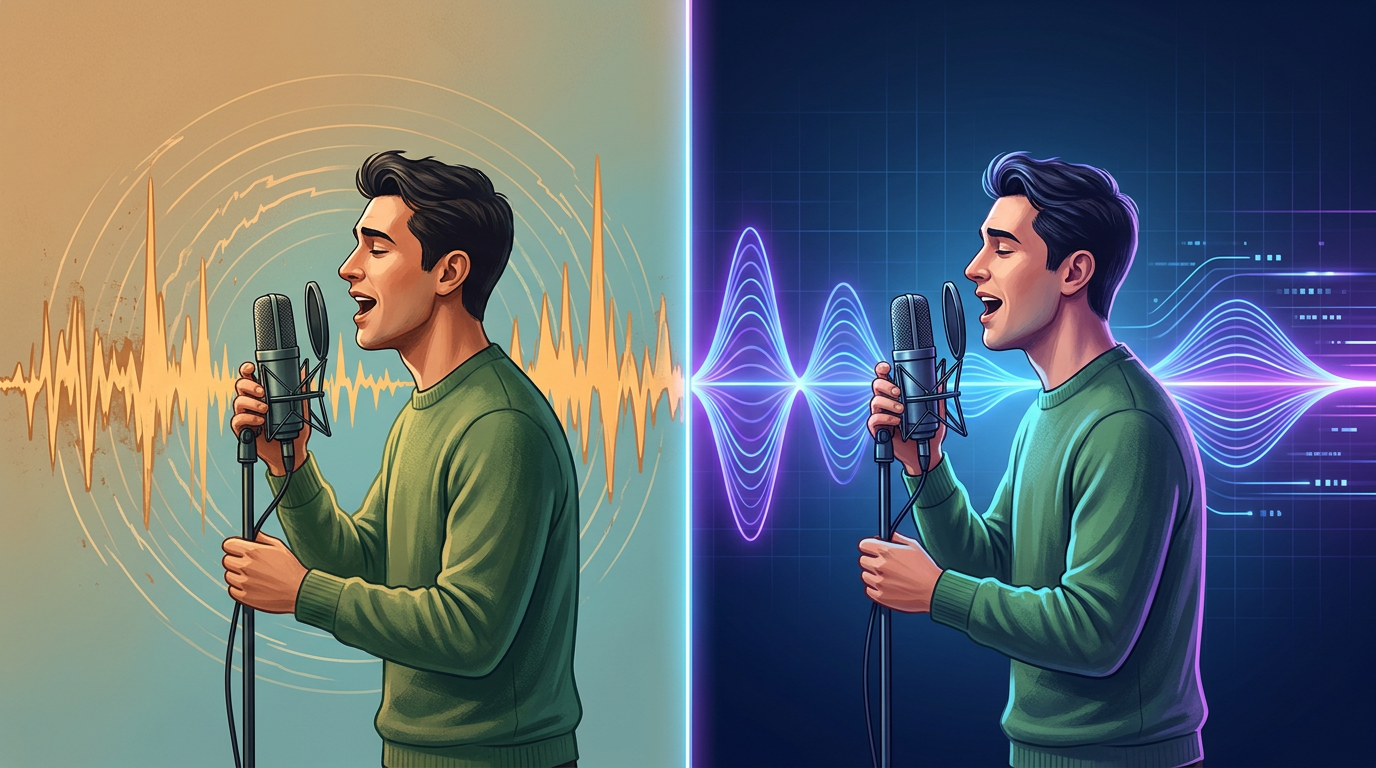
Pacing is the silent engine of a believable AI interpretation. If a voice model is forced to sing at a tempo that contradicts its established public archetype, the brain immediately registers the result as "off." Successful creators treat the voice like an instrument, adjusting the song choice to fit the character's natural gravitas or playfulness. When the pacing is dialed in, the listener stops focusing on the technical synthesis and starts engaging with the humor or emotional weight of the performance. Think of it as casting: you wouldn't cast a soft-spoken lead in a high-octane action role, and the same logic applies to your audio.
Selecting Your Persona: From Political Icons to Pop Culture
Choosing the right voice profile is an exercise in creative branding. A Donald Trump AI voice provides a massive reservoir of recognizable speech patterns that work exceptionally well for sharp, satirical commentary on modern pop tracks. The weight of that voice brings an immediate, high-contrast energy to almost any song, making it a staple for creators looking to make a statement. The key is in the phrasing; the AI captures the rhythmic staccato that listeners associate with the persona, which in turn makes the musical delivery feel more 'authentic' to the character.
Conversely, the sonic texture of a voice like Shaq offers a deeper, more authoritative bass resonance that feels entirely different from a high-pitched cartoon character like Spongebob Squarepants. The creative potential lies in the contrast: placing a heavy, commanding voice over a lighthearted, upbeat pop song creates an irony that viewers find inherently shareable. By leveraging the specific "weight" of different characters, you can tailor your content to fit the specific vibe of the platform, whether that is a moody TikTok edit or a fast-paced YouTube short. Using Dwayne Johnson AI, for instance, allows you to lean into themes of power, motivation, or comedic stoicism that wouldn't land with a more whimsical voice.
The Power of Contextual Juxtaposition
The most successful covers often pair serious figures with unexpected genres. For instance, using The Rock Dwayne Johnson to deliver a soulful ballad creates a juxtaposition that feels both jarring and hilarious. By experimenting with different personas, you can find the perfect "voice-to-track" ratio that makes your content stick out in a crowded feed. At Fanfun, we encourage creators to look beyond the obvious. Don't just pick a voice because it's popular; pick it because the inherent 'personality' of that voice adds a layer of meaning to the song you are covering.
Technical Considerations for High-Fidelity Output
High-fidelity output begins with your source audio. AI synthesis functions best when it has a clean, isolated vocal track to work with. If the source material is muddy or buried under heavy production, the AI will struggle to map the persona’s distinct inflection onto the melody. Always aim for a cappella or high-quality vocal stems to ensure the final output retains as much character detail as possible. If you are using a character like Mickey Mouse, the clarity of the source is paramount to maintaining that signature, high-pitched buoyancy.
Iteration is the secret to high-end content creation. The ability to test multiple song-voice combinations in minutes is a distinct advantage for creators who want to stay relevant. Using Fanfun allows you to iterate quickly, stripping away the lengthy production cycles that once defined high-quality voice work. This speed is essential for creators who need to capitalize on trending audio before the moment passes, providing a way to pivot and refine your approach without needing a professional sound studio. The platform functions as an instant creative sandbox, where you can swap out a voice, adjust the prompt, and hear the result in real-time.
The Creative Blueprint: A Checklist for Success
To move from a casual experiment to a consistent content strategy, follow this three-phase framework:

- Phase 1: Concepting: Identify the "why." Does the voice fit the lyrics? Is the irony clear enough to land within the first five seconds of a video? If you are using a character like Spongebob Squarepants, ensure the absurdity of the lyrics matches the character's inherent optimism.
- Phase 2: Generation: Focus on the inflection. Use tools that allow for nuanced control over the AI's delivery, ensuring the character's signature style isn't flattened by the music.
- Phase 3: Contextualizing: Pair your audio with visual assets. A static image is rarely enough; use reaction clips, memes, or kinetic typography to maximize reach and engagement.
Expanding Your Creative Toolkit
Limiting yourself to a single voice type will eventually stunt your creative growth. The most successful creators on platforms like TikTok or Reels are those who build a diverse repertoire. For example, using a Spongebob Squarepants voice for nostalgic, lighthearted content taps into a different emotional frequency than political satire, allowing you to reach varied audiences while maintaining a recognizable "brand" style. Diversifying your character library allows you to experiment with different tones and cultural triggers. Whether you are aiming for high-energy comedy or poignant artistic expression, the goal should always be to use these tools to build a unique identity. By treating AI as a collaborator rather than a shortcut, you can transform simple voice covers into a signature style that audiences look forward to seeing in their feeds. Fanfun exists to facilitate this, providing an instant, affordable alternative to traditional celebrity bookings or manual sound engineering, ensuring that your creative momentum is never interrupted by technical hurdles.
Is it legal to make AI voice covers of celebrities?
Laws regarding AI voice synthesis are evolving. Generally, using AI for parody or creative expression is common, but you should always be mindful of platform-specific policies and avoid using voices for commercial endorsement or deceptive practices.
How long does it take to create an AI song cover with Fanfun?
With Fanfun, you can generate results in minutes. The platform is designed for instant iteration, allowing you to test different voices and songs to find the perfect fit without long waiting periods.
Do I need professional audio software to make AI covers?
While professional software can add polish, you do not need it to get started. Fanfun handles the core synthesis, allowing you to focus on the creative aspects of your content rather than complex engineering.
What makes a Donald Trump AI voice cover sound realistic?
Realism comes from the cadence and inflection. A great cover captures the specific rhythm of the speech, the signature pauses, and the unique vocal emphasis that makes the persona instantly recognizable to the listener.