Beyond the Soundbite: Why AI Voice Generators Are Changing How We Remix Public Figures
The era of static, low-quality deepfakes is ending. We’re moving toward a future where AI voice technology enables genuine, interactive storytelling that elevates fandom to a new creative standard.

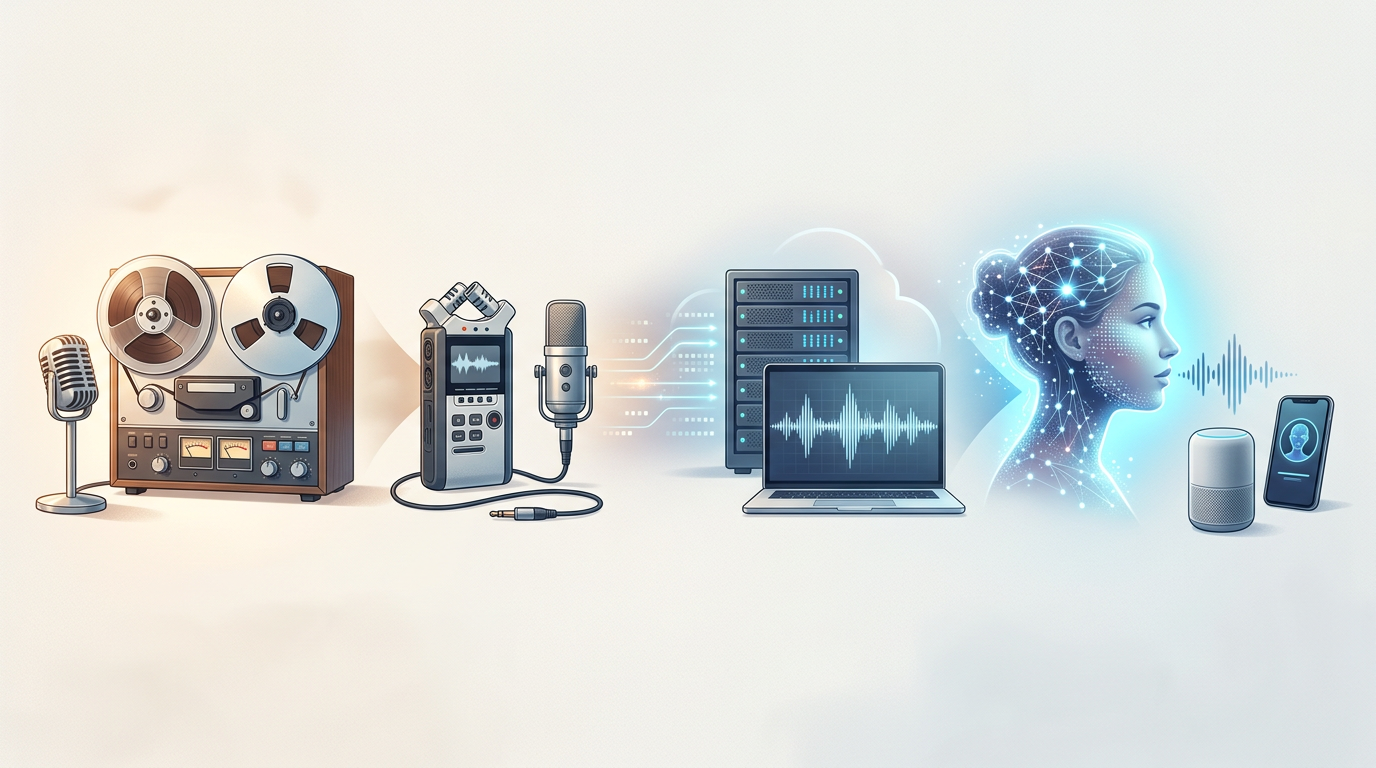
The public perception of AI voice technology has long been tethered to the uncanny valley—robotic, pitch-shifted clips that barely captured the essence of a human voice. Early experiments in AI audio were largely static, one-dimensional, and often jarring. Today, that landscape has shifted toward high-fidelity AI voice interpretation that prioritizes the nuances defining a persona: the rhythmic cadence, the specific emotional inflection of a laugh, and the breathy pauses that make a voice feel grounded in reality.
Creators are now moving away from simple, one-off audio clips toward dynamic, real-time voice experiences. This transition is critical for anyone looking to build a digital audience. When you shift from a "meme-ification" approach—where the goal is simply to make a public figure say something ridiculous—to a narrative approach, you move from gimmick to professional-grade content creation. This technology now allows for a level of consistency that makes long-form storytelling possible, turning what was once a novelty into a legitimate toolset for digital artists.
The Evolution of Digital Mimicry
The most common mistake creators make is assuming the AI will do the heavy lifting. In reality, an AI voice is only as good as the dialogue it delivers. If the script lacks the specific "voice" of the character, the technology cannot save the content. Effective storytelling requires an intimate understanding of the persona’s archetypal traits. This is why high-energy, iconic characters often outperform generic political mimicry in creative content.
When you look at a persona like The Rock Dwayne Johnson, the engagement stems from the specific, high-octane energy and recognizable vocabulary associated with his brand. It is far more effective to build a narrative around these established traits than to force a dry, unfamiliar voice into a clip. By focusing on the "swagger" or the "charm" of a character, creators can craft content that feels authentic to the audience's existing fandom. Fanfun provides the platform to refine these interpretations, ensuring that the output aligns with the personality users expect. Whether you are building a hype-reel or a comedic skit, the key is to lean into the character's established lore rather than trying to force them into an out-of-character scenario.
The Hierarchy of Engagement
- Archetypal Characters: High recognition, distinct vocal patterns, and built-in fan loyalty.
- Cultural Icons: Versatile voices that work well for commentary, memes, and short-form comedy.
- Niche Personas: Best for targeted storytelling and specific sub-fandom communities.
Crafting Content That Resonates
To truly master this medium, you must treat your AI voice generator as a collaborator rather than a shortcut. Start by analyzing the source material. Does your character speak in short, punchy sentences? Do they use specific slang or catchphrases? For example, when using Mickey Mouse, the magic isn't just in the pitch of the voice; it’s in the inherent optimism and specific, cheerful cadence that defines the character's legacy. If you ignore these markers, the result will feel hollow, regardless of how advanced the underlying model is.
Furthermore, consider the environment of your content. A voice that works for a high-energy TikTok edit might not work for a longer, more contemplative YouTube essay. Successful creators on Fanfun often iterate on their scripts, adjusting the pacing and word choice until the AI output mirrors the cadence of the real-world figure. This process of iterative refinement is what separates viral, high-quality content from low-effort noise. Don't be afraid to experiment with tone—sometimes a slight adjustment in punctuation or the addition of a breath can completely change how a line lands.
The Practicality of Scale
One of the biggest hurdles in content creation is the bottleneck of production. Traditionally, getting a high-quality voiceover required studio time, voice actors, and significant budget. Platforms like Fanfun democratize this, allowing creators to produce content at a pace that matches the speed of social media trends. Whether you need a quick reaction video featuring an iconic figure like Spongebob Squarepants or a motivational message in the style of Lionel Messi, the ability to generate these assets in minutes rather than days changes the game entirely. This is why we view these tools not as replacements for creativity, but as force multipliers for it.
A Framework for Creative Ethics
As AI tools become more accessible, the responsibility of the creator grows. At Fanfun, we prioritize a standard that favors creative expression and community building over misinformation. Satire is a powerful tool, but it should be clearly demarcated from deceptive content. A simple rule of thumb for creators is to ask: Is this transformative? Does this add value to the fandom, or is it intended to mislead?
Before you publish, run your content through this creative checklist: Is the content clearly labeled as AI-generated? Does it lean into satire or appreciation rather than harm? Does it provide a creative "remix" that viewers wouldn't get from the original figure? By prioritizing transparency, you maintain the trust of your audience, which is the most valuable currency in content creation.
Beyond the Voice: Building Interactive Worlds
The true potential of this technology lies in moving past the "video clip" model. While static voice generators have their place, the future of fandom is interactive. Platforms like Fanfun allow for two-way conversations where the persona can react, adapt, and engage in real-time. This is a massive leap forward from the limitations of traditional Cameo-style requests, where you are limited to a one-way, pre-recorded message.
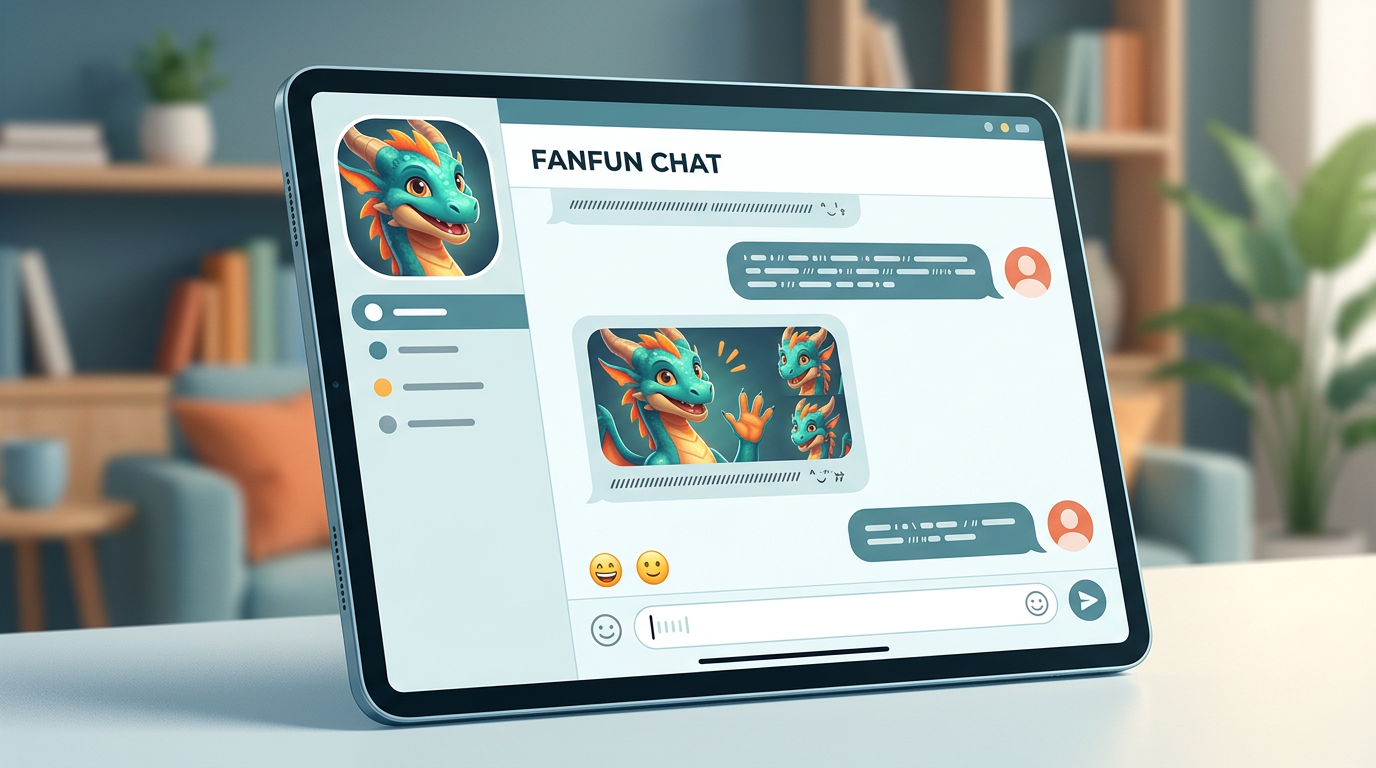
Consider the difference between listening to a pre-recorded clip and actually interacting with an AI version of Doraemon. In an interactive setting, you aren't just consuming content; you are participating in a narrative. You can ask questions, request specific advice, or engage in a roleplay that feels alive. Similarly, if you want to explore the aesthetic of classic animation or modern pop culture, you can dive into the Hello Kitty persona to see how iconic, non-verbal-heavy characters translate into interactive text and voice formats. This capability transforms the user from a passive consumer into an active participant, and it is here that Fanfun truly differentiates itself from standard, static voice-generation tools.
By embracing these interactive models, you open the door to entirely new genres of content: AI-driven talk shows, character-led tutorials, and personalized fan experiences that were previously impossible to produce at scale. The goal is not to replace the human element, but to amplify the creative possibilities of the fandoms we already love. When you stop looking at AI as a way to "fake" a person and start looking at it as a way to "extend" a character, the potential for storytelling becomes limitless.