Beyond the Impression: How to Use AI Voice Generators to Elevate Your Content
AI voice technology is changing how we approach character design in digital media. Discover how to move past simple impressions to create truly immersive audio experiences for your audience.
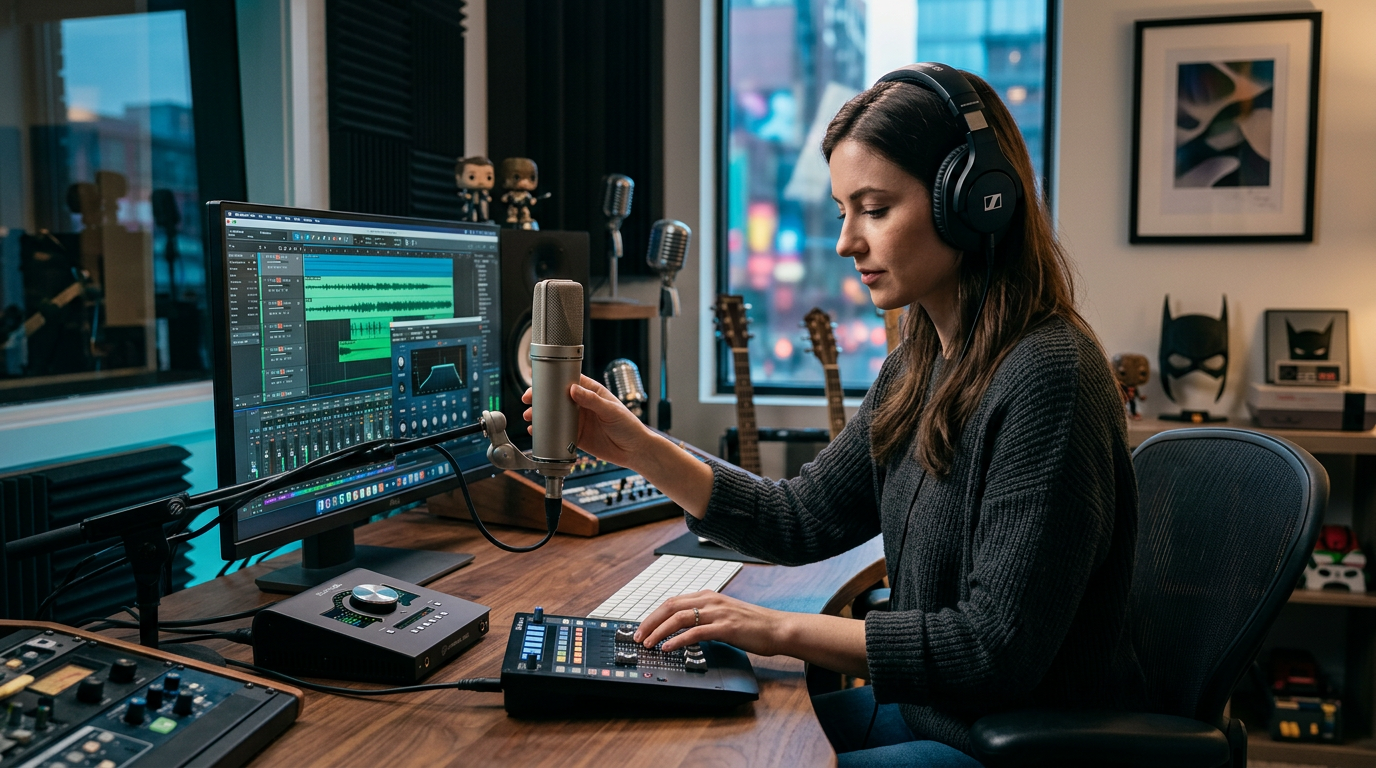
The landscape of digital content creation has shifted from passive consumption to active participation. As creators, we are no longer limited by the constraints of traditional production schedules or the logistical impossibility of booking high-profile talent for every project. AI voice technology has democratized the ability to tell stories with the gravitas, humor, and recognition that only legendary icons can provide.
However, the true power of these tools lies not in the mere mimicry of a famous voice, but in how you integrate that voice into a cohesive narrative. When used with intent, AI-generated audio becomes a powerful instrument for world-building, comedy, and audience engagement, transforming your content from a standard post into a memorable experience.
The Anatomy of a Great AI Voiceover
The most common mistake creators make when using AI voice tools is treating the technology as a shortcut for a celebrity impression. In reality, a great voiceover is defined by context, not just vocal mimicry. Whether you are building a comedic sketch or a high-stakes dramatic narrative, the voice must align with the intended tone of the project. A flat, static reading will almost always fail to engage, regardless of how accurate the voice sounds.
Effective voice work relies on matching the energy and cadence of the persona to the content. At Fanfun, we see the most successful creators using our library of personas to build distinct 'audio personas' that serve the story. By treating the AI voice as a character design choice rather than a gimmick, you gain the ability to inject personality into your scripts that would otherwise require high-end studio production and talent availability. Think of the voice as a creative asset—an extension of your editing suite that provides immediate emotional resonance.
Selecting Your Persona: A Framework for Creators
Choosing the right voice requires a strategic 'vibe check.' You need to evaluate the energy of your script—is it high-octane, informative, or nostalgic?—and match it to a persona that carries the appropriate emotional weight. Athletes, for instance, are excellent for motivational content or high-intensity voiceovers, while fictional characters excel in world-building and fantasy-driven projects.
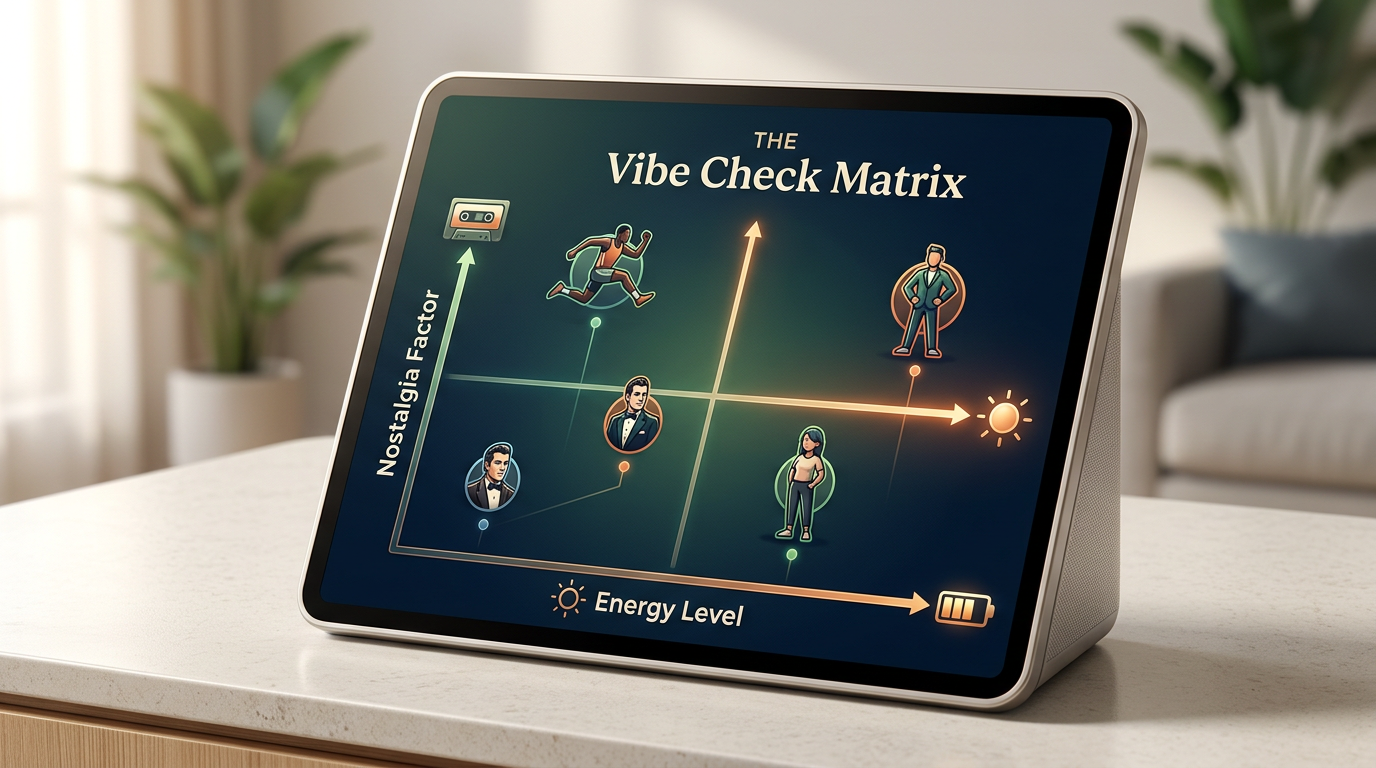
To simplify your selection, consider this decision matrix based on your content goals:
| Persona Type | Best For | Example |
|---|---|---|
| Athletes | High-energy, motivation, intensity | Lionel Messi |
| Icons | Nostalgia, cultural commentary, impact | The Rock Dwayne Johnson |
| Characters | Humor, storytelling, world-building | Mickey Mouse |
When you select a persona like Mickey Mouse, you are tapping into a pre-existing emotional connection with your audience that spans generations. Conversely, using a legendary figure like Lionel Messi provides immediate authority and energy to your sports-related content or promotional videos. If your project requires the intensity of an action star, the Dwayne Johnson AI offers the perfect balance of charisma and gravitas.
The Vibe Check Matrix
Before recording, ask yourself: Does this voice heighten the tension, or does it distract from the narrative? If you are creating a quick-hit social media clip, you want a voice that cuts through the noise immediately. If you are creating an explainer video, you need a voice that maintains a steady, authoritative cadence to keep viewer retention high. Do not hesitate to test multiple personas; often, the most effective choice is the one that subverts audience expectations rather than the one that seems most obvious.
Practical Applications for Modern Storytelling
Once you have selected your persona, the application should be seamless. For rapid-fire social media sketches, AI voices allow for quick iteration and testing of different jokes without re-recording. If a punchline isn't landing, you can adjust the script and generate a new audio take in minutes. This agility is precisely why creators are moving away from traditional celebrity cameos toward instant, scalable solutions. You can iterate through five different comedic timing variations in the time it would take to book a single studio session.
For high-impact promotional content, utilizing a recognizable persona can provide the necessary weight to grab a viewer's attention within the first three seconds of a video. The key is to blend these AI assets with your own original footage to create a hybrid experience that feels both professional and uniquely yours. You can even experiment with 'character mashups,' where unlikely icons interact to create comedic or thought-provoking dialogue that would be impossible to coordinate in the real world. Imagine a historical debate between 2Pac and a modern cultural figure, or a cinematic review voiced by Brad Pitt; these creative combinations are only possible when you treat AI as a flexible tool in your production kit.
The Creative Workflow: From Concept to Final Mix
The technical process of integrating AI voices starts with the script. AI models often thrive when given clear, rhythmic instructions. Avoid long, convoluted sentences that might confuse the model’s pacing. Instead, break your script into short, punchy segments. Pacing and silence are just as important as the words themselves; use pauses to let a joke land or to build anticipation before a big reveal. If a sentence feels too long, split it into two. If a word needs emphasis, use punctuation like ellipses or capitalization to signal the AI to adjust its cadence.
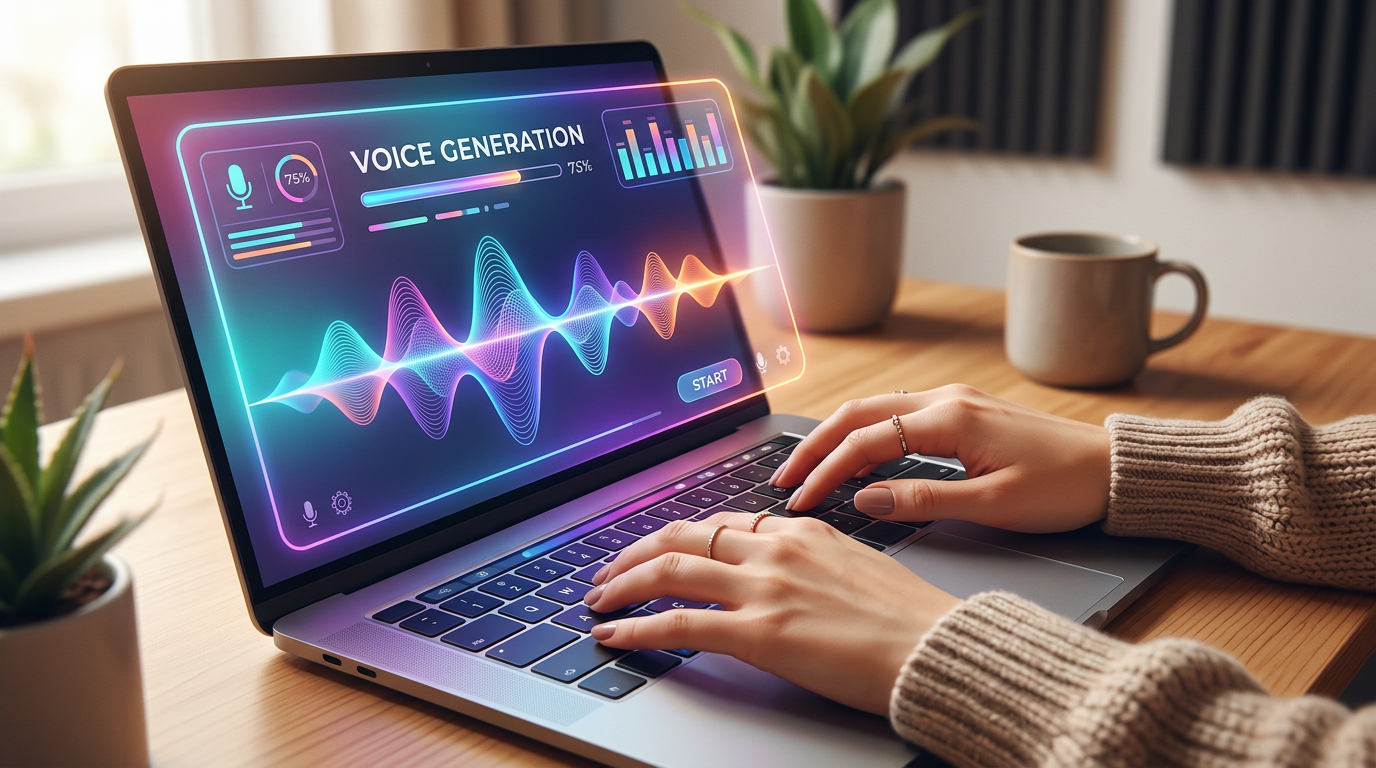
Iteration is the final secret to success. Don't settle for the first output. Experiment with your prompts—adjusting punctuation or phrasing—to coax the right emotional inflection out of the model. By treating the AI as a collaborative partner in your creative workflow, you can refine your audio until it feels natural within the specific context of your edit. Remember that your role as the editor is to provide the 'direction'—the AI is simply the performer executing your vision. Think of it like directing a voice actor in a booth; you are responsible for the context, the subtext, and the final cut.
Expanding the Creative Horizon
Beyond simple voiceovers, AI allows for the creation of entire audio-driven universes. Consider the possibilities of 'audio-first' content, such as podcasts or scripted audio dramas, where the voice is the primary vehicle for the narrative. By utilizing a consistent cast of AI personas, you can build a long-term series that feels cohesive and professional without the overhead of traditional talent management. This is the new frontier for independent creators who want to compete at a professional level.
Furthermore, the ability to generate voices in multiple languages or with varying regional accents opens up your content to global markets. This scalability is a game-changer for creators looking to expand their reach. When you integrate high-quality AI audio, you aren't just adding a layer of sound; you are building a brand identity that is recognizable, consistent, and deeply engaging. As you master these tools, you will find that the barrier to entry for high-quality production has effectively vanished, leaving only your creativity as the limit.
Ethical Creativity and the Future of Fandom
As AI tools become more accessible, the responsibility falls on the creator to use them ethically. Respecting the 'brand' of the persona you are using is essential for building authentic community engagement. When you use these tools to celebrate a character or icon, you are participating in a new form of digital fandom—one that is active and collaborative rather than passive. Your audience wants to see you engage with the media you love in new, inventive ways.
Platforms like Fanfun are designed to prioritize this kind of creator-friendly, ethical access. By providing a curated library of personas, we empower creators to experiment with voice technology in a way that respects intellectual property while pushing the boundaries of what is possible in digital storytelling. We are witnessing a shift from simply consuming content to actively shaping it, and AI voice technology is the primary tool driving this evolution. Whether you are a seasoned filmmaker or a burgeoning TikTok creator, the ability to weave iconic voices into your narrative fabric is no longer a luxury—it is a standard component of modern, high-substance content creation.
How do I choose the best AI voice generator for video production?
Select based on the tone of your content. Use high-energy personas for promos and character-driven personas for narrative sketches, ensuring the voice aligns with your audience's expectations.
Can I use AI celebrity voices for commercial content?
Always verify the licensing terms of the platform you are using. Fanfun provides a library of personas intended for creative and personal use cases, ensuring you have the access you need to build your content library.
What makes Fanfun different from other AI voice tools?
Fanfun offers instant, high-quality AI voices and interactive personas that go beyond simple text-to-speech, allowing for two-way chat and a wider range of expressive, character-based outputs.
How do I ensure my AI voiceover sounds natural and not robotic?
Focus on your script structure. Use short, rhythmic sentences, include natural pauses, and iterate on your prompts to find the right inflection. Pacing is the key to making AI audio feel professional.