The 'Zuzu Bailey' Effect: Why Classic Nostalgia is Driving the AI Persona Revolution
Classic nostalgic greetings remain a powerhouse in fan culture, but the delivery method has changed. See how creators use AI personas to generate instant, scalable connections without the waitlists.
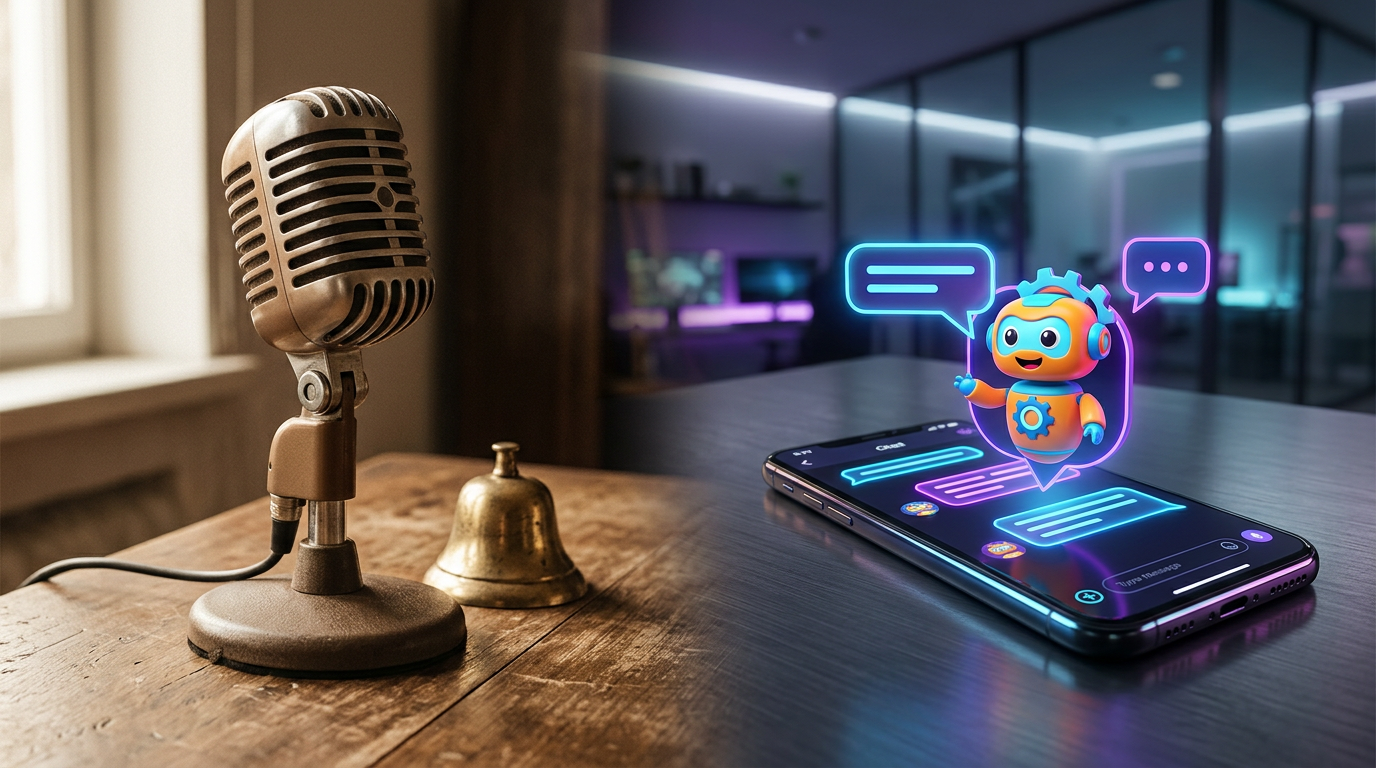
For decades, actress Karolyn Grimes has attended film conventions and holiday events to fulfill a very specific fan request. As the child actor who played Zuzu Bailey in the 1946 classic It's a Wonderful Life, she has spent a lifetime reciting the line "Every time a bell rings, an angel gets his wings" to lines of weeping, grateful fans. The people waiting in those lines are rarely interested in her recent work or personal life; they are seeking a direct, tangible connection to a cherished childhood memory. This phenomenon—the intense emotional pull of hearing a familiar voice validate a personal history—sets the gold standard for the modern fan greeting.
The desire for these personalized, nostalgic touchpoints remains a massive economic driver in fan culture. But the mechanics of acquiring them are undergoing a radical shift. Creators, marketers, and gift buyers no longer want to wait weeks for a rushed, 15-second webcam video from a tired actor reading a script off a screen. They require instant delivery, high customization, and access to fictional characters who cannot attend conventions. To bridge this gap, fandom has turned to AI personas, replacing the traditional waitlist model with instant, scalable nostalgia.
The Enduring Power of the Nostalgic Greeting
To understand why the personalized greeting market is evolving, you have to look at the psychology behind the purchase. When a fan buys a custom video message, they are not buying a celebrity's time; they are buying a mirror for their own fandom. The value lies entirely in the aesthetic and the emotional resonance of the persona delivering the message. Hearing a voice that soundtracked your Saturday mornings say your specific name triggers a powerful psychological comfort response.
However, the traditional model for securing these greetings is inherently fragile. It relies entirely on the physical availability, health, and willingness of aging stars. The traditional convention circuit or booking platform model forces fans to navigate expensive ticket prices, geographic limitations, and strict boundaries on what the talent is willing to say. If a fan wants a highly specific inside joke for a 30th birthday roast, a traditional actor might simply decline the request or fail to deliver the punchline with the necessary enthusiasm.
More importantly, this legacy model excludes animated and fictional characters entirely. You can meet a silent mascot at a theme park, but you cannot have a personalized conversation with a cartoon character in real life. The physical limitations of the traditional fan greeting fundamentally cap the creative possibilities for fans who want to interact with the actual media of their childhoods.
Beyond the Waitlist: Why the Traditional Cameo Model is Evolving
The friction points of traditional celebrity booking platforms are well documented. Users routinely face price tags exceeding $200 for a single video, turnaround times stretching from seven to fourteen days, and the constant risk of the talent letting the request expire unfulfilled. For a content creator trying to capitalize on a trending topic, or a gift buyer who remembered a birthday two days prior, this timeline is unworkable.
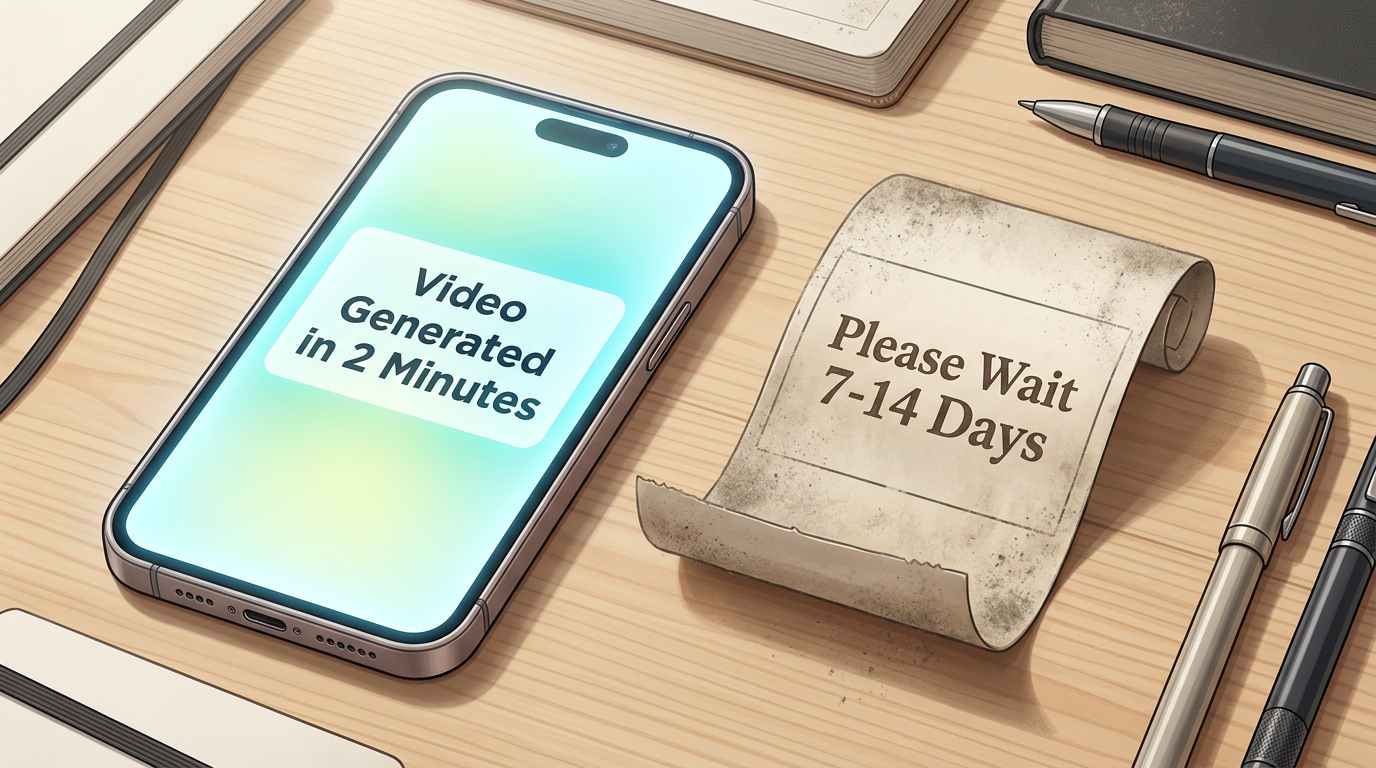
Modern fandom operates on a timeline of instant gratification. The shift toward AI persona generation is driven by the need for speed, flexibility, and affordability. Creators and fans need to be able to draft a script, select a persona, and have a finished, high-quality video or voiceover in their hands within minutes, not weeks. This is where the infrastructure of fan engagement has fundamentally changed.
Fanfun functions as the modern solution to this exact bottleneck. By allowing users to generate custom video messages from AI versions of celebrities and characters, Fanfun eliminates the waitlist entirely. Whether you need a birthday wish, a promotional clip for a podcast, or a roasting video for a group chat, the platform delivers scalable, affordable personalized content instantly. The technology removes the logistical hurdles of booking human talent while preserving the core fun and emotional resonance of the fan interaction.
The Framework for Modern Nostalgia Content
Creators and marketers are no longer just buying one-off birthday greetings; they are integrating nostalgic AI voices into their content strategies. Deploying nostalgia effectively requires understanding the specific aesthetic you are trying to achieve. Here is how modern creators categorize and utilize AI personas.
The Classic Comfort Chat
This use case focuses on wholesome, interactive conversations that mimic the warmth of classic Hollywood or childhood cartoons. Using two-way AI chat features, fans can engage directly with personas that offer comfort, advice, or simple nostalgic validation. This is particularly popular for users seeking a calming, familiar presence—like receiving life advice from a legendary sports coach or a classic television mentor. The goal is emotional resonance and a return to simpler times.
The Ironic Nostalgia Meme
Internet culture thrives on juxtaposition. One of the most dominant trends in modern content creation is pairing a hyper-wholesome, nostalgic voice with modern, hyper-specific internet slang or mundane adult situations. For example, having an AI interpretation of SpongeBob SquarePants enthusiastically explain the complexities of filing independent contractor taxes creates an immediate, highly shareable comedic contrast. This format dominates TikTok and Reels because it bridges millennial childhood nostalgia with their current adult realities.
The Generational Bridge
Marketers frequently use familiar, nostalgic voices to explain modern concepts or products to older audiences, or conversely, to introduce legacy IP to a new generation. An AI persona of a classic 1980s action star delivering a promo for a modern software tool instantly grabs attention because the audio footprint is universally recognized. It bypasses the standard corporate voiceover and replaces it with instant cultural authority.
Fictional Characters vs. Real Icons: The Ultimate Fandom Advantage
The most significant limitation of traditional celebrity booking is the separation of actor and character. For Millennials and Gen Z, the most powerful sources of nostalgia are heavily animated. While you might be able to book a prolific voice actor on a legacy platform, you are rarely booking the character. Receiving a webcam video of a man in his living room explaining that he provides the voice for your favorite cartoon fundamentally breaks the immersion. Due to licensing and formatting constraints, traditional platforms simply cannot offer the characters themselves.
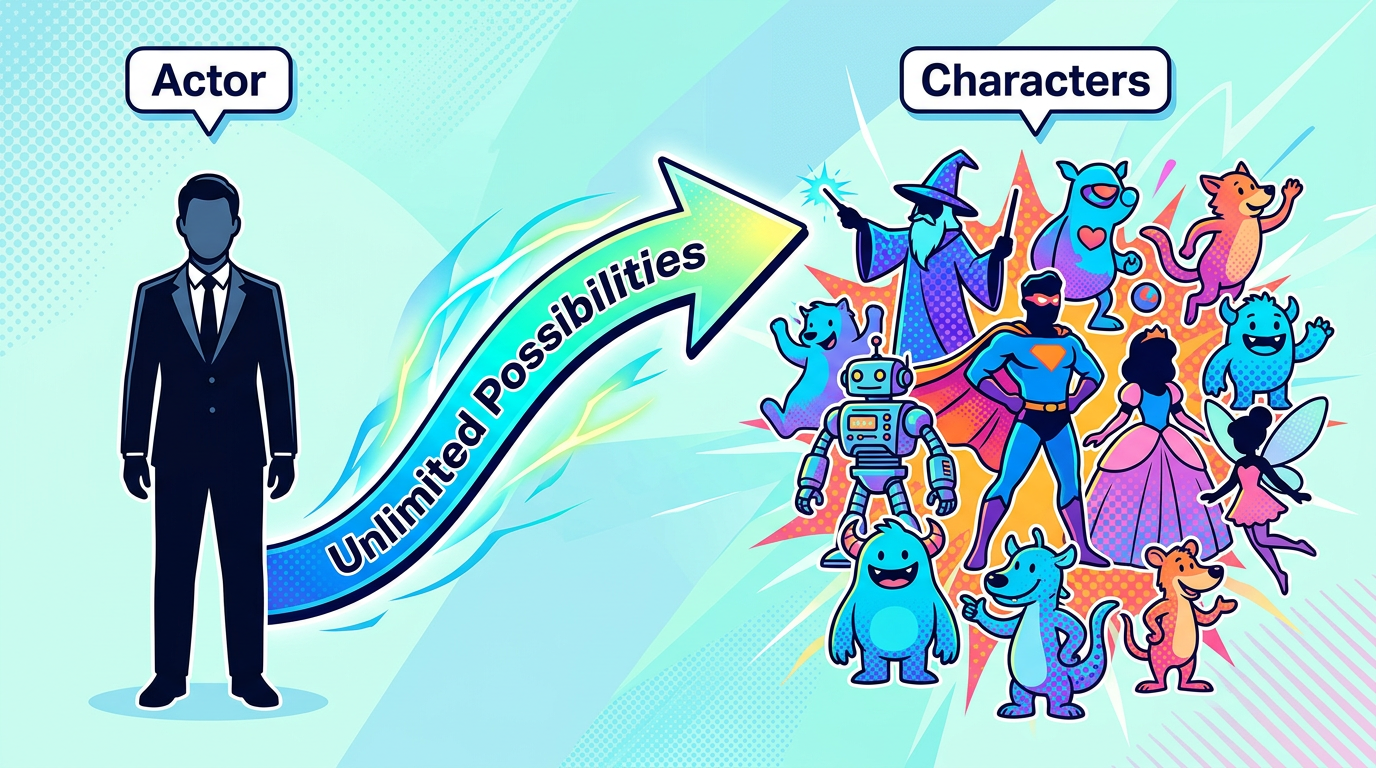
AI generation platforms outcompete traditional services by offering the actual persona. When a user generates a video, they want the visual and auditory experience of the character, not the behind-the-scenes reality. Fanfun unlocks this massive, previously untapped market by allowing fans to generate content using the ultimate symbols of classic childhood nostalgia, like Mickey Mouse, fully rendered and in character.
This capability extends globally. Parents looking to create unforgettable, personalized birthday greetings for their children are no longer limited to generic e-cards. They can use AI personas of international childhood staples like Doraemon to deliver custom messages, educational encouragement, or interactive bedtime stories. The ability to interact directly with the fictional entity, rather than the human actor behind it, is the ultimate advantage of the AI fandom revolution.
Checklist: How to Build Your Own Nostalgia-Driven Campaign
If you are a creator, marketer, or even a fan organizing a massive group gift, leveraging AI personas requires a bit of strategy to get the tone exactly right. Use this framework to ensure your nostalgic content lands effectively.
- Identify the Core Demographic: Are you targeting 90s kids, 80s action movie fans, or modern anime watchers? The persona must align perfectly with the target audience's specific era of nostalgia.
- Determine the Format: Decide if your campaign needs a one-way video message (best for promos and birthdays), a voiceover (best for fan dubs and video essays), or an interactive chat (best for live engagement).
- Write for the Persona, Not the Product: When drafting your script, include the character's signature catchphrases, cadence, and worldview. If the AI persona is a tough-love action star, the script should be demanding and gritty, even if it is just wishing someone a happy birthday.
- Lean Into Juxtaposition: If the content is meant to be comedic, write a script that forces the nostalgic character to discuss something incredibly modern or mundane. The humor lives in the contrast.
| Feature | Traditional Cameo Platform | Fanfun AI Persona |
|---|---|---|
| Delivery Speed | 7 to 14 days (subject to talent schedule) | Instant (Generated in minutes) |
| Character Availability | Limited to human actors out of costume | Unlimited fictional and animated characters |
| Interactivity | One-way passive video clip | Two-way interactive chat, video, and voice |
| Cost | High ($50 - $500+ per video) | Highly affordable and scalable for creators |
| Script Adherence | Talent may alter, rush, or reject the script | Exact execution of the user's creative vision |
The era of waiting weeks for a rushed, out-of-character celebrity greeting is ending. By embracing AI personas, fans and creators are taking control of their own nostalgia, building instant, highly personalized interactions that honor their favorite characters while pushing the boundaries of modern content creation.
How much does a personalized celebrity greeting usually cost?
On traditional platforms, personalized celebrity videos typically range from $50 to well over $500, depending on the fame of the actor and their current demand. AI platforms like Fanfun offer a significantly more affordable alternative, allowing users to generate high-quality, personalized videos and voiceovers at a fraction of the cost, making it scalable for everyday content creation and gifting.
Can I get a personalized video from a fictional character?
Yes, but generally not through traditional celebrity booking sites, which only offer the human voice actors out of character. AI platforms specialize in this, allowing you to generate custom videos, voiceovers, and two-way chats directly from AI interpretations of fictional characters, animated icons, and cultural personas.
What is the best Cameo alternative for instant videos?
Fanfun is the premier alternative for users who need instant results. Unlike traditional platforms that require you to wait 7 to 14 days for talent to record a video, Fanfun uses AI to generate personalized video messages, roasts, and birthday wishes in minutes, completely eliminating the waitlist.
How do creators use AI voices for nostalgic content?
Creators use AI voices to tap into audience nostalgia by generating voiceovers for fan dubs, creating ironic memes (like having a childhood cartoon character read modern internet slang), and producing highly engaging promotional material. The familiar voices act as an immediate hook, bridging classic comfort with modern social media formats.