Beyond the Script: Why Nuanced Performance is the New Gold Standard for AI Character Study
Great AI characters aren't just voices; they are performances. We explore how to translate high-stakes dramatic acting techniques into your next AI project to create truly immersive digital personas.

The landscape of digital content is shifting. Audiences are no longer satisfied with static, one-dimensional audio clips or robotic recitations of text. They crave the emotional texture that defines a genuine performance—the subtle intake of breath, the deliberate hesitation before a revelation, and the rhythmic cadence that signals a character is truly 'thinking' in real-time. Achieving this requires moving beyond the technical mechanics of AI and embracing the art of the director.
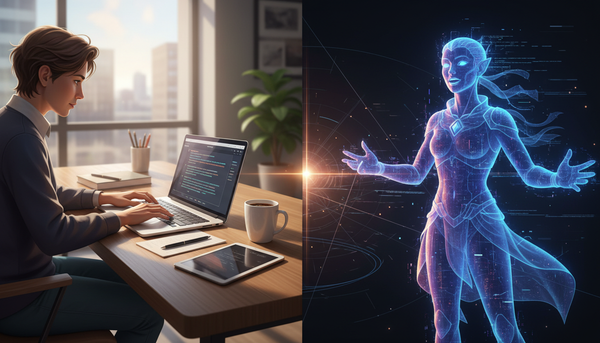
To create content that resonates, you must treat your AI tools as digital actors rather than mere text-to-speech engines. By applying the principles of dramatic performance to your creative workflow, you can transform a simple line of dialogue into a compelling narrative moment. Whether you are crafting a birthday wish or a promotional meme, the difference between a forgettable file and a viral hit often comes down to the emotional architecture of the performance you elicit from the machine.
The Anatomy of a Performance-First Persona
Most AI-generated content fails because it treats voice as a static commodity. When we look at elite performers, we see a masterclass in controlled intensity—a specific, razor-sharp vulnerability that commands attention. In the world of AI, a 'flat' voice is merely a delivery vehicle for text. A performance-first persona, however, uses cadence, breath, and micro-pauses to simulate the internal life of a character. The goal is to move beyond the uncanny valley where the voice sounds correct but the soul is missing.
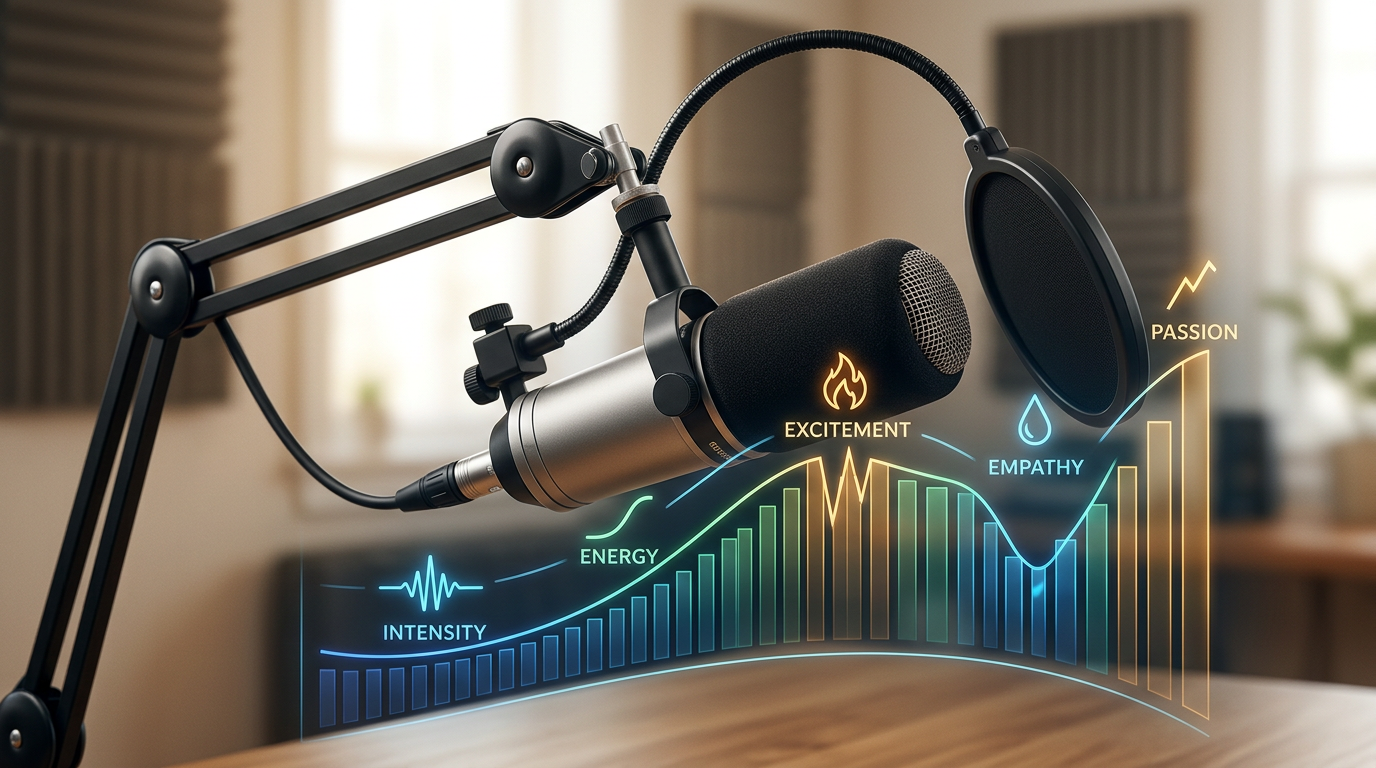
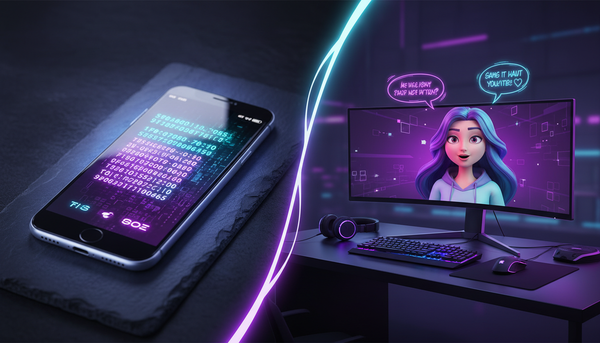
To move beyond generic outputs, you must stop viewing AI as a simple text-to-speech engine and start treating it as a digital actor. The 'intensity effect' relies on the tension between what is said and what is felt. By mapping out emotional ranges—moving from hushed, frantic whispers to authoritative, measured declarations—you can create personas that feel less like software and more like a scene partner. This shift in perspective is what separates a forgettable clip from a high-engagement piece of content that actually connects with fans.
Building Your Character Library: From Icons to Actors
The beauty of modern AI platforms like Fanfun is the ability to bridge the gap between iconic, larger-than-life figures and grounded, dramatic acting styles. When you think about the high-energy, whimsical cadence of Spongebob Squarepants, you are dealing with a specific vocal texture defined by optimism and rhythm. If you apply that same logic to a dramatic performance, you aren't just changing the pitch; you are changing the entire psychological architecture of the character.
Using Fanfun to experiment with different vocal textures allows you to test how an 'intense' persona handles different scripts. Whether you are aiming for the gravitas of a dramatic lead or the specific charm of a beloved cartoon icon like Mickey Mouse, the key is consistency. You must define the 'vocal weight' of your character—is their voice heavy and grounded, or light and erratic? Once you establish this, the AI doesn't just read; it interprets. Similarly, when engaging with a character like Hello Kitty, the performance must mirror the character's signature sweetness and brevity, ensuring that every piece of content feels native to their established universe.
The Technical Art of Pacing and Breath
One of the most overlooked aspects of AI performance is the management of silence. In professional acting, the pause is often more important than the dialogue. When using an AI voice generator, creators often make the mistake of packing too much text into a single block. To achieve a high-intensity performance, you must force the AI to breathe. Use ellipses, line breaks, and deliberate punctuation to create 'gaps' in the dialogue. These gaps allow the audience to process the emotional weight of the previous line, effectively mimicking the hesitation or contemplation seen in live-action film.
Furthermore, consider the 'vocal floor.' A character like Elsa requires a consistent, controlled, and regal energy, whereas a more intense, dramatic persona—perhaps inspired by the raw power of Dwayne Johnson AI—demands a lower, more resonant frequency. By adjusting your script formatting to match these physical realities, you guide the AI into a more authentic performance range, ensuring the output feels deliberate rather than accidental. This level of granular control is exactly why Fanfun has become a staple for creators who need high-fidelity, character-accurate results without the wait times associated with traditional celebrity bookings.
The Framework for Dramatic AI Content
Improving your AI output requires a shift from passive prompt generation to active direction. Use this framework to refine your character development:
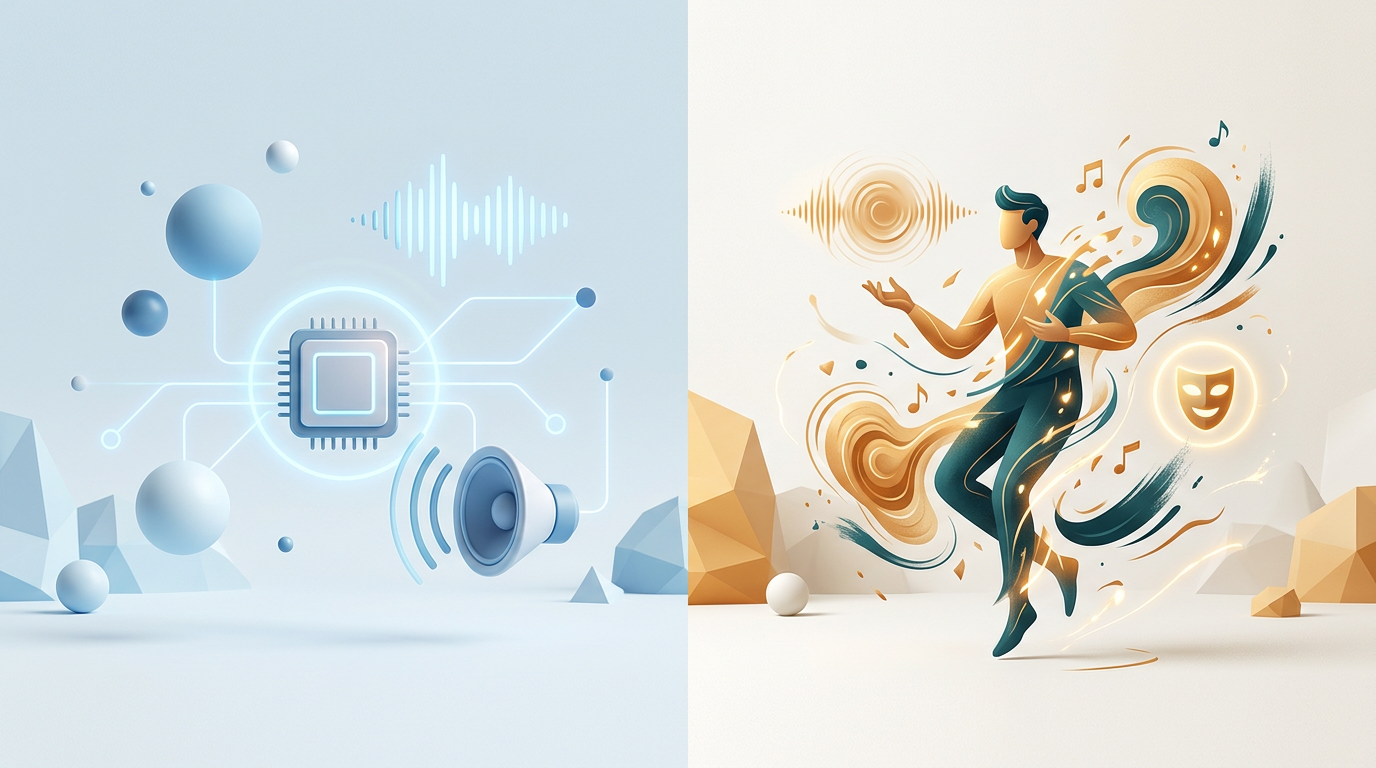
- Step 1: Identify the Emotional Core. Before generating, define the character’s current state. Are they stoic, frantic, or authoritative? A character cannot be everything at once.
- Step 2: Adjusting Pacing and Breath Patterns. Use punctuation and structure to force the AI to pause. Long, complex sentences often sound robotic; short, jagged phrases replicate the breathlessness of a dramatic performance.
- Step 3: Testing in Short-Form. Always run your persona through a 15-second test clip before committing to a full project.
- Step 4: Iterative Refinement. If the tone is off, adjust the descriptive adjectives in your prompt. Instead of 'sad,' try 'hollow,' 'grieving,' or 'haunted.'
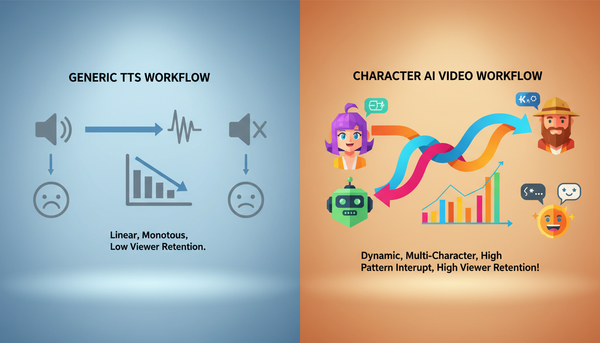
| Feature | Generic AI Voice | Performance-Driven Persona |
|---|---|---|
| Pacing | Uniform, monotone | Variable, cadence-focused |
| Intent | Neutral delivery | Emotionally colored |
| Interaction | Static | Responsive and dynamic |
| Breath | None | Simulated through pauses |
Why Fandom Demands More Than Just a Voice
The modern audience is moving away from passive consumption. Whether fans are interacting with the iconic, recognizable cheer of a character or the nostalgic, helpful nature of a classic, they expect an emotional signature. If the AI output doesn't match the established 'vibe' of the character, the suspension of disbelief shatters immediately. Fandom is now about active, two-way dialogue. Users don't just want a video clip; they want a character that can pivot in real-time, whether they are engaging with a custom creation or a licensed icon.
By leveraging platforms that allow for iterative refinement, creators can ensure that their AI personas stay true to the source material while evolving based on user input. This is where the magic of AI meets the precision of performance art. When you treat your character as a living entity that requires direction, you move from being a simple user to being a digital director. This level of control is what separates high-quality, engaging content from the noise, allowing you to build characters that resonate with your audience on a human level.
Practical Application: Bringing It All Together
To implement these techniques, start by creating two versions of the same character on Fanfun: one that is purely informational and one that is emotionally charged. Compare how the AI handles the same script under different 'intent' prompts. You will notice that by simply adding context—such as 'deliver this with a sense of urgent secret-keeping'—the AI adjusts its cadence to match the requested mood. Intent is the bridge between code and art. When you provide context, you aren't just asking for a voice; you are asking for a performance. This approach ensures that your content remains commercially relevant, highly shareable, and deeply connected to the fans who value character authenticity above all else.
Ultimately, the future of content creation lies in the hands of those who can master the nuance of the machine. By treating your AI personas as dynamic, living characters, you unlock a level of engagement that static media simply cannot replicate. Start small, experiment with the pacing and emotional triggers discussed here, and watch as your digital characters begin to command the attention they deserve.
How do I make my AI characters sound more like a real actor?
Focus on adding emotional context to your prompts. Instead of just asking for a line to be read, describe the character's motivation, their physical state, and the intensity they should project.
Can AI capture the emotional nuance of a dramatic performance?
Yes, but it requires the creator to guide the output. By adjusting pacing, using specific punctuation for pauses, and providing clear emotional directives, you can coax highly nuanced performances out of modern AI tools.
What is the difference between voice cloning and personality design?
Voice cloning is technical—it’s about the sound of the voice. Personality design is creative—it’s about the cadence, vocabulary, emotional responses, and the 'soul' of the character that makes them feel authentic.
How can I use Fanfun to create more realistic character interactions?
Fanfun allows you to iterate instantly. Use the platform to test different emotional tones, refine the character's response patterns, and ensure that every interaction feels consistent with the character's established personality.