The Zane Bennett Effect: Why Cult Characters Drive Better Engagement Than A-List Cameos
Burgess Abernethy’s portrayal of Zane Bennett remains a masterclass in the 'love-to-hate' archetype. Here is why character-driven content is the new gold standard for creators.

In the landscape of teen television, few characters manage to balance arrogance and vulnerability as effectively as Zane Bennett from H2O: Just Add Water. His portrayal remains a masterclass in the 'love-to-hate' archetype, providing a blueprint for how to build a character that audiences find impossible to ignore. When we analyze why certain figures capture the collective imagination, it isn't just about the actor; it is about the specific internal logic, status-driven insecurity, and sharp-tongued delivery that defines the character. These elements create a friction that is missing from most modern, polished social media content.
Today’s digital creators are increasingly moving away from the transactional nature of traditional celebrity shoutouts. Instead, they are leaning into the narrative power of established characters to build deeper, more meaningful connections with their audiences. This shift represents a fundamental change in how we consume and create content, moving from passive admiration of a star to active participation in the worlds they inhabit. By using tools like Fanfun, creators can now synthesize these specific personalities at scale, bypassing the limitations of traditional talent booking to deliver content that feels like a living, breathing extension of a beloved franchise.
The Anatomy of a Cult Classic Antagonist
The reason the 'Zane Bennett' archetype works so well in modern content creation is the friction it introduces. Audiences are tired of one-dimensional heroes who lack complexity. They crave characters who challenge the status quo but reveal flashes of genuine human concern. This nuance creates a parasocial connection that generic, polite celebrity shoutouts simply cannot replicate. When creators lean into these specific tropes, they aren't just making content; they are tapping into a pre-existing emotional architecture that viewers already understand and respond to.
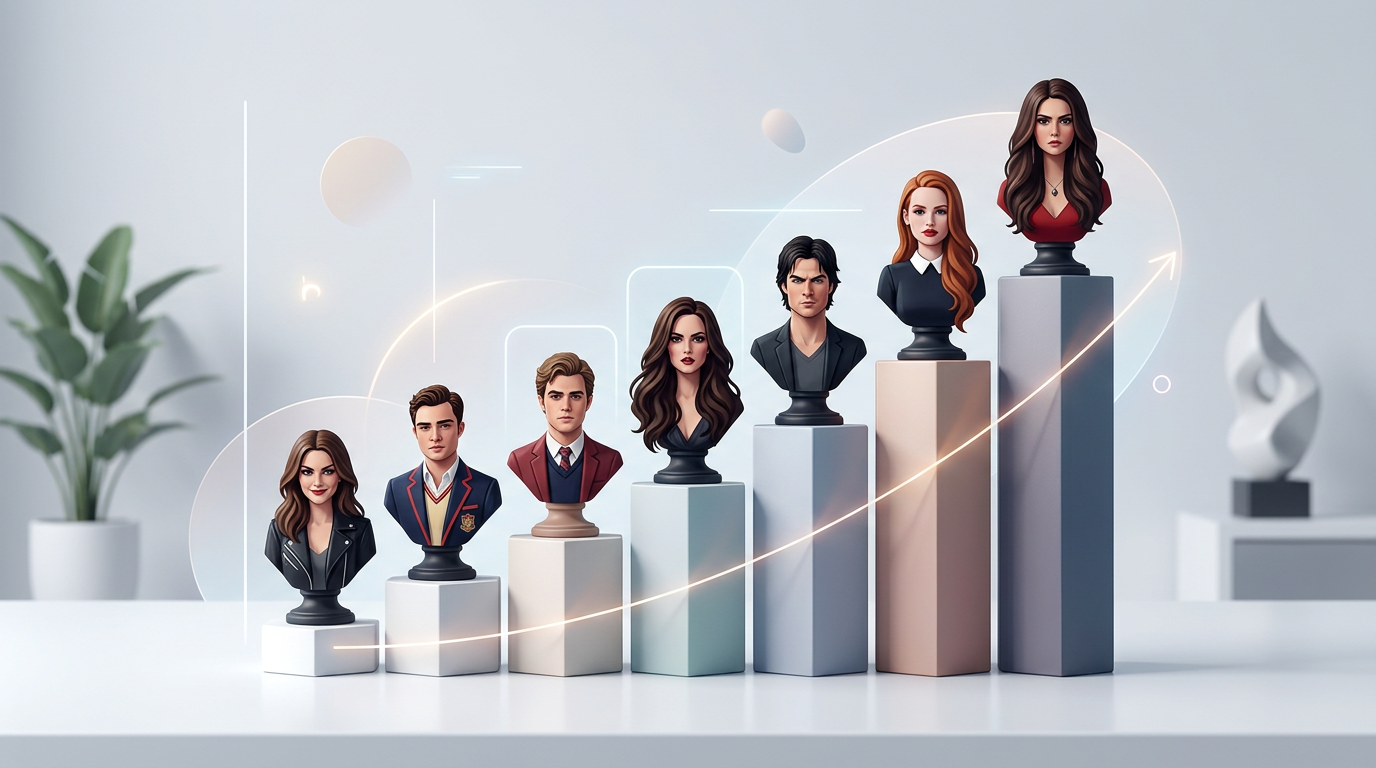
This is where the distinction between a 'star' and a 'character' becomes vital for content creators. A star can endorse a product, but a character can tell a story. By focusing on the specific personality traits—the sarcasm, the hidden insecurities, and the unique cadence—creators can build skits that feel like legitimate extensions of the original work, rather than disjointed, paid advertisements.
The Economics of Narrative Utility
Traditional celebrity cameos often suffer from a 'passive engagement' problem. You pay for a 30-second video, you receive a generic greeting, and the audience moves on. It is expensive, limited by the star's schedule, and often lacks the creative punch needed for a viral TikTok or a high-effort YouTube edit. The shift toward character-led content via AI allows creators to bypass these constraints entirely, turning the creative process into an iterative, instant experience. When you compare the utility of a real celebrity, like the broad, high-energy appeal found in a Dwayne Johnson AI persona, with the narrative-specific utility of a cult character, the difference is clear. While a superstar persona is excellent for broad brand recognition, a niche, well-defined character archetype provides the 'narrative power' necessary for storytelling. For instance, while a Spongebob Squarepants AI persona offers immediate, recognizable humor, using an AI-generated voice that embodies a specific character archetype allows creators to build complex, dialogue-heavy skits. This is the difference between a static shoutout and an active, immersive content experience that keeps viewers engaged.
The Power of Narrative Archetypes in AI
Unlike a standard Cameo, character-led AI engagement allows for interactive, two-way storytelling. You can simulate the cadence, the wit, and the specific 'vibe' of a beloved character to create content that feels like a continuation of the show itself. This is why platforms like Fanfun have become essential for creators: they provide the tools to synthesize these specific personalities at scale, without the friction of traditional talent booking. Whether you want to channel the intensity of a sports icon like Kobe Bean Bryant or the authoritative presence of Shaq, the capability to iterate in minutes is a game-changer. By leveraging these tools, you can ensure that your content remains authentic to the source material while still pushing the boundaries of your own creative vision. You are no longer limited by what a celebrity is willing to say or when they are available; you are limited only by your own ability to craft a compelling narrative around these iconic personas.
The Framework for High-Engagement Character Content
To replicate the impact of a character like Zane Bennett, you need to stop thinking about 'who' the character is and start thinking about 'how' they function in a scene. The most engaging content follows a clear, iterative process:
- Identify the Archetype: Are you looking for the charming antagonist, the reluctant hero, or the comic relief? Each serves a different purpose in your video’s narrative arc.
- Match the Cadence: Use an AI voice generator to capture the specific speech patterns—the pauses, the sarcasm, or the intensity—that make the character recognizable.
- Iterative Testing: Before you commit to a full edit, use AI chat to experiment with different dialogue options. See how the character responds to different prompts to find the most 'in-character' delivery.
By utilizing the Fanfun library, you can bridge the gap between niche fandom and broad, relatable content. You aren't just referencing a character; you are bringing them into the current conversation. Whether you are creating fan-dubbed skits, satirical roasts, or 'what-if' scenarios, the key is to prioritize the character's voice and established personality above all else.
Expanding the Horizon: From Icons to Archetypes
The beauty of using AI to channel classic character tropes is that you can place them in scenarios the original writers never imagined. Want to see how a 'Zane Bennett' type would handle a modern dating app, or how a pop-culture icon like Sydney Sweeney would react to a niche debate? The ability to mix and match these archetypes is what drives viral engagement on platforms like TikTok and Reels today. You can even experiment with family-friendly classics like a Mickey Mouse persona to see how different audiences react to unexpected, modern dialogue. This is how you move from being a passive consumer of fandom to an active architect of it. By focusing on the 'Zane Bennett Effect'—that specific blend of charm, conflict, and recognizability—you can create content that resonates deeply. It is about understanding that the audience doesn't just want to see a celebrity; they want to see a character they know and love navigating the complexities of the modern world. That is the true power of AI-driven content creation: it turns the static, one-way street of traditional media into a dynamic, two-way conversation that invites the audience to play along.
How can I replicate the Zane Bennett character style in my videos?
Focus on the 'antagonist-with-charm' archetype: prioritize quick, sarcastic dialogue, a hint of vulnerability, and a confident, slightly arrogant delivery. Using an AI voice generator that allows for tonal adjustments will help you capture that specific cadence.
Are AI voice generators better than hiring a voice actor for fan projects?
For high-volume, iterative content creation, AI voice generators are significantly more efficient. They allow you to test dialogue, experiment with different tones, and produce content in minutes rather than waiting for professional talent availability.
Why is character-driven content more effective for social media than celebrity cameos?
Character-driven content offers narrative depth and emotional resonance. Audiences already have a pre-existing relationship with the character, making the content feel like an extension of a story they love, rather than a one-off, transactional shoutout.
Can I use Fanfun to create my own 'love-to-hate' character skits?
Yes. Fanfun’s AI tools allow you to generate dialogue and voiceovers for a wide range of archetypes. You can use the platform's chat and voice features to refine your character's personality and build out scripts that fit perfectly into your social media content strategy.