The Anti-Stationery Pivot: How to Script and Scale Thank You Video Messages for Wedding Guests
Writing hundreds of physical wedding thank-you cards is an exhausting, copy-paste chore. Discover how to use a tiered video strategy and custom AI celebrity surprises to thank your guests with genuine energy, speed, and style.
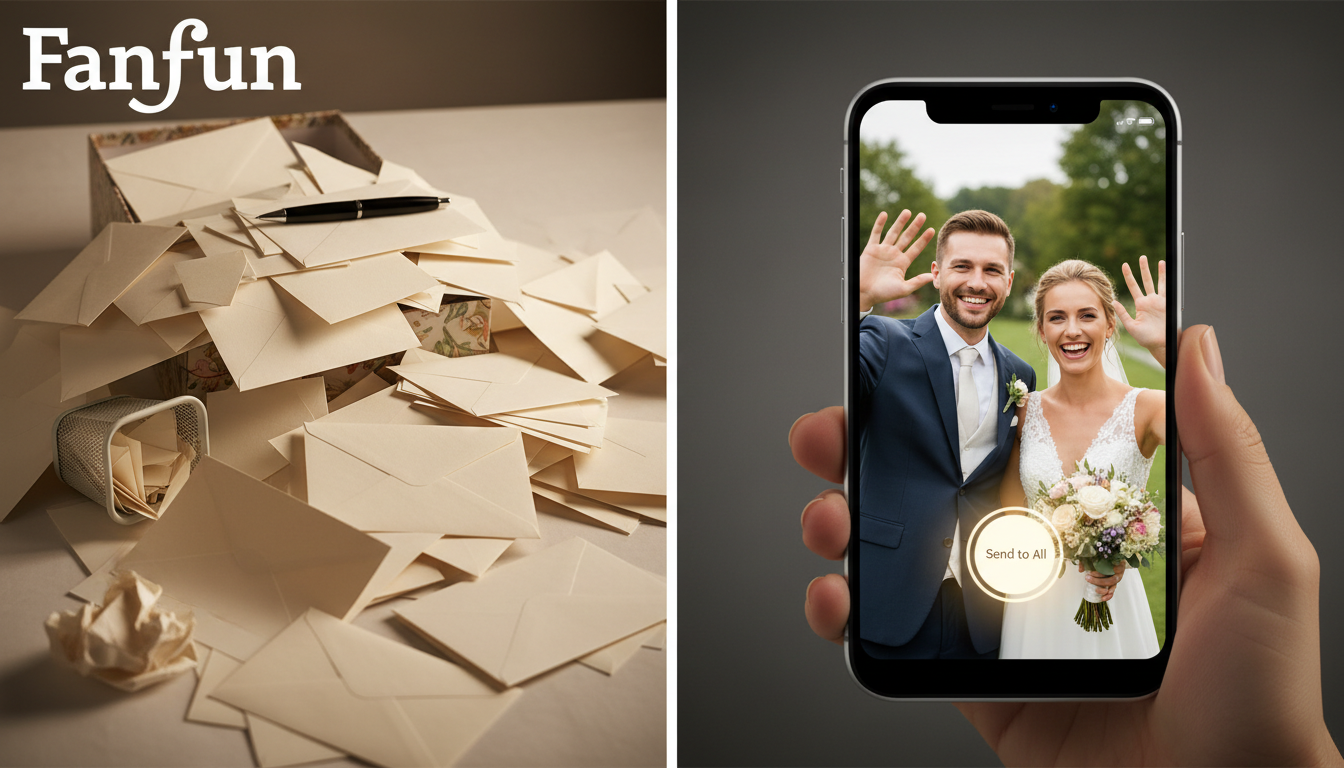
The post-wedding honeymoon high inevitably collides with a formidable, heavy box sitting on your dining room table: a stack of 150 blank, premium cardstock thank-you notes. It starts with the best of intentions. You buy a nice pen, open your registry spreadsheet, and vow to write a deeply personal, poetic message to every single guest. By card twelve, your hand is cramping. By card forty, your handwriting has devolved into an illegible scrawl, and you are copy-pasting the exact same three generic sentences about how much you love the new blender.
Instead of turning your gratitude into a grueling, administrative chore, modern couples are staging an anti-stationery pivot. Video thank-you messages are faster to produce, vastly more engaging, and far more likely to be preserved than a piece of paper destined for the recycling bin. By organizing your guest list into a tiered production strategy, you can deliver highly personalized, memorable thank-yous in a fraction of the time it takes to lick 150 envelopes.
The Case Against the 150-Card Marathon
Post-wedding burnout is a well-documented phenomenon. After months of high-stress decision-making, budgeting, and emotional expenditure, the expectation to sit down and write hundreds of bespoke essays is a recipe for resentment. The traditional stationery model forces couples into a corner where they must trade authenticity for volume. Because you are exhausted, the cards become robotic, losing the very warmth and appreciation they are meant to convey.
Video messages bypass this bottleneck entirely. A quick, energetic video captures the actual emotion in your voice, the laughter between you and your partner, and the immediate post-wedding glow. Furthermore, the retention rate of digital video is exponentially higher than physical paper. While a physical thank-you card sits on a refrigerator magnet for three weeks before finding its way to a landfill, a personalized video lives in family group chats, is shared with relatives who couldn't make it, and remains saved in cloud storage for years.
The secret to pulling this off without spending three weekends recording individual clips is scalability. By shifting from a physical-first workflow to a structured digital video model, you can control your production time while actually increasing the perceived personalization of the message. You do not need to record 150 unique videos from scratch; you simply need a system that makes every guest feel like they were the highlight of your night.
The Tiered Video Strategy: Who Gets What
To scale your video thank-yous successfully, you must segment your wedding guest list. Trying to record a highly specific, three-minute video for all 150 guests will take just as long as writing physical cards. Instead, divide your list into three distinct tiers, matching your production effort to the guest's relationship and investment in your day.
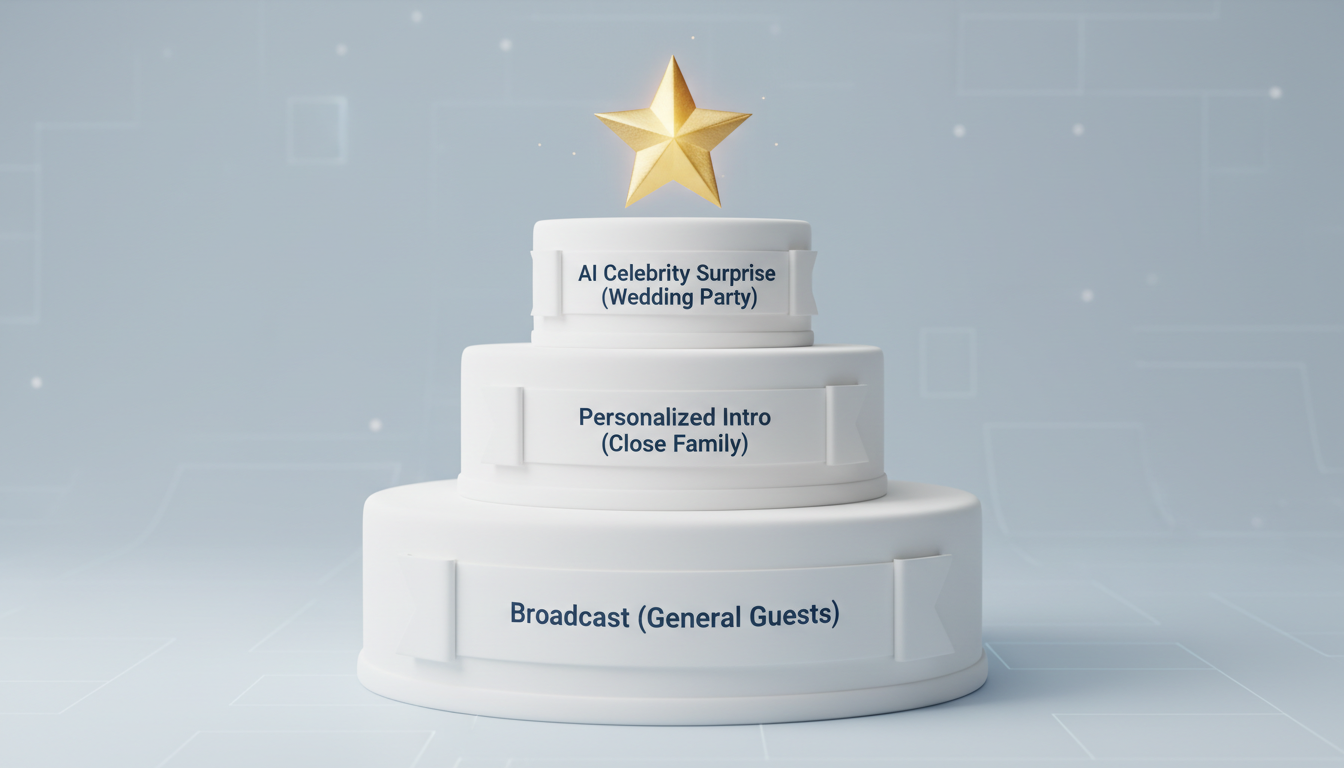
The Broadcast Tier (Extended Family, Colleagues & Plus-Ones)
This tier typically represents about 60% of your guest list. These are the coworkers, distant cousins, and plus-ones who were thrilled to celebrate with you but do not require a deep, personal trip down memory lane. For this group, you will script and record a single, high-energy 60-second broadcast video. The key is to make it feel immediate and collective. Record it in a casual setting—perhaps sitting on your couch surrounded by unpacked gifts, or outside in your backyard—and focus on the overall success of the day, the energy of the dance floor, and a broad thank-you for their presence and generosity.
The Personal Tier (Close Friends & Immediate Family)
This tier comprises your inner circle: close friends, aunts, uncles, and immediate family members who spent significant time with you during the wedding weekend. For this group, you will use a hybrid approach. You will record a brief, 15-to-30-second personalized intro clip for each person or couple, referencing a specific moment from the wedding (such as "Uncle Bob, your breakdancing during the final set was legendary!"). You then stitch this custom intro directly to your high-quality broadcast video. This gives the recipient the warmth of a personal shout-out without requiring you to re-record the entire core message fifty times.
The VIP Tier (The Wedding Party & Key Contributors)
Your bridesmaids, groomsmen, and immediate parents deserve a completely different class of gratitude. These are the people who spent thousands of dollars, organized bachelor/bachelorette parties, held dress trains, and kept you sane. A standard text or a generic "thanks for standing up there with me" video falls flat. If they delivered an incredible reception speech (or even an embarrassing one you are still recovering from, as detailed in our guide to wedding toast personalized video messages), they deserve a response that matches that energy. This is the high-effort, high-reward segment where you want to deliver an unforgettable creative surprise.
The VIP Upgrade: Outsourcing the Bridal Party Thank You to Fanfun
Because your wedding party carried the heaviest emotional and logistical load, their thank-you should feel like an event in itself. Rather than sending a standard video of you and your partner saying "thanks again," you can outsource the heavy lifting to their favorite pop culture icons, sports legends, or fictional characters using Fanfun.
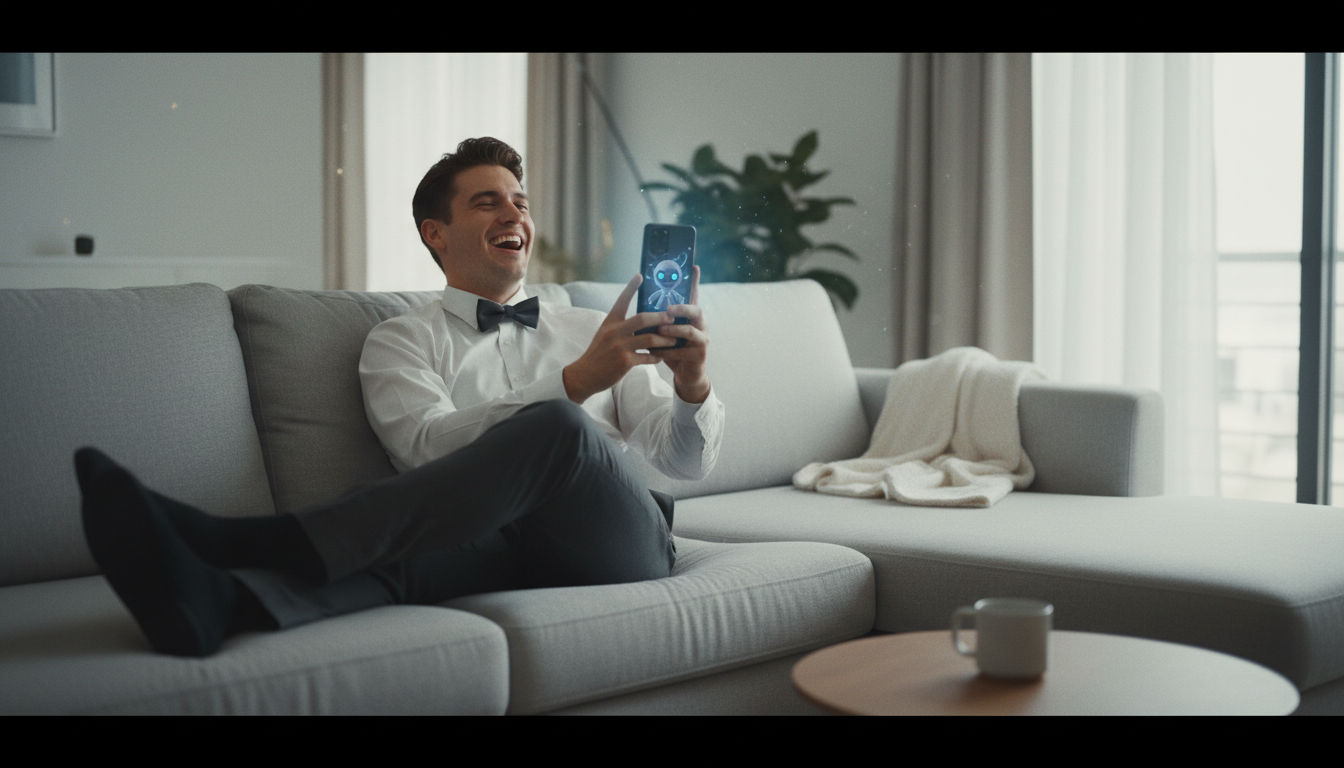
Fanfun is an instant AI video platform that lets you create personalized video messages featuring AI versions of celebrities, athletes, and cultural figures. Instead of waiting weeks for a real celebrity booking or blowing your remaining honeymoon budget on a traditional video shout-out, you can use Fanfun to generate custom, high-stakes videos in minutes. Our instant celebrity video messages allow you to script highly specific inside jokes, roasts, and heartfelt thank-yous that sound exactly like they are coming from the icons your wedding party loves.
For example, you can have a legendary sports coach deliver a mock halftime locker room speech to your best man, roasting the questionable jokes in his reception speech and thanking him for keeping the rings safe. Or, you can have a beloved anime character deliver a hyper-personalized message to your maid of honor, thanking her for surviving the group chat planning sessions. It is an unexpected, highly entertaining gift that honors their investment in your wedding with genuine humor and style, proving that you put real thought into their specific tastes.
Scripting the Core Message (Without Sounding Robotic)
For camera-shy couples, staring into a smartphone lens can feel incredibly awkward. If you do not prepare, you risk sounding like you are reading a hostage statement. To prevent this, use the simple Hook-Memory-Gratitude (HMG) scripting framework to keep your delivery natural, warm, and structured.
- The Hook (0-15 seconds): Start with high energy and immediate visual context. Do not start with "Hi, we just wanted to say thank you." Start with something active: "We are officially back from the honeymoon, the suitcases are still unpacked, but we couldn't wait another second to say..."
- The Memory (15-40 seconds): Reference a collective, vivid moment from the wedding day. "Looking out and seeing literally everyone we love screaming the lyrics to 'Mr. Brightside' while the brass band played is a memory we will keep forever."
- The Gratitude (40-60 seconds): Explicitly thank them for making the trip, their generosity, and look forward to the future. "Thank you so much for traveling to celebrate with us and for helping us kick off this next chapter. We can't wait to see you at Sunday dinner soon!"
If you or your partner struggle with camera anxiety, you can adapt the pacing techniques from our introvert's AI video script blueprint to keep the spotlight off you while still delivering a highly polished message. Additionally, embrace the "One-Take Rule." Do not strive for clinical, corporate perfection. If you stumble over a word, laugh, or look at each other and smile, leave it in. Those unedited, human moments are exactly why your guests want to see your faces in the first place.
The Production and Distribution Matrix
You do not need professional-grade cinema cameras to make a great thank-you video, but poor technical execution can ruin a heartfelt message. Bad audio is the number one reason people swipe away from a video. Ensure you record in a quiet, carpeted room to minimize echo, or use a cheap clip-on lavalier microphone. For lighting, simply sit facing a bright window so your faces are evenly illuminated; never record with a bright window directly behind you, which turns you into a dark silhouette.
Once your videos are recorded, you need a friction-free way to deliver them. Sending raw video files over text will compress the quality into an unwatchable, pixelated mess. Use the distribution comparison matrix below to decide the best channel for your guest list:
| Distribution Method | Best For | Pros | Cons | Guest Friction |
|---|---|---|---|---|
| Unlisted YouTube Link | All Tiers (Broadcast & Personal) | Zero cost; plays perfectly on any device; easy to text or email. | Requires uploading files individually; public but unlisted. | Very Low (One click to play) |
| WhatsApp / SMS Broadcast | Personal Tier | Highly personal; feels like a direct text message; instant replies. | Can be tedious to send individually if not using broadcast lists. | Low (Direct delivery) |
| Paperless Post / Email Campaign | Broadcast Tier | Elegant presentation; track who opened the email; clean design. | Some emails may land in spam folders; minor platform cost. | Medium (Requires opening email) |
| Direct Cloud Link (Drive/Dropbox) | VIP Tier (High-Res) | Preserves maximum video quality; allows guests to download and keep. | Requires guests to navigate a cloud folder interface. | Medium-High |
By pairing a smart distribution method with a tiered production plan—and elevating your wedding party's experience with a custom Fanfun video—you can turn a dreaded post-wedding chore into a fun, creative project that your guests will talk about long after the flowers have faded.
Is it tacky to send a video instead of a physical wedding thank you card?
Not at all. While older generations may appreciate physical stationery, most guests find personalized video messages to be far more authentic, energetic, and memorable than a generic, copy-pasted physical note. It shows you actually sat down together to speak to them, rather than just filling out a template.
How long should a wedding thank you video be?
Keep it brief and engaging. A general broadcast video should be between 60 to 90 seconds. If you are adding a personalized introduction for close friends and family, keep that custom intro to 15-30 seconds before transitioning into the main message.
How do I send a large video file to 150 wedding guests without losing quality?
Never send raw video files directly via SMS or standard messaging apps, as they will compress and degrade the quality. Instead, upload your videos to a platform like YouTube (set to 'Unlisted') or Vimeo, and share the link via text, email, or a digital card platform like Paperless Post.
Can I use AI to generate personalized thank you videos for my bridal party?
Yes. Platforms like Fanfun allow you to create custom AI video messages from popular characters, athletes, and celebrities. It is an incredibly popular, creative, and fast way to roast or thank your bridesmaids and groomsmen with a highly personalized surprise that matches their specific interests.