The Voice Behind the Character: Why Modern Storytelling Needs More Than Just a Script
Great storytelling is built on the nuance of voice. We explore how to bridge the gap between human performance and AI-driven character interaction.
The power of a character isn't found in the lines of a script, but in the specific, unreplicable texture of a voice. Whether it is the gravelly authority of a sports legend or the high-pitched, infectious optimism of an animated icon, the human voice acts as a primary vessel for emotional connection. When an audience hears a familiar cadence, they aren't just processing audio; they are accessing a library of memories, associations, and feelings that have been cultivated over years of media consumption. In the digital age, this connection is the currency of influence.
As digital creators, the challenge has always been how to harness that level of resonance without the prohibitive costs and logistical bottlenecks of traditional studio production. The modern landscape of fandom is shifting toward real-time interaction, demanding a new toolkit that allows creators to bridge the gap between static content and living, breathing digital performance. This is where the intersection of professional voice craft and AI-driven accessibility becomes a game-changer for independent creators.
The Anatomy of a Memorable Voice
A truly iconic character performance is rarely about the words on the page. It is about the breath between the sentences, the slight tremor of hesitation, and the specific cadence that tells an audience exactly who a character is before they finish their first line. Voice acting is the soul of immersion; it transforms a static sketch or a line of code into a living, breathing entity. In gaming and animation, listeners bond with these voices because they carry emotional weight, turning a narrative into a relationship.

The distinction between merely reading lines and inhabiting a character is what separates forgettable content from cultural phenomena. When a performer understands the underlying motivation of their character, they apply emotional inflection that feels authentic. This is why audiences remain loyal to specific character voices for decades—they provide a consistent, reliable emotional anchor in a world of rapidly changing media. When you are looking to replicate that anchor in your own content, the goal is to capture the 'essence' rather than just the pitch. This requires a deep understanding of rhythm, tone, and the specific quirks that make a character feel 'real' to the viewer.
Bridging the Gap: From Professional Performance to AI Interaction
Modern content creation is moving beyond passive consumption. Today’s audience wants to participate, and that shift requires a new approach to character-driven performance. We are seeing a move toward interactive, voice-first experiences where the character responds in real-time. This is where the gap between professional, high-fidelity voice work and scalable AI interaction begins to close.
Platforms like Fanfun allow creators to bridge this divide by providing access to sophisticated AI personas that mimic the spirit and tone of iconic figures. Without the logistical hurdles of traditional production—such as scheduling studio time or negotiating complex talent contracts—creators can experiment with character archetypes to see what resonates with their community. The goal is no longer just to broadcast a message, but to enable a two-way dialogue where the character feels present, reactive, and authentic. By leveraging these tools, creators can iterate on scripts in minutes rather than days, maintaining a consistent creative output that keeps their audience engaged.
Choosing Your Persona: A Decision Framework
Selecting the right persona is an exercise in matching the character's 'vibe' to your specific content goal. Whether you are aiming for humor, gravitas, or playfulness, the choice of voice dictates the audience's perception of your brand. When you use a high-energy persona like the Dwayne Johnson AI, you are setting a tone of motivation, strength, and larger-than-life energy that works exceptionally well for promos or fitness-focused content. It is about leveraging the cultural weight that the persona brings to the table.
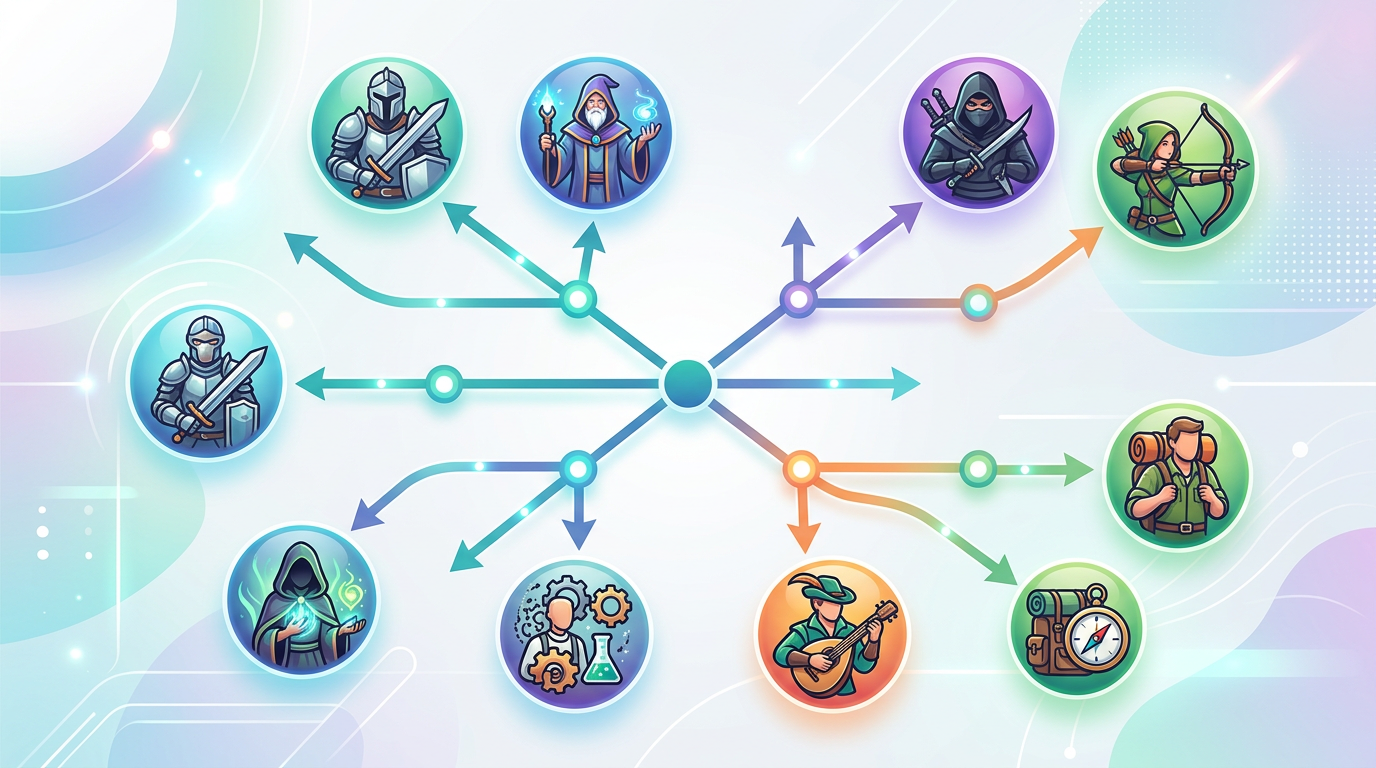
Conversely, if your content requires a more grounded, competitive, or legacy-driven tone, you might pivot toward the Kobe Bean Bryant persona to evoke themes of discipline and excellence. The key is intentionality: the voice must serve the narrative. If you are creating a lighthearted skit or a parody, the Spongebob Squarepants AI provides an immediate, recognizable layer of nostalgia that can carry a joke further than an original voice ever could. When you select an AI persona, you are effectively borrowing the emotional equity of that character to enhance your own message.
Persona Selection Matrix
| Goal | Persona Archetype | Best Use Case |
|---|---|---|
| Humor & Satire | Quirky/Animated | Memes, reaction videos, parody |
| Motivation/Energy | High-Intensity/Iconic | Promos, birthday shoutouts, hype |
| Storytelling | Deep/Narrative | Lore, world-building, commentary |
To avoid the dreaded 'uncanny valley,' focus on personality over pixel-perfect mimicry. The most effective AI content uses the persona to lean into the character's established tropes rather than trying to replicate every subtle breath. By aligning the persona's inherent strengths with your content's needs, you create a seamless experience that feels intentional rather than synthetic. This strategic alignment is what separates top-tier creators from those simply experimenting with the tech.
Scaling Character Content Without Sacrificing Quality
Consistency is the greatest challenge for any creator. Top-tier creators use AI voice generators to bridge the gaps between major projects, keeping audiences engaged without burning out. By integrating recognizable voices, creators can anchor viral content in familiar, nostalgic territory. This allows for rapid prototyping of ideas that would otherwise take weeks to produce. The ability to pivot between different character tones within a single production cycle is a massive advantage in the fast-paced world of short-form video.
For instance, using a versatile and recognizable persona like the Shaq AI allows creators to pivot between different styles—from sports analysis to lighthearted comedy—with a single, authoritative voice. This scalability is essential for maintaining a brand presence across multiple platforms like TikTok, YouTube, and Instagram. By automating the voice-over process, you free up your creative energy to focus on the narrative structure and the 'hook' that keeps viewers coming back. You are essentially building a modular content engine where the voice is a consistent, reliable component.
The Evolution of Audience Engagement
The definition of a 'fan experience' is being rewritten in real-time. Where fandom once meant waiting for a yearly convention or a rare celebrity shoutout, it now means having the ability to interact with a digital version of an icon whenever the mood strikes. This democratization of access is the hallmark of modern digital media. Whether you are building a tribute video using the Sydney Sweeney persona or crafting a fan-fiction narrative featuring a classic Mickey Mouse style voice, the barrier to entry has never been lower.
We must always respect the craft and the performers who built these characters, but we should also embrace the creative freedom that AI tools provide. The next generation of creators will be defined by their ability to blend human ingenuity with the speed and accessibility of artificial intelligence. By leveraging platforms like Fanfun, you aren't just making content; you are building a bridge to your audience that feels personal, immediate, and undeniably engaging. It is about moving from being a passive observer of media to an active architect of it, using the tools available to push the boundaries of what a digital character can do.
What makes a good voice acting performance?
A great performance relies on emotional inflection, consistent cadence, and the ability to convey motivation beyond the literal words of the script.
How can creators use AI voice tools to enhance their videos?
Creators use these tools for rapid prototyping, keeping audiences engaged between projects, and injecting familiar, iconic personalities into their content without the logistics of traditional production.
Is AI voice generation replacing professional voice actors?
No; it serves as a tool for accessibility and scale, allowing creators to explore character archetypes in ways that complement traditional performance rather than replacing it.
How do I choose the right AI persona for my content?
Choose based on your content goal: use high-energy personas for motivation, and character-driven, nostalgic voices for humor or storytelling to ensure the tone matches your audience's expectations.