The Authority of the Enigmatic: Why Archetypal Personas are the Gold Standard for AI Storytelling
Master the art of the 'authoritative enigma' in your digital content. Learn how to leverage specific character archetypes to build cinematic, high-impact stories.
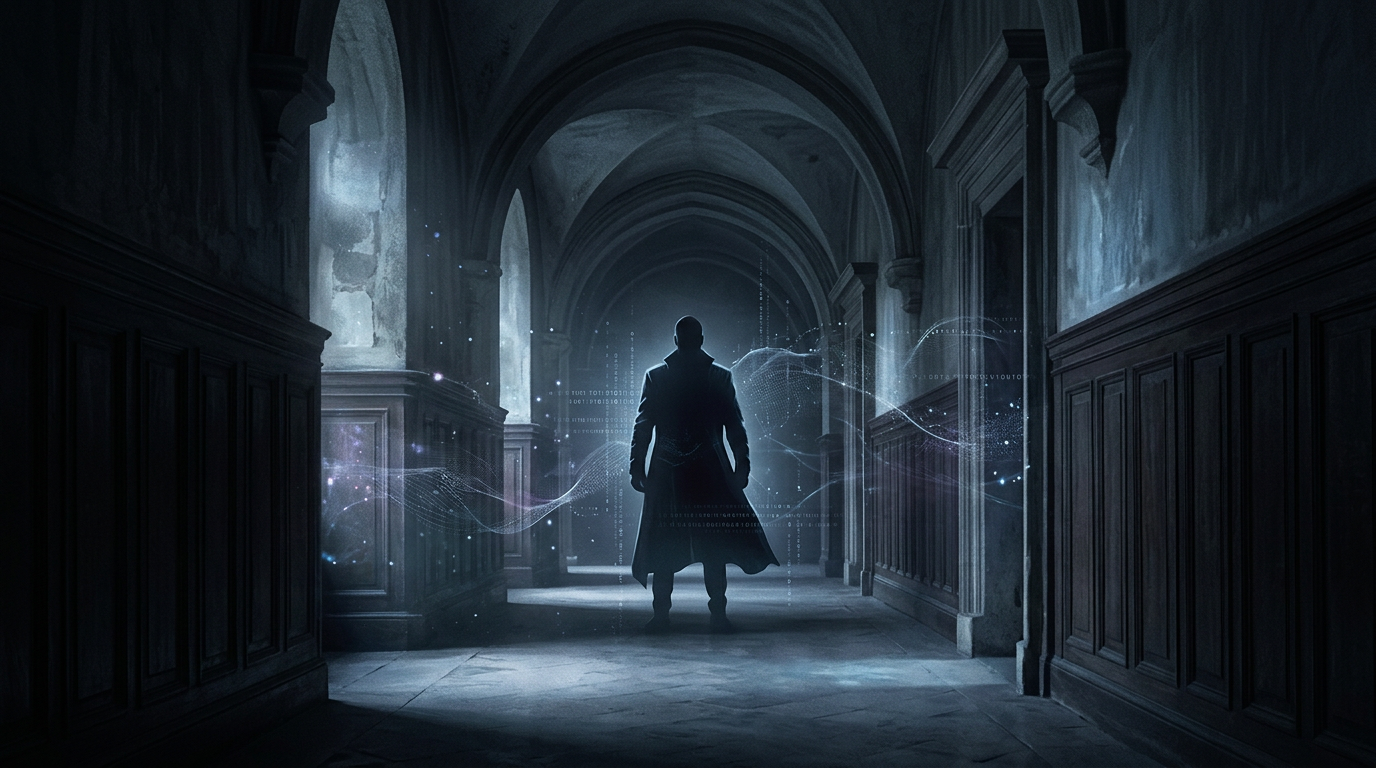
Every great story relies on contrast. If your entire video is loud, fast-paced, and high-energy, the audience eventually tunes out the noise. To truly command attention, modern creators are rediscovering a classic cinematic tool: the authoritative enigma. This is the character who speaks softly, pauses deliberately, and holds the room without ever raising their voice. It is a psychological trigger that forces a listener to lean in.
Historically, casting this specific archetype required hiring veteran character actors who had spent decades perfecting their gravelly registers and measured cadences. You needed a Hollywood budget and weeks of scheduling. Today, the production pipeline has fundamentally shifted. Platforms like Fanfun allow creators to instantly cast these complex, nuanced personas for their own projects, turning a basic script into a compelling narrative experience in minutes.
The Anatomy of Gravitas
In the landscape of modern media, certain performers possess a rare ability to command attention through restraint. This delivery relies on a carefully calibrated architecture of sound—a blend of soft, measured tones interrupted by calculated pauses that suggest a depth of knowledge just out of reach. When you strip away the noise of high-energy narration, you are left with the raw power of presence.
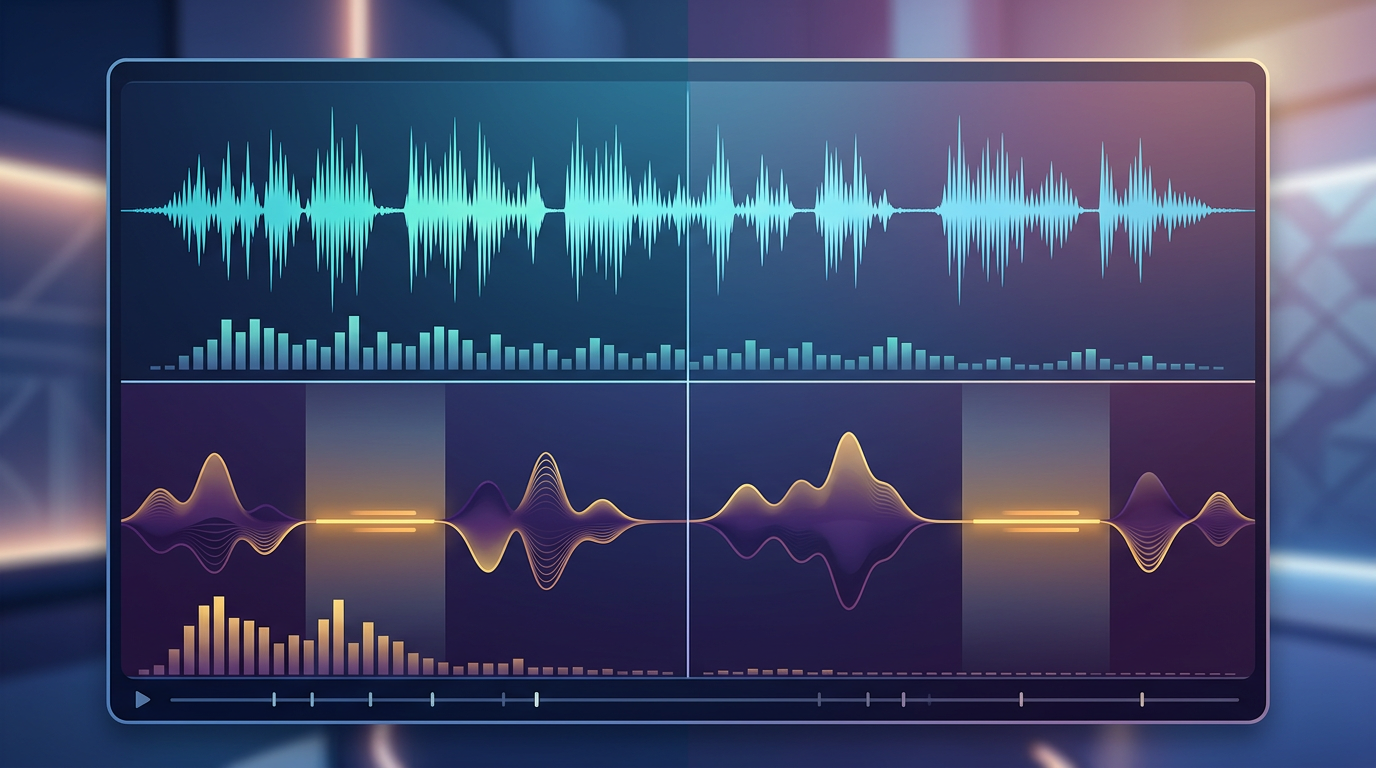
Consider the greatest villains and anti-heroes in cinema history. They rarely shout. Their authority comes from the implicit understanding that they do not need to raise their voices to be heard. This is the exact frequency you want to capture when producing content that requires trust, suspense, or deep focus. When an audience hears this tone, their brains automatically signal that the information being delivered is important. It is a biological hack for audience retention.
The power of the calculated pause cannot be overstated. By holding back, the performer creates a vacuum that the audience feels compelled to fill with their own anticipation. When this is coupled with a vocal register that balances warmth with a subtle, underlying sense of danger, you create a character who feels both trustworthy and unpredictable. For creators, this archetype is currently in high demand for narrative-driven content because it provides an instant layer of cinematic tension that generic, high-energy narration simply cannot replicate.
Deconstructing the Enigmatic Delivery
To understand why this works, you have to break down the audio profile of an authoritative persona. It is not just about having a deep voice; it is about how that voice moves through a sentence.
| Vocal Element | Generic Narration | Authoritative Enigma |
|---|---|---|
| Pacing | Rushed, consistent speed to maximize information delivery. | Deliberate, varying speeds with extended pauses for emphasis. |
| Pitch | Mid-to-high register, often artificially enthusiastic. | Lower register, grounded in the chest, projecting calm control. |
| Breath Control | Hidden or edited out entirely. | Audible, measured breaths used as rhythmic punctuation. |
| Inflection | Upward inflection at the end of sentences (uptalk). | Downward inflection, finalizing statements with absolute certainty. |
Why Modern Creators Need Archetypes, Not Just Impressions
The difference between a hollow caricature and a compelling persona lies in the intent. A caricature mimics the surface-level quirks of a celebrity; a persona embodies the core archetype that makes that figure effective in storytelling. When you are building digital content, you aren't just looking for a voice—you are looking for a specific frequency of communication. Fanfun allows creators to tap into these nuanced archetypes, moving away from the limitations of simple voice cloning and into the realm of character-led narrative design.
It is helpful to consider the contrast in your toolkit. If your content requires the high-octane charisma of a global superstar, the Dwayne Johnson AI provides a distinct, high-energy archetype perfect for promos, fitness channel intros, or motivational beats. The audience immediately recognizes the muscular, commanding tone. Conversely, if your project demands a sense of mystery, a slow-burn narrative, or a deep-dive video essay, you need to shift toward an archetype defined by control, restraint, and gravity. Understanding which tool fits the emotional beat of your story is the hallmark of a sophisticated creator.
The Strategic Use of Vocal Archetypes
To integrate these archetypes effectively, you must treat your AI voice generator like a casting director treats a roster of actors. You wouldn't cast a slapstick comedian to deliver a eulogy, and you shouldn't use a hyper-energetic voice to narrate a true-crime documentary.
Consider the versatility of the Shaq persona. When you need to inject a sense of authority combined with a larger-than-life, competitive spirit, you aren't just using a voice; you are borrowing the cultural weight of a sports icon. This is fundamentally different from a generic text-to-speech engine. By leveraging these established archetypes, you bypass the need for lengthy character development and jump straight into the narrative payoff.
Mapping Voice to Narrative Beats
Different formats require entirely different approaches to pacing and persona selection. Here is how professional creators are deploying archetypes across various content styles:
- Video Essays and Lore Deep-Dives: Use the enigmatic, authoritative voice. The slow pacing and deep register keep viewers engaged through complex, 20-minute explanations without causing ear fatigue.
- Hype Reels and Sports Promos: Deploy high-energy, culturally resonant voices. The goal is instant adrenaline, requiring a persona that naturally projects volume and intensity.
- Satire and Parody: Contrast the subject matter with the voice. Having a deeply serious, gravelly voice read absurd internet comments or fast-food menus creates instant comedic friction.
- Personalized Fan Engagement: Move beyond the traditional Cameo model. Instead of a passive 15-second clip, creators use specific character voices to deliver personalized roasts or inside jokes that fit the exact tone of their community.
Curating Your Digital Cast
When you look at the Sydney Sweeney or Mickey Mouse product pages on Fanfun, you are seeing more than just names; you are seeing specific emotional keys that you can turn to unlock audience engagement. A creator who understands how to mix these archetypes—using the gravitas of an enigmatic figure for a hook and the playfulness of a cartoon icon for a transition—is a creator who understands the rhythm of modern attention spans.
The key is to avoid archetype fatigue. If every piece of content you produce uses the exact same vocal style, the impact diminishes. You need a roster. Use the Kobe Bean Bryant persona when you need to emphasize discipline, focus, and excellence in a tutorial or a motivational segment. Save your more mysterious, low-register personas for the moments where you need to build suspense or deliver a plot twist. If you need a sudden burst of chaotic, nostalgic energy to break up a serious topic, dropping in the Spongebob Squarepants persona acts as a perfect pattern interrupt. This diversity of tone is what separates professional-grade content from amateur experiments.
Directing AI: How to Prompt for Presence
Having access to a powerful AI voice generator is only half the battle; knowing how to direct it is where the real skill lies. AI engines respond directly to the punctuation and structure of your script. If you want an authoritative, enigmatic delivery, you cannot write a script full of exclamation points and run-on sentences.
To pull the best performance out of your chosen persona, you must script for the pause. Use ellipses to force the AI to take a breath. Break long sentences into short, declarative fragments. Instead of writing, "The secret to the universe is actually quite simple and I am going to tell you what it is right now," write, "The secret to the universe... is simple. And it begins... right now." The latter forces the AI to drop its pitch, slow its roll, and deliver the line with the exact gravitas you are looking for.
Beyond punctuation, phonetic spelling is your best tool for directing an AI persona. If a word is meant to be drawn out for dramatic effect, spell it out phonetically in the engine. If you want the authoritative voice to sound slightly dismissive, use short, clipped words. Fanfun's interface is designed to pick up on these subtle textual cues, but the creator must provide the raw material. Think of yourself as a conductor; the AI is the orchestra, but you must still write the sheet music.
The Evolution of Digital Fandom
We are moving away from the era of passive consumption. Modern digital fandom is defined by interaction and creative utility. Platforms like Fanfun are democratizing the ability to create high-quality, character-driven media, allowing fans to engage with their favorite archetypes in ways that were previously impossible. This is the new standard for cameo alternatives. You no longer have to wait weeks on a waiting list for a celebrity to record a generic greeting. You can instantly generate a highly specific, customized narrative using the exact archetype your project needs.
This shift represents a fundamental change in fan engagement. By providing the tools to interact with these personas, we are enabling a two-way dialogue. It is no longer about just watching a celebrity; it is about utilizing the essence of their performance to build your own narratives. Whether you are building a viral TikTok channel, creating a personalized birthday roast for a friend, or producing a long-form video essay, the focus is on utility, speed, and creative freedom.
The Future of AI Performance
The future of content creation lies in the synergy between human intent and AI agility. It is essential to approach this technology as a collaborator. Intellectual property and creative ethics should remain at the forefront of your process; the goal is not to replace the original artist but to use the archetype they have built to tell new, original stories. By blending the precision of AI with your own narrative vision, you can produce content that feels cinematic, intentional, and profoundly human. The power is not in the software itself, but in the creative judgment you apply when wielding it.
Ultimately, the authoritative enigma is a tool for those who understand that less is often more. By mastering the pause, the cadence, and the specific archetypal weight of your chosen persona, you transform from a simple content creator into a digital storyteller. The tools are ready, the library of voices is vast, and the barrier to entry has never been lower. The only remaining question is how you will use these archetypes to define your own unique voice in a crowded digital space.
How does AI capture the specific vocal nuance of an actor like Terry O'Quinn?
AI captures the nuance by analyzing the spectral patterns, speech rhythms, and the unique cadence of the performer. It focuses on the 'signature' of the voice, including the duration of pauses and the pitch shifts that define the character's persona.
Can I use AI personas for professional content creation?
Yes. Many creators use AI personas for high-quality, scalable content such as YouTube series, social media promos, and character-led storytelling. It is an excellent way to maintain a consistent tone across your brand projects.
What is the difference between a voice clone and a character archetype?
A voice clone simply mimics the sound of a voice. A character archetype, however, includes the behavioral patterns, emotional delivery, and the 'vibe' of the persona. It is the difference between hearing a voice and believing in a character.
Is it better to use a real celebrity or an AI persona for my video project?
It depends on your project goals. AI personas offer instant, affordable, and scalable access for creative, parody, and narrative work. Real celebrities are better suited for traditional, high-budget endorsements where personal presence is the core requirement.