The Corey Feldman Net Worth Reality: How Cult Fandom Outlasts Hollywood Paychecks
Corey Feldman's net worth proves that cultural relevance is a different currency than box office revenue. Discover how legacy stars monetize nostalgia and why modern fans demand instant, interactive experiences.
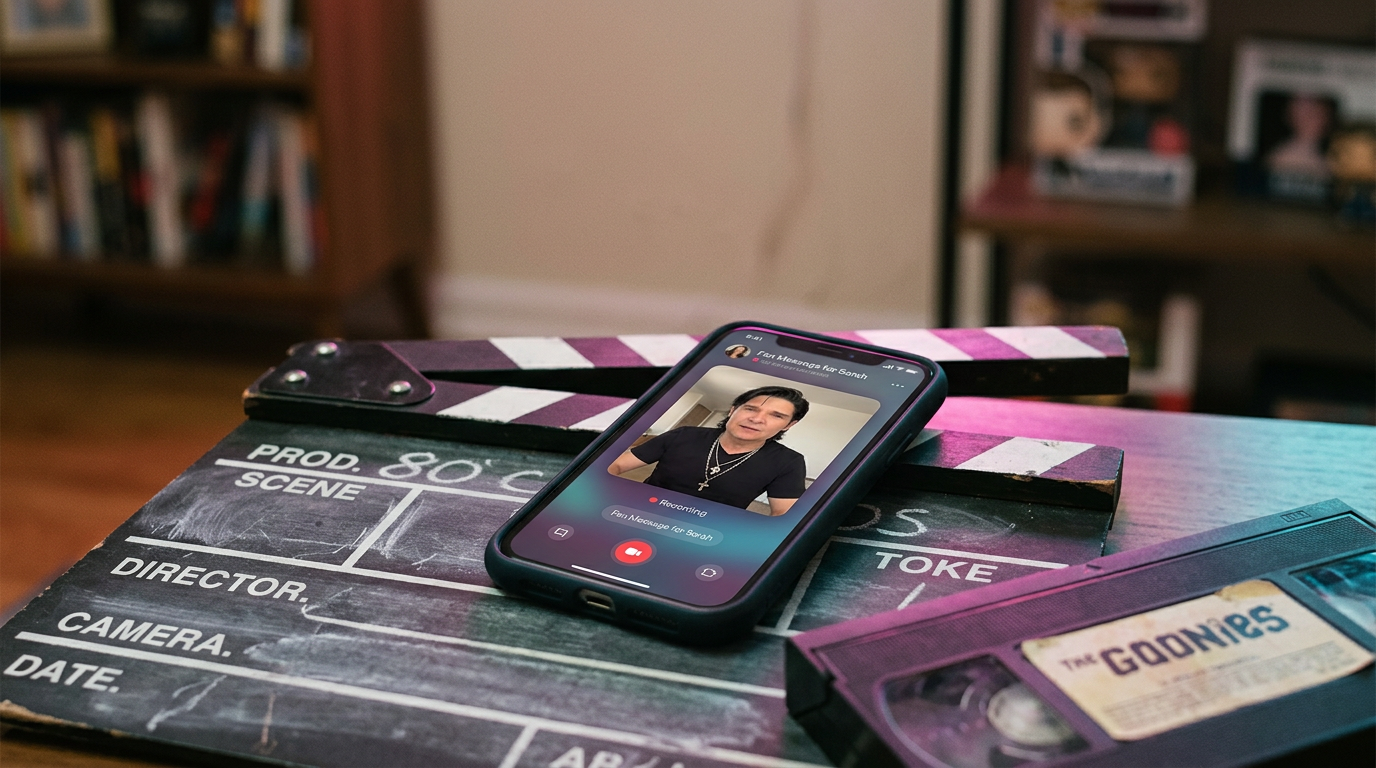
Corey Feldman’s name is permanently etched into the foundation of 1980s pop culture. As a central figure in defining cinematic hits like The Goonies, Stand by Me, and The Lost Boys, his face is synonymous with an era of Hollywood that continues to dominate the modern nostalgia cycle. Yet, looking at the financial realities of 1980s child stardom reveals a stark contrast between massive box office revenue and personal wealth.
Understanding Corey Feldman’s financial trajectory offers more than just a glimpse into Hollywood's outdated pay structures. It provides a masterclass in how legacy stars pivot from traditional studio paychecks to direct-to-fan monetization, highlighting a massive shift in how audiences connect with the icons they grew up watching. The transition from passive moviegoer to active, co-creative fan explains the rise of the modern nostalgia economy.
The Reality of Corey Feldman’s Net Worth Today
Corey Feldman’s net worth is widely estimated to sit between $1 million and $2 million. For fans who grew up watching his blockbusters gross hundreds of millions of dollars worldwide, this figure often comes as a shock. The disconnect stems directly from how the entertainment industry compensated its younger talent during the 1980s.
Child actors in that era were typically paid flat, relatively modest upfront fees for their roles, without the backend points or profit-sharing agreements that modern A-listers command. More importantly, the residual structures negotiated by acting unions at the time did not account for the explosion of home video sales in the 1990s or the streaming revolution of the 2020s. Actors from that era rarely see substantial ongoing income from the platforms currently hosting their most famous work.
However, traditional financial metrics fail to capture the true currency Feldman and his peers accumulated: cultural capital. While the initial studio paychecks dried up, the dedicated fanbase did not. This intense, decades-long loyalty created a foundation for a completely different kind of career—one built entirely on direct fan engagement, convention appearances, and independent media creation rather than waiting for the next casting call from a major studio.
How Cult Icons Monetize Nostalgia in the Digital Age
Legacy stars who built their names in the 1980s and 1990s have largely abandoned the traditional Hollywood audition grind in favor of the nostalgia economy. This ecosystem relies entirely on removing the middleman—the studios—and selling access directly to the fans who want to relive their childhoods.

The convention circuit serves as the bedrock of this economy. Autograph signings, photo ops, and panel appearances at events like Comic-Con provide reliable, lucrative income for cult icons. A star with a dedicated following can easily generate tens of thousands of dollars over a single weekend simply by interacting with fans and signing memorabilia. For many legacy actors, this direct-to-fan model is far more profitable than taking minor roles in modern television shows.
Beyond physical conventions, the rise of personalized video platforms created a new digital revenue stream. Platforms like Cameo proved that fans are more than willing to pay a premium for personalized attention. A fan might not buy a ticket to a new indie film starring an 80s icon, but they will happily pay $100 for a 30-second video of that same star wishing their brother a happy birthday. Additionally, stars like Feldman have utilized their cult status to fund direct-to-fan music tours, proving that modern audiences value direct, personalized engagement over passive consumption of mass-market media.
The Evolution of Fan Access: From Autographs to AI Interactions
The success of the convention circuit and personalized video platforms revealed a fundamental truth about modern fandom: accessibility is king. But traditional celebrity bookings still carry massive friction. Booking a legacy star for a personalized message often involves high costs, unpredictable wait times, and the risk of declined requests if the star is busy, touring, or simply taking a break from the platform.
Fans and content creators now demand instant gratification. This expectation has driven the evolution of platforms like Fanfun, which bridges the gap between fan desire and celebrity availability. Instead of waiting weeks for a 15-second clip, fans can instantly generate custom video messages, roasts, and birthday wishes using AI personas. The technology removes the bottleneck of human scheduling while preserving the entertainment value of the interaction, allowing creators to produce content at scale.
This instant accessibility extends far beyond 80s film stars. Fans can now engage with larger-than-life archetypes on demand. Whether a creator needs a customized voiceover or a fan wants to generate a personalized hype video featuring the towering persona of Shaq, AI tools allow for immediate, scalable access to the cultural icons that define our entertainment landscape.
Why Instant Personalization is the New Fandom Standard
Modern audiences no longer want to just receive a one-way video clip; they want to co-create. The standard for fandom has shifted from passive viewing to interactive creation. Fans want to dictate the script, generate memes, and have two-way conversations with the personas they admire. They want to be the directors of their own digital experiences.
This is where AI chat and voice generation fundamentally change the game. If you want to create a high-energy promo or a hilarious roast for a friend, you do not need to negotiate a contract or wait for a booking window to open. You can instantly access a Dwayne Johnson Ai persona to deliver that exact larger-than-life action star energy within minutes. The value is no longer just in the celebrity's face, but in the fan's ability to direct the experience and use these iconic voices to tell their own stories.
The Nostalgia Economy Framework: Valuing Legacy Stars
To understand how stars like Corey Feldman sustain their careers—and how the broader entertainment landscape has shifted—we have to look at how fan interaction has evolved over the last forty years. The transition from mass media to co-creative AI reflects a massive shift in where the money and attention flow.

Nostalgia isn't limited to live-action stars, either. The same desire that drives fans to meet 80s actors drives them to seek out interactions with animated icons. A fan generating a custom video with Spongebob Squarepants is participating in the exact same nostalgia economy as someone paying for a convention autograph—they are just doing it instantly and interactively.
Here is a breakdown of how the nostalgia economy has evolved:
| Era | Primary Revenue Source | Fan Interaction Type | Access Speed | Value Proposition |
|---|---|---|---|---|
| The Blockbuster Era (1980s-1990s) | Studio salaries, box office cuts | One-way (Passive viewing) | Years (Waiting for the next movie) | Mass-market entertainment and shared cultural moments. |
| The Convention Era (2000s-2010s) | Autographs, photo ops, Cameo | Parasocial (Brief, transactional) | Months/Weeks (Convention dates, queues) | Physical proximity and personalized one-way shoutouts. |
| The Interactive Era (2020s-Present) | AI platforms, direct-to-fan tools | Co-creative (Two-way chat, user-directed video) | Minutes (Instant generation via Fanfun) | Total creative control, meme generation, and instant access. |
What Modern Creators Can Learn from the Feldman Fandom
For modern content creators, Corey Feldman’s career trajectory offers a vital lesson in audience building: a highly engaged, niche cult following is far more sustainable than fleeting viral fame. You do not need the highest net worth in Hollywood to build a sustainable, decades-long career if you maintain a direct, interactive relationship with your core audience.
Creators should focus on building cultural capital rather than chasing algorithmic trends. The fans who stick around are the ones who feel a personal connection to the creator's persona. To cultivate this, creators must leverage modern tools to keep their content highly personalized and interactive.
The Creator's Checklist for Sustaining Cult Fandom:
- Own your audience: Move your community off rented algorithmic feeds and onto direct platforms where you control the relationship.
- Prioritize personalization: Use AI voice generators, interactive personas, and custom video platforms to scale your presence and give fans the direct engagement they crave without burning out.
- Embrace co-creation: Allow your fans to remix, interact with, and direct your persona. Give them the tools to make their own content using your established brand.
The future of celebrity is no longer about remaining untouchable behind a silver screen. It is about becoming an interactive part of your audience's daily digital life. Stars and creators who embrace this shift—moving from passive icons to interactive collaborators—will find that their cultural net worth pays dividends long after the initial box office run ends.
What is Corey Feldman's net worth in 2024?
Corey Feldman's net worth is widely estimated to be between $1 million and $2 million. Despite starring in massive 1980s blockbusters, his wealth is lower than many expect due to the lack of modern residual structures for older film contracts and the flat-fee payment models common for child actors at the time.
How much did 80s child stars actually make from hit movies?
During the 1980s, child stars were typically paid flat upfront fees for their roles. Unlike modern A-listers, they rarely received backend profit-sharing points. Furthermore, their contracts did not account for future streaming or DVD revenues, meaning they receive very little ongoing income from those hits today.
How do legacy celebrities make money today?
Many legacy celebrities monetize their cultural capital through the nostalgia economy. This includes charging for autographs and photo ops on the convention circuit, booking personalized videos on platforms like Cameo, and hosting direct-to-fan music tours or podcast networks.
What is the best alternative to Cameo for instant personalized videos?
Fanfun is a leading alternative for fans and creators who want instant results. Instead of waiting days or weeks for a celebrity to record a message, Fanfun uses AI to generate customized video messages, voiceovers, and interactive chats with celebrity personas and fictional characters in minutes.