Beyond the Laugh: How to Use Spongebob Text-to-Speech for High-Engagement Content
Mastering the use of iconic character voices requires more than just a generator. Learn how to bridge the gap between simple audio clips and high-engagement, professional-grade storytelling.
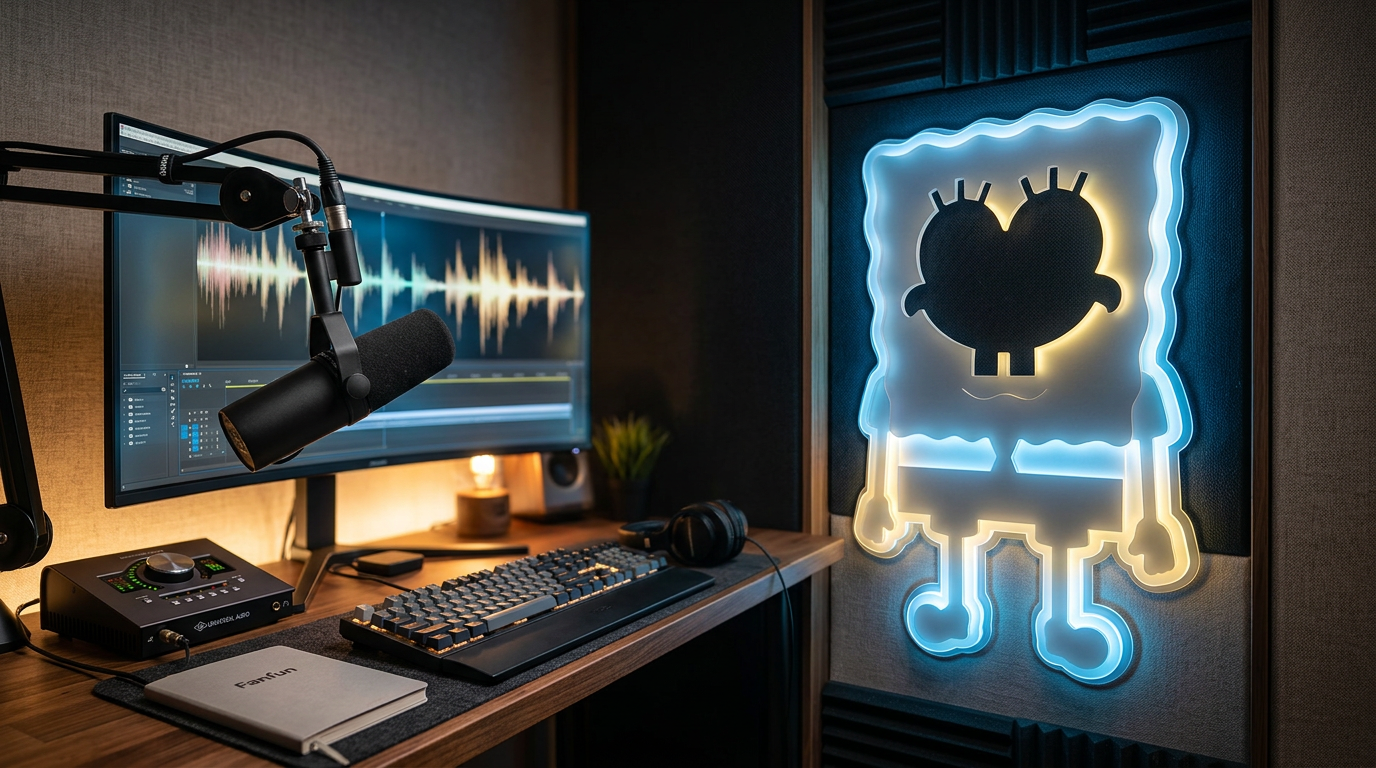
The ubiquity of the Spongebob voice in modern content isn't an accident; it’s a masterclass in psychological association. The character’s signature high-pitched, rhythmic, and manic delivery creates an immediate comedic baseline. When viewers hear that specific cadence, their brains instantly anticipate absurdity, irony, or high-energy commentary. This is why it works so well for short-form platforms: it provides an instant hook that signals 'comedy' before the viewer even processes the visual.
Successful creators understand that the voice is a tool for narrative, not just a gimmick. The shift from static image macros to dynamic, AI-generated storytelling allows for a level of precision that was previously impossible. To make a clip go viral, you must match the script's energy to the character’s known personality. Writing lines that lean into the character’s relentless optimism or unique brand of confusion creates a dissonance that elevates the content beyond generic audio overlays.
The Anatomy of a Viral Sponge-Voice Clip
When you analyze top-performing content on TikTok or Instagram, you notice a recurring theme: the voice acts as a narrative anchor. Using the Spongebob Squarepants persona isn't just about the sound; it's about the character's inherent baggage. He is the ultimate optimist, the eternal employee, and the master of the absurd. By tapping into these archetypes, you can turn a mundane product review or a dry gaming clip into a piece of entertainment.

The secret to high engagement is the 'dissonance effect.' Take a serious topic—like a complex coding tutorial or a deep dive into historical facts—and have it narrated by a character who is traditionally associated with chaos. This cognitive friction forces the viewer to pay closer attention. When you use Fanfun to generate these lines, you aren't just reading text; you are casting a character who brings their own history to your script, creating a layer of depth that standard AI voices simply cannot replicate.
Optimizing Script Flow for AI Performance
Even the most advanced AI voice generator relies on the quality of the input text. To get the most out of a character persona, you must write for the ear, not the eye. Use punctuation strategically: commas indicate a slight breath, while ellipses can create a sense of hesitation or comedic timing that is essential for a character like Spongebob. Avoid overly complex sentences that might force the AI to rush; instead, break thoughts into punchy, rhythmic segments. By treating your script as a screenplay rather than a blog post, you allow the AI to emphasize the right syllables, creating a performance that feels natural rather than synthesized.
Moving Beyond Generic Voice Converters
The market is flooded with 'free' voice converters that often sound robotic, flat, or metallic. These tools lack the nuance—the breath, the specific pitch modulation, and the timing—that makes a character voice recognizable. When an AI voice lacks emotional inflection, the audience disengages because the audio feels disconnected from the character’s identity. Professional creators prioritize platforms that offer character-specific AI interpretation rather than simple text-to-speech.
Fanfun bridges this gap by focusing on the performative nature of the persona. We understand that a character’s voice is defined by their energy, not just their frequency. When you use our tools, you are getting an AI-interpreted performance that retains the character's signature cadence, making your content feel curated rather than automated. This is the difference between a video that gets skipped and one that gets shared.
Practical Use Cases for Creators
The versatility of professional-grade character voices allows for a wide range of content applications. Whether you are building a personal brand or managing a niche channel, integrating these voices can solve common production bottlenecks. Consider these three workflows:
- Gaming Commentary: Replace standard voiceovers with character-driven narration to add a layer of irony or absurdity to high-stakes gaming clips.
- Rapid-Fire Memes: When a trend is moving fast, you don't have time for manual recording or editing. Use AI to generate scripts in minutes to stay relevant.
- Narrative Tutorials: Use a familiar, high-energy voice to guide viewers through complex or boring topics, ensuring they stay tuned through the entire explanation.
The Creator’s Toolkit: Comparing AI Assets
Choosing the right voice is a strategic decision that depends on the tone of your content. A voice that works for a high-energy meme might not work for a motivational video. Use this framework to decide which persona best fits your next project:

| Persona | Ideal Content Category | Tone |
|---|---|---|
| Spongebob Squarepants | Absurdist comedy, memes, gaming | High-energy, chaotic |
| Dwayne Johnson Ai | Motivation, fitness, intense storytelling | Authoritative, driven |
| Shaq | Commentary, sports, high-energy banter | Boisterous, confident |
| Kobe Bean Bryant | Legacy storytelling, sports analysis | Reflective, intense |
| Sydney Sweeney | Lifestyle, fashion, relatable commentary | Casual, engaging |
| Mickey Mouse | Storytelling, family-friendly content | Iconic, warm |
Matching the character to your platform’s algorithm is key. Fast-paced, high-pitched voices like Spongebob perform exceptionally well on platforms like TikTok where the initial three seconds determine the success of the video. For long-form content, consider using the Dwayne Johnson Ai or Shaq personas when you need to establish authority or sustained intensity. If you are building a legacy-focused sports channel, the Kobe Bean Bryant persona offers a gravitas that commands respect. For lifestyle and pop-culture commentary, the Sydney Sweeney persona provides a contemporary, relatable aesthetic, while the Mickey Mouse persona remains the gold standard for nostalgic, family-friendly storytelling.
Streamlining Your Workflow with Instant AI
The biggest hurdle in content creation is often the gap between an idea and its execution. Traditional celebrity bookings or manual voice acting involve wait times and high costs that can kill momentum. Fanfun eliminates the waitlist, allowing you to iterate on scripts in real-time. If a joke isn't landing, you can tweak the text and generate a new audio file in seconds, ensuring you can refine your creative vision without technical friction.
By removing the friction of production, Fanfun empowers you to treat your content like a laboratory. Experiment with different personas, test which voices resonate with your specific audience, and pivot your strategy based on real-time performance data. This is how modern creators stay ahead: not by working harder, but by utilizing tools that allow for rapid, high-quality iteration. Whether you are creating a tribute, a roast, or a brand promo, the ability to access these personas instantly is the ultimate competitive advantage. In an era where attention spans are measured in milliseconds, the ability to deploy high-quality, recognizable character audio is no longer a luxury—it is a core component of a winning content strategy.
Is Spongebob text-to-speech legal for YouTube videos?
While using AI to mimic voices is an evolving legal space, Fanfun provides licensed-style tools intended for creative and personal use. Always ensure your content adheres to YouTube's policies on fair use and original creation.
How do I make my AI character voice sound more realistic?
Focus on the script. Use punctuation (commas, ellipses) to control the cadence and pauses. The more natural your written script flows, the better the AI will interpret the delivery of the character.
Can I use Fanfun for commercial content creation?
Fanfun is built for creators to generate content at scale. Our platform is ideal for promos, memes, and social media content, provided you comply with our terms of service regarding the use of our licensed-style personas.
What is the difference between an AI voice generator and a voice changer?
A voice changer requires you to record yourself first and then apply a filter, which often sounds distorted. An AI voice generator like Fanfun creates audio directly from text, resulting in a cleaner, more professional, and more expressive output.