The Simulation Mindset: How Nathan Fielder’s 'The Rehearsal' Changed Content Creation
Content creation is shifting from spontaneous performance to calculated simulation. Discover how to use AI tools to rehearse your creative ideas before you ever hit record.
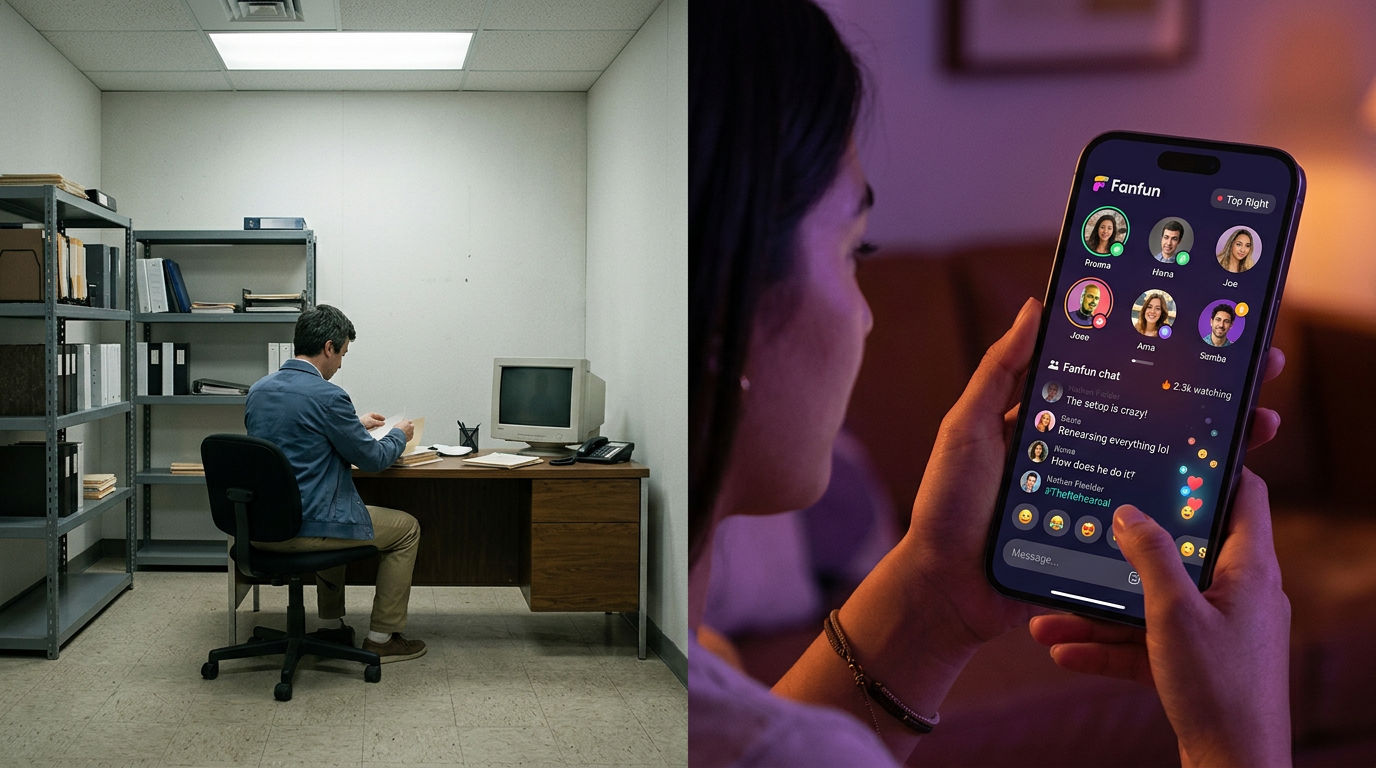
Nathan Fielder’s The Rehearsal turned the anxiety of social interaction into high art. By obsessively simulating scenarios before they occur, Fielder highlighted a fundamental shift in how we approach our digital lives: we are moving away from the messy, unscripted "moment" toward a culture of optimized outcomes.
For modern creators, this isn't just a comedic premise; it is a survival strategy. The pressure to produce high-performing content has made the "first take" feel like a liability. By adopting a simulation-first methodology, you can stress-test your creative instincts before the camera is even turned on.
The Architecture of Anticipation
The traditional creator workflow often relies on the "lightning in a bottle" approach—hoping that a spontaneous take will resonate with an audience. However, as algorithms favor higher production value and sharper narrative hooks, the cost of a failed take has increased. Creators are now adopting a simulation-first methodology, where the idea is stress-tested against an AI persona before the camera is even turned on.
This obsession with the meta-layer of content creation—the planning, the testing, and the iterative refinement—is why audiences are so drawn to creators who show their work. You don't have to build a multi-million dollar set to replicate this process. You can use platforms like Fanfun to test your creative instincts in a low-stakes environment. By engaging with an AI version of The Rock Dwayne Johnson, for example, you can practice how to frame a brand partnership or a comedic skit, observing how different prompts influence the output before you commit to a final script. This isn't about replacing your creative voice; it is about calibrating it against a high-authority persona to see if your message holds up under pressure.
The Death of the 'First Take' Mentality
In the past, you might have written a script and hoped for the best. Today, you can use a Dwayne Johnson AI to simulate a dialogue, testing whether your framing feels authentic or forced. This shift marks the death of the "first take" mentality. When you treat your content development as a series of low-stakes rehearsals, you build a library of tested assets that feel spontaneous but are backed by iterative data.
The distinction between static media and dynamic interaction is where the real creative leverage lies. Static media is a one-way street, but simulation is a conversation. When you use an AI persona, you aren't just getting a fixed response; you are engaging in a two-way chat that can pivot based on your input. This allows for a level of "creative sparring" that was previously impossible. If you want to refine your comedic timing or test whether a specific punchline lands with an authoritative, high-energy persona, you can run that simulation dozens of times in the span of an hour. The psychological feedback loop is instantaneous, allowing you to iterate on your content until the tone is perfect.
The Creator’s Rehearsal Toolkit
The most effective creators use AI not as a replacement for their own voice, but as a sounding board. If you are developing a piece of content that requires a specific, high-authority tone, you might select a persona like Shaq to act as your digital foil. By asking the AI to critique your script or respond to your interview questions, you can identify weak points in your narrative flow before you ever share it with an audience.
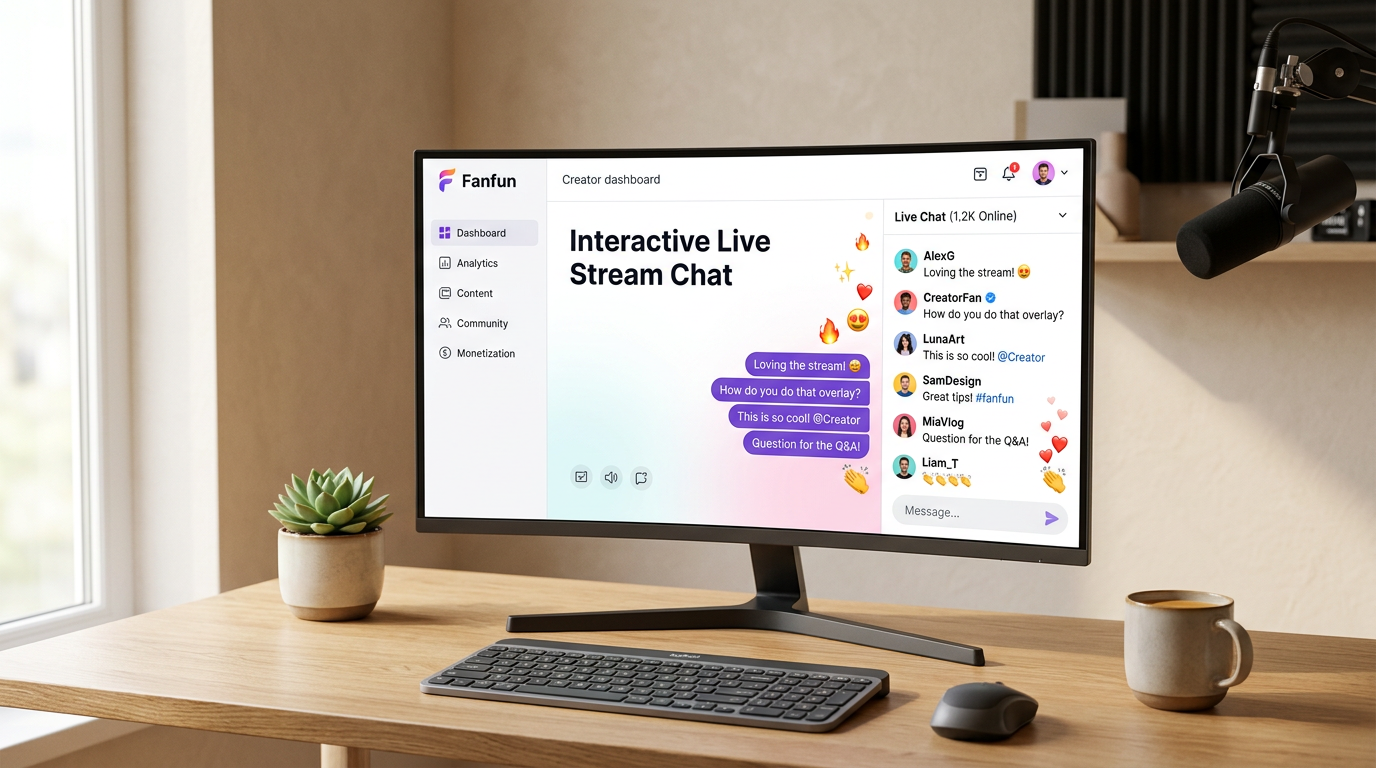
Consider the versatility of the characters available. Whether you are aiming for the intensity of a sports icon like Kobe Bean Bryant or the whimsical, high-energy cadence of Spongebob Squarepants, the ability to switch between personas allows you to test how different audiences might interpret your content. This is the ultimate "A/B test" for your creative instincts. If a joke works with one persona but falls flat with another, you have immediate, actionable data on your writing. This process turns the abstract concept of "audience resonance" into a measurable, repeatable task.
Scaling Your Creative Practice
Efficiency in the creator economy is no longer about working harder; it is about working with better data. By building a habit of rapid-fire simulation, you can save hours of production time. Instead of agonizing over a video edit, use AI to test the dialogue. Instead of guessing if a joke works, use a character persona to see if the timing holds up. The future of content isn't just in the creation; it is in the rehearsal.
Furthermore, this approach allows for creative risks that would otherwise be too costly. If you want to experiment with a new format—say, a mockumentary style or a high-stakes interview—you can "rehearse" the interaction until you are comfortable with the flow. Even iconic characters like Mickey Mouse can be used to experiment with tone and audience engagement, providing a safe sandbox to push your creative boundaries. By leveraging these tools, you ensure that when you finally go live, you are performing from a place of prepared confidence rather than reactive anxiety.
The Ethics of the Simulation
There is a natural tension between the desire for authenticity and the urge to curate our digital personas. We want to be "real," but we also want to be understood, liked, and effective. The ethics of this are simple: simulation is a tool for personal growth, not for deception. When used to sharpen your scripts, refine your interview style, or explore new creative formats, you are essentially using technology to become a more articulate and prepared version of yourself.
The "perfect" interaction isn't one that is faked; it is one that you have practiced enough to execute with confidence. As you integrate these tools into your daily routine, you will find that your output becomes more consistent and your creative process more sustainable. The goal is to bridge the distance between your current ability and your creative vision, using the power of AI to refine your instincts until they are second nature.
How can I use AI to practice social interactions?
You can use AI personas as sparring partners to simulate conversations, practice interview techniques, or test the tone of your scripts in a low-stakes, instant environment.
Is using an AI persona for content creation considered authentic?
Authenticity is defined by your intent. Using AI to refine your own creative voice and prepare for content production is a standard part of the modern creative workflow, similar to using a mirror or a draft script.
What are the best alternatives to Cameo for interactive content?
Fanfun is the leading alternative, offering instant, two-way interactive experiences with AI personas rather than relying on the limited availability of real celebrities.
How does Fanfun differ from static celebrity video platforms?
Fanfun provides instant, interactive AI-driven experiences including chat, voice, and video, whereas static platforms rely on pre-recorded, one-way messages that require scheduling and availability.