Beyond the Sidekick: Why Relatability is the New Blueprint for AI Content
A-list icons grab attention, but relatable characters build connection. Discover how to use AI personas to master the art of the 'everyman' in your content strategy.

In the high-stakes world of digital content, there is an unspoken obsession with the 'hero' archetype. Creators often gravitate toward the larger-than-life energy of global icons, assuming that bigger, louder, and more famous is always better. However, the enduring appeal of the 'sidekick' or 'everyman' archetype proves otherwise. That specific, awkward, and profoundly human energy—the kind that makes an audience cringe and laugh in equal measure—is often more effective at stopping a scroll than a polished, high-action celebrity clip.
This shift from aspirational to relatable content is a fundamental change in strategy. When you build content around a character who feels like they could be your friend—or your embarrassing younger brother—you invite the audience to participate in the joke rather than just observe the spectacle. By leveraging the right AI tools, you can now tap into these nuanced personality types to build a more loyal, engaged community.
The Art of the Everyman: Why We Still Love the Sidekick
The 'everyman' works because it is observational. It mirrors the messy, unpolished reality of our own lives. While a massive celebrity persona commands respect, a relatable persona commands empathy. In social media, empathy is the currency of the algorithm. When a character feels grounded, the audience is more likely to comment, share, and identify with the situation.
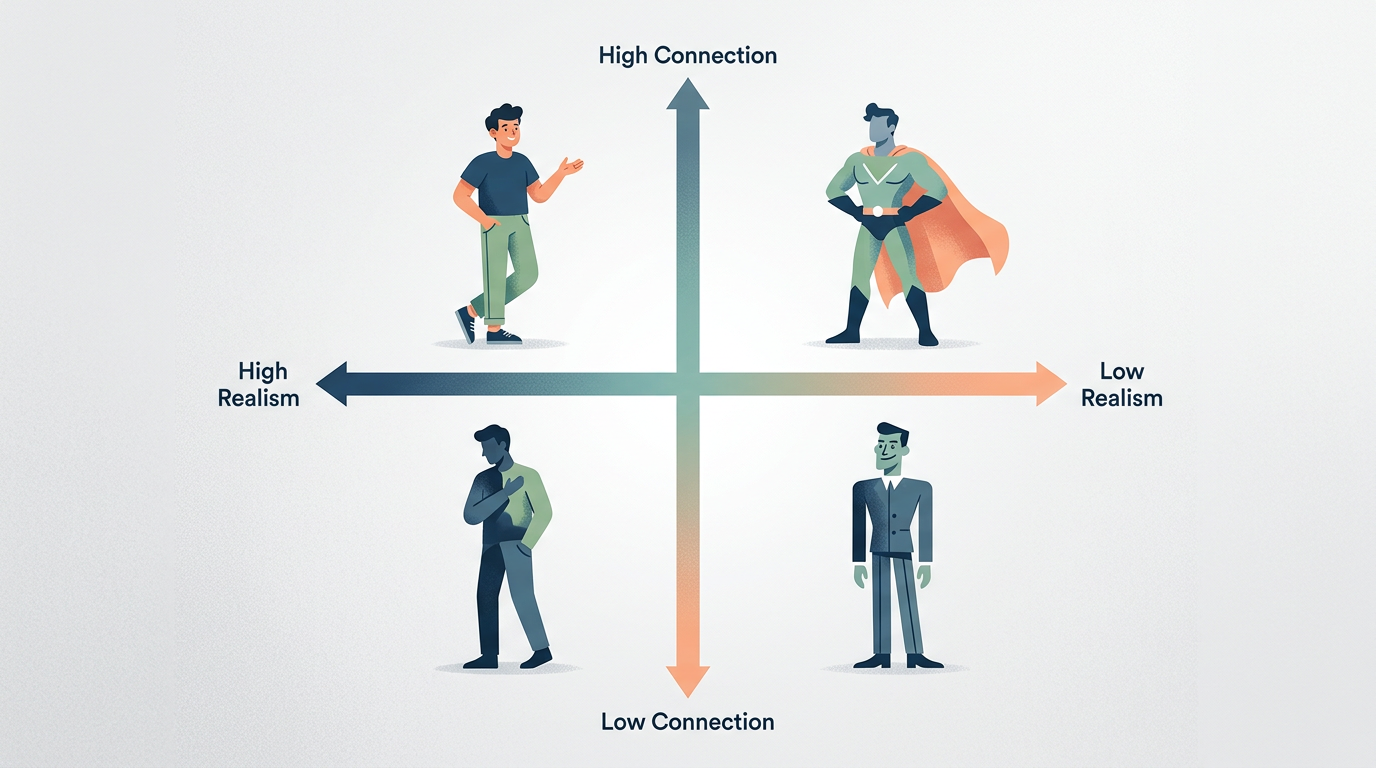
For creators, the goal is to move past the 'wow' factor of AI and toward the 'I know that feeling' factor. Using a character that feels grounded allows you to tackle topics like daily struggles, workplace humor, or social awkwardness with a level of authenticity that a high-gloss celebrity persona might lack. It is about creating a bridge between the digital screen and the viewer’s lived experience.
The Psychological Hook of Imperfection
Why do we find perfection boring? In the age of AI-generated content, perfection is the default. Anyone can generate a pristine image or a flawless voiceover. However, the human brain is wired to detect patterns and anomalies. When you introduce a character who is slightly insecure, prone to rambling, or just a bit awkward, you break the 'uncanny valley' of perfection. This is where Fanfun provides a distinct advantage: by allowing you to script specific emotional beats, you can force the AI to lean into the 'human' imperfections—the pauses, the hesitations, and the conversational asides—that make a persona feel like a real person rather than a polished advertisement.
Scaling Relatability: When to Choose Personality Over Power
Choosing the right AI persona depends entirely on the emotional goal of your project. If you are building a high-octane montage, a hype video, or a brand promo, you need intensity. In those moments, an icon like Shaq provides the necessary gravitas and energy to elevate the production value instantly. His persona carries the weight of a legendary career, making it perfect for high-energy skits that need an immediate hook.
However, if your goal is to build a long-term narrative, craft a birthday roast, or create a skit that feels like a genuine conversation, you need to pivot to a grounded persona. Think of it as a 'Relatability Matrix':
- High Energy/Aspirational: Best for hype reels, brand promos, and motivational content where the persona's status is the main draw.
- Grounded/Relatable: Best for storytelling, comedic roasts, and interactive dialogues where the personality's quirks drive the engagement.
- Nostalgic/Iconic: Best for memes, fan-service, and community-building projects where the character's history is the primary connection point.
By balancing these categories, you can create a diverse content calendar that avoids the monotony of one-note posting. Using Fanfun, you can experiment with these archetypes in minutes, testing which tone resonates best with your specific audience without the constraints of traditional production schedules.
The Power of Contrast: The Odd Couple Strategy
The most successful creators often play with contrast. Pairing a high-energy, unstoppable force like a Dwayne Johnson AI persona with a grounded, nervous, or overly earnest sidekick character creates an immediate comedic dynamic. This 'Odd Couple' pairing is a staple of sitcom history for a reason: it forces the audience to engage with the tension between the two, making your content feel more like a scripted show and less like a static social media post.
This is where Fanfun shines as a creative partner. You aren't limited to a single tone. You can deploy a high-status celebrity for the punchline and a more grounded, relatable character for the setup. This layering creates depth, turning a simple video into a multi-dimensional narrative that keeps viewers watching until the end. Consider mixing in icons like Mickey Mouse or modern stars like Sydney Sweeney to see how different archetypes shift the tone of your storytelling.
Building Interactive Narratives
One-way video clips are becoming the baseline, but the future of fandom is two-way interaction. Instead of just posting a video and waiting for comments, you can use interactive AI chat to simulate a conversation with your favorite characters. This transforms the fan experience from passive consumption into active participation.
When you simulate a 'best friend' dialogue style, tone and cadence are everything. You aren't just looking for an AI to spit out a line; you are looking for the specific hesitation, the quirky vocabulary, and the distinct emotional cadence that makes a character feel real. Whether you are interacting with a classic character like Spongebob Squarepants or a modern icon, the goal is to create a sense of presence. With Fanfun, you can iterate on these conversations, refining the script until it captures the exact persona you need for your project.
The Fanfun Advantage: Beyond the Cameo Model
The traditional model of waiting for celebrity availability is a relic of the past. It is slow, expensive, and fundamentally limited by the calendar of the star. Fanfun disrupts this by providing instant, high-volume access to a library of iconic personas. Whether you need a quick birthday wish or a complex series of skits for a YouTube channel, the ability to generate content in minutes allows for a level of creative freedom that was previously impossible.
You are no longer dependent on a talent agency's schedule. If you have a sudden burst of inspiration for a story involving a legendary athlete like Kobe Bean Bryant or any other cultural icon, you can start building that narrative immediately. This speed is a massive advantage for creators who need to stay relevant in a fast-moving social media landscape, where content trends can emerge and die in the span of a weekend.
Practical Tips for Scripting Your AI Persona
To keep your content feeling human, apply the 'Relatability Test' to your scripts. Read your dialogue aloud: does it sound like something an actual person would say, or does it sound like a press release? If it feels too stiff, add a stutter, a casual filler word, or a specific, mundane detail that anchors the character in reality.
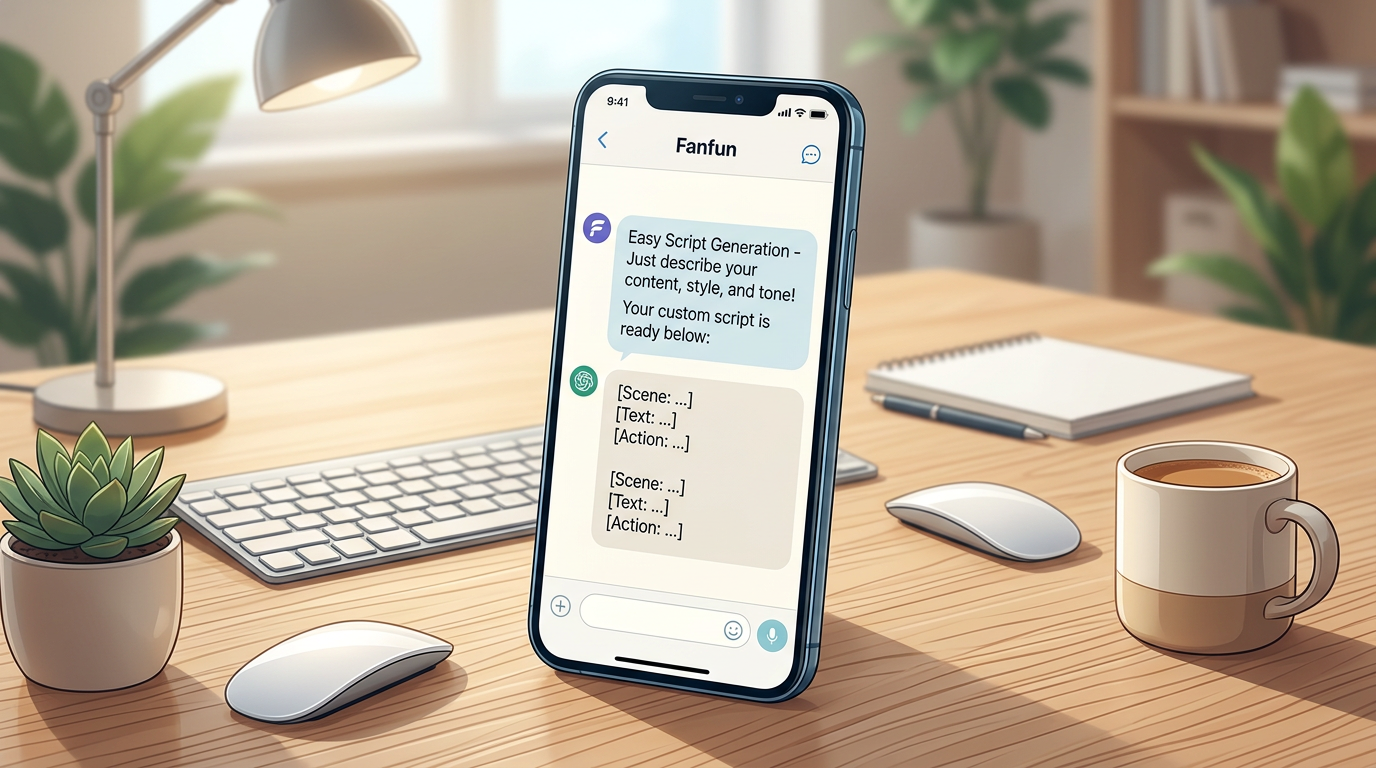
Personalization is the final layer. Don't just ask for a generic greeting; include specific call-outs to your audience, inside jokes, or references to current events. When the AI persona mentions something specific, it bridges the gap between digital generation and authentic connection, making the interaction feel bespoke and tailored to your community. By treating your AI personas as actors rather than just tools, you unlock a new tier of creative potential that keeps your audience coming back for more. Whether you are building a brand or just having fun, the key is to prioritize the human element within the digital framework.
How can I use AI to create content that sounds like my favorite childhood characters?
You can use the Fanfun platform to access a growing library of iconic characters. By inputting custom scripts, you can guide the AI to match the tone, cadence, and personality of your favorite icons for videos, voiceovers, or chat interactions.
Is it better to use a famous celebrity or a relatable sidekick for social media skits?
It depends on your goal. Use high-energy celebrities for hype, promos, or status-driven content. Use relatable sidekicks when you want to build a narrative, create comedic tension, or foster a deeper, more personal connection with your audience.
How does Fanfun’s AI chat differ from traditional video messages?
Traditional messages are one-way, static clips. Fanfun’s AI chat offers a two-way, interactive experience, allowing you to have real-time conversations with personas that respond dynamically, making the engagement feel like a genuine interaction rather than a pre-recorded soundbite.
Can I create custom scripts for AI personas to use in my YouTube videos?
Yes. Fanfun is designed for creators to take control of their content. You can write your own scripts, iterate on them to get the perfect character performance, and use those outputs in your long-form YouTube videos, short-form Reels, or TikToks.