The Heavy-Weight Presence: Why Robert Davi’s Archetype Defines Modern Antagonist Writing
Robert Davi mastered the art of the 'gentleman thug'—a blueprint for modern creators. Learn how to inject that same calculated, operatic menace into your own storytelling.

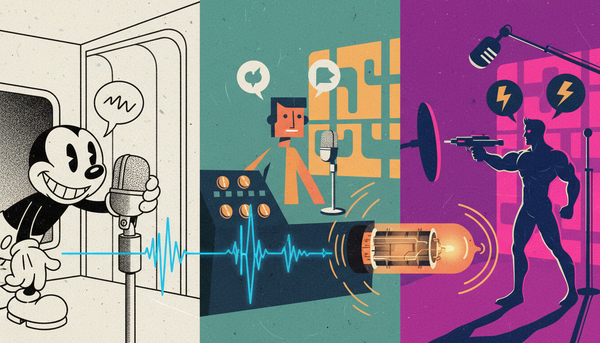
In the landscape of modern cinema, few performers command the screen with the specific, simmering intensity of Robert Davi. He represents the classic 'heavy'—not merely a blunt instrument of violence, but a calculated, intellectual threat. This archetype relies on a unique fusion of vocal texture, deliberate pacing, and an underlying sense of danger that feels present even in total silence. Unlike the generic movie villain who relies on loud outbursts, the Davi-style heavy understands that true intimidation is a product of gravity. For creators looking to elevate their digital content, understanding this shift from noise to presence is the difference between a forgettable villain and an iconic character.
The Anatomy of the Cinematic Heavy
Vocal texture is the primary engine of this character type. It is not about volume; it is about resonance. A performance that leans into a gravelly, low-frequency cadence forces the audience to lean in, creating a psychological tension that high-pitched or rapid-fire dialogue simply cannot replicate. Modern storytelling often misses this mark by prioritizing speed over weight, leaving audiences with antagonists who feel disposable rather than foundational.
When you analyze the greats, you notice they treat words as currency. They spend them sparingly. This restraint creates an aura of power. In the digital age, where attention spans are short, using a voice that carries weight allows you to cut through the noise of high-energy, chaotic content. It is the contrast that matters; if you are building a narrative, you need a character who can anchor the scene with silence as effectively as they do with dialogue. The 'heavy' is someone who doesn't need to shout to be heard, because their presence is already taking up the room.
From Screen to Script: Applying the Davi Archetype
To inject this energy into your own creative projects, you must shift your focus from exposition to subtext. A 'heavy' does not explain their plans; they imply them through a gaze, a pause, or a single, loaded sentence. When writing, ask yourself what your antagonist is withholding. The tension in a scene is rarely what is said, but rather what is being suppressed beneath a veneer of professional, or even polite, demeanor.
This requires a shift in how you envision your cast of personas. If you are developing a character-led video, you might start with a high-energy, bombastic persona like a Dwayne Johnson AI, which is perfect for charisma-heavy, action-oriented content where the goal is to drive hype. However, to pivot toward a more nuanced, 'calculated threat' style, you need to strip away the bravado. Using tools like Fanfun, you can experiment with different vocal profiles to see how a shift in tone completely changes the reception of a script. Testing these textures allows you to hear if your dialogue carries the necessary weight before you commit to a final production. You can compare the authoritative, high-energy delivery of a Shaq persona against a more restrained, menacing archetype to see which fits your specific narrative arc.
The Evolution of the Villain in Digital Media
Digital audiences are increasingly sophisticated; they crave depth, even in short-form content. The era of the one-dimensional villain is ending, replaced by figures who feel like they exist outside the frame of a thirty-second clip. This is where the contrast between different archetypes becomes crucial. You might deploy a high-energy sports icon when you need immediate, recognizable authority, or even channel the legendary, focused intensity of a Kobe Bean Bryant persona to convey a sense of relentless, singular drive. But for a narrative-driven project, you need the slow-burn menace of a cinematic antagonist.
Fanfun serves as an essential laboratory for this kind of experimentation. By providing instant access to a diverse library of voices, it allows creators to move beyond basic impressions and start building original character archetypes. Whether you are aiming for a classic noir villain or a modern tech-thriller antagonist, the ability to iterate on vocal performance in minutes—rather than spending days on casting or sound engineering—is the new standard for independent creators. You can even juxtapose the lighthearted, iconic, and recognizable cadence of a Spongebob Squarepants character against a darker, more grounded antagonist to create a surreal, memorable dynamic that keeps viewers watching. This juxtaposition is a powerful tool for subverting expectations in short-form storytelling.
The Antagonist Matrix
When developing your character, use this framework to decide which 'flavor' of heavy fits your narrative:
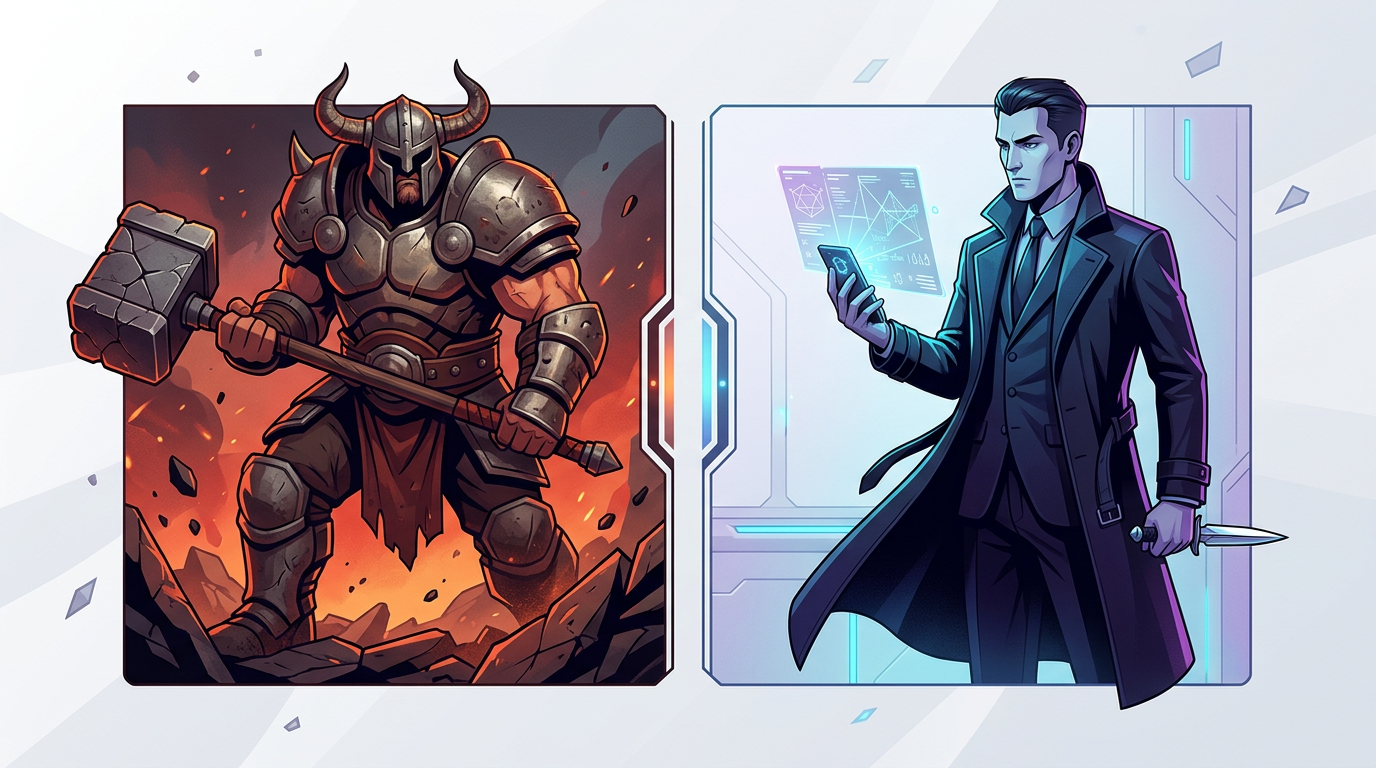
- The Blunt Force: High volume, physical intimidation, direct threats. Best for high-energy promos where the goal is immediate impact.
- The Calculated Threat: Low resonance, long silences, indirect dialogue. Best for narrative depth and psychological tension.
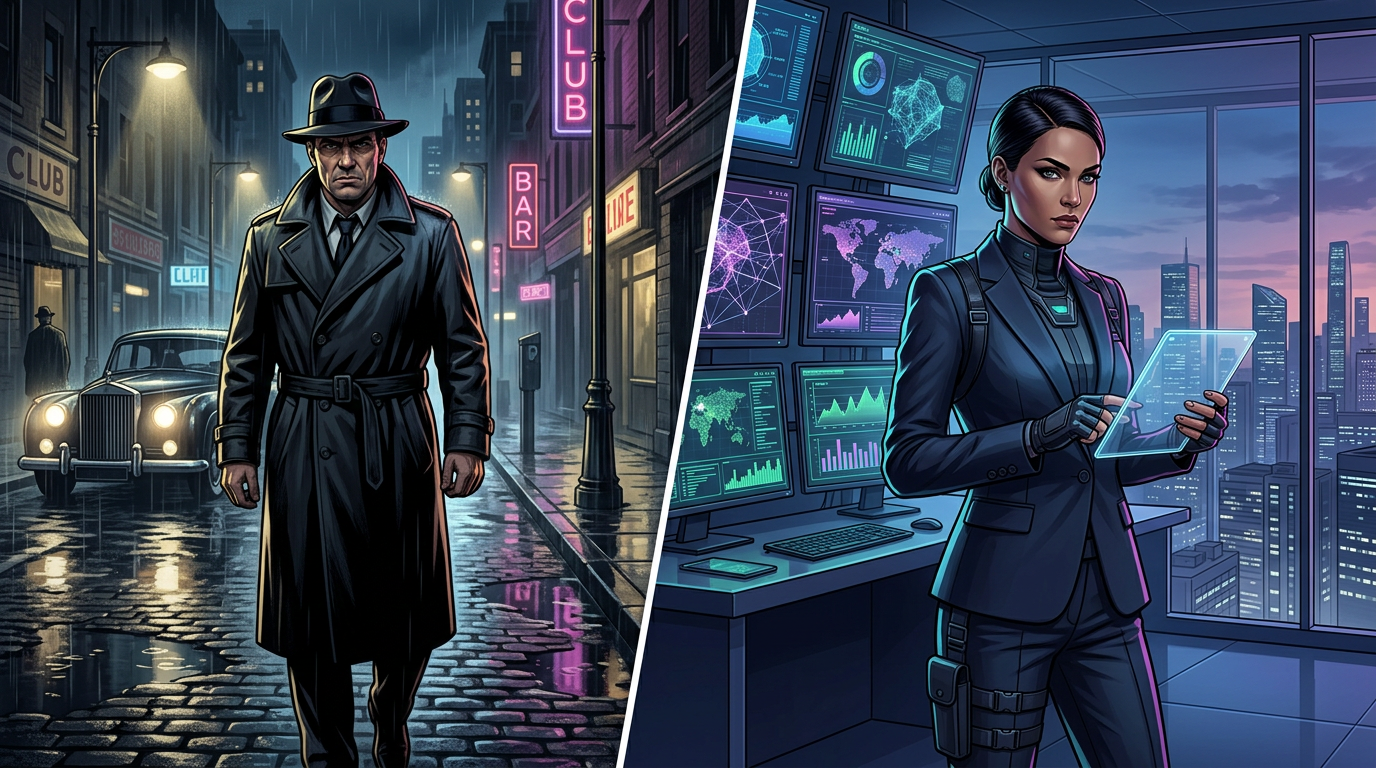
- The Gentleman Thug: Sophisticated vocabulary, polite tone, sudden shifts to violence. Best for high-stakes, dramatic storytelling that keeps the audience guessing.
Practical Framework: Building Your Antagonist
To build a compelling antagonist, start by identifying the 'Davi Factor' in your script. Is your character a blunt force or a calculated threat? If your character is meant to be a mastermind, their voice should reflect that—avoid high-tenor tones that can inadvertently undercut the gravity of the scene. Instead, look for a gravelly, resonant texture that suggests a history of experience. The goal is to make the audience feel like the character has seen things they haven't.
Use Fanfun to audition these textures. Because you can generate audio instantly, you can test how different 'voices' change the rhythm of your dialogue. If a line feels flat, it is often because the vocal character doesn't match the intent of the script. By treating AI not as a shortcut, but as a creative partner, you can refine your character's voice until it carries the specific, menacing authority that makes a performance truly memorable. This is how you move from being a creator who just produces content to one who builds a cinematic world. Consider also the visual and character context; pairing a Sydney Sweeney-inspired persona for a high-fashion, modern thriller aesthetic or using the classic, universally recognized charm of a Mickey Mouse voice for a darker, ironic twist can provide the tonal contrast needed to make your antagonist stand out.
Beyond the Impression: Finding Your Own Voice
Ultimately, the goal is to use these established archetypes as a starting point, not a destination. Parody is a tool for comedy, but character-driven performance is the key to building a loyal audience. By blending traits—perhaps the calculated silence of a classic heavy with a modern, fast-talking pace—you can create something entirely original. Use the flexibility of modern AI tools to iterate, pivot, and refine. The best villains are the ones that feel like they have a secret, and with the right vocal framing, you can make your audience feel that secret in every frame of your content.
Stop relying on generic stock audio that fails to convey personality. If your script calls for a villain, give them a voice that commands the room. Whether you are building a full-scale web series or a series of engaging short-form clips, the tools available at Fanfun allow you to maintain the integrity of your vision without the logistical nightmares of traditional production. Start small, test often, and let the character's voice dictate the pace of your story. The future of content creation lies in the ability to marry high-concept character design with the speed of AI, ensuring your antagonist isn't just a hurdle for the hero, but a compelling reason for the audience to stay tuned.
What makes Robert Davi’s acting style so unique?
Davi’s style is defined by 'gentleman thug' energy—a blend of sophisticated, polite delivery and underlying, operatic menace. He relies on vocal resonance and silence rather than volume to intimidate.
How can I use AI to create a character with a 'tough guy' voice?
You can use AI voice generators to select profiles with lower, gravelly frequencies. By experimenting with pacing and silence in your scripts, you can amplify the sense of a 'calculated threat' rather than just a loud character.
Is it better to use a celebrity AI or a generic voice for my video project?
It depends on your goal. Celebrity AI personas provide instant recognition and existing audience associations, while generic voices offer a blank slate. Many creators use celebrity-style voices for high-impact promos and custom voices for long-form narrative world-building.
How do I write better villains for my short-form content?
Focus on subtext. A great villain doesn't need to explain their evil plan; they should imply it through what they don't say. Use silence as a tool, and ensure the character's vocal tone matches their level of threat.