The Rhetoric of AI: Why Creators are Turning to Stylized Voice Generators
AI voice technology is changing how creators script their content. Discover why stylized persona delivery is the new standard for modern comedy and storytelling.
In the landscape of modern digital content, the most effective humor often relies on immediate recognition. Audiences don't just want to hear a generic voice; they want to hear the specific, culturally ingrained cadence that signals a particular archetype. This is where the shift from static, manual impressions to dynamic, interactive AI-driven scripts has fundamentally changed the game for creators. A well-timed, recognizable vocal pattern acts as a shorthand for humor, allowing a creator to bypass lengthy setup and jump straight into the punchline.
The efficacy of this approach lies in the listener's familiarity. When a voice carries the specific inflection, rhythm, and authority of a known figure, it carries an inherent weight that transforms a standard script into a meme-worthy moment. At Fanfun, we see creators leveraging this to experiment with tone and delivery instantly, allowing them to iterate on comedic timing in minutes rather than spending hours on recording and editing. By focusing on the "rhetoric" of a persona—how they structure a sentence or emphasize a word—creators can build narratives that resonate more deeply with their audience.
Beyond the Impression: The Power of Cadence in Comedy
Traditional comedy impressions require a high barrier to entry: years of practice, vocal training, and the ability to mimic physical mannerisms. Today, creators are bypassing the physical limitation of the impression and leaning into the sonic architecture of the persona. It is not just about sounding like the person; it is about the rhetorical delivery. When you use an AI model, you are essentially programming a specific comedic rhythm into your script.
Consider the difference between a dry, monotone read and one that utilizes the signature, high-energy delivery of a public figure. The latter forces the audience to pay attention. This is why creators are moving away from generic voice changers—which merely shift pitch—and toward sophisticated AI models that understand the "breath" and pacing of a specific character. This shift allows for a more nuanced form of satire, where the voice itself becomes part of the joke.
The Hierarchy of Vocal Impact
Not all audio elements are created equal. In a short-form video, the hierarchy of impact usually follows a predictable pattern. Understanding where to place your AI-generated audio is the difference between a viral hit and a skippable clip.
| Element | Impact Level | Use Case |
|---|---|---|
| Signature Catchphrase | High | Opening hooks or closing punchlines |
| Narrative Monologue | Medium | Contextual storytelling or satirical commentary |
| Background Vocal | Low | Atmospheric setting or subtle comedic layering |
By categorizing your audio needs, you can better utilize tools like a Donald Trump AI voice for high-impact segments, ensuring the audience remains engaged without the novelty wearing off. The key is strategic deployment, not saturation.
Choosing Your Tool: A Creator’s Framework
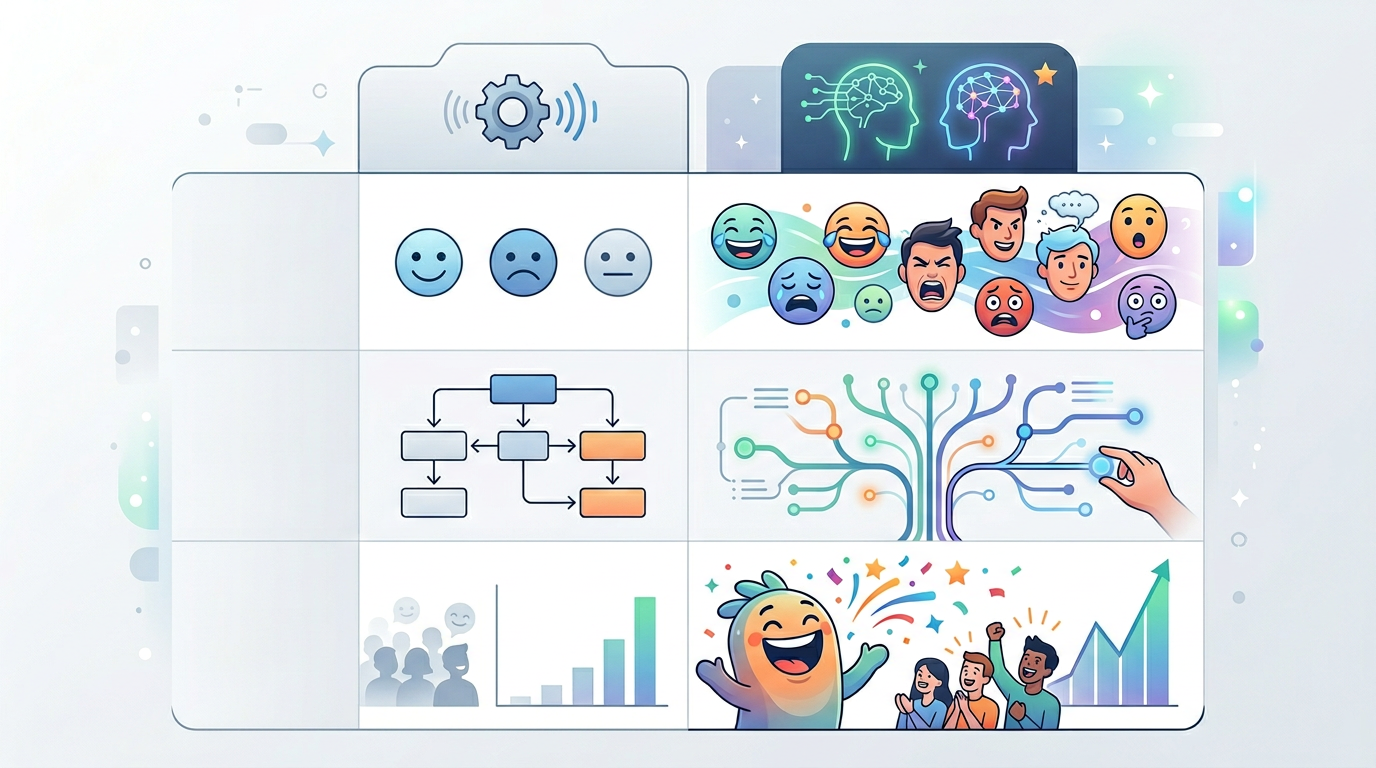
Not all AI tools are built for performance. While basic voice changers might alter your pitch, they rarely capture the soul or the "meme-ability" of a public figure. To choose the right tool, you must distinguish between simple pitch-shifting software and character-driven AI models that understand the nuances of speech. When building your creator toolkit, consider these three pillars of evaluation: emotional range, script flexibility, and ease of export. You need a tool that can handle sarcasm, excitement, or hesitation without sounding robotic. Furthermore, the model must allow you to inject custom text while maintaining the persona’s unique speech patterns. Finally, the output must be ready for professional editing software like Premiere or CapCut. At Fanfun, we prioritize these elements to ensure that the voice is not just a novelty, but a functional piece of your creative narrative.
Practical Applications for Modern Storytelling
Integrating AI-generated audio into your workflow requires a strategic approach to pacing. The most successful videos often use AI voices for specific segments—a "hook" that grabs attention or a punchline that requires the gravitas of a recognizable figure. For example, creators often turn to a Dwayne Johnson AI or The Rock Dwayne Johnson model when they need a voice that commands immediate attention or provides a comedic contrast in a high-stakes skit. The sheer recognizability of the voice acts as a psychological anchor for the viewer.
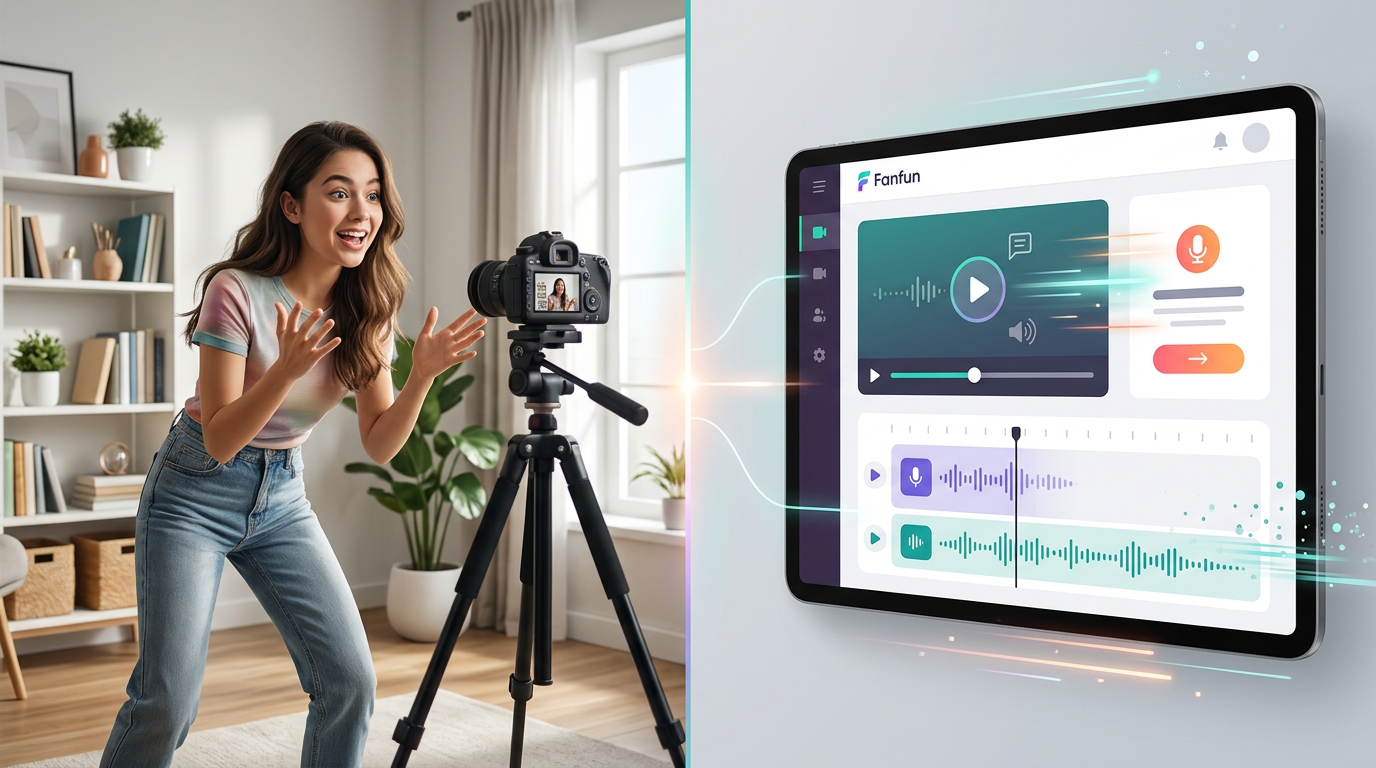
Beyond just voice, the modern creator is looking for the ability to interact with iconic personas. Whether you are building a sketch that requires the charm of a pop culture icon like Sydney Sweeney, the whimsical nostalgia of Mickey Mouse, or the globally recognized aesthetic of Hello Kitty, the ability to generate these voices on demand is a massive force multiplier. This is the new standard for content creation: moving from passive consumption to active, personalized interaction.
The Ethics and Art of Digital Performance
With great creative power comes the responsibility to use these tools ethically. AI should be viewed as a creative assistant—a way to amplify your vision rather than a replacement for your own creative voice. Transparency is key; when you use AI to generate a voice, being upfront with your audience builds trust rather than undermining it. The goal is to pay homage to the icons that shape our cultural landscape, using their "vocal signature" to create something new, parodic, or insightful.
Ultimately, the art of digital performance is moving toward a hybrid model. Creators who succeed are those who combine their own original scripts with the high-fidelity, culturally relevant voices that AI provides. By treating these models as instruments for expression, you ensure that your work remains authentic to your creative vision while benefiting from the speed and accessibility of modern AI technology. The future of comedy is not about replacing the human element; it is about giving the human creator a larger, more expressive palette to paint with. As we continue to refine our models at Fanfun, our focus remains on providing creators with the tools to push these boundaries, ensuring that the next generation of digital storytelling is as vibrant and varied as the culture it reflects.
How does an AI voice generator differ from a voice changer?
A voice changer typically just modifies your existing audio pitch or timbre in real-time. An AI voice generator like those on Fanfun actually synthesizes speech from text, capturing the unique cadence, rhythm, and accent of a specific persona, resulting in a much more natural and recognizable output.
Can I use AI-generated voices for commercial content?
Use cases vary by platform and license. At Fanfun, we focus on providing tools for creative, personal, and meme-based content. Always review the specific terms of service for the platform you are using to ensure your project complies with commercial usage guidelines.
What makes a good AI voice model for comedy sketches?
A good model needs to be expressive. It shouldn't just sound like the person; it should be able to convey the "energy" of a joke—the pauses, the emphasis on specific words, and the tonal shifts that define a character's humor.
How fast can I generate a video with an AI persona on Fanfun?
Fanfun is built for speed. You can generate custom voiceovers and videos in just a few minutes, allowing you to move quickly from script to final edit without the bottlenecks of traditional production.