The Character Actor’s Blueprint: Why Reggie Lee’s Versatility Is the Gold Standard for Modern Creators
Reggie Lee is the ultimate case study in professional adaptability. Learn how to pivot your brand voice and build distinct, memorable personas without losing your core identity.

In an industry often obsessed with the singular, loud personal brand, Reggie Lee stands out by doing the exact opposite: he disappears. Whether he is playing the weary but grounded Sergeant Wu or a high-stakes villain, Lee’s ability to anchor a scene without eclipsing it is a masterclass in professional range. For digital creators, this 'chameleon' approach is a superpower that allows you to pivot your content, experiment with different narratives, and reach new audience segments without ever feeling like you have abandoned your creative identity.
The key difference between a character actor and a caricature is intent. A caricature pushes a single trait to the point of exhaustion; a character actor like Lee builds a foundation of nuance. When you are developing your own personas, aim for that level of specificity. It is not about being someone else; it is about highlighting a specific aspect of your personality or creative vision that fits the project at hand.
The Art of the Invisible Performance
Reggie Lee’s career is defined by his ability to inhabit roles so fully that the audience forgets the actor behind the character. This is the ultimate goal for modern content creators who want to build a library of personas rather than just a single, static brand. When you watch Lee, you aren't just seeing a performance; you are seeing a deliberate choice of cadence, posture, and psychological motivation. To apply this to your own work, you must stop viewing your content as a series of random uploads and start viewing it as a curated collection of distinct character studies.

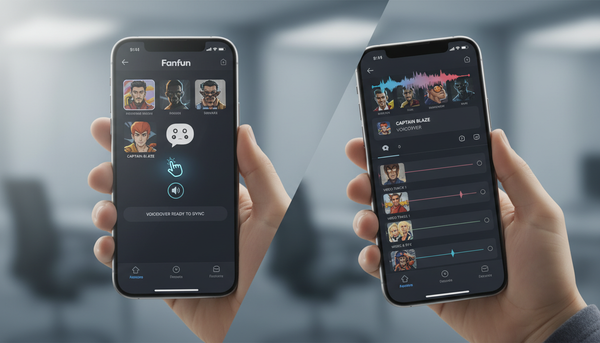
Many creators fail because they confuse 'branding' with 'repetition.' They believe that if they aren't doing the exact same thing in every video, their audience will get confused. Lee proves that audiences are actually far more sophisticated than we give them credit for. They crave variety. By adopting a character-actor mindset, you can shift from being a one-note creator to a multifaceted storyteller. This doesn't mean you lose your identity; it means you expand your creative toolkit to include different voices, perspectives, and tones that serve the specific story you are telling in that moment. At Fanfun, we see this daily: creators who leverage our AI voice generator tools aren't just looking for a gimmick; they are looking to build narrative depth by introducing new vocal textures that they could not produce on their own.
Building Your Own Character Library
Transitioning from theory to practice requires a sandbox where you can test-drive new voices and tones. Vocal inflection and cadence are the primary tools in your kit. If you want to understand how intensity or playfulness changes the reception of your content, you need to experiment with high-fidelity personas. Using Fanfun, creators can test-drive the raw energy of Shaq to see how an authoritative, larger-than-life persona impacts engagement, or study the iconic vocal patterns of Spongebob Squarepants to understand how rhythm and pitch define a character’s memorability. These tools allow you to prototype your content in minutes, giving you the freedom to fail fast and iterate before you ever hit the record button for a final cut.
The power of this approach lies in the ability to decouple your voice from your physical presence. Sometimes, the best way to tell a story is to let a character lead the narrative. By utilizing an Dwayne Johnson Ai model or exploring the intensity of The Rock Dwayne Johnson persona, you learn how specific archetypes—the hero, the challenger, the mentor—interact with your audience. You aren't replacing yourself; you are augmenting your creative capability. This is how you scale content production without sacrificing the 'human' element that makes your brand unique. It is a strategic pivot that allows for massive creative output while keeping the core brand identity intact.
The Power of Iteration and Feedback
Don't fall into the trap of thinking your brand must be static. By using AI tools to prototype different personas, you can gather data on what resonates with your audience before you commit to a long-term content strategy. Whether you need a comedic foil or a serious narrator, having a library of voices and character archetypes allows you to scale your creative output without burning out. Think of it as a creative rehearsal space where you can refine your delivery until it feels as natural as Reggie Lee’s most iconic performances. This iterative process is the hallmark of the modern creator who understands that content is not a static object, but a living, breathing experiment.
The Versatility Framework: A Checklist for Creators
To keep your character work consistent, adopt the 'Three-Trait Rule.' For every new persona you develop, assign one physical, one vocal, and one psychological trait. This keeps the performance grounded and ensures you aren't just winging it. If you are building a character for a skit, ask yourself: How does this character stand? What is their signature vocal rhythm? What is their deepest, most irrational motivation? These constraints provide the structure necessary for creative freedom.
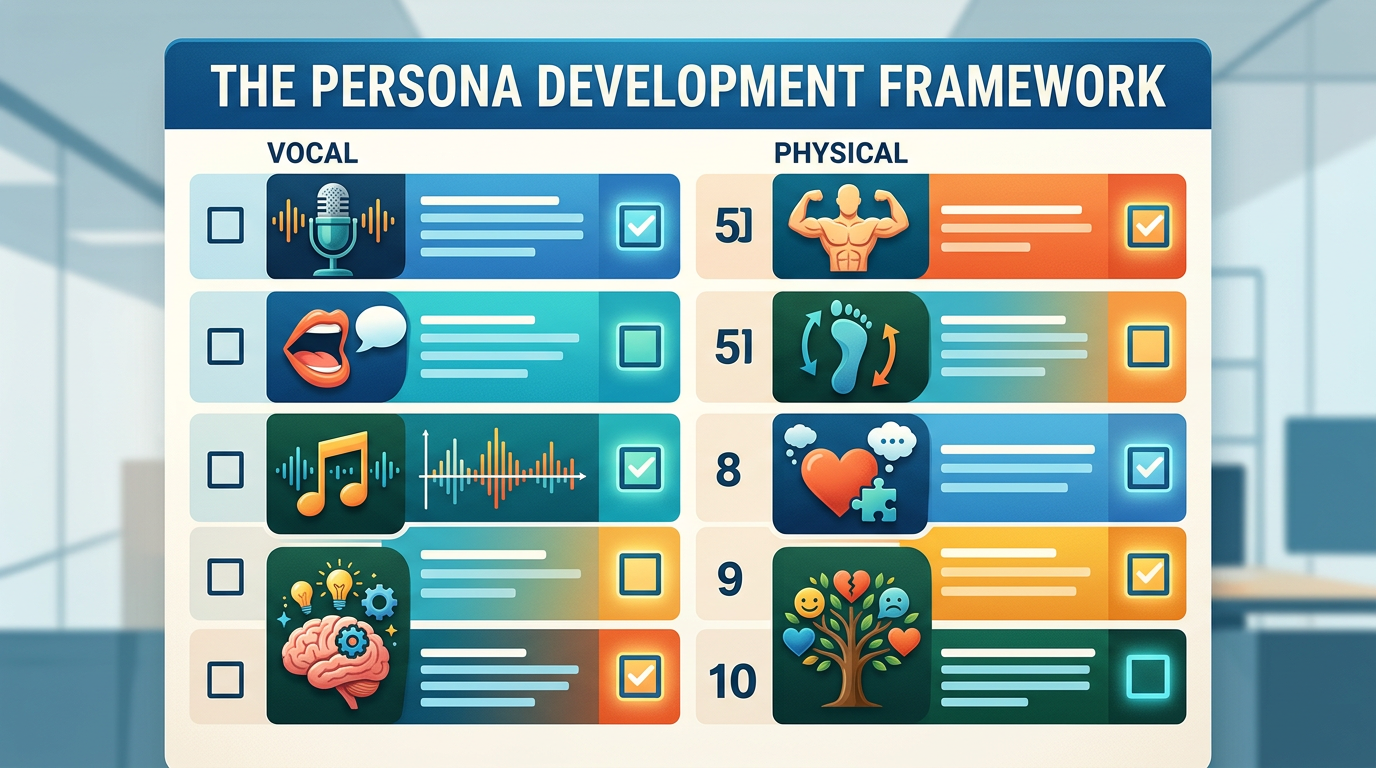
| Trait Type | Definition | Example |
|---|---|---|
| Physical | A recurring gesture, pace, or stance. | A specific lean or hand movement. |
| Vocal | Pitch, cadence, or catchphrases. | A slow, deliberate drawl. |
| Psychological | Core motivation or worldview. | Always looking for the 'why' in a conflict. |
It is vital to distinguish between a character-actor approach and a singular, high-octane brand. While a creator might use the massive, singular energy of a sports icon like Kobe Bean Bryant as a benchmark for impact, your goal as a versatile creator is to balance that singular, recognizable power with the ability to shift gears entirely. Ask yourself: does this persona serve the story, or does it distract from it? When you use a character, it should feel like an evolution of your brand’s capability, not a gimmick. This is where many creators stumble; they prioritize the 'cool factor' of a voice over the narrative necessity. Always ensure the persona is a tool for the story, not the story itself.
Beyond the Script: Scaling Your Persona
Maintaining multiple personas can be a logistical challenge, but it is manageable if you leverage technology effectively. Use AI voice tools to handle your repetitive, high-volume content—like social media updates or routine promos—so you can focus your creative energy on high-level narrative design. Remember, consistency in tone is almost always more important than visual perfection. An audience will forgive a low-budget edit if the character's voice and intent remain consistent and engaging. This is the secret to the longevity of characters like Mickey Mouse—the consistency of the persona across decades is what builds the emotional connection. Your audience wants to know who they are interacting with, and if you can provide that consistency across various formats, you build trust.
Mastering the Pivot
Knowing when to retire a persona is just as important as knowing how to launch one. Look at legends who maintained a consistent persona that evolved naturally as they transitioned from a young phenom to a seasoned mentor. They didn't abandon their core identity; they simply allowed it to grow. When you are ready to pivot, introduce the change gradually. Give your audience time to adjust to your new creative direction by weaving the new persona into your existing content pillars, ensuring that your evolution feels like a natural extension of your brand, not a jarring departure.
The Reggie Lee approach is about respect for the craft. Whether you are building a brand from scratch or looking to diversify your existing channel, the principles remain the same: study the archetypes, practice the delivery, and never be afraid to disappear into the role. By embracing this mindset, you turn your content creation process into a lifelong pursuit of character mastery, ensuring that your audience is always surprised, always engaged, and always waiting for what you become next. True versatility is not about being everything to everyone; it is about being exactly what the story needs at the exact right moment. Start small, experiment with your vocal range, and watch how your audience responds to the depth you are now able to provide.
How do I develop a distinct character voice for my content?
Start by identifying one physical, one vocal, and one psychological trait. Use tools to prototype how these traits sound in practice, and refine them based on audience feedback.
Can AI help me practice character acting or voiceover work?
Yes, AI platforms like Fanfun allow you to experiment with different personas and vocal styles, providing a sandbox to test what resonates with your audience before committing to a full production.
Why is Reggie Lee considered such a versatile actor in Hollywood?
Lee is known for his ability to disappear into roles, bringing nuance and specificity to supporting characters that elevate the entire scene without needing to be the center of attention.
What are the best ways to scale my content creation without losing my personal brand?
Use AI to handle repetitive tasks and voiceover work, allowing you to maintain a consistent tone across multiple personas while focusing your energy on high-level creative direction.