The Quico Effect: Why Physical Comedy Icons Are Perfect for the AI Age
Carlos Villagrán proved that physical comedy transcends language. Discover how to apply his 'rhythm of the mistake' to your AI-driven content creation.
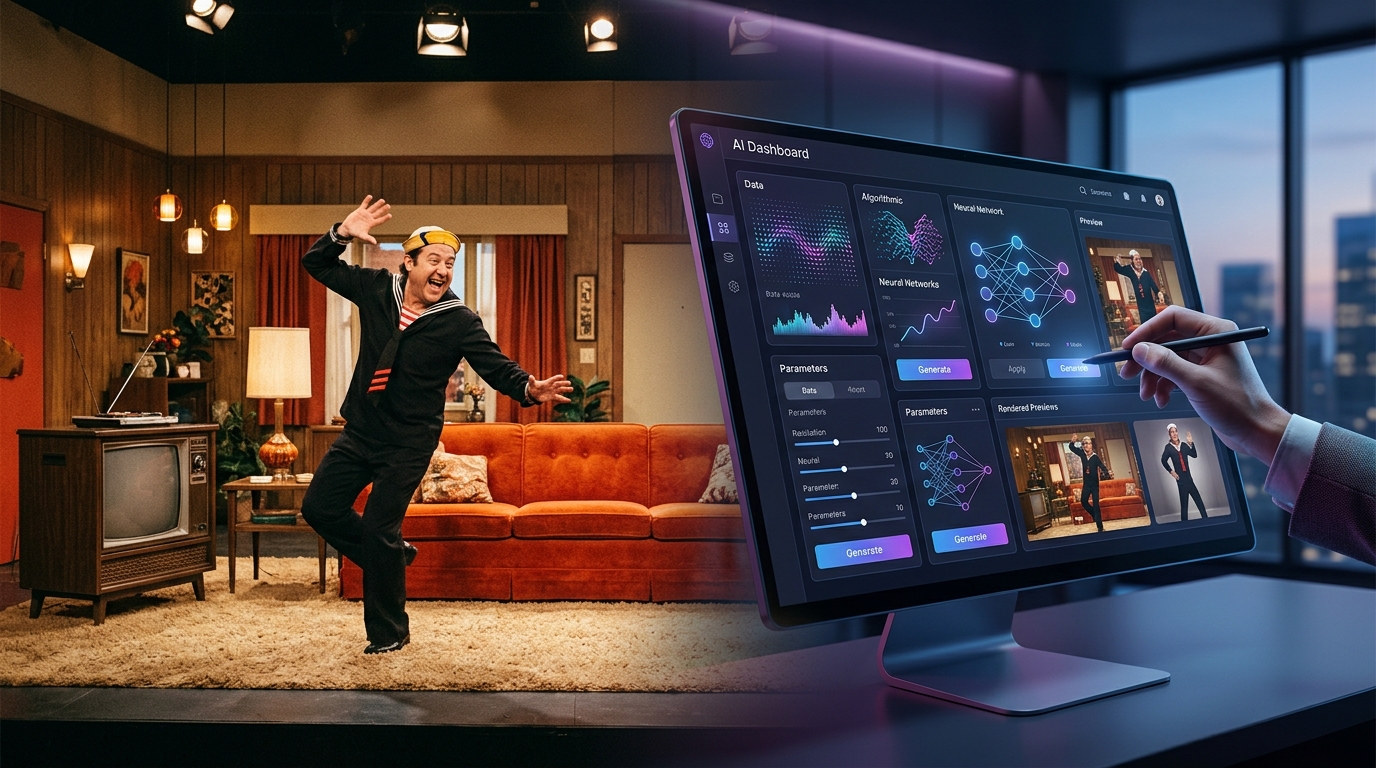
Carlos Villagrán’s portrayal of Quico was never just about a costume or a catchphrase. It was a masterclass in physical vulnerability. With his puffed cheeks, high-pitched, stuttering delivery, and an uncanny ability to convey profound disappointment with a single glance, Villagrán created a physical vocabulary that bypassed language barriers entirely. In the current landscape of short-form video, where TikTok and Reels reward performers who can convey a narrative arc in under 30 seconds, Villagrán’s work remains the gold standard for character-driven comedy.
We are currently witnessing a shift from passive nostalgia to active content creation. Modern creators aren't just watching classic sitcoms; they are using AI tools to deconstruct and reassemble the mechanics of these legendary performances. By leveraging the specific energy of an iconic character, creators can breathe new life into classic tropes, making them feel immediate, relevant, and shareable for a digital-first audience.
The Anatomy of a Legend: Why Villagrán Still Matters
The genius of Villagrán lay in his commitment to the 'rhythm of the mistake.' In his sketches, the comedy didn't come from the situation itself, but from the character's reaction to his own failure. Whether he was crying, bragging, or failing to understand a simple instruction, his physical choices amplified the humor. For creators today, this is a vital lesson: AI is a powerful tool for generating content, but the soul of the content remains in the timing and the intent you provide in your prompts.
When you use an AI voice generator to capture a specific comedic style, you are essentially acting as a director. You aren't just outputting text; you are sculpting a performance. By focusing on the emotional baseline of a character—their petulance, their joy, or their confusion—you can ensure that your AI-generated content feels authentic rather than robotic. The goal is to translate the spirit of the performance into a format that works for modern social media consumption.
Deconstructing the Character-Driven Performance
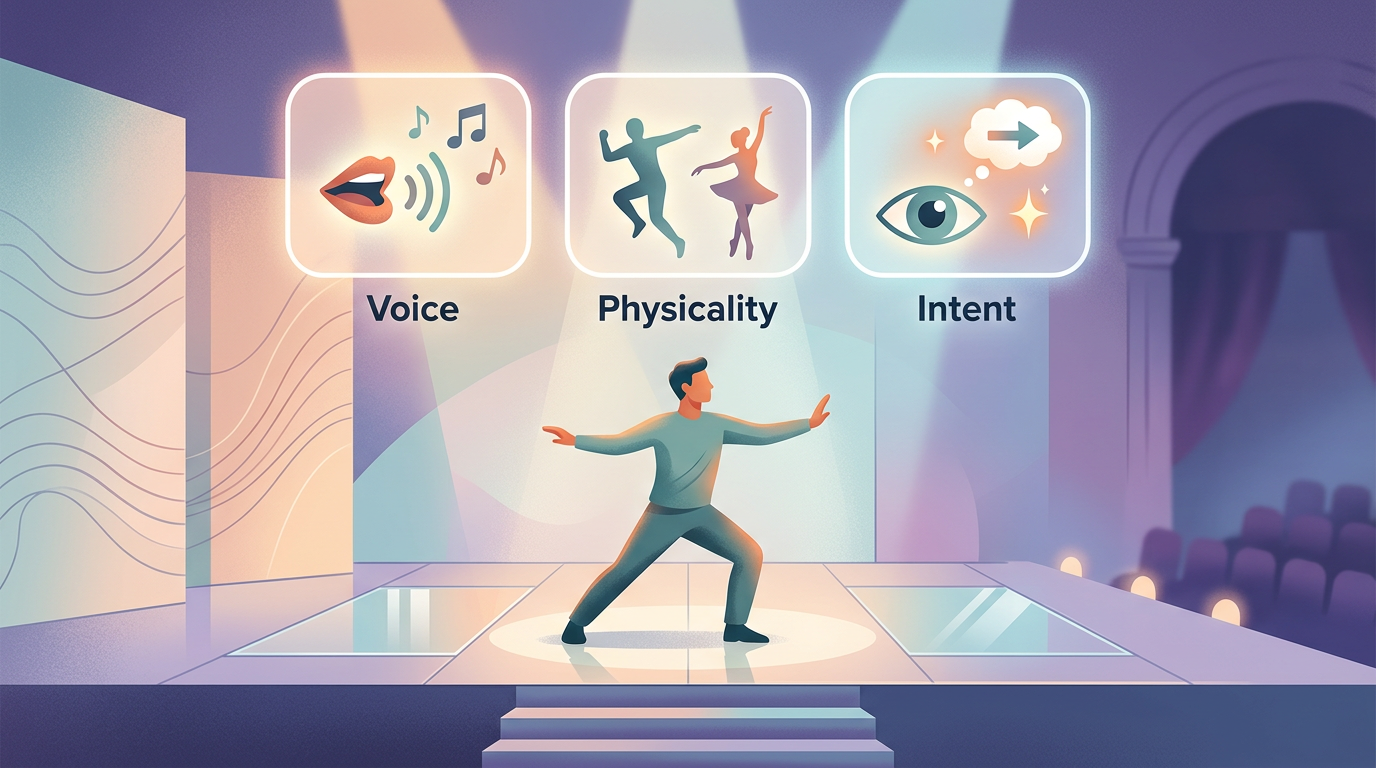
To produce compelling content, you must move beyond the surface-level impression. A great AI-assisted performance isn't about mimicking a voice perfectly; it is about capturing the intent behind the character. Ask yourself: What is the character trying to achieve in this scene? Is the persona trying to act innocent, deflect blame, or impress their peers? When you define the character's motivation, the AI output becomes more than a novelty—it becomes a storytelling device.
The Rhythm of the Mistake
In physical comedy, timing is everything. Villagrán often utilized the 'Rule of Three'—establishing a baseline, escalating the tension, and then delivering a punchline that subverts expectations. When using an AI voice generator, you can replicate this cadence by carefully scripting your pauses and inflections. Instead of aiming for a perfect vocal match, focus on the rhythmic patterns that define the character. By controlling the pacing through your script, you allow the AI to emphasize the specific 'mistakes' or vocal quirks that made the original performances so iconic.
| Element | Traditional Approach | AI-Enhanced Approach |
|---|---|---|
| Timing | Manual editing/re-takes | Prompt-based pacing and cadence |
| Character Depth | Static impersonation | Dynamic, interactive persona chat |
| Delivery | One-way video clip | Instant, scalable, personalized content |
| Availability | Booking/Waiting | On-demand, 24/7 access |
Modernizing the Sitcom Archetype
The beauty of the sitcom archetype lies in its universality. Whether it is the petulant outsider energy of Quico or the relentless optimism found in figures like Spongebob Squarepants, these characters serve as excellent vessels for modern commentary. By placing these familiar archetypes into contemporary scenarios—such as a 70s-style sitcom character reacting to the complexities of modern social media or AI technology—you create a jarring, humorous contrast that resonates with modern viewers.
Consistency is key to maintaining this energy. Using platforms like Fanfun, creators can ensure that the persona remains grounded in their established personality, regardless of the format. Whether you are generating a quick meme or a longer-form roast, the character's 'voice'—both literal and metaphorical—must remain stable. This consistency is what builds trust with your audience and allows you to experiment with more complex, multi-layered storytelling. If you want to explore how modern personas can be adapted, look at how the Dwayne Johnson AI or the Shaq persona can be used for high-energy promos, or how the Kobe Bean Bryant persona provides a platform for inspirational storytelling.
The Practical Workflow: From Concept to Character Interaction
Creating content that honors a legacy while feeling fresh requires a clear framework. Before you begin, define your scenario. Are you crafting a birthday wish, a satirical roast, or a meta-commentary on a current trend? Once the objective is set, select a persona archetype that aligns with the desired energy. If you are looking for a specific type of comedic timing, lean into characters that have a strong historical footprint in physical or slapstick comedy.
Refine your script by incorporating the character's signature catchphrases, but keep the core message personal. The most successful AI content feels like a genuine interaction rather than a generic template. Iterate on your output: if the first generation doesn't feel right, adjust the phrasing or the emphasis in your prompt. The secret to great AI content is iteration; treat the AI as a collaborator that you are directing, rather than a machine that does the work for you. By treating the AI interface as a rehearsal space, you can test different emotional registers until the character feels 'lived in.'
The Evolution of Digital Fandom
The evolution of digital interaction has moved far beyond the limitations of traditional Cameo alternatives. We are entering an era of two-way, interactive experiences. Today, fans can engage in dynamic conversations with AI versions of their favorite icons. These tools allow creators to do more than just watch—they can participate in the storytelling. Whether it is the iconic charm of Mickey Mouse or the relatable energy of Sydney Sweeney, the ability to interact with these personas is transforming how we consume media.
At Fanfun, we believe that the future of fandom is built on this intersection of technology and creativity. By providing the tools to interact with these personas, we empower creators to pay homage to the icons who shaped their sense of humor while simultaneously building something entirely new. When you approach these tools with respect for the original performance, you aren't just replicating the past; you are ensuring that these legends remain an active part of our cultural conversation for years to come. This is the new frontier of content creation: a place where the barrier between fan and icon dissolves, replaced by a collaborative, creative, and infinitely scalable digital playground.
Ultimately, the 'Quico Effect' is about recognizing that comedy is a language of human connection. When you use AI to channel that connection, you aren't just using a tool—you are participating in a long-standing tradition of character performance. By focusing on the nuances, the timing, and the emotional intent, you ensure that your content doesn't just get views, but leaves a lasting impact on your audience.
How can I use AI to create content inspired by classic sitcom characters?
Start by identifying the character's primary motivation and physical 'rhythm.' Use AI to generate scripts that place these archetypes in modern scenarios to create a blend of nostalgia and current relevance.
Is it possible to generate a voice that captures the style of Carlos Villagrán?
While AI is an interpretation rather than an exact clone, you can capture the essence of Villagrán’s performance by focusing on his unique cadence, stuttering patterns, and the emotional intent behind his delivery in your script prompts.
Why are AI personas better than traditional Cameo alternatives for content creators?
AI personas offer instant, scalable, and two-way interactive experiences. Unlike traditional video messages, you can iterate on the content, engage in real-time chat, and use these characters in a wider variety of creative formats without waiting for celebrity availability.
How do I maintain the spirit of a character while using AI tools?
Focus on consistency in character voice and behavior. Use catchphrases sparingly to ground the performance, but prioritize the character's established personality traits to ensure the interaction feels authentic to the source material.