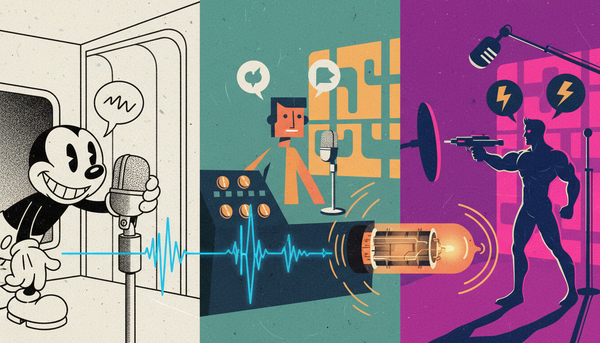
Beyond the Impression: Mastering the Rhetoric of a Donald Trump AI Voice
Moving beyond a simple impression requires understanding the unique cadence and rhetorical style of a persona. Learn how to structure your scripts to turn AI voice tools into a powerful creative engine.
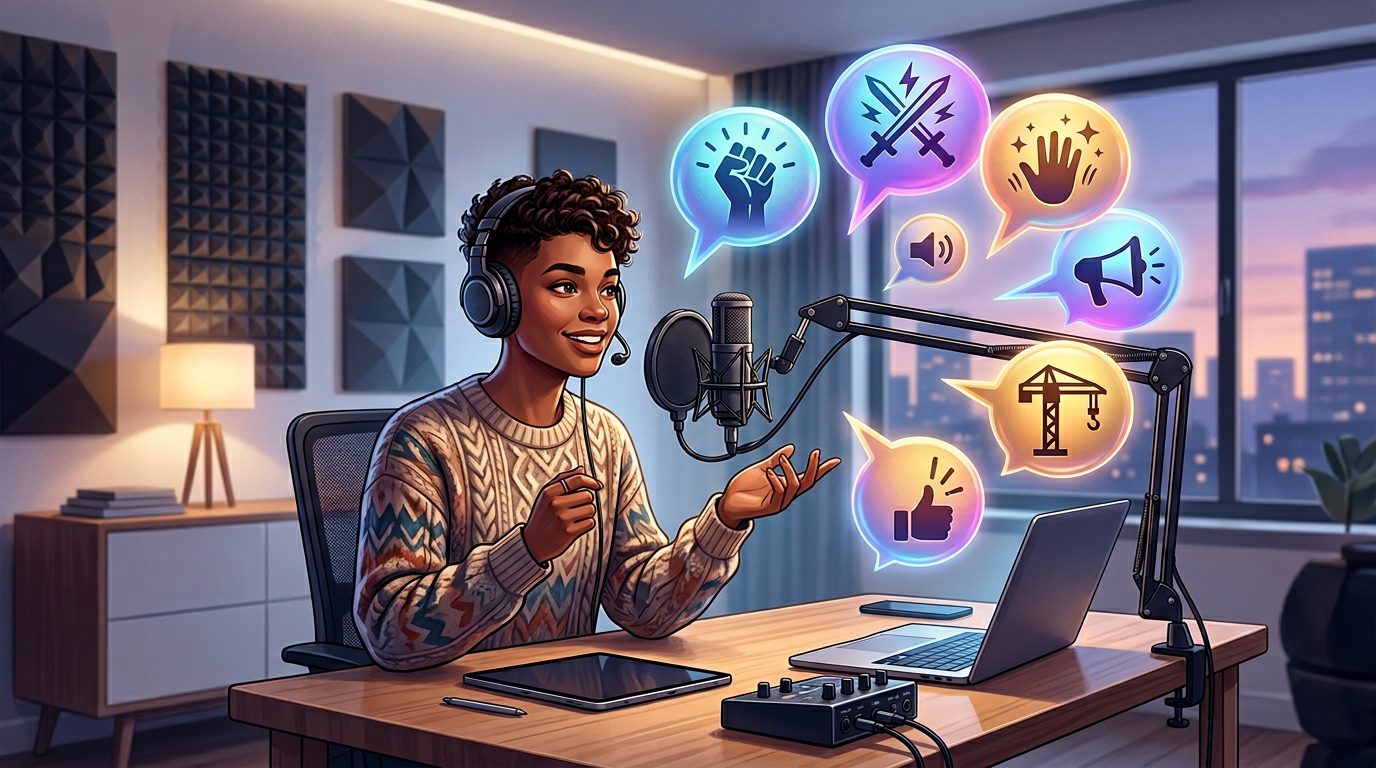
The rise of high-fidelity AI voice technology has fundamentally changed how creators approach character-driven content. Moving beyond a simple impression requires more than just a passing resemblance; it demands a deep understanding of the unique cadence, vocabulary, and rhetorical style that define a persona. Whether you are crafting a satirical sketch or a narrative-driven project, the quality of your output is directly tied to your ability to translate human speech patterns into a structured digital format.
For creators looking to experiment, the Donald Trump AI voice serves as an excellent case study in rhythmic delivery. It is a voice defined by repetition, hyperbole, and a specific, staccato cadence that is instantly recognizable. Mastering this requires moving away from traditional scriptwriting and embracing a style that prioritizes phonetic impact over academic structure. At Fanfun, we see creators leverage this specific rhetorical style to turn mundane announcements into viral-ready content, proving that the right voice, when paired with the right rhythm, creates an immediate emotional connection with the audience.
The Anatomy of a High-Impact AI Voice Script
The secret to a convincing AI output isn't just the quality of the model; it is the structure of the text you feed it. When working with a persona that relies on strong rhetorical flourishes, the goal is to mirror the specific rhythm and syntax that define the character. Long, complex sentences often fail because they lack the 'punch' required for this style. Instead, break your script into short, assertive bursts. Use hyperbole as a structural tool, not just an adjective. When you write, prioritize words that naturally lend themselves to a staccato delivery, and don't be afraid to use punctuation—ellipses and dashes—to force the AI to pause exactly where a human speaker would take a breath.
Consider the 'rule of three' in your scripting. By repeating a core concept three times in slightly different ways, you lean into the character's natural verbal fingerprint. This isn't just about mimicry; it's about understanding the psychology of the persona's delivery. When you use the Donald Trump AI voice, you aren't just generating audio; you are directing a performance. Your script should reflect the character's tendency to emphasize certain nouns and use superlatives to build tension.
Formatting for Emphasis
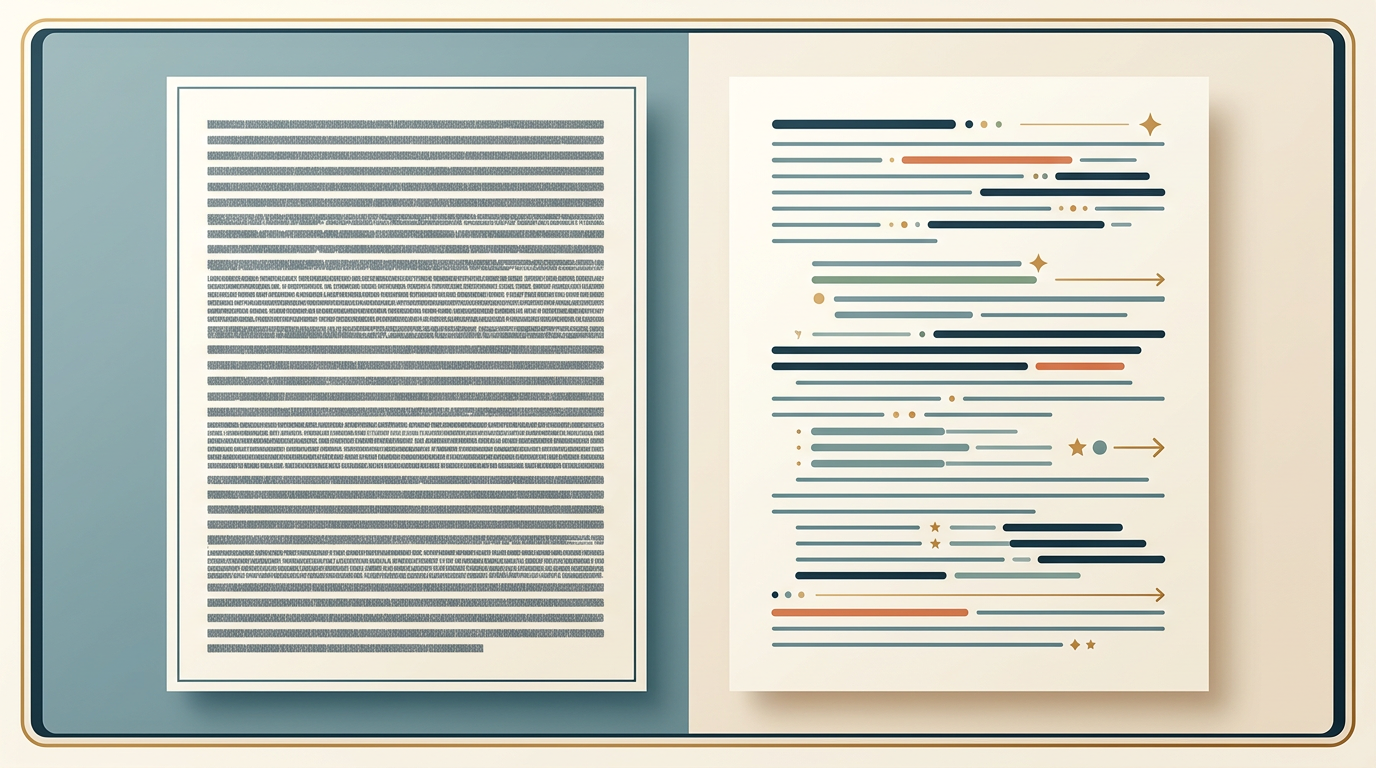
Treat your script like a musical score. If you want a specific word to land, place it at the end of a short sentence. By isolating key adjectives or nouns, you provide the AI with a clearer roadmap for inflection. Avoid dense paragraphs; they strip the voice of its characteristic energy. Instead, use line breaks to separate distinct thoughts, allowing each segment of the script to stand on its own.
| Technique | Description | Impact on AI Output |
|---|---|---|
| Strategic Pausing | Using ellipses (...) or dashes (--) | Forces the AI to create natural breathing gaps. |
| Sentence Truncation | Keeping sentences under 10 words | Increases the urgency and 'punch' of the delivery. |
| Repetitive Phrasing | Using specific adjectives 2-3 times | Reinforces the persona's signature verbal fingerprint. |
| Phonetic Spelling | Spelling words as they sound | Corrects minor AI mispronunciations of slang or emphasis. |
From Satire to Storytelling: Creative Use Cases
The most effective content often plays with juxtaposition. A great way to test the versatility of your tools is to create narrative conflict. For example, pairing a Donald Trump AI voice with a Dwayne Johnson AI persona can turn a standard product review or a fictional announcement into a high-comedy sketch. The contrast in their rhetorical styles—one prone to hyperbolic repetition and the other to grounded, high-energy intensity—creates a dynamic that feels genuinely produced rather than randomly generated.
Beyond comedy, use these tools for rapid prototyping. If you are a content creator, you can draft five different versions of a script to see which tone lands best before you commit to a final edit. This workflow allows you to iterate on your storytelling in minutes, not hours. Whether you are producing a short-form video for TikTok or a longer narrative for YouTube, the ability to pivot your script based on instant audio feedback is a game-changer for independent creators. By using tools like the The Rock Dwayne Johnson persona, creators can experiment with different tones—from motivational coach to action hero—without the logistical burden of traditional studio recording.
Prompt Engineering for Character Consistency
Character consistency is achieved through a combination of vocabulary and context. When you input your script, don't just paste the text; provide the AI with the 'why' behind the words. Use trigger words that define the persona’s verbal fingerprint. If you want an urgent update, start your prompt with descriptors like 'breaking news' or 'exclusive announcement.' This primes the model to adopt the appropriate tone from the first syllable.
Remember that prompt engineering is an iterative process. If the first output feels slightly off, adjust the punctuation or swap out a synonym. The beauty of modern AI tools is the ability to tweak and refine until the cadence matches your internal vision of the persona. You are essentially acting as the director, and the script is your primary tool for guiding the performance. For instance, if you are using the Sydney Sweeney persona for a lifestyle vlog, focus your script on conversational, relatable language rather than the high-stakes rhetoric you might use for a political or sports figure.
The Fanfun Advantage: Why Instant Matters
In traditional production, securing a specific voice or persona often involves long waitlists, expensive talent fees, and rigid scheduling. Fanfun changes this by providing an instant, accessible alternative. Because you aren't waiting on human availability, you have the creative freedom to experiment with dozens of variations in the time it would take to send a single email to a casting agent. Our platform is designed to support this level of creative velocity, allowing you to move from concept to final export in a fraction of the time.

This speed also enables collaboration across a massive character library. You can easily integrate a Spongebob Squarepants persona alongside more mature or satirical voices to create unique content mashups that would be logistically impossible in a traditional studio setting. Imagine a scenario where a high-intensity action hero interacts with a whimsical cartoon character—the contrast is inherently funny and engaging for modern digital audiences. Fanfun turns the production process from a static, linear task into a fluid, creative experiment, empowering creators to push the boundaries of what is possible in short-form media.
Ethical Content Creation in the Age of AI
With great creative power comes the responsibility to use it transparently. As a creator, you should always distinguish between parody, satire, and misleading content. Labeling AI-generated media is not just a best practice—it is essential for maintaining trust with your audience. Treat AI as a tool to amplify your own creative intent, not as a replacement for human judgment. When you use voice technology to tell a story or make a point, ensure the audience understands that they are interacting with an AI interpretation, which preserves the integrity of your content and the reputation of the personas involved.
Ultimately, the goal of using these tools is to enhance your storytelling. Whether you are using Mickey Mouse for a whimsical project or a celebrity persona for a high-intensity promo, the focus should remain on creating something that resonates with your specific audience. By combining technical precision with creative ethics, you can build a library of content that is both innovative and responsible. The future of content creation isn't just about having the best tools; it's about having the creative vision to use them in ways that surprise and delight your viewers.
How do I make an AI voice sound more natural?
Focus on script rhythm. Use shorter sentences, strategic punctuation to force natural pauses, and words that fit the persona's known vocabulary. The more you mirror the actual speech patterns of the character, the more convincing the output will be.
Can I use a Donald Trump AI voice for YouTube videos?
Yes, but ensure your content is clearly labeled as parody or satire. Platforms have specific guidelines regarding AI-generated content, so transparency is key to keeping your channel in good standing.
What is the difference between an AI voice generator and a voice changer?
An AI voice generator creates speech from text input, allowing you to generate entirely new content in a specific persona's voice. A voice changer typically requires you to record your own audio first and then alters the pitch or timbre to sound like someone else.
Is it legal to use AI voices for parody content?
Parody and satire are generally protected forms of speech, but you should always review the specific terms of service of the AI platform you are using and ensure your content does not cross the line into defamation or deceptive misrepresentation.